
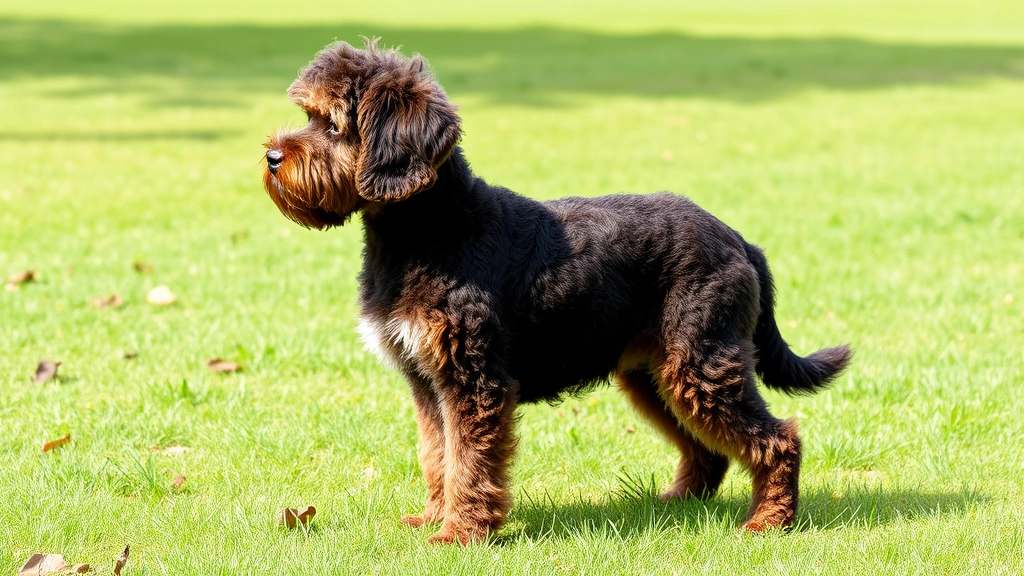
How Big Do Cavapoo Dogs Get? Your Complete Size Guide
If you’re considering bringing a Cavapoo into your family, you’ve probably wondered: just how big do these adorable pups actually get? The short answer? They’re wonderfully compact companions that fit perfectly into most living situations. But there’s so much more to understand about their growth patterns, size variations, and what to expect as your furry friend matures.
Cavapoos are a designer breed created by crossing a Cavalier King Charles Spaniel with a Miniature or Toy Poodle. This hybrid heritage means their final size can vary more than purebred dogs, but generally speaking, you’re looking at a small to medium-sized dog that typically weighs between 9 to 25 pounds when fully grown. What makes Cavapoos particularly appealing is their predictable, manageable size—they’re rarely too large or unexpectedly tiny.
Understanding Cavapoo growth isn’t just about satisfying curiosity. Knowing their adult size helps you prepare appropriate living spaces, determine exercise needs, select the right food portions, and anticipate healthcare requirements. Let’s dive into everything you need to know about these charming pups and their growth journey.
Understanding Cavapoo Basics
Before we discuss size specifics, let’s establish what makes a Cavapoo unique. These designer dogs represent the best of both parent breeds: the gentle, affectionate nature of Cavalier King Charles Spaniels combined with the intelligence and low-shedding coat of Poodles. The result is a dog that’s not only adorable but also manageable in terms of physical space requirements.
The breed emerged in the 1990s, gaining popularity steadily among dog lovers seeking smaller, apartment-friendly companions. Unlike purebreds with standardized size expectations, Cavapoos can show more variation because breeders use different Poodle sizes (Toy or Miniature) when creating the breed. This variation is actually one of their charming characteristics—you might end up with a petite lap dog or a slightly larger companion, depending on the specific genetics.
It’s worth noting that responsible breeders carefully select parent dogs to ensure healthy offspring with predictable temperaments and sizes. When choosing a Cavapoo puppy, reputable breeders can provide insights into the puppy’s expected adult size based on the parents’ dimensions and previous litter histories.
Cavapoo Size Range Explained
Let’s get specific about those numbers. Most Cavapoos fall into this size range when fully mature:
- Weight: 9 to 25 pounds (with most settling around 15-20 pounds)
- Height: 9 to 14 inches at the shoulder
- Body Type: Compact, sturdy frame with a somewhat square profile
However, this range deserves some nuance. If a Cavapoo’s Poodle parent is a Toy Poodle, the offspring will typically land on the smaller end of this spectrum—around 9 to 14 pounds. Conversely, when a Miniature Poodle is used, you’re more likely to see Cavapoos reaching 15 to 25 pounds at maturity.
This size flexibility is precisely why Cavapoos work wonderfully for various living situations. Studio apartment dwellers can pursue smaller Cavapoos from Toy Poodle lineage, while those with more space might appreciate the slightly larger Cavapoos. Neither extreme requires the outdoor acreage that larger breeds demand, making them genuinely versatile companions.
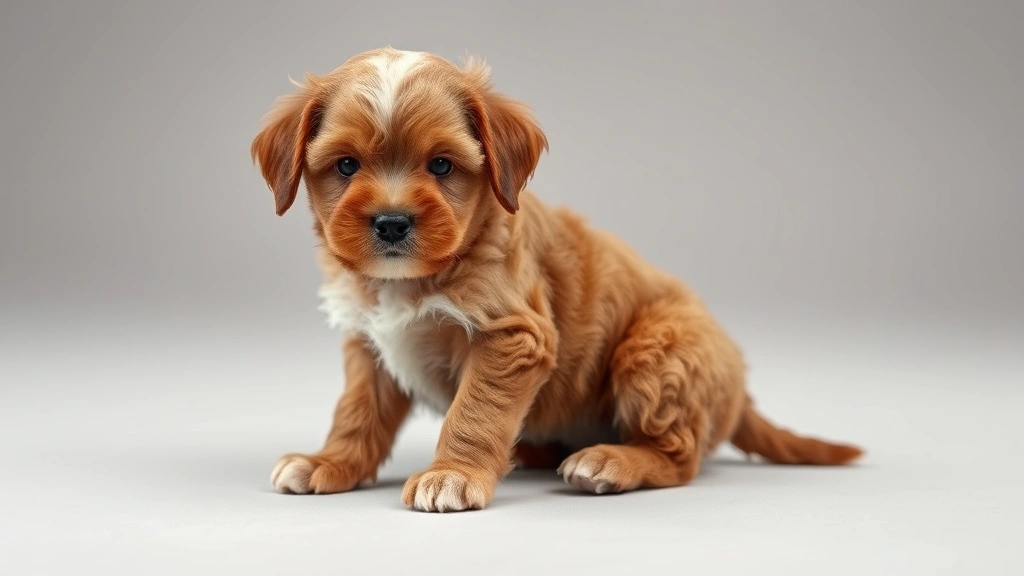
Growth Timeline: From Puppy to Adult
Understanding how quickly your Cavapoo grows helps you prepare for their changing needs. Here’s what to typically expect:
Birth to 8 Weeks: Cavapoo puppies are impossibly tiny at birth, weighing just a few ounces. By eight weeks (typical weaning age), they usually weigh 2 to 4 pounds. At this stage, they’re vulnerable little creatures requiring frequent feeding and careful socialization.
8 Weeks to 4 Months: This is when growth accelerates noticeably. Your puppy might gain a pound or more each week, doubling or tripling in size. By four months, expect your Cavapoo to weigh approximately 6 to 10 pounds, depending on their genetic lineage.
4 to 8 Months: Growth continues steadily but begins slowing somewhat. Your puppy will reach approximately 70-80% of their adult weight by eight months. This is when many owners are surprised by how quickly their tiny fur baby has matured into a more substantial companion.
8 to 12 Months: The growth rate further decreases. Most Cavapoos reach their full height by around nine months, though they may continue gaining weight (mostly muscle) until 12-14 months.
12 to 18 Months: By this point, most Cavapoos have achieved their adult size, though some may continue filling out until 18 months. Growth plates typically close around 12-14 months, signaling the end of skeletal growth.
Understanding when a dog is fully grown helps you adjust feeding portions and exercise intensity appropriately. Growing puppies have different nutritional and physical demands than adults.
Factors That Affect Cavapoo Size
Several variables influence exactly how big your individual Cavapoo will grow:
Poodle Parent Size: As mentioned, Toy Poodles typically produce smaller Cavapoos (9-14 pounds), while Miniature Poodles result in larger dogs (15-25 pounds). This is the single most influential factor determining adult size.
Cavalier King Charles Spaniel Genetics: Cavaliers are medium-small dogs, typically weighing 13-18 pounds. Their genetics contribute to the overall size potential. Some Cavaliers lean larger, which can influence offspring size.
Individual Genetics: Just like humans, individual puppies inherit different combinations of traits. Two puppies from the same litter might end up being quite different sizes as adults. Some puppies inherit more Cavalier traits (slightly larger), while others favor Poodle genetics (potentially smaller).
Nutrition During Growth: Proper nutrition supports healthy growth, but overfeeding puppies can actually cause problems. Excessive growth rates strain developing bones and joints. Feeding appropriate portions of high-quality puppy food supports optimal development.
Health Factors: Underlying health conditions can affect growth rates. Parasites, nutritional deficiencies, or digestive issues might slow growth. Conversely, excellent health typically supports reaching genetic potential.
Gender: Male Cavapoos often end up slightly larger than females, though the difference is typically modest (usually 1-3 pounds).
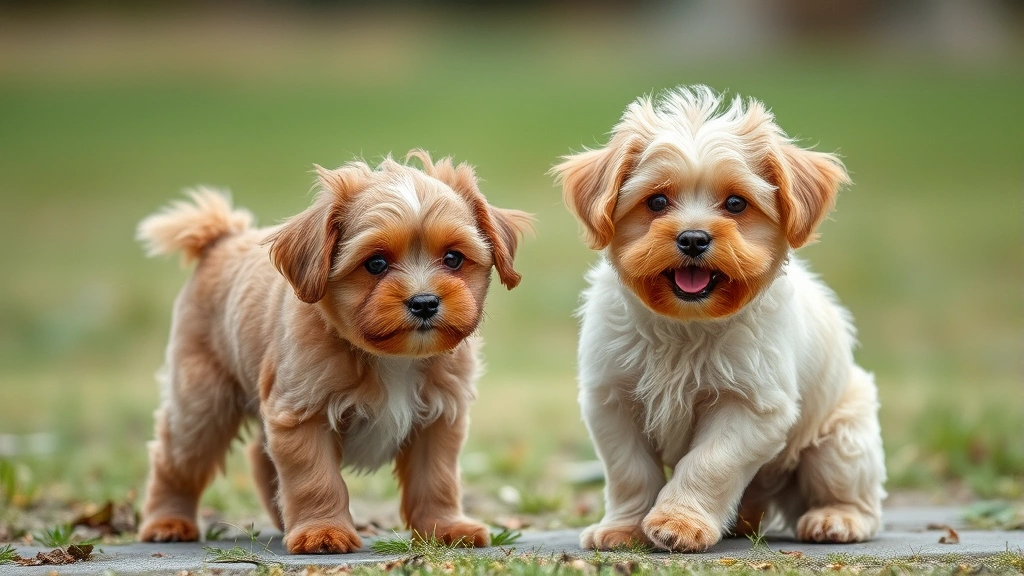
How to Predict Your Cavapoo’s Adult Size
Want to predict your specific puppy’s adult size? Here are practical strategies:
Parent Size Assessment: Ask your breeder for the exact weights and measurements of both parents. These provide the most reliable baseline. If both parents are on the larger end of the spectrum, your puppy likely will be too.
Paw Size Evaluation: An old saying suggests a puppy’s paw size indicates adult proportions. While not scientifically rigorous, unusually large paws relative to body size might suggest your puppy will be on the larger end of the range.
Growth Rate Tracking: Weigh your puppy monthly and plot growth on a chart. Most puppies follow relatively consistent growth curves. If your puppy is already tracking larger by four months, they’ll likely continue that pattern.
Breeder Experience: Reputable breeders have produced many litters and can provide surprisingly accurate predictions based on puppy body structure and parent genetics. They understand how their specific breeding lines typically develop.
Age-Based Estimation: A rough rule suggests that at four months, puppies have reached approximately 50-60% of adult weight. At eight months, they’re typically at 80-90%. You can extrapolate from these milestones.
Remember that predictions aren’t perfect—individual variation always exists. But these methods provide reasonable estimates, helping you prepare appropriately.
Size Considerations for Potential Owners
Before committing to a Cavapoo, honestly assess whether their typical size fits your lifestyle:
Living Space: Cavapoos thrive in apartments, condos, and houses. Their small to medium size means they don’t require extensive space, but they do need room to move comfortably. They’re not outdoor-only dogs—they’re companion breeds that belong indoors with their families.
Travel and Transport: The manageable size makes Cavapoos excellent travel companions. They fit comfortably in most vehicle carriers and airline-approved pet carriers for travel. This portability appeals to active owners who want canine companions for adventures.
Handling and Care: Unlike giant breeds requiring special considerations for lifting and physical handling, Cavapoos are manageable for most adults. Even seniors can typically handle grooming, bathing, and basic physical care without strain.
Furniture and Lap Time: Cavapoos genuinely are lap dogs. They love curling up on couches and laps—their size makes this cozy arrangement comfortable for both dog and human. If you prefer dogs that maintain distance, a Cavapoo might not suit your preferences.
When considering how much food to feed your dog, remember that Cavapoos’ moderate size means moderate food costs compared to larger breeds. This economic factor appeals to budget-conscious owners.
Health, Nutrition, and Size Management
Proper nutrition directly impacts healthy growth. Here’s what you need to know:
Puppy-Specific Formulas: Always feed Cavapoo puppies high-quality puppy formula designed for small to medium breeds. Puppy food contains appropriate calcium and phosphorus ratios crucial for developing bones. Adult formulas don’t provide these optimal proportions.
Portion Control: Overfeeding is remarkably common and problematic. Rapid growth stresses developing joints and bones, potentially leading to issues like hip dysplasia later in life. Follow feeding guidelines based on your puppy’s current weight, adjusting as they grow.
Meal Frequency: Young puppies (under 12 weeks) need three to four meals daily. From 12 weeks to six months, transition to three meals. After six months, two meals daily is standard and continues throughout adulthood.
Transition to Adult Food: Around 12 months, gradually transition your Cavapoo to high-quality adult dog food. This transition should happen over 7-10 days, mixing increasing amounts of adult food with decreasing amounts of puppy formula.
Dental Health: Cavapoos are prone to dental issues inherited from Cavaliers. Proper nutrition supports dental health, and you should be aware of signs that warrant attention. Learn more about whether dogs can get cavities to understand preventative care importance.
Exercise Appropriate to Size: Cavapoos need daily exercise, but their moderate size means reasonable amounts suffice. Puppies shouldn’t engage in strenuous exercise until growth plates close (around 12-14 months). Focus on frequent, moderate activity rather than intense exertion.
Proper nutrition and exercise management during growth ensures your Cavapoo reaches their genetic potential while maintaining joint and bone health. This foundation supports a long, healthy life ahead.
Understanding comprehensive care means considering what shots dogs need for protection and safe dietary choices that support optimal health. These elements combine to ensure well-rounded care.
Frequently Asked Questions
At what age is a Cavapoo fully grown?
Most Cavapoos reach their full adult size between 12 to 14 months of age. They typically achieve their full height by nine months but may continue gaining weight (mostly muscle) until around 14-18 months. Growth plates generally close around 12-14 months, marking the end of significant skeletal growth.
Can you predict a Cavapoo puppy’s adult size?
Yes, with reasonable accuracy. Examine the parents’ sizes, as this is the most reliable indicator. Ask your breeder for specific weight information about both parents. Additionally, your puppy’s growth rate at four and eight months provides clues about final size. Most puppies reach 50-60% of adult weight by four months and 80-90% by eight months.
Do male and female Cavapoos differ significantly in size?
Generally, males are slightly larger than females, typically by 1-3 pounds. However, individual variation often exceeds gender-based differences. A large female might match or exceed a smaller male’s size.
Is a Cavapoo suitable for apartment living?
Absolutely. Cavapoos’ small to medium size makes them excellent apartment dogs. They don’t require extensive space and adapt well to various living situations. They’re companion breeds that thrive indoors with their families, making apartment living perfectly appropriate.
How much should I feed my growing Cavapoo puppy?
Follow the feeding guidelines on your puppy food package, adjusted for your puppy’s current weight. Generally, growing puppies need more calories per pound than adults. Divide daily portions into three to four meals for young puppies, transitioning to two meals by six months. Consult your veterinarian for personalized guidance based on your specific puppy’s growth rate and health status.
What’s the difference between Cavapoos from Toy versus Miniature Poodle parents?
Cavapoos with Toy Poodle parents typically weigh 9-14 pounds at maturity, while those with Miniature Poodle parents generally reach 15-25 pounds. This is the primary size differentiator, so if you have specific size preferences, ask breeders about their Poodle parent’s size.
Should I be concerned if my Cavapoo seems smaller or larger than expected?
Individual variation is normal and expected. Some Cavapoos naturally land on the smaller or larger end of the typical range. However, if your puppy seems to be growing exceptionally slowly or rapidly, or if you notice other concerning signs, consult your veterinarian. They can assess whether growth patterns are healthy or indicate underlying issues.
How does my Cavapoo’s size affect exercise needs?
Cavapoos’ moderate size means they need regular daily exercise but not the extensive requirements of larger breeds. Puppies shouldn’t engage in strenuous exercise until growth plates close (around 12-14 months). Adults typically need 30-60 minutes of moderate daily activity—walks, play sessions, and mental stimulation. Their size makes them adaptable to various exercise environments and activity levels.





