
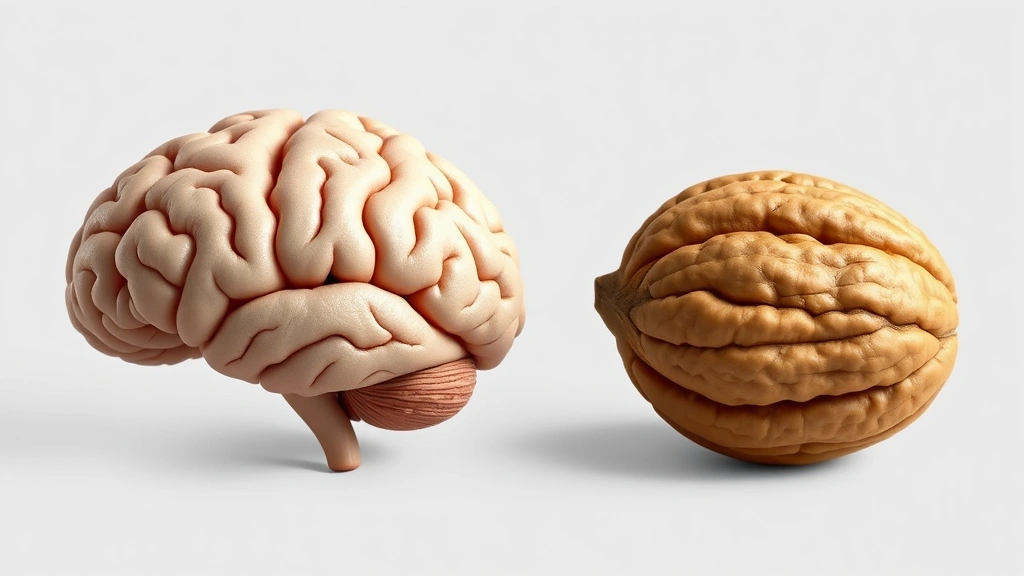
So you’ve ever wondered how big is a dog’s brain? Well, buckle up, because the answer might surprise you more than finding out your pup ate your entire sandwich while you were in the bathroom. A dog’s brain is roughly the size of a walnut—weighing between 0.5 to 2.5 ounces depending on the breed. But here’s the kicker: size isn’t everything when it comes to canine intelligence and behavior.
Table of Contents
- The Actual Size of Your Dog’s Brain
- Brain Size vs. Intelligence: The Real Story
- Canine Brain Structure and Function
- How Dog Brain Development Compares to Humans
- The Impact of Breed on Brain Size
- Neuroplasticity: Your Dog’s Brain is Constantly Changing
- Memory and Learning: What’s Happening in That Walnut-Sized Brain
- Emotions and the Canine Brain
- Brain Health and Aging in Dogs
- Practical Ways to Maximize Your Dog’s Brain Potential
- The Future of Canine Brain Research
- Frequently Asked Questions
- Conclusion: Understanding Your Dog’s Remarkable Mind
The Actual Size of Your Dog’s Brain
Let’s get specific about dog brain dimensions. On average, a dog’s brain weighs about 1.2 to 1.4 ounces (34 to 40 grams), which is roughly 1/10th the weight of a human brain. To put it in perspective, if your dog’s brain were a walnut, a human brain would be more like a cantaloupe. Pretty wild, right? Larger dog breeds like German Shepherds and Golden Retrievers tend to have bigger brains than smaller breeds like Chihuahuas, but the difference isn’t as dramatic as you’d think. A Great Dane’s brain might weigh around 2.5 ounces, while a Chihuahua’s could be as tiny as 0.5 ounces.
Brain Size vs. Intelligence: The Real Story
Here’s where things get interesting. Just because your dog has a walnut-sized brain doesn’t mean they’re not smart. In fact, dog brain size doesn’t directly correlate with intelligence the way many people assume. A smaller breed dog can be just as clever, trainable, and problem-solving oriented as a larger breed. What matters more is how efficiently the brain is organized and how well the neural connections work together. Some research suggests that smaller dogs might actually be more trainable because of how their brains are wired, even if they’re physically smaller.
Canine Brain Structure and Function
A dog’s brain is divided into several key regions, each responsible for different functions. The cerebrum handles thinking, learning, and memory. The cerebellum controls balance and coordination (which explains why your pup can somehow navigate the house in complete darkness). The brainstem manages vital functions like breathing and heart rate. The olfactory bulb—the part that processes smell—is proportionally larger in dogs than in humans, which is why Fido can detect that single treat you hid in your pocket from across the room. This specialized brain structure means dogs experience the world very differently than we do, with smell being their dominant sense rather than sight.
How Dog Brain Development Compares to Humans
Puppies are born with brains that are only about 80% developed. By the time they reach adulthood (around 12-18 months depending on breed), their brains are fully mature. This is why puppies are basically tiny furry chaos agents—their brains are still under construction! A human infant’s brain reaches full maturity around age 25, which means dogs actually have a head start in some ways. However, the human brain continues developing neural connections throughout life, giving us the advantage in complex learning and abstract thinking. Your dog’s brain plateaus earlier but reaches functional maturity much faster, which is why you can housetrain a puppy but it takes years to teach a toddler the same skill.
The Impact of Breed on Brain Size
Not all dog brains are created equal. Breed plays a significant role in determining brain size and, to some extent, cognitive abilities. Working breeds like Border Collies, Poodles, and German Shepherds have been selectively bred for intelligence and problem-solving, and their brains reflect this. These breeds often have slightly larger brains relative to their body size and show enhanced performance in obedience and complex task learning. Toy breeds, while adorable, tend to have smaller brains but can be surprisingly intelligent and stubborn. Giant breeds like Great Danes have large brains but sometimes show less trainability, possibly because their bodies grow so quickly that brain development can’t keep up proportionally.
Neuroplasticity: Your Dog’s Brain is Constantly Changing
One of the most fascinating aspects of dog brain science is neuroplasticity—the brain’s ability to reorganize and form new neural connections throughout life. This means your dog’s brain is literally changing every time they learn something new, experience something novel, or practice a skill. Training your dog, introducing them to new environments, and providing mental stimulation all physically reshape their brain structure. This is why enrichment activities, puzzle toys, and training sessions aren’t just fun—they’re actually building a smarter, more adaptable dog. The brain’s plasticity also explains why older dogs can still learn new tricks; their brains retain the ability to form new connections even in their senior years.
Memory and Learning: What’s Happening in That Walnut-Sized Brain
Dogs have impressive memories, especially when it comes to associative learning. They can remember commands, routes, people, and even the exact location where they buried that tennis ball three months ago. This ability stems from how their brains process and store information. Dogs have both short-term and long-term memory, though their short-term memory is shorter than humans’—typically lasting only a few minutes. However, their long-term memory for emotionally significant events (like the vet visit or the time you gave them an extra treat) can last for years. The hippocampus, a crucial brain structure for memory formation, is proportionally similar in dogs and humans, which helps explain why our furry friends can develop such strong associations and memories.
Emotions and the Canine Brain
Your dog’s brain is capable of experiencing a surprising range of emotions. The limbic system, which processes emotions in dogs, is well-developed and allows them to feel joy, fear, anger, and even jealousy. Recent research using brain imaging has shown that dogs’ brains light up in response to their owners’ voices and scents in ways similar to how human brains respond to loved ones. This isn’t anthropomorphizing—it’s actual neuroscience. When your dog gets excited to see you after you’ve been gone for five minutes (or five hours), their brain is genuinely experiencing pleasure and emotional connection. Understanding that your dog’s brain is wired for emotional bonding can help you appreciate the depth of your relationship with your pet.
Brain Health and Aging in Dogs
As dogs age, their brains undergo changes similar to human brains. Cognitive dysfunction syndrome (basically dementia in dogs) can occur in senior dogs, affecting memory, awareness, and behavior. A dog’s brain doesn’t shrink as dramatically as a human brain during aging, but neural connections can deteriorate. This is why older dogs might seem confused, forget their training, or have accidents in the house. However, keeping your senior dog’s brain active through continued training, socialization, and mental stimulation can help slow cognitive decline. Proper pet food safety and nutrition also play crucial roles in maintaining brain health throughout your dog’s life. Omega-3 fatty acids, antioxidants, and other nutrients support cognitive function and can help protect against age-related brain changes.
Practical Ways to Maximize Your Dog’s Brain Potential
Now that you understand how your dog’s brain works, here are some practical ways to keep it sharp and healthy. Training sessions engage the brain and strengthen neural pathways—aim for 10-15 minutes of focused training several times a week. Puzzle toys and interactive games provide mental stimulation that keeps the brain active. Socialization introduces new experiences and challenges the brain to process novel information. Regular exercise increases blood flow to the brain and promotes overall neural health. Consistent routines actually help the brain function more efficiently by reducing stress and anxiety. And yes, proper nutrition matters too—your dog’s brain needs quality fuel, so understanding food allergies in pets and providing balanced meals supports optimal brain function.
The Future of Canine Brain Research
Scientists continue to unlock the mysteries of the canine brain using advanced imaging technology and behavioral studies. Recent research has revealed that dogs have a sense of time, can understand human gestures and language at surprisingly sophisticated levels, and possess a form of theory of mind (understanding that others have different knowledge than they do). This ongoing research is changing how we understand dog cognition and behavior. As we learn more about how dogs think and process information, we can better train them, communicate with them, and understand their needs. The walnut-sized brain is proving to be far more complex and capable than we ever imagined.
Frequently Asked Questions
How big is a dog’s brain compared to a human brain?
A dog’s brain weighs approximately 1.2 to 1.4 ounces, which is about 1/10th the weight of an average human brain (about 3 pounds). In terms of size, a dog’s brain is roughly the size of a walnut, while a human brain is more comparable to a cantaloupe. Despite the significant size difference, dogs demonstrate remarkable cognitive abilities within their own species.

Do bigger dogs have smarter brains?
Not necessarily. While larger dog breeds do have larger brains in absolute terms, brain size doesn’t directly determine intelligence or trainability. Smaller breeds can be equally intelligent and sometimes even more trainable than larger breeds. What matters more is how the brain is organized, the efficiency of neural connections, and the dog’s individual personality and breed-specific traits.
Can dogs use both sides of their brain?
Yes, dogs use both hemispheres of their brain, though research suggests they may have some specialization similar to humans. Studies indicate that dogs may process positive emotions more on the left side and negative emotions more on the right side. However, dogs don’t show the same degree of hemispheric specialization that humans do, and both sides work together for most cognitive functions.
At what age is a dog’s brain fully developed?
A dog’s brain reaches full maturity between 12 to 18 months of age, depending on the breed. Larger breeds may take slightly longer to reach full brain maturity. This is significantly faster than humans, whose brains don’t fully develop until around age 25. Even after reaching physical maturity, a dog’s brain continues to form new neural connections throughout their life due to neuroplasticity.
How can I tell if my dog is having brain problems?
Signs of potential brain issues include confusion, disorientation, loss of housetrain training, changes in sleep patterns, difficulty learning new commands, aggression, or unusual behavior changes. If you notice any of these signs, especially in older dogs, consult your veterinarian. Conditions like cognitive dysfunction syndrome and other neurological issues require professional diagnosis. For nutritional concerns related to brain health, check out our guide on when to call the vet about food.
Does neutering or spaying affect a dog’s brain?
Spaying and neutering don’t negatively affect brain function or intelligence. These procedures affect hormonal levels but don’t alter brain structure or cognitive abilities. Some studies suggest that spayed and neutered dogs may actually have slightly different behavioral patterns due to hormonal changes, but these are behavioral rather than cognitive differences.
Conclusion: Understanding Your Dog’s Remarkable Mind
So, how big is a dog’s brain? It’s small—walnut-sized, to be exact. But that tiny organ is packed with remarkable capabilities, emotional depth, and learning potential. Your dog’s brain allows them to form lasting bonds with you, learn complex commands, navigate their environment, and experience a rich emotional life. Understanding the basics of canine neurology helps us appreciate our dogs on a deeper level and explains why they behave the way they do. By providing mental stimulation, proper training, good nutrition (including awareness of human foods for picky eaters), and lots of love, you’re actively supporting your dog’s brain health and maximizing their cognitive potential. The next time you look into your dog’s eyes, remember that behind those adorable eyes is a complex, ever-changing brain that’s constantly learning, feeling, and bonding with you. That walnut-sized brain is one of the most remarkable organs in the animal kingdom.





