
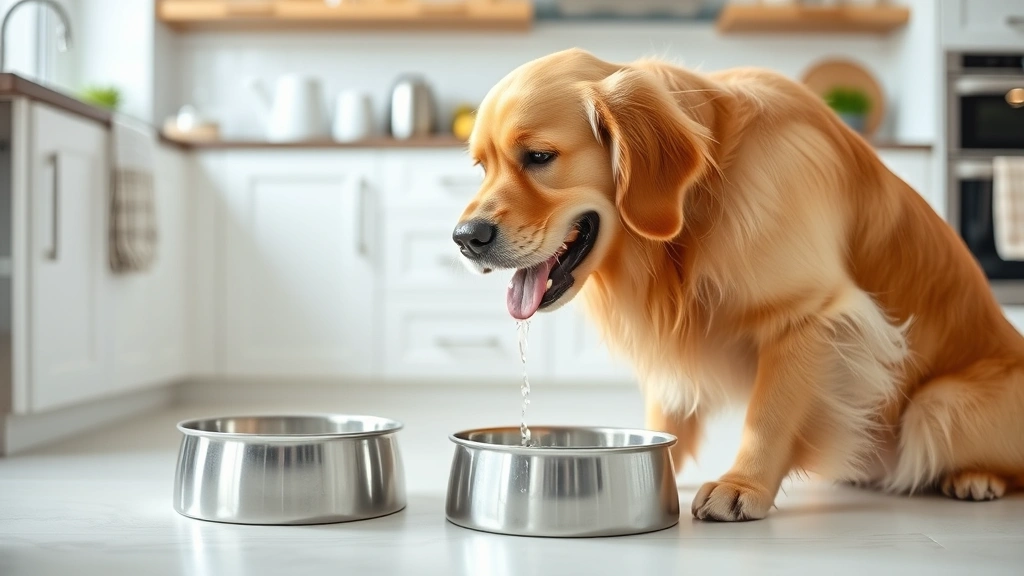
If you’re wondering how can I get my dog to drink water, you’re not alone—plenty of dog parents struggle with keeping their furry friends properly hydrated. Whether your pup is being stubborn, dealing with a health issue, or just isn’t interested in plain old H2O, dehydration in dogs is no joke. It can lead to serious health complications, organ damage, and a trip to the vet that nobody wants. The good news? There are practical, proven strategies to encourage your dog to drink more water and stay healthy.
Table of Contents
- Why Your Dog Might Not Be Drinking Enough Water
- Tip #1: Keep the Water Bowl Clean and Fresh
- Tip #2: Add Flavor Without the Guilt
- Tip #3: Experiment With Bowl Placement and Type
- Tip #4: Make Water a Game and a Reward
- Tip #5: Increase Water Intake Through Diet
- When Your Dog’s Drinking Problem Is a Health Issue
- Special Considerations for Senior Dogs and Puppies
- Hydration and Nutrition: Finding the Right Balance
- Frequently Asked Questions
- Summary: Getting Your Dog to Drink Water
Why Your Dog Might Not Be Drinking Enough Water
Before we dive into solutions for how to get your dog to drink more water, let’s understand why Fido might be avoiding the water bowl in the first place. Dogs have different hydration needs based on their age, size, activity level, and diet. Some dogs are just naturally less interested in water than others—yeah, they’re weird like that.
Common reasons your dog might not be drinking enough include stale or dirty water, water that’s too cold or too warm, stress or anxiety, illness, or simply because they’re getting moisture from their food. Senior dogs and puppies often need extra encouragement, and certain breeds are notoriously stubborn about hydration. If your dog suddenly stops drinking water, that’s a red flag worth discussing with your vet.

Tip #1: Keep the Water Bowl Clean and Fresh
This seems obvious, but you’d be surprised how many dog owners neglect this simple step. Dogs are picky little creatures, and stale water tastes gross to them just like it does to us. Change your dog’s water at least twice daily, and wash the bowl daily with hot soapy water. Some dogs prefer ceramic or stainless steel bowls over plastic, which can retain odors and bacteria.
Pro tip: If your pup is particularly finicky, try using filtered water. Some dogs genuinely prefer it, and it removes chlorine and other chemicals that might be turning them off. It’s a small investment that could make a huge difference in your dog’s hydration habits.

Tip #2: Add Flavor Without the Guilt
Who says water has to be boring? You can make water more appealing by adding low-sodium chicken broth, beef broth, or even a tiny splash of unsweetened apple juice. The key word here is “splash”—you’re not making a soup, just adding enough flavor to pique their interest.
Another option is to freeze low-sodium broth into ice cubes and add them to the water bowl. Dogs love the novelty, and it keeps the water cooler longer. Just make sure whatever you add is dog-safe and doesn’t contain onions, garlic, or excessive sodium. Your healthy pet treats philosophy should extend to their drinking water too.
Tip #3: Experiment With Bowl Placement and Type
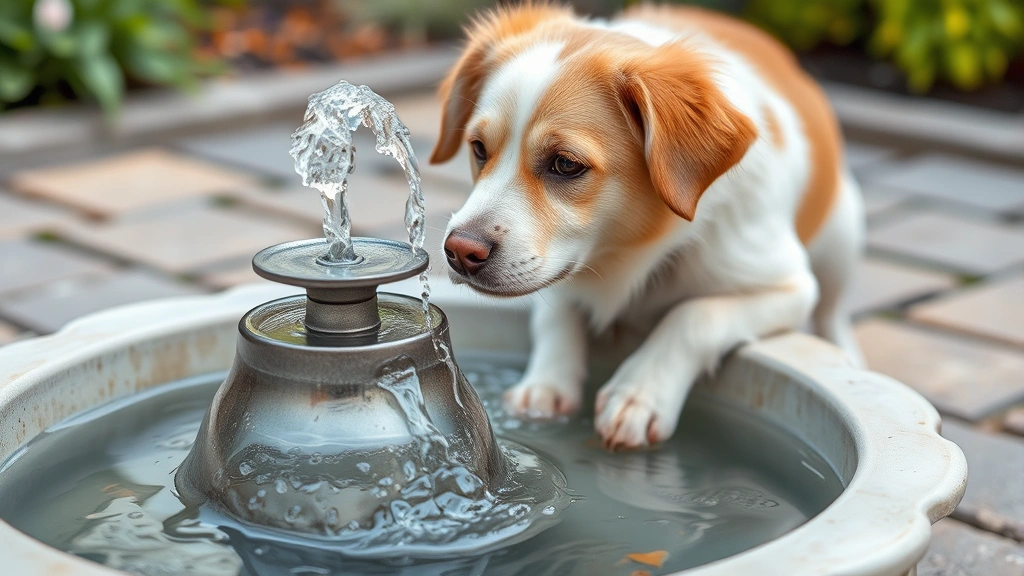
Location matters more than you’d think. Some dogs prefer their water bowl away from their food bowl—it’s a natural instinct dating back to their wolf ancestors who didn’t want to contaminate their water source with food debris. Try moving the bowl to a different room or area of your house.
The bowl itself matters too. Some dogs do better with elevated bowls, especially older dogs or large breeds with joint issues. Others prefer wide, shallow bowls over deep ones. Stainless steel and ceramic are generally better than plastic, which can harbor bacteria and sometimes impart a weird taste. Experiment until you find what your dog prefers—it’s like finding their perfect coffee mug.
Tip #4: Make Water a Game and a Reward
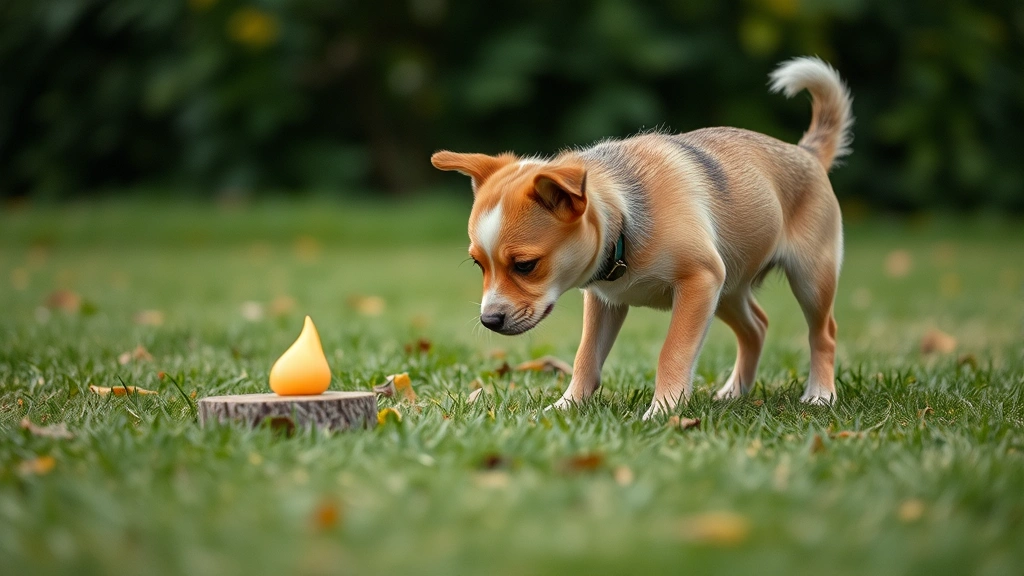
Dogs are motivated by play and praise. Try turning hydration into something fun. Use a water fountain—many dogs are fascinated by moving water and will drink more from a fountain than a static bowl. The flowing water is also fresher and more oxygenated, which some dogs genuinely prefer.
You can also reward your dog with praise and treats when they drink water. Yes, really. Positive reinforcement works wonders. Some owners even use clicker training—click when your dog drinks, then immediately give a reward. Over time, your dog associates drinking water with good things happening. It sounds silly, but it works. Your remote pet health monitoring system can help you track drinking habits too.

Tip #5: Increase Water Intake Through Diet
If your dog refuses to drink water directly, you can sneak hydration into their diet. Wet dog food has significantly more moisture than kibble—we’re talking 70-80% water content versus 10% in dry food. Mixing wet food with kibble or switching entirely to wet food can dramatically increase your dog’s water intake.
You can also add water or low-sodium broth directly to their kibble, creating a gravy-like consistency. Many dogs find this irresistible. Just be aware that this approach requires more frequent feeding since wet food spoils faster. Some owners also add water-rich foods like plain cooked pumpkin (not pie filling), green beans, or watermelon to their dog’s meals. Always check with your vet before making major dietary changes.

When Your Dog’s Drinking Problem Is a Health Issue
Sometimes, a dog not drinking water is a symptom of an underlying health problem. Dental disease, urinary tract infections, kidney disease, diabetes, and other conditions can all affect your dog’s drinking habits. If your dog suddenly decreases water intake or drinks excessively, schedule a vet visit immediately.
According to the American Kennel Club, changes in drinking behavior warrant professional evaluation. Don’t try to force hydration if your dog is sick—work with your veterinarian to address the root cause. Your vet might recommend convalescence foods from the kitchen or other supportive care while treating the underlying condition.
Special Considerations for Senior Dogs and Puppies
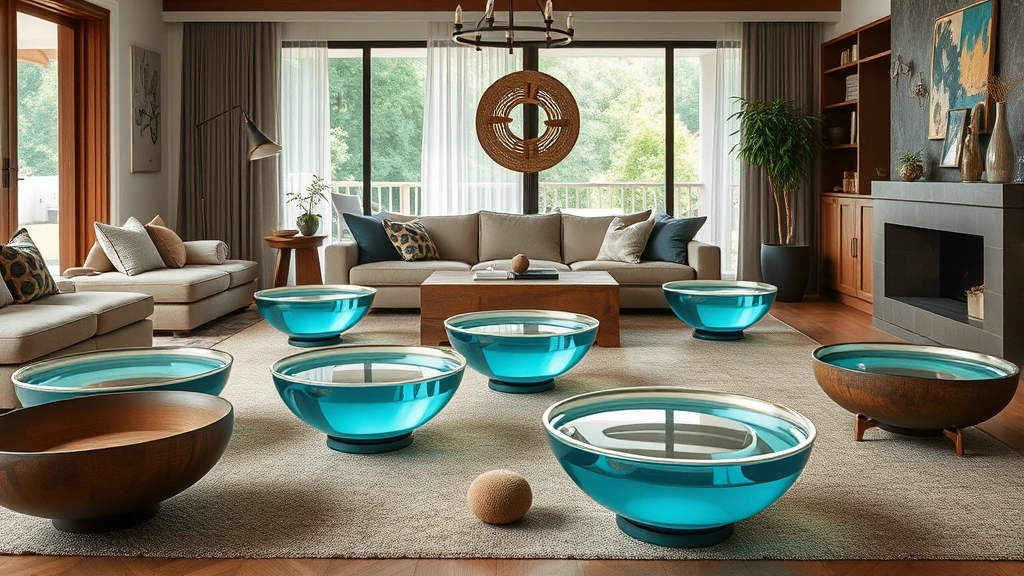
Senior dogs often have decreased thirst sensation and may forget to drink regularly. For older pups, place multiple water bowls throughout the house so they don’t have to travel far. Puppies, on the other hand, are usually little water-drinking machines, but they can dehydrate quickly because of their small size and high metabolism.
Both groups benefit from more frequent water bowl refreshes and possibly elevated bowls for easier access. Senior dogs especially appreciate warm water in winter—some older pups will drink more if the water isn’t ice cold. It’s all about making hydration convenient and comfortable for their life stage.

Hydration and Nutrition: Finding the Right Balance
Remember that hydration isn’t just about water—it’s part of your dog’s overall nutritional picture. When considering obesity and human food treats, keep in mind that certain foods can affect your dog’s hydration and electrolyte balance. High-sodium treats, for example, can actually increase thirst but aren’t ideal for long-term health.
Work with your veterinarian or a veterinary nutritionist to ensure your dog’s diet supports optimal hydration. Some dogs do better on raw diets with higher moisture content, while others thrive on quality kibble supplemented with wet food. There’s no one-size-fits-all answer—it depends on your individual dog’s needs, health status, and preferences.

Frequently Asked Questions
How much water should my dog drink daily?
The general rule is about 1 ounce of water per pound of body weight daily. So a 50-pound dog should drink around 50 ounces (roughly 6-7 cups) per day. However, this varies based on activity level, diet, climate, and health status. Dogs eating wet food naturally consume more water through their food.
Is it bad if my dog doesn’t drink water for a day?
It depends on the circumstances. If your dog is eating wet food or has access to water but just isn’t interested, it might be okay for a short period. However, if your dog refuses water for more than 24 hours, especially if they’re also not eating, contact your vet immediately. This could indicate dehydration or illness.

Can I give my dog tap water?
Yes, tap water is generally safe for dogs in most areas. However, if your tap water is heavily chlorinated or you have concerns about water quality, filtered water is a good alternative. Some dogs genuinely prefer filtered water, and it’s worth trying if your pup is reluctant to drink.
Do dogs need electrolytes like humans do?
Healthy dogs typically don’t need electrolyte supplements if they’re eating a balanced diet and drinking adequate water. However, dogs recovering from illness, dehydration, or excessive exercise might benefit from electrolyte solutions. Always consult your vet before giving your dog any supplements.
Why is my dog drinking less water in winter?
Dogs naturally drink less in cooler months because they lose less water through panting and evaporation. However, they still need adequate hydration. Indoor heating can actually increase dehydration risk in winter, so monitor your dog’s water intake closely during cold months and encourage drinking.
Summary: Getting Your Dog to Drink Water
Learning how can I get my dog to drink water involves a combination of strategies tailored to your individual pup. Start with the basics: keep the water clean and fresh, place bowls strategically, and consider adding flavor if needed. Experiment with different bowl types and placements until you find what works for your dog. Make hydration fun through water fountains and positive reinforcement, and don’t underestimate the power of increasing water content through diet.
Most importantly, pay attention to changes in your dog’s drinking habits. Sudden decreases in water intake can signal health problems that need professional attention. By staying proactive about your dog’s hydration and working closely with your veterinarian, you’ll help ensure your furry friend stays healthy, happy, and properly hydrated for years to come. Your dog might not thank you for it, but their kidneys definitely will.





