How Can I Help My Dog Poop? Vet-Approved Tips for Healthy Digestion
If you’re a dog parent, you’ve probably found yourself in situations where your furry friend just can’t seem to get things moving. Whether your pup is straining, anxious, or simply not going regularly, digestive issues can be stressful for both you and your four-legged companion. The good news? There are plenty of vet-approved strategies to help your dog maintain healthy bathroom habits and feel more comfortable.
Understanding your dog’s digestive system and what contributes to regular, healthy bowel movements is essential knowledge for any responsible pet owner. From diet adjustments to exercise routines, environmental factors to medical interventions, we’ll explore comprehensive solutions to help your dog poop with ease.
Let’s dive into the practical, evidence-based strategies that veterinarians recommend to keep your dog’s digestive system running smoothly.
Increase Your Dog’s Water Intake
Water is fundamental to healthy digestion, yet many dog owners don’t realize their pups aren’t drinking enough. Dehydration is one of the most common culprits behind constipation and irregular bowel movements in dogs. When your dog doesn’t drink sufficient water, their stool becomes dry and hard, making it difficult to pass.
The amount of water your dog needs depends on their size, age, activity level, and diet. Generally, dogs should drink about one ounce of water per pound of body weight daily. A 50-pound dog, for example, should consume approximately 50 ounces (about 1.5 liters) of water each day.
Here are practical ways to encourage hydration:
- Provide fresh, clean water in multiple locations throughout your home
- Use a dog water fountain—many dogs find moving water more appealing
- Add a splash of low-sodium broth to their water bowl for extra flavor
- Offer water-rich foods like watermelon, cucumbers, and green beans as treats
- Ensure water bowls are easily accessible and cleaned daily
- Monitor water intake during hot weather and after exercise
If your dog consistently refuses water or seems lethargic, contact your veterinarian. These could be signs of underlying health issues that need professional attention.
Make Strategic Dietary Changes
Your dog’s diet plays a crucial role in their digestive health. The food you choose directly impacts stool quality, consistency, and frequency. Many digestive issues stem from poor nutrition, sudden diet changes, or food sensitivities.
Quality matters significantly: High-quality dog foods with appropriate fiber content and digestible ingredients support optimal bowel function. Look for foods with named meat proteins as the first ingredient and minimal fillers. When you need guidance on what to feed your dog with specific digestive concerns, resources like our article on what to feed dog with diarrhea can provide detailed recommendations.

Transition gradually: Never switch your dog’s food abruptly. A sudden diet change can shock their digestive system and cause constipation or diarrhea. Instead, gradually introduce new food over 7-10 days, mixing increasing amounts of the new food with the old.
Consider these dietary adjustments:
- Add fiber: Fiber helps regulate bowel movements. Pumpkin puree (plain, not pie filling) is a popular, effective option. Our guide on can dogs eat pumpkin explains how to use this natural remedy safely
- Include probiotics: Beneficial bacteria support digestive health and regular bowel movements
- Adjust meal frequency: Splitting meals into smaller portions throughout the day can aid digestion
- Ensure adequate protein: Quality protein supports digestive function and overall health
- Limit treats: High-fat treats can disrupt digestion; keep treats to less than 10% of daily calories
According to the Association of American Feed Control Officials (AAFCO), dogs require specific nutritional standards. Ensure your dog’s food meets these guidelines.
Establish a Consistent Exercise Routine
Physical activity is a natural stimulant for bowel movements. Exercise increases intestinal muscle contractions and promotes healthy digestion. Dogs that don’t get enough movement often experience constipation and irregular bathroom habits.
Exercise benefits for digestion:
- Stimulates intestinal contractions that move stool through the colon
- Reduces stress and anxiety that can inhibit bowel movements
- Improves overall metabolic function
- Helps maintain healthy weight, which supports digestive efficiency
- Increases appetite and water intake
Most adult dogs need at least 30 minutes to 2 hours of exercise daily, depending on breed and age. High-energy breeds may need more, while senior dogs or those with health issues may need less. Walking is excellent, but varying activities keeps things interesting: fetch, swimming, agility training, or even hiking.
The best time to encourage bathroom breaks is often 15-30 minutes after exercise. This is when your dog’s digestive system is most active. Establish a routine where you take your dog for a walk or playtime, then immediately provide an opportunity to use the bathroom.
Create a Predictable Bathroom Schedule
Consistency is key to helping your dog develop regular bowel habits. Dogs thrive on routine, and establishing predictable bathroom times helps regulate their digestive system.

Optimal bathroom schedule strategy:
- First thing in the morning: Take your dog outside immediately after waking
- After meals: Most dogs need to go 15-30 minutes after eating. Feeding at consistent times means bathroom times become predictable
- Mid-day break: A midday walk or outdoor time helps prevent accidents and supports digestion
- After playtime: Exercise naturally stimulates bowel movements
- Before bedtime: A final bathroom break reduces nighttime accidents and ensures your dog starts the day with an empty system
Puppies and senior dogs may need more frequent breaks. Puppies typically need to go out every 2-3 hours, while senior dogs may need 3-4 times daily. If you’re dealing with specific constipation issues, our comprehensive guide on how to help constipated dog offers targeted advice for this particular concern.
Make bathroom time positive: Use the same command each time (like “go potty”), praise enthusiastically when your dog goes, and offer treats. This positive reinforcement strengthens the habit.
Consider Fiber and Supplements
Fiber is essential for healthy digestion and regular bowel movements. It absorbs water in the intestines, creating bulk that stimulates natural contractions and helps move stool through the digestive tract.
Natural fiber sources for dogs:
- Pumpkin puree: Start with 1-4 tablespoons daily, depending on dog size. It’s gentle and effective
- Sweet potato: Rich in fiber and easily digestible
- Green beans: Low-calorie, high-fiber option that most dogs enjoy
- Oats: Soluble fiber that aids digestion
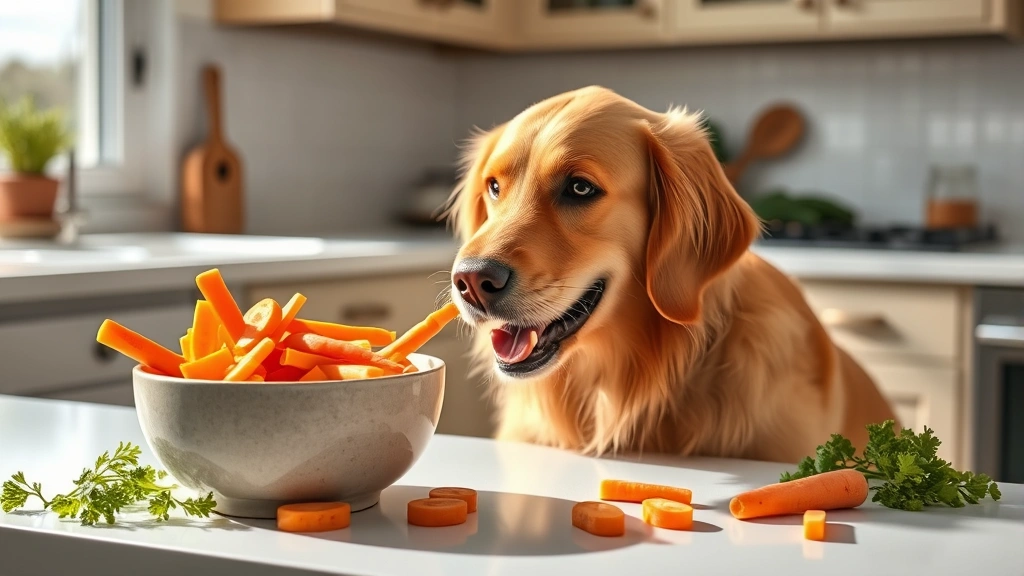
- Cooked carrots: Provide fiber and are gentle on the stomach
When considering supplements, always consult your veterinarian first. They can recommend appropriate products and dosages for your specific dog. Some popular digestive supplements include:
- Probiotics: Beneficial bacteria that support gut health and regular bowel movements
- Digestive enzymes: Help break down food and improve nutrient absorption
- Psyllium husk: A soluble fiber that can help regulate bowel movements (use cautiously and under veterinary guidance)
- Fish oil: Supports digestive health and can have mild laxative effects
The ASPCA recommends discussing any supplements with your vet before adding them to your dog’s routine, as some can interact with medications or underlying conditions.
Address Stress and Anxiety
Many dog owners don’t realize that stress and anxiety directly impact their dog’s ability to poop. Dogs with anxiety may hold their stool, leading to constipation, while stressed dogs might experience the opposite problem.
Common stress triggers affecting bowel health:
- Changes in environment or routine
- Loud noises (fireworks, thunderstorms)
- Separation from their owner
- New pets or people in the home
- Changes in their bathroom location or schedule
- Medical procedures or visits to the vet
Ways to reduce stress-related digestive issues:
- Maintain consistent daily routines
- Create a safe, quiet space where your dog feels secure
- Use calming supplements (consult your vet about options like L-theanine or CBD products)
- Practice relaxation techniques like massage or gentle petting
- Use anxiety wraps or calming music designed for dogs
- Ensure adequate playtime and mental stimulation
- Avoid sudden schedule changes when possible
If your dog’s anxiety is severe or persistent, your veterinarian might recommend working with a certified animal behaviorist or discussing anti-anxiety medication options.
Recognize Medical Conditions
Sometimes digestive issues indicate underlying health problems requiring professional intervention. Understanding when to seek veterinary care is crucial for your dog’s wellbeing.
Signs that warrant a vet visit:
- No bowel movement for more than 48 hours
- Straining or pain during defecation
- Hard, dry stools that are difficult to pass
- Loose, watery stools lasting more than 2-3 days
- Blood or mucus in stool
- Sudden changes in bowel habits
- Loss of appetite or lethargy
- Vomiting or abdominal distension
Common medical conditions affecting bowel movements include:
- Constipation: Can result from dehydration, low fiber, lack of exercise, or medical conditions. Our detailed article on how to help constipated dog provides comprehensive solutions
- Diarrhea: Often caused by dietary changes, food sensitivities, infections, or stress. Learn more about causes and solutions in our guide on why is my dog having diarrhea
- Irritable Bowel Syndrome (IBS): Chronic condition causing irregular bowel movements
- Anal gland issues: Can cause discomfort and irregular defecation
- Parasites: Internal parasites affect digestion and bowel health
- Megacolon: Enlarged colon that prevents normal bowel movements
For comprehensive strategies on managing various digestive concerns, our guide on how to stop dog diarrhea addresses one of the most common issues pet owners face. Additionally, if you’re looking for a complete overview of digestive support, our article on how to help a dog poop covers all the essential strategies veterinarians recommend.
Your veterinarian can perform diagnostic tests including blood work, fecal examinations, and imaging to identify underlying conditions. Early detection and treatment prevent complications and improve your dog’s quality of life.
The American Veterinary Medical Association (AVMA) emphasizes the importance of regular veterinary checkups for maintaining digestive health and catching problems early.
Frequently Asked Questions
How often should a healthy dog poop?
Most healthy adult dogs have 1-2 bowel movements daily, though some may go up to 3 times. Puppies typically go 4-5 times daily, while senior dogs may go 1-2 times. Consistency matters more than frequency—your dog’s normal routine is what’s important.
What if my dog hasn’t pooped in 24 hours?
While occasional delays happen, if your dog hasn’t gone in 24 hours, encourage exercise, increase water intake, and add fiber to their diet. If there’s no bowel movement after 48 hours, or if your dog seems uncomfortable, contact your veterinarian.
Can I give my dog a laxative?
Never give your dog a laxative without veterinary approval. Some human laxatives are toxic to dogs. Your vet can recommend safe, dog-appropriate options if needed. Miralax (polyethylene glycol) is sometimes recommended by vets, but dosage must be precise.
Is it normal for dogs to strain when pooping?
Mild straining occasionally is normal, but frequent or severe straining indicates a problem. This could indicate constipation, anal gland issues, or other medical concerns requiring veterinary evaluation.
How much pumpkin should I give my dog?
For most dogs, 1-4 tablespoons of plain pumpkin puree daily is effective. Small dogs (under 15 lbs) start with 1 tablespoon, medium dogs (15-30 lbs) get 2 tablespoons, and large dogs (over 30 lbs) can have 3-4 tablespoons. Always use plain pumpkin, not pie filling which contains sugar and spices.
Can food allergies cause bowel movement problems?
Yes, food sensitivities and allergies commonly cause constipation, diarrhea, or irregular bowel movements. Common triggers include chicken, beef, wheat, and dairy. If you suspect food allergies, work with your vet to identify and eliminate problematic ingredients.
What’s the difference between constipation and obstruction?
Constipation is difficulty passing stool, while obstruction is a blockage preventing any passage. Obstruction is a medical emergency requiring immediate veterinary attention. Signs include inability to defecate, vomiting, abdominal pain, and lethargy.
Does anxiety really affect my dog’s bathroom habits?
Absolutely. Anxiety causes muscle tension that can inhibit bowel movements. Some dogs won’t poop around strangers or in unfamiliar places. Creating a calm, consistent environment helps resolve anxiety-related digestive issues.