

So your pup’s been scratching like they’re auditioning for a flea circus, and you’re wondering how can you get rid of mange on a dog? Welcome to the club—mange is one of those skin conditions that’ll make any dog owner want to tear their hair out (hopefully not literally). But here’s the good news: mange is totally treatable, and with the right approach, your furry friend can be back to their normal, non-itchy self in no time.
Table of Contents
- Understanding Mange: What You’re Really Dealing With
- Method 1: Prescription Medications and Topical Treatments
- Method 2: Medicated Baths and Dips
- Method 3: Nutritional Support and Immune Boosting
- Method 4: Environmental Cleaning and Isolation
- Method 5: Holistic and Natural Complementary Treatments
- The Importance of Veterinary Diagnosis
- Timeline and Patience: When Will Your Dog Feel Better?
- Prevention: Never Deal With This Again
- Frequently Asked Questions
- Summary: Your Action Plan for Mange-Free Living
Understanding Mange: What You’re Really Dealing With
Before we dive into the solutions, let’s talk about what mange actually is. Mange is a skin condition caused by microscopic mites that burrow into your dog’s skin or live in their hair follicles. There are two main types: sarcoptic mange (the contagious troublemaker) and demodectic mange (the less aggressive cousin). Both are annoying, but they’re handled differently, so knowing which one you’re dealing with is crucial.
Sarcoptic mange spreads faster than gossip at a dog park and can even jump to humans (though it usually doesn’t stick around). Demodectic mange, on the other hand, is usually triggered by a weakened immune system and isn’t as contagious. Either way, your dog’s going to be uncomfortable, and your job is to help them feel better.
Method 1: Prescription Medications and Topical Treatments
This is where the heavy artillery comes in. Your vet will likely prescribe medications specifically designed to obliterate those mites. The most common options include ivermectin injections, oral medications like NexGard or Simparica, or topical treatments such as Revolution or Advantage. These aren’t your grandmother’s flea treatments—they’re specifically formulated to target mites at different life stages.
Topical treatments are applied directly to your dog’s skin (usually between the shoulder blades where they can’t lick it off), and they work by creating an inhospitable environment for mites. Oral medications work systemically, meaning they circulate through your dog’s bloodstream and make their skin unpalatable to parasites. Your vet will determine which option is best based on your dog’s age, weight, and overall health. Don’t skip the vet visit—trying to self-diagnose and treat mange is like trying to perform surgery on yourself with a butter knife.
Method 2: Medicated Baths and Dips
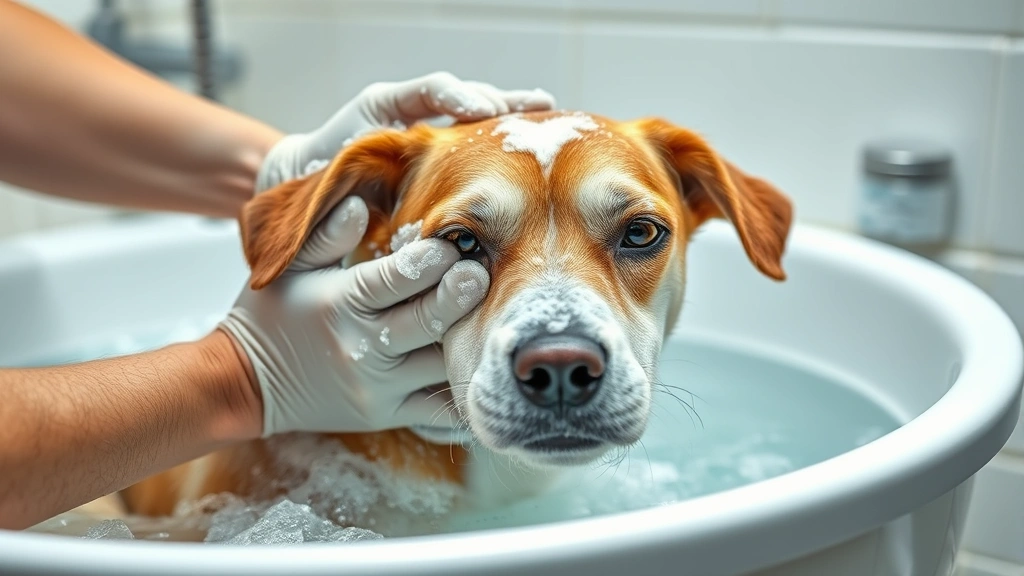
If you want to get hands-on (literally), medicated baths are a fantastic complementary treatment. Benzoyl peroxide or sulfur-based shampoos can help kill mites and soothe inflamed skin. The key is consistency—you’ll typically need to bathe your dog 2-3 times per week for several weeks. Yes, it’s a commitment, but your dog will thank you.
Some vets recommend lime sulfur dips, which are more intensive than regular baths. These dips smell like rotten eggs (seriously, warn your family), but they’re incredibly effective. The process involves thoroughly wetting your dog’s entire body with the solution and letting it sit for 10-15 minutes before rinsing. It’s not glamorous, but it works. Just wear gloves and maybe open a window—or three.
Method 3: Nutritional Support and Immune Boosting
A strong immune system is your dog’s best defense against mites. This is where diet becomes your secret weapon. Skin and coat health foods rich in omega-3 and omega-6 fatty acids can significantly improve skin barrier function and reduce inflammation. Fish oil supplements, coconut oil, and foods with high-quality proteins support skin healing from the inside out.
Anti-inflammatory foods for pets are also crucial during treatment. Chronic scratching and mite damage create inflammation, so incorporating foods like sweet potatoes, blueberries, and lean proteins helps your dog’s body fight back. Meanwhile, what not to feed your dog during this period includes anything that might suppress immune function or trigger allergies. Skip the cheap fillers and grain-heavy kibbles—your dog needs premium fuel to heal.
Method 4: Environmental Cleaning and Isolation
Here’s something people often overlook: mites love dirty bedding and contaminated environments. Wash your dog’s bedding, blankets, and toys in hot water weekly. Vacuum your home thoroughly, especially areas where your dog spends the most time. If you have multiple pets, isolate the affected dog temporarily to prevent cross-contamination (yes, even demodectic mange can spread under certain conditions).
Sarcoptic mange is particularly sneaky—mites can survive on surfaces for several days, so treat your home like it’s hosting an unwanted mite convention. Consider using pet-safe disinfectants on hard surfaces, and don’t let your pup share toys or bedding with other animals until they’re completely cleared by your vet.
Method 5: Holistic and Natural Complementary Treatments
While prescription treatments are the foundation of mange management, some natural remedies can support the healing process. Apple cider vinegar baths (diluted properly) may help balance skin pH, though they won’t cure mange on their own. Aloe vera gel can soothe irritated skin, and honey has mild antimicrobial properties. Neem oil is another option that some pet owners swear by, though evidence is mixed.
Here’s the reality check: these natural treatments work best as sidekicks to your vet’s prescribed medications, not replacements. Think of them as the Robin to your vet’s Batman. They can reduce itching and support skin healing, but they won’t eliminate mites entirely. If you’re considering antibiotic ointment on dogs, talk to your vet first—secondary infections from excessive scratching are common, and you want to address those appropriately.
The Importance of Veterinary Diagnosis
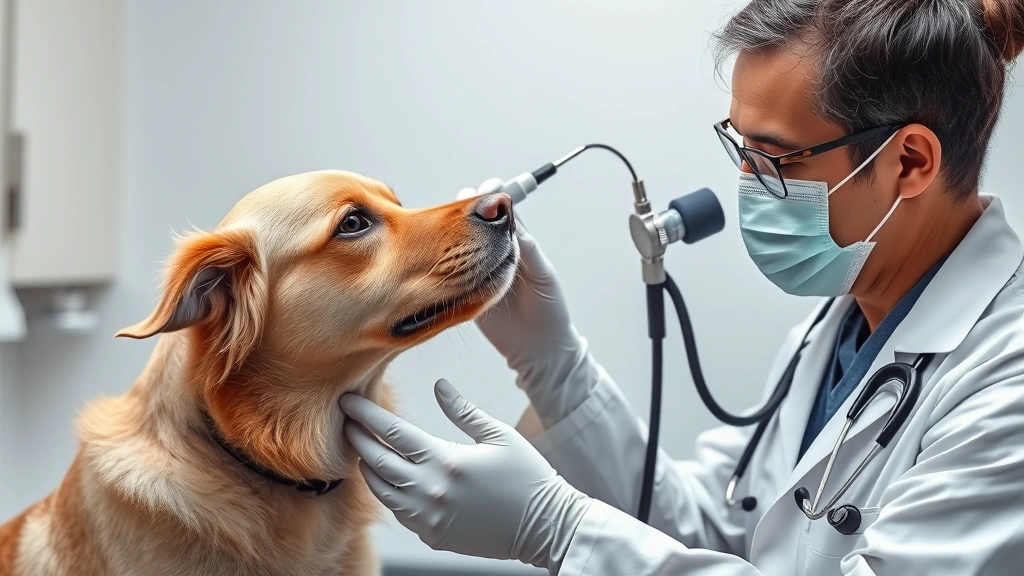
Let’s be real: you can’t know you’re dealing with mange without a vet’s confirmation. Mange mimics allergies, dry skin, and other conditions, and misdiagnosing it will waste time and money. Your vet can perform a skin scraping or fungal culture to identify the exact culprit. This isn’t optional—it’s the foundation of effective treatment. A quick vet visit now beats weeks of guessing games later.
Timeline and Patience: When Will Your Dog Feel Better?
Here’s what you need to know: mange treatment isn’t a quick fix. Sarcoptic mange typically improves within 2-4 weeks with consistent treatment, but you might need to continue for 6-8 weeks to ensure complete eradication. Demodectic mange can take even longer, sometimes 8-12 weeks or more, especially in severe cases. Your dog might still itch for a bit even as the mites die off, so patience is essential.
Keep up with vet appointments and follow-up skin scrapings to confirm the mites are actually gone. Stopping treatment too early is a common mistake that leads to reinfestation. Finish the full course, even if your dog looks better—those stubborn mites are crafty little survivors.
Prevention: Never Deal With This Again
Once your dog’s mange is history, keep it that way. Maintain good hygiene, keep your dog’s immune system strong through quality nutrition and exercise, and stay on top of regular vet checkups. Dogs with demodectic mange may have a genetic predisposition, so breeding isn’t recommended. For sarcoptic mange, prevention involves minimizing exposure to infected animals and keeping your home clean.
Regular grooming also helps you catch skin issues early. You’ll notice abnormal scratching, hair loss, or skin redness way faster if you’re actually looking at your dog’s skin regularly. Plus, your dog gets the bonus of a spa day, which is win-win.
Frequently Asked Questions
Can dogs get mange from other dogs?
Sarcoptic mange is highly contagious between dogs, so yes, absolutely. Demodectic mange is less contagious but can still spread under certain conditions. Keep an infected dog away from other pets until your vet gives the all-clear.
Is mange contagious to humans?
Sarcoptic mange can cause temporary itching in humans, but it won’t establish a full infection like it does in dogs. You might get a few irritated bumps, but they’ll clear up on their own. Demodectic mange won’t affect humans at all. Still, practice good hygiene during treatment.
How much does mange treatment cost?
Costs vary widely depending on treatment type and severity. Expect anywhere from $200-$1,000+ for a full course of treatment, including vet visits, medications, and medicated baths. It’s an investment, but it beats months of an uncomfortable, itchy dog.
Can I treat mange at home without a vet?
Not effectively. While home remedies can support treatment, they can’t cure mange alone. Skipping the vet will likely waste time and money while your dog suffers. Get professional help—it’s worth it.
What if treatment isn’t working?
If your dog isn’t improving after 4-6 weeks of consistent treatment, return to your vet. You might be dealing with a different condition, a resistant mite strain, or your dog might need a different medication. Don’t just keep doing the same thing and hoping for different results.
Summary: Your Action Plan for Mange-Free Living
Getting rid of mange on your dog requires a multi-pronged approach: prescription medications from your vet (the foundation), medicated baths for direct mite elimination, nutritional support to boost immune function, environmental cleaning to prevent reinfestation, and possibly some natural complementary treatments. The process takes patience—usually 6-12 weeks—but it works when you stick with it.
Your first step is booking a vet appointment for proper diagnosis. Your second step is following your vet’s treatment plan religiously. Your third step is maintaining good hygiene and nutrition to prevent future issues. Do these things, and your dog will be back to their normal, scratch-free self before you know it. Mange is annoying, but it’s absolutely manageable with the right approach and a little persistence.





