

How to Help a Constipated Dog: Vet-Approved Tips
If your furry friend hasn’t had a bowel movement in a couple of days, you’re probably starting to worry. Constipation in dogs is more common than you might think, and while it’s usually not an emergency, it definitely deserves your attention. A constipated pup can be uncomfortable, cranky, and frankly, a bit of a mystery to decode. The good news? There are plenty of proven strategies to get things moving again and keep your dog’s digestive system running smoothly.
Whether your dog is a senior citizen slowing down with age, a couch potato who needs more exercise, or simply dealing with dietary changes, constipation is something most dog owners will face at some point. Understanding the causes and knowing how to respond can save you a stressful trip to the emergency vet and help your pup feel better fast.
In this comprehensive guide, we’ll walk you through everything you need to know about canine constipation, from recognizing the warning signs to implementing practical, vet-approved solutions that actually work.
Signs Your Dog Is Constipated
Recognizing constipation early is your first line of defense. The most obvious sign is a lack of bowel movements—if your dog hasn’t pooped in 48-72 hours, that’s a red flag. But constipation isn’t always that straightforward. Keep an eye out for these telltale indicators:
- Straining during bathroom breaks: Your dog may spend extra time in the yard or assume the position repeatedly without producing results
- Hard, dry stools: When your pup finally does go, the stool may be small, hard, or pebble-like
- Decreased appetite: A backed-up digestive system can make dogs lose interest in food
- Lethargy: Your normally energetic companion might seem sluggish or uncomfortable
- Abdominal discomfort: Whining, restlessness, or a tucked posture can indicate belly pain
- Scooting: Dragging their rear end on the ground might indicate discomfort
Some dogs will also show behavioral changes like increased irritability or reluctance to play. Pay attention to your dog’s normal routine—you know them best, and any deviation from their usual bathroom habits warrants investigation.
Common Causes of Dog Constipation
Understanding why your dog is constipated is crucial for finding the right solution. Constipation typically stems from one or more of these common culprits:
Dietary Issues: A diet lacking in fiber is one of the biggest reasons dogs get constipated. Additionally, low-quality dog foods with excessive fillers can cause digestive sluggishness. If you’ve recently changed your dog’s food without a gradual transition, that could be the problem. Concerns about how much food you should feed your dog might also play a role—overfeeding can contribute to digestive issues.
Dehydration: Insufficient water intake is a prime suspect in constipation cases. Dogs who don’t drink enough water absorb excess moisture from their stool, making it harder and more difficult to pass. This is especially common during hot weather or in dogs who simply don’t drink enough.
Lack of Exercise: Sedentary dogs are constipation-prone dogs. Movement stimulates the digestive system and encourages bowel movements. Older dogs or those with mobility issues are particularly vulnerable to this problem.
Medications: Certain medications, particularly opioids and some antihistamines, can slow intestinal motility. If your dog started a new medication right before the constipation began, that’s likely your culprit.
Underlying Health Conditions: Hypothyroidism, anal gland problems, orthopedic issues, and neurological disorders can all contribute to constipation. Megacolon, a condition where the colon becomes abnormally enlarged, is another serious possibility.
Age: Senior dogs often experience constipation due to decreased mobility, slower metabolism, and age-related health changes.
Foreign Objects: Dogs sometimes ingest things they shouldn’t—hair, bones, toys, or other indigestible materials can cause blockages leading to constipation or more serious complications.
Home Remedies and Natural Solutions
Before you panic and rush to the vet, try these vet-approved home remedies that often provide relief:
Increase Water Intake: The simplest solution is often the best. Ensure your dog always has access to fresh, clean water. Some dogs respond well to having water added to their kibble, creating a soupy consistency that increases overall water consumption. You might also try offering bone broth (unsalted and without onions or garlic) as an enticing, hydrating treat.
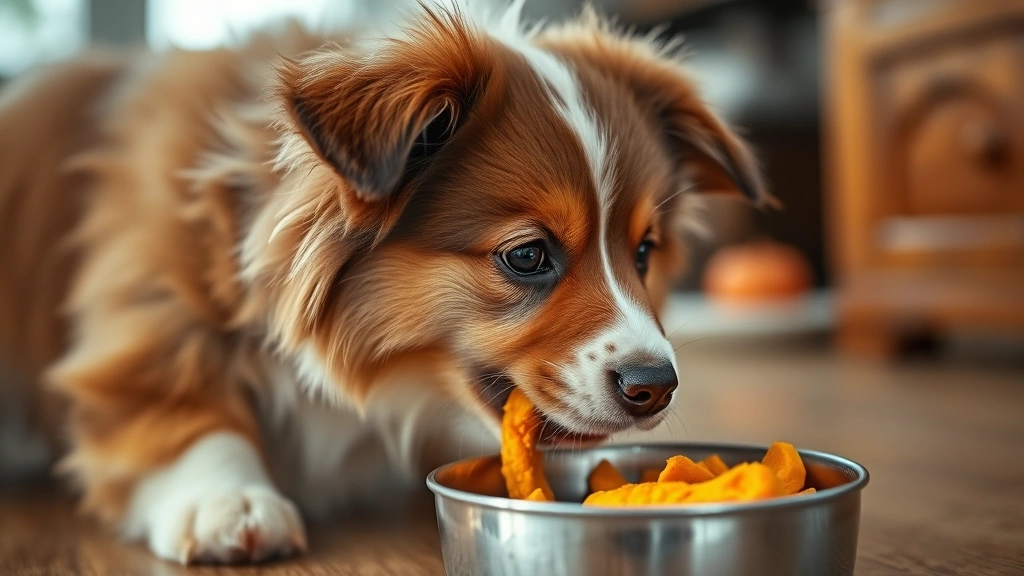
Add Fiber to Their Diet: Pumpkin is a constipation-fighting superstar. Can dogs eat pumpkin? Absolutely! Plain canned pumpkin (not pie filling) is packed with fiber and moisture. Most vets recommend one to four tablespoons depending on your dog’s size. Similarly, can dogs eat sweet potato? Yes, and it’s another excellent fiber-rich option.
Probiotics and Digestive Enzymes: These supplements can help regulate your dog’s digestive system and promote healthy gut bacteria. Look for products specifically formulated for dogs, and consult your vet about proper dosing.
Olive Oil or Coconut Oil: A small amount of plain olive oil mixed into food can act as a natural lubricant for the digestive tract. Start with just half a teaspoon for small dogs and a teaspoon for larger breeds. Don’t overdo it, as excessive oil can cause diarrhea.
Gentle Abdominal Massage: Slow, circular motions on your dog’s belly in a clockwise direction can stimulate bowel movements. This is especially soothing for anxious dogs and can be done while they’re relaxing.
Dietary Adjustments That Help
Sometimes constipation is a sign that your dog’s diet needs tweaking. Here’s what you should know:
Transition Foods Gradually: If you’re switching to a new food, do it slowly over 7-10 days, mixing increasing amounts of the new food with the old. Abrupt dietary changes can disrupt the digestive system and cause both constipation and diarrhea. For guidance on overall nutrition, check out our article on how much food should you feed your dog.
Choose High-Quality, High-Fiber Foods: Look for dog foods with adequate fiber content. Whole grains like brown rice, oats, and barley, along with vegetables, support healthy digestion. Quality matters—premium foods tend to be more digestible and cause fewer issues than budget brands.
Incorporate Wet Food: Canned dog food contains more moisture than kibble, which helps with hydration and can ease constipation. You don’t necessarily need to switch entirely; mixing wet and dry food can provide the best of both worlds.
Add Digestive-Friendly Vegetables: Plain, cooked vegetables like green beans, carrots, and broccoli are safe and beneficial for dogs. They add fiber and moisture to meals. Always introduce new foods gradually and in moderation.
Avoid Common Constipation Triggers: Bone meal, excessive rice, and low-quality fillers can all contribute to constipation. Check your dog’s food labels and discuss ingredient quality with your vet.
The Role of Exercise and Movement
You’d be surprised how much impact physical activity has on your dog’s digestive health. Exercise stimulates intestinal contractions and helps move stool through the system more efficiently.
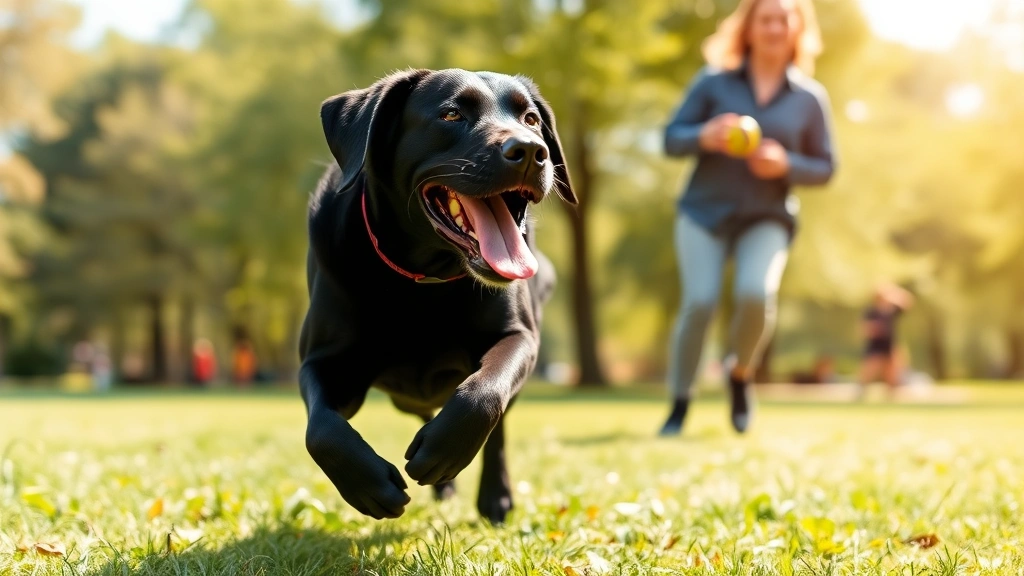
Increase Daily Activity: If your dog has been relatively sedentary, gradually increase their exercise. Extra walks, playtime, or swimming can work wonders. Even 15-20 minutes of additional movement daily can make a significant difference.
Encourage Natural Behaviors: Dogs who dig, play fetch, or engage in other active games are more likely to have healthy bowel movements. Interactive toys and games aren’t just fun—they’re therapeutic.
Consider Your Dog’s Age and Health: Senior dogs or those with joint issues may need gentler movement options. Short, frequent walks are often better than one long hike. Swimming is an excellent low-impact exercise for dogs with arthritis or mobility concerns.
Post-Meal Activity: Taking your dog for a walk shortly after meals naturally encourages bowel movements. This routine can be incredibly effective and helps establish a predictable bathroom schedule.
When to Call Your Veterinarian
While many cases of constipation resolve with home care, some situations require professional veterinary attention. Contact your vet if:
- Your dog hasn’t had a bowel movement in more than 72 hours
- They show signs of severe abdominal pain or distress
- There’s blood in the stool or vomiting
- They seem lethargic or refuse to eat for more than 24 hours
- Home remedies haven’t improved the situation after 2-3 days
- Your dog is a senior or has pre-existing health conditions
- You suspect they’ve ingested a foreign object
Your veterinarian might perform an abdominal exam, take X-rays, or run blood work to rule out serious underlying conditions. They may also recommend professional treatments like enemas or prescription medications. In some cases, constipation could indicate something more serious like why your dog is throwing up or other digestive distress, so professional evaluation is important.
It’s also worth noting that chronic constipation can sometimes be a symptom of the opposite problem—how to stop dog diarrhea is equally important to understand, as some dogs alternate between both conditions.
Prevention Strategies for the Future
Once you’ve helped your dog overcome constipation, focus on keeping it from happening again:
Maintain Consistent Routines: Dogs thrive on predictability. Establish regular feeding times, exercise schedules, and bathroom breaks. This helps regulate their digestive system naturally.
Ensure Adequate Hydration: Make fresh water constantly available. Consider multiple water bowls throughout your home and refresh them frequently. Some dogs prefer running water, so a dog water fountain might encourage drinking.
Provide Balanced Nutrition: Choose high-quality dog food with appropriate fiber levels. Discuss your dog’s specific nutritional needs with your vet, especially if they have pre-existing conditions.
Regular Exercise: Make daily walks and playtime non-negotiable. Even on busy days, ensure your dog gets adequate movement.
Monitor Medication Side Effects: If your dog is on medications that can cause constipation, discuss preventative measures with your vet. They might recommend dietary adjustments or supplements.
Regular Vet Check-ups: Routine veterinary care can catch underlying issues before they become problems. Discuss digestive health during your annual visits, especially for senior dogs.
Avoid Risky Behaviors: Prevent your dog from eating bones, toys, or other indigestible items. Supervise outdoor time and keep your home free of choking hazards.
Watch for Environmental Changes: Travel, stress, and weather changes can affect digestion. Be extra vigilant about hydration and exercise during these times.
Frequently Asked Questions
How long can a dog go without pooping before it’s an emergency?
While every dog is different, most vets consider 48-72 hours without a bowel movement concerning. If your dog hasn’t pooped in three days and shows signs of distress, contact your veterinarian immediately. However, don’t wait if your dog shows severe symptoms like vomiting, extreme lethargy, or apparent pain.
Is pumpkin really effective for dog constipation?
Yes! According to the American Kennel Club, pumpkin is one of the most recommended home remedies for constipation. Its high fiber and moisture content make it genuinely effective. Plain canned pumpkin works best—avoid pumpkin pie filling which contains added sugars and spices.
Can I give my dog a laxative?
Only under veterinary guidance. While some over-the-counter laxatives are dog-safe, others can be harmful. Never give your dog a human laxative without explicit veterinary approval. Your vet can recommend appropriate options based on your dog’s specific situation.
What’s the difference between constipation and blockage?
Constipation is when your dog has difficulty passing stool. A blockage occurs when something physically prevents stool or other material from passing through the intestines. Blockages are emergencies requiring immediate veterinary care. Signs include persistent vomiting, severe abdominal pain, and complete inability to defecate.
Can stress cause constipation in dogs?
Absolutely. Just like in humans, stress and anxiety can affect a dog’s digestive system. Changes in routine, new environments, or household tension can trigger constipation. Keeping your dog calm and maintaining consistent routines helps prevent stress-related digestive issues.
How much pumpkin should I give my constipated dog?
The general recommendation is one to four tablespoons daily, depending on your dog’s size. Small dogs typically get one tablespoon, medium dogs two tablespoons, and large dogs three to four tablespoons. Always introduce pumpkin gradually and consult your vet for your dog’s specific needs.
Is there a connection between constipation and other digestive issues?
Yes. Some dogs experience alternating constipation and diarrhea, which can indicate underlying digestive sensitivity or dietary issues. Understanding how to manage both is valuable. Our guides on addressing these issues separately can help you develop a comprehensive approach to your dog’s digestive health.
Should I be concerned about my senior dog’s constipation?
Senior dogs are more prone to constipation, but it shouldn’t be ignored. Age-related constipation often responds well to increased water, fiber, and exercise, but it can also indicate underlying health issues like hypothyroidism. Your senior dog deserves a thorough veterinary evaluation to rule out serious conditions.





