
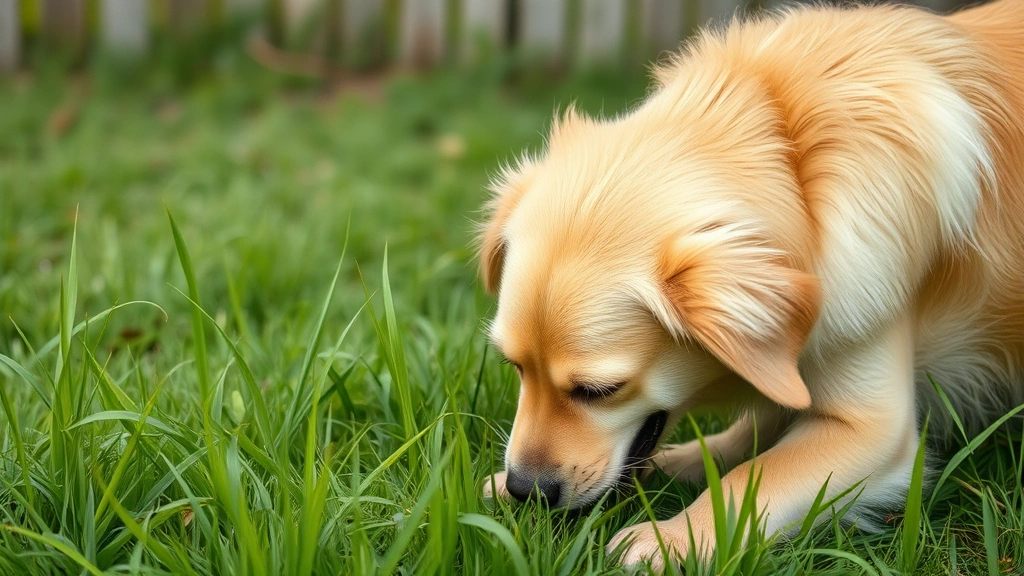
How to Help a Constipated Dog: Vet-Approved Tips
If your furry best friend hasn’t had a bowel movement in a couple of days, you might be starting to worry. Canine constipation is more common than you’d think, and while it’s usually not an emergency, it definitely deserves your attention. A constipated dog can be uncomfortable, irritable, and downright miserable—and let’s face it, nobody wants to see their pup suffering. The good news? There are plenty of vet-approved strategies you can implement right at home to get your dog’s digestive system back on track.
Constipation in dogs can happen for various reasons, from dietary issues to lack of exercise or even something more serious lurking beneath the surface. The key is understanding what’s causing the problem so you can address it effectively. In this comprehensive guide, we’ll walk you through everything you need to know about helping a constipated dog, including practical solutions, when to call your vet, and how to prevent constipation from becoming a recurring issue.
Whether your pup is a senior dog prone to digestive issues or a young pup who ate something they shouldn’t have, you’ll find actionable advice here that actually works. Let’s dive in and get your furry friend feeling better!
Signs Your Dog Is Constipated
Before you can help your dog, you need to know if constipation is actually the problem. Dogs typically have a bowel movement once or twice daily, though some healthy dogs may go every other day. If your dog hasn’t pooped in more than 48 hours, that’s usually a sign something’s amiss.
Watch for these telltale signs that your pup might be constipated:
- Straining during bathroom breaks – Your dog may squat repeatedly without producing results, or seem to be in discomfort
- Dry, hard stools – When your dog does go, the stool might be small, dry, or pellet-like
- Loss of appetite – A constipated dog often won’t feel like eating
- Lethargy and discomfort – Your pup might seem less playful and more withdrawn
- Abdominal bloating – You might notice their belly looks or feels distended
- Scooting or excessive licking – While often associated with anal gland issues, this can also indicate constipation
- Vomiting – In severe cases, a backed-up digestive system can trigger nausea
If you notice any combination of these symptoms, it’s time to take action. The sooner you address constipation, the faster your dog will feel better.
Common Causes of Dog Constipation
Understanding why your dog is constipated is crucial for finding the right solution. Constipation doesn’t just happen randomly—something is usually triggering it. Here are the most common culprits:
Dietary Issues: This is often the biggest offender. Insufficient fiber intake, low-quality dog food, or sudden diet changes can all contribute to constipation. If you’ve recently switched your dog’s food without a gradual transition, that could be the problem. Additionally, feeding your dog the right amount of food is important—overfeeding can actually cause digestive issues.
Dehydration: Dogs need plenty of fresh water throughout the day. If your pup isn’t drinking enough, their stool becomes harder and more difficult to pass. This is especially common during hot weather or if your dog doesn’t have constant access to water.
Lack of Exercise: Movement stimulates the digestive system. A sedentary dog is more prone to constipation. Senior dogs or those recovering from illness might struggle with this, which is why gentle activity is so important.
Ingested Foreign Objects: Dogs are notorious for eating things they shouldn’t. Hair, toys, bones, or other non-food items can create blockages or slow down digestion significantly.
Medications: Certain medications, particularly opioids and some anti-diarrheal drugs, can cause constipation as a side effect. If your dog recently started new medication, check with your vet.
Age and Health Conditions: Senior dogs are more prone to constipation due to decreased muscle tone and slower metabolism. Conditions like hypothyroidism, anal gland problems, or neurological issues can also be underlying causes.
Stress and Anxiety: Just like humans, dogs can experience digestive upset when stressed. Changes in environment, new pets, or household disruptions can affect your dog’s bowel movements.
Home Remedies and Natural Solutions
Once you’ve identified that your dog is constipated, there are several safe, natural remedies you can try at home. Most of these work within 24-48 hours, though some may take longer depending on the severity.
Increase Water Intake: This is often the simplest and most effective solution. Encourage your dog to drink more water by providing fresh water throughout the day, adding water to their food, or offering low-sodium broth (beef or chicken, with no onions or garlic). Some dogs prefer running water, so a dog water fountain might help.
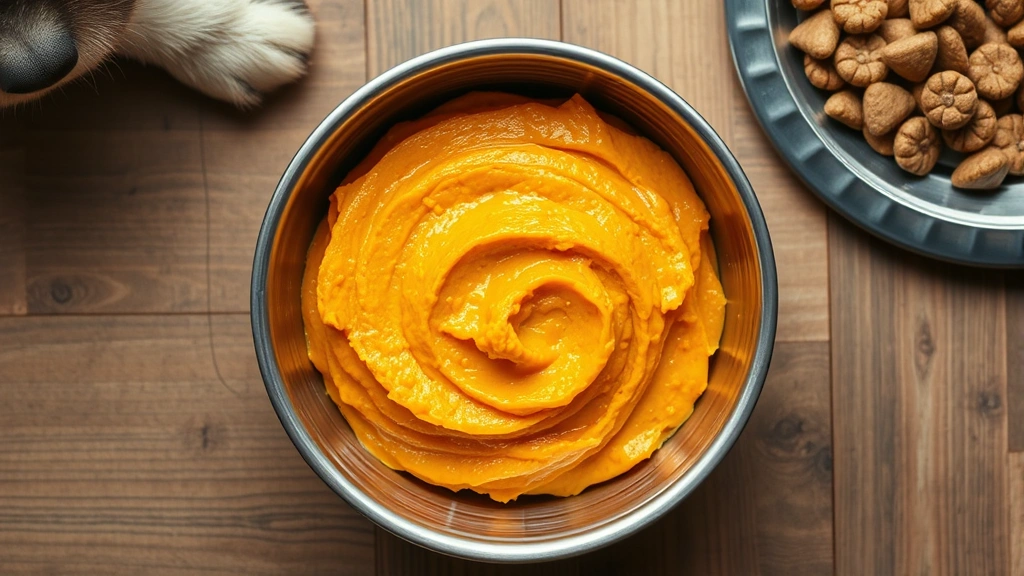
Add Fiber to Their Diet: One of the most popular and effective remedies is using pumpkin for constipation. Plain, canned pumpkin (not pie filling) is packed with fiber and helps regulate digestion. Most vets recommend 1-4 tablespoons daily depending on your dog’s size. You can also try sweet potato as a fiber source, which offers similar benefits.
Olive Oil or Coconut Oil: A small amount of olive oil or coconut oil can act as a natural lubricant for your dog’s digestive system. Try adding a teaspoon to their food (adjust for larger dogs). This often helps move things along naturally.
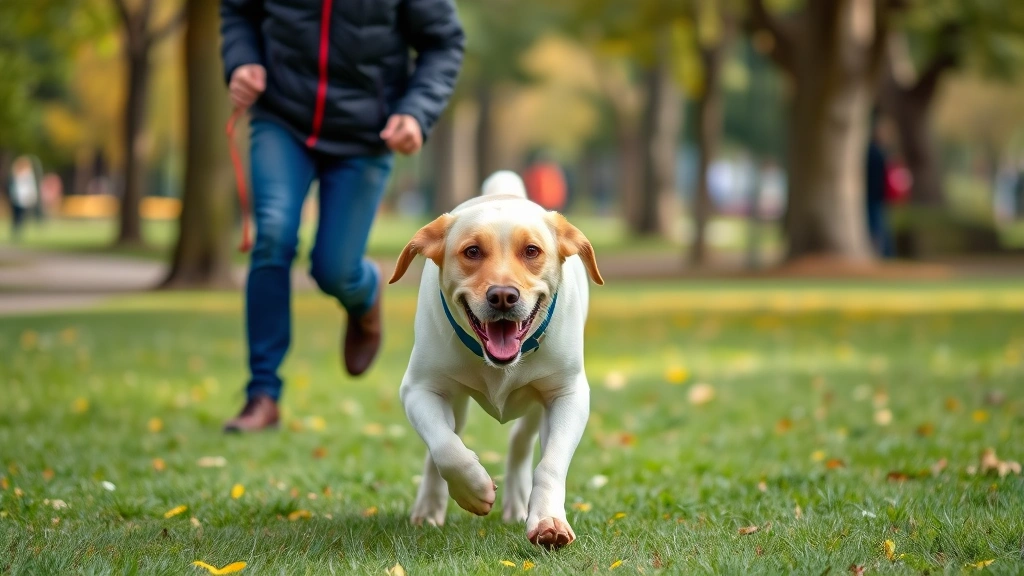
Increase Exercise: Even gentle movement helps stimulate the bowels. Take your dog for more frequent walks, engage in light play, or try swimming if available. Even 10-15 minutes of activity can make a difference.
Probiotics: These beneficial bacteria support healthy digestion. Dog-specific probiotics can help restore balance to your pup’s gut and improve overall digestive function. Look for products specifically formulated for canines.
Bone Broth: Plain, unsalted bone broth (without onions or garlic) can help with hydration while providing nutrients. Many dogs find it palatable and it encourages water intake.
Dietary Adjustments That Help
Sometimes, the key to solving your dog’s constipation problem is making strategic dietary changes. These adjustments address the root cause rather than just treating symptoms.
Gradual Diet Changes: If you’re switching dog foods, always do it gradually over 7-10 days. Mix increasing amounts of the new food with the old food to allow your dog’s digestive system to adjust. Sudden changes are a common cause of constipation.
Choose High-Quality Food: Look for dog foods with adequate fiber content and quality ingredients. Cheap, filler-heavy foods can contribute to digestive issues. Consider foods with whole grains, vegetables, and quality protein sources.
Portion Control: Feeding your dog the appropriate amount of food prevents overfeeding, which can slow digestion. Check feeding guidelines on your food bag and adjust for your individual dog’s needs.
Add Vegetables: Dog-safe vegetables like pumpkin, sweet potato, carrots, and green beans add fiber naturally. You can mix small amounts into their regular food. Just ensure any vegetables are plain and unseasoned.
Consider Raw or Home-Cooked Diets: Some owners find that raw or lightly cooked diets with whole ingredients help their dogs’ digestion. However, consult your vet before making such significant dietary changes to ensure nutritional balance.
Avoid Problem Foods: Certain foods can exacerbate constipation. Avoid excess rice, bread, and dairy products, which can be binding. If your dog is prone to digestive issues like diarrhea, you’ll want to be especially careful about diet.
When to Call Your Veterinarian
While most cases of dog constipation can be managed at home, there are situations where professional veterinary care is essential. Don’t hesitate to contact your vet if:
- Your dog hasn’t had a bowel movement in more than 48-72 hours despite home remedies
- Your dog is vomiting or showing signs of severe abdominal pain
- You suspect your dog has ingested a foreign object
- Your dog is a senior or has pre-existing health conditions
- Constipation is a recurring problem
- Your dog is on medications that might be causing constipation
- You notice blood in the stool or other alarming symptoms
Your veterinarian can perform physical exams, X-rays, or other diagnostic tests to rule out serious conditions. They might recommend treatments like enemas, medications, or prescription diets. According to the American Animal Hospital Association, professional intervention is sometimes necessary to prevent complications.
It’s also worth noting that chronic constipation can sometimes indicate underlying health issues like megacolon or neurological problems that require specialized treatment. Your vet is your best resource for these complex cases.
Prevention Strategies for the Future
Once you’ve helped your constipated dog feel better, you’ll want to prevent this uncomfortable situation from happening again. Prevention is always easier than treatment.
Maintain Consistent Hydration: Always ensure fresh water is available. During hot months or after exercise, encourage extra water intake. Dehydration is preventable and often the root cause of constipation.
Feed a Balanced, High-Fiber Diet: A quality diet with appropriate fiber content is your first line of defense. Foods with vegetables, whole grains, and quality proteins support healthy digestion.
Keep Your Dog Active: Regular exercise stimulates the digestive system. Aim for daily walks and playtime appropriate for your dog’s age and health status. Even senior dogs benefit from gentle movement.
Prevent Foreign Object Ingestion: Keep toys, small objects, and hazardous items out of reach. Supervise your dog, especially puppies and those prone to eating non-food items.
Regular Vet Checkups: Annual or bi-annual veterinary visits help catch digestive issues early. Your vet can monitor your dog’s health and recommend preventative measures.
Monitor Bowel Movements: Keep track of your dog’s bathroom habits. Changes in frequency or consistency can alert you to problems before they become serious. According to ASPCA guidelines, regular monitoring is an important part of responsible pet ownership.
Manage Stress: Minimize changes to your dog’s environment and routine when possible. Anxiety can trigger digestive issues, so create a calm, stable living situation.
Review Medications: If your dog is on medications, discuss potential constipation side effects with your vet. Sometimes adjusting dosage or timing can help.
Frequently Asked Questions
How long can a dog go without pooping?
Most healthy dogs should have a bowel movement at least once daily, though every other day can be normal for some dogs. If your dog hasn’t gone in 48-72 hours, it’s time to take action. Beyond that timeline, contact your veterinarian as it could indicate a serious blockage or other medical issue.
Is pumpkin really effective for dog constipation?
Yes! Plain canned pumpkin is one of the most effective and safest home remedies for constipation. It’s high in fiber and moisture, making it excellent for regulating digestion. Most dogs respond within 24-48 hours. Just remember to use plain pumpkin, not pie filling which contains added sugars and spices.
Can I give my dog a laxative?
Human laxatives should never be given to dogs without veterinary guidance. Some are toxic to canines. If your vet recommends a laxative, they’ll prescribe a dog-safe option and proper dosage. Always consult your veterinarian before giving any medication or supplement.
What’s the difference between constipation and obstruction?
Constipation is difficulty passing stool, while an obstruction is a complete blockage preventing any stool passage. Obstructions are serious emergencies requiring immediate veterinary care. Signs include severe abdominal pain, repeated vomiting, and complete inability to defecate. If you suspect an obstruction, get to an emergency vet immediately.
Should I be concerned about a senior dog’s constipation?
Senior dogs are more prone to constipation due to decreased muscle tone and slower metabolism. While occasional constipation is manageable at home, recurring issues in senior dogs warrant veterinary evaluation. Underlying conditions become more common with age, so professional assessment is important.
Can diet changes cause constipation?
Absolutely. Sudden diet changes are one of the most common causes of constipation in dogs. This is why vets recommend transitioning to new food gradually over 7-10 days. Always mix new food with old food in increasing proportions to allow your dog’s digestive system to adjust.
What role does exercise play in preventing constipation?
Exercise is crucial for digestive health. Physical activity stimulates the muscles in your dog’s digestive tract, promoting normal bowel movements. Dogs that are sedentary or confined for long periods are more prone to constipation. Regular walks and playtime are preventative measures that benefit overall health.
Is it safe to give my dog olive oil for constipation?
Yes, a small amount of olive oil or coconut oil is safe for most dogs and can help lubricate the digestive system. For small dogs, try a teaspoon; for larger dogs, up to a tablespoon. It’s a natural, gentle remedy that works within 24 hours for many dogs. However, avoid giving too much as it can cause diarrhea or other digestive upset.
Remember, while home remedies are often effective, veterinary professionals should always be your first resource for persistent or severe constipation. Your dog’s health and comfort are worth the professional guidance, and your vet can rule out serious underlying conditions that might require specialized treatment.
By implementing these vet-approved tips and maintaining good digestive health practices, you can help your furry friend avoid the discomfort of constipation. Whether it’s increasing water intake, adjusting diet, or ensuring regular exercise, most of these solutions are simple lifestyle changes that benefit your dog’s overall wellness. Here’s to happy, healthy bowel movements for your beloved pup!





