

So you’re wondering how can you tell if a dog has a temperature? Well, grab your detective hat because we’re about to become fever-finding experts. Unlike us humans who can just complain about feeling like garbage, dogs can’t exactly tell us “Hey, I think I’m running hot.” Instead, they rely on us to pick up on their subtle (and sometimes not-so-subtle) signs that something’s off.
Table of Contents
- 1. The Classic Warm Ears and Nose Test
- 2. Lethargy and Unusual Tiredness
- 3. Loss of Appetite and Picky Eating
- 4. Shivering and Chills
- 5. Discharge from Eyes, Nose, or Ears
- How to Take Your Dog’s Temperature Accurately
- Common Causes of Fever in Dogs
- When to Call the Vet Immediately
- Home Care While You Wait for the Vet
- Prevention is Better Than Detection
- Frequently Asked Questions
- Conclusion: Trust Your Instincts
A dog’s normal body temperature ranges from 101°F to 102.5°F—yep, they run hotter than we do. So when Fido’s internal thermostat goes haywire, it’s crucial to spot the signs early. Let’s dive into the telltale indicators that your furry friend might be battling a fever.
1. The Classic Warm Ears and Nose Test
One of the quickest ways to assess whether your dog has a fever is the old-fashioned touch test. Gently feel your dog’s ears—are they warmer than usual? A dog with an elevated temperature often has noticeably warm ears. The nose is another giveaway; a feverish pup typically has a hot, dry nose instead of the cool, moist one you’re used to.
Now, here’s the thing: a warm nose isn’t always a sign of fever. Dogs can have warm noses when they’ve been napping in the sun or if they’re stressed. But combine a warm nose with warm ears? That’s when you should start paying attention. The ears are usually the most reliable indicator because they’re less influenced by external factors.
2. Lethargy and Unusual Tiredness
Is your normally energetic pup acting like they’ve suddenly discovered the joys of being a couch potato? Lethargy is one of the most common signs that something’s brewing internally. When a dog has a fever, their body is fighting an infection or illness, which takes serious energy.
You might notice your dog sleeping more than usual, showing less interest in their favorite activities, or just generally seeming “off.” They might not want to play fetch, go for walks, or greet you at the door with their usual enthusiasm. This behavioral shift is often one of the first red flags that your pup needs attention. If your anxious dog is suddenly calm, it might not be because of those calming foods for anxious pets—it could be fever-induced exhaustion.
3. Loss of Appetite and Picky Eating
When dogs have a temperature, their appetite often takes a nosedive. A dog that normally devours their food like it’s going out of style might suddenly turn their nose up at their bowl. Some dogs become extremely picky, while others refuse to eat entirely.
This loss of appetite is your dog’s body saying, “Hey, I need to focus on fighting this infection, not digesting kibble.” Monitor how long this lasts. A missed meal or two might not be alarming, but if your dog refuses food for more than 24 hours, that’s definitely a call-your-vet situation.
4. Shivering and Chills
Just like humans, dogs shiver when they have a fever. You might notice your pup trembling or shaking, even if your house is at a comfortable temperature. This is their body’s natural response to fighting off infection—the shivering generates heat as the body attempts to raise its internal temperature further.
If your dog is shivering uncontrollably or seems uncomfortable, don’t just pile blankets on them and hope it goes away. This is a sign that veterinary attention might be necessary. The shivering combined with other symptoms we’ve mentioned? That’s your cue to call the vet.
5. Discharge from Eyes, Nose, or Ears
A dog with a fever often develops unusual discharge. You might notice watery or crusty eyes, nasal discharge, or ear discharge. This is typically your dog’s immune system working overtime to fight off whatever’s causing the fever.

Pay attention to the color and consistency of any discharge. Clear discharge is usually less concerning than thick, colored discharge, which might indicate a bacterial infection. If you notice your dog has signs of poisoning alongside fever (unusual discharge, vomiting, etc.), check out the Pet Poison Hotline for guidance.
How to Take Your Dog’s Temperature Accurately
While the touch test is helpful, nothing beats an actual temperature reading. A dog’s normal body temperature is 101°F to 102.5°F. Anything above 103°F is considered a fever and warrants veterinary attention. Temperatures above 106°F are dangerously high and require emergency care.
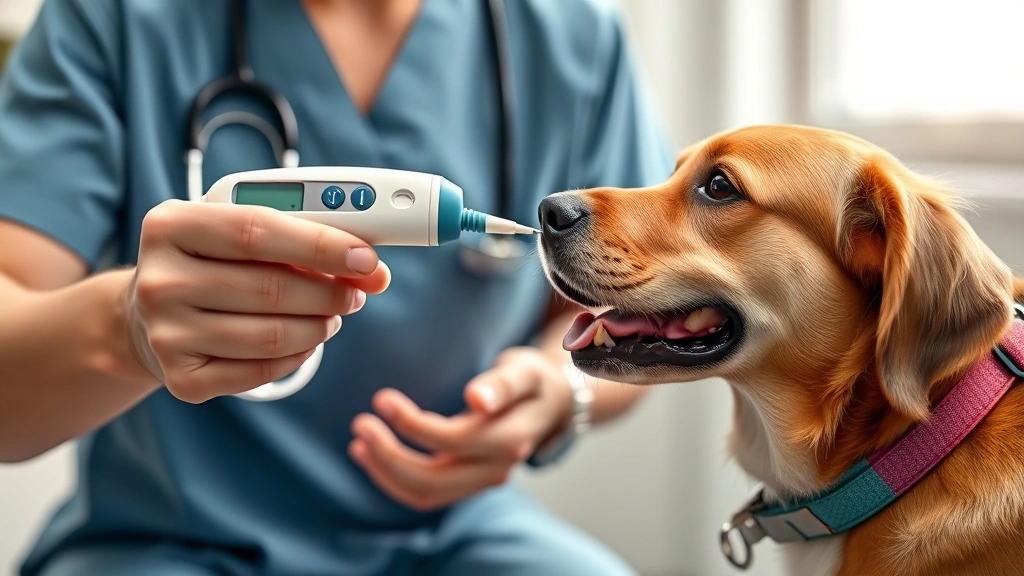
You can take your dog’s temperature using a digital rectal thermometer—yes, it’s as fun as it sounds. Apply a bit of lubricant, insert gently, and wait for the beep. Ear thermometers designed for dogs are also available, though they’re less reliable than rectal readings. If you’re uncomfortable doing this yourself, your vet can do it in seconds.
Common Causes of Fever in Dogs
Understanding what causes fever in dogs helps you understand the urgency. Infections—bacterial, viral, or fungal—are the most common culprits. Ear infections, urinary tract infections, and respiratory infections frequently cause fevers. Inflammation from injuries or autoimmune conditions can also trigger elevated temperatures.
Sometimes, fever is your dog’s immune system doing exactly what it should be doing. Other times, it’s a sign of something serious. If your dog has been exposed to toxins and is showing fever symptoms, visit the Emergency Vet for Food Poisoning page for more information.
When to Call the Vet Immediately
Not every fever requires an emergency vet visit, but some situations absolutely do. Call your vet immediately if your dog’s temperature exceeds 103°F, if the fever lasts more than 24-48 hours, or if your dog shows signs of severe illness like difficulty breathing, seizures, or loss of consciousness.
Also seek immediate help if your dog has a fever and you suspect poisoning or toxin exposure. The combination of fever with vomiting, diarrhea, or other serious symptoms is a red flag. When in doubt, call your vet—they’d rather hear from you unnecessarily than have you wait too long.
Home Care While You Wait for the Vet
If your dog has a mild fever and the vet says to monitor at home, keep them comfortable. Ensure they have access to fresh water—fever can cause dehydration. Offer cool (not cold) water and consider offering ice cubes as treats. Keep your dog in a cool environment, but don’t force them into an ice bath; that’s uncomfortable and can actually be counterproductive.
Continue monitoring their temperature every few hours. Keep a log of readings and any other symptoms. This information is gold when you talk to your vet. Avoid strenuous activity and let your dog rest as much as they want.
Prevention is Better Than Detection
The best way to handle fever in dogs is to prevent illness in the first place. Keep your dog’s vaccinations current, maintain good hygiene, and watch for signs of injury or infection. Regular vet checkups catch potential issues before they become serious.
If your dog has been prescribed medications like Chlorhexidine for Dogs for skin or ear conditions, use them as directed. Treating minor infections promptly prevents them from escalating into fever-inducing situations.
Frequently Asked Questions
What’s the normal temperature for a dog?
A healthy dog’s normal body temperature ranges from 101°F to 102.5°F. This is higher than humans, so don’t be alarmed if your dog feels warm to the touch. Any reading above 103°F is considered a fever and should be evaluated by a veterinarian.
Can I use a human thermometer on my dog?
Yes, you can use a digital human thermometer on your dog, though it should be designated for pet use only (for obvious reasons). Rectal thermometers are most accurate. Some people use ear thermometers, but they’re less reliable in dogs. Avoid mercury thermometers—they’re dangerous if broken.
How long can a dog have a fever?
A fever lasting 24-48 hours might resolve on its own as the dog’s immune system fights off whatever’s causing it. However, if the fever persists beyond 48 hours or spikes higher, veterinary attention is necessary. Chronic or recurring fevers indicate an underlying condition that needs diagnosis and treatment.
Is a fever always bad?
Not necessarily. Fever is actually your dog’s immune system working to fight infection. A low-grade fever can be beneficial. However, very high fevers (above 106°F) are dangerous and can cause organ damage. The key is determining whether the fever is helping your dog recover or indicating a serious problem.
Can stress cause fever in dogs?
Stress alone doesn’t typically cause a true fever, but it can suppress the immune system, making dogs more susceptible to infections that do cause fever. If your dog seems stressed and feverish, there’s likely an underlying infection rather than the stress causing the fever directly.
Conclusion: Trust Your Instincts
Learning how can you tell if a dog has a temperature is essential pet parent knowledge. The five proven signs—warm ears and nose, lethargy, loss of appetite, shivering, and unusual discharge—are your early warning system. Combined with an actual temperature reading, these indicators give you a clear picture of your dog’s health status.
Remember, you know your dog better than anyone. If something feels off, it probably is. A quick call to your vet costs nothing and could catch a serious problem early. Your furry friend depends on you to be their health advocate, and spotting fever signs early is a crucial part of that responsibility. Stay vigilant, keep those thermometers handy, and don’t hesitate to seek professional help when needed.





