
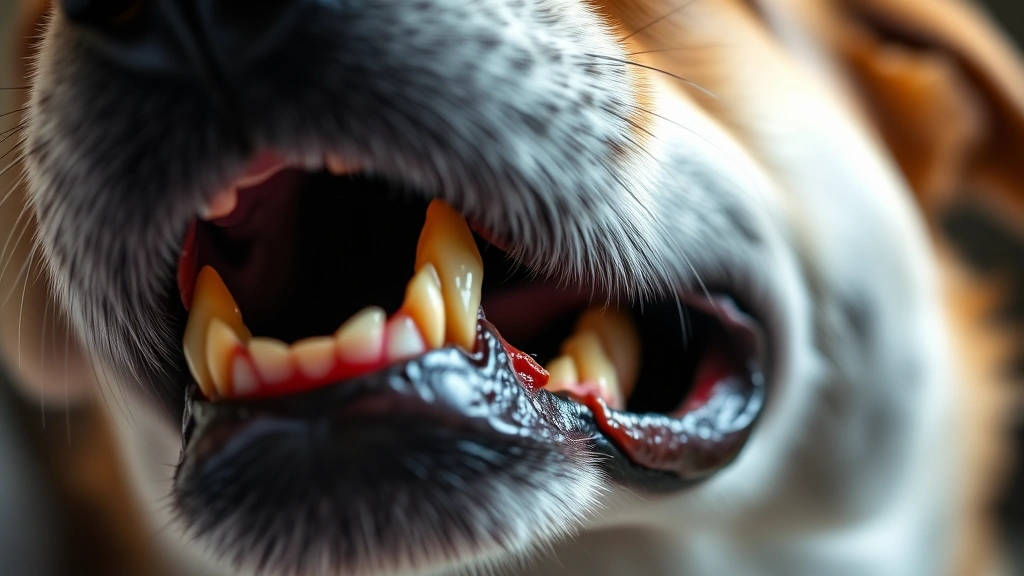
So, how clean is a dog’s mouth? If you’re asking this question, you’ve probably let your pup give you a kiss and then immediately wondered if you should schedule an emergency dental appointment for yourself. The truth might surprise you—and honestly, it’s a bit gross, but also kind of fascinating.
Table of Contents
- The Myth of the Self-Cleaning Canine Mouth
- What’s Actually Living in Your Dog’s Mouth
- Dental Disease: The Silent Mouth Problem
- The Saliva Factor: Is It Actually Antimicrobial?
- Comparing Dog Mouths to Human Mouths
- What About Puppies vs. Adult Dogs?
- Oral Health Problems Beyond Bacteria
- Should You Be Worried About Dog Kisses?
- How to Actually Keep Your Dog’s Mouth Clean
- The Bottom Line on Dog Mouth Cleanliness
- Frequently Asked Questions
The Myth of the Self-Cleaning Canine Mouth
For decades, people have repeated the myth that a dog’s mouth is cleaner than a human’s. This persistent legend probably came from the fact that dogs don’t develop cavities as easily as we do, or maybe someone’s grandmother said it once and it stuck around forever. But here’s the reality: dog oral hygiene is nowhere near as clean as we’d like to believe. In fact, your dog’s mouth is basically a petri dish of bacteria, just like ours—except dogs don’t brush their teeth, floss, or visit the dentist for regular cleanings.
What’s Actually Living in Your Dog’s Mouth
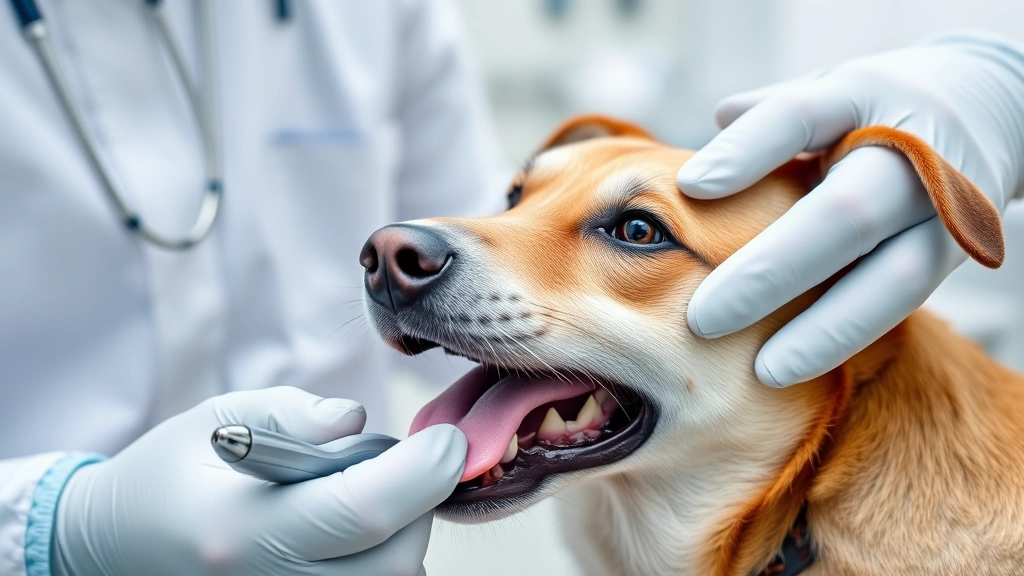
A dog’s mouth contains hundreds of different bacterial species. Some are harmless, some are beneficial, and some are downright nasty. Dogs naturally have bacteria like Streptococcus, Staphylococcus, and E. coli hanging out in there. When your dog licks their own rear end (which they do, constantly, because they’re dogs), they’re introducing fecal bacteria directly into their mouth. Then, when Fido gives you a big wet kiss, you’re getting a bacterial transfer party. According to research from the American Veterinary Dental College, about 80% of dogs over the age of three have some form of dental disease, which means infection and bacteria are thriving in their mouths.

Dental Disease: The Silent Mouth Problem
Most dog owners don’t realize their pup has dental disease until it’s advanced. Plaque and tartar build up on teeth just like they do in humans, but without regular brushing and professional cleanings, it gets exponentially worse. The bacteria associated with dog dental health issues can lead to gum disease, tooth loss, and even systemic infections that affect the heart, kidneys, and liver. So when you’re wondering how clean your dog’s mouth is, the answer depends heavily on whether they’re getting proper dental care. A dog with untreated dental disease? Not clean at all. A dog with regular brushing and professional cleanings? Much better, though still not as clean as a human who practices good oral hygiene.
The Saliva Factor: Is It Actually Antimicrobial?
Here’s where things get interesting. Dog saliva does contain some antimicrobial properties, including lysozyme and lactoferrin, which can help fight certain bacteria. This is why dogs’ wounds sometimes seem to heal quickly when they lick them. However, this doesn’t mean dog saliva is a miracle cure or that it makes their mouth clean. The antimicrobial properties are present, sure, but they’re not strong enough to keep a dog’s mouth in a pristine state. Think of it like having a weak immune system—it helps a little, but it’s not a substitute for actual hygiene practices.
Comparing Dog Mouths to Human Mouths
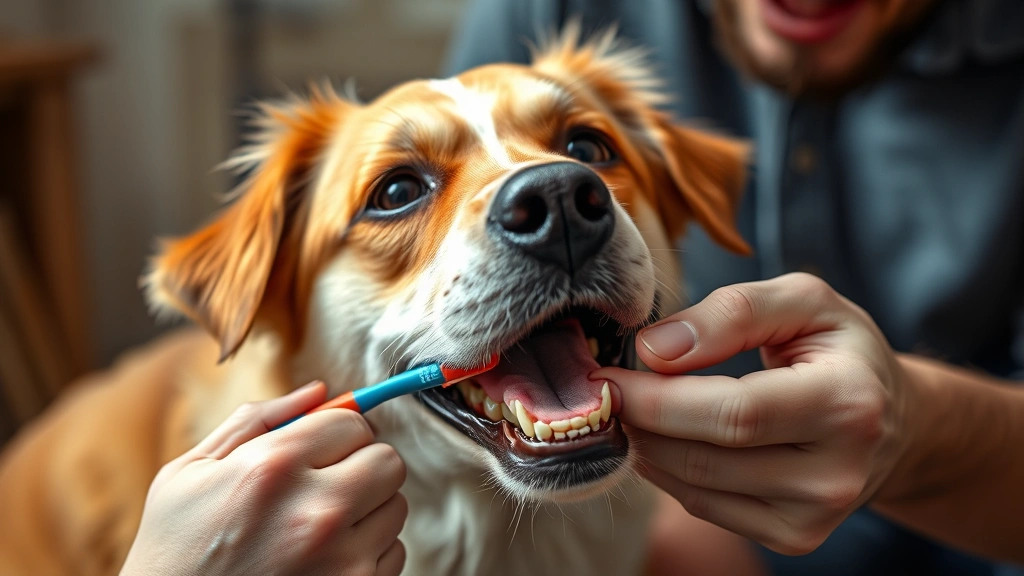
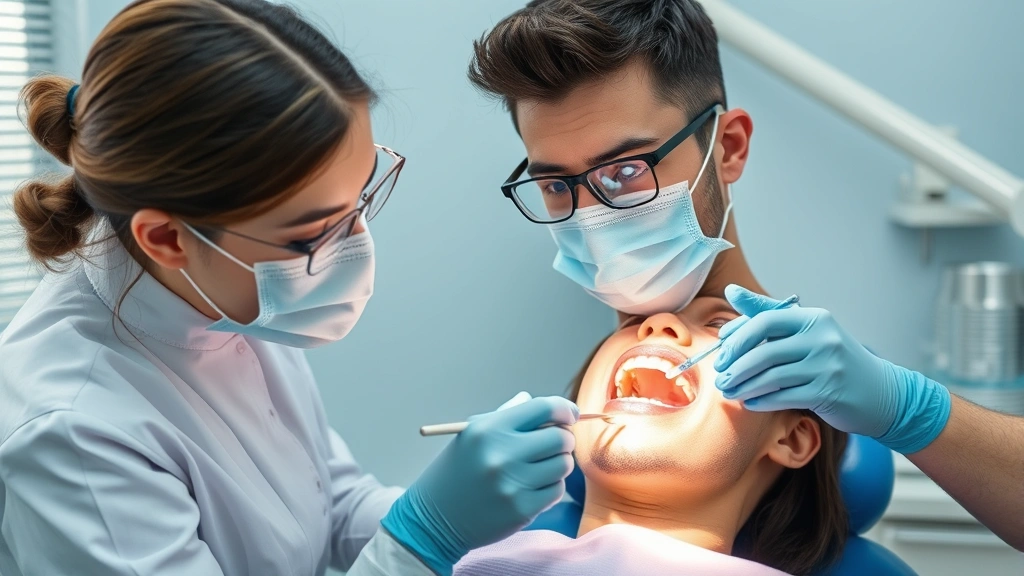
If we’re being scientific about it, canine oral bacteria counts are actually comparable to human oral bacteria counts in many cases. Both humans and dogs harbor hundreds of bacterial species. The difference is that humans (theoretically) brush twice a day, floss, use mouthwash, and visit the dentist. Dogs do none of these things. A human who never brushed their teeth would have a mouth just as dirty—if not dirtier—than a dog’s. So the real question isn’t whether dog mouths are clean; it’s whether we’re maintaining our dogs’ oral health the way we should be maintaining our own.
What About Puppies vs. Adult Dogs?
Puppies typically have cleaner mouths than adult dogs, simply because they haven’t had time to accumulate plaque and tartar. However, they’re still introducing bacteria from everything they chew on, including toys, dirt, and yes, their own poop. As dogs age, without proper dental care, their mouths become progressively less clean. By the time a dog reaches senior years, if they haven’t had regular dental cleanings, their mouth is probably pretty gross.

Oral Health Problems Beyond Bacteria
It’s not just bacteria you need to worry about. Dogs can develop tartar buildup, gingivitis, periodontal disease, and tooth decay. They can get infections from food particles trapped between teeth. They can have fractured teeth that expose the pulp and lead to abscesses. All of these conditions make the mouth less clean and more problematic. If your dog has bad breath, that’s often a sign that something’s wrong in there. Bad breath in dogs usually indicates bacterial overgrowth or infection, not just “dog breath.”
Should You Be Worried About Dog Kisses?
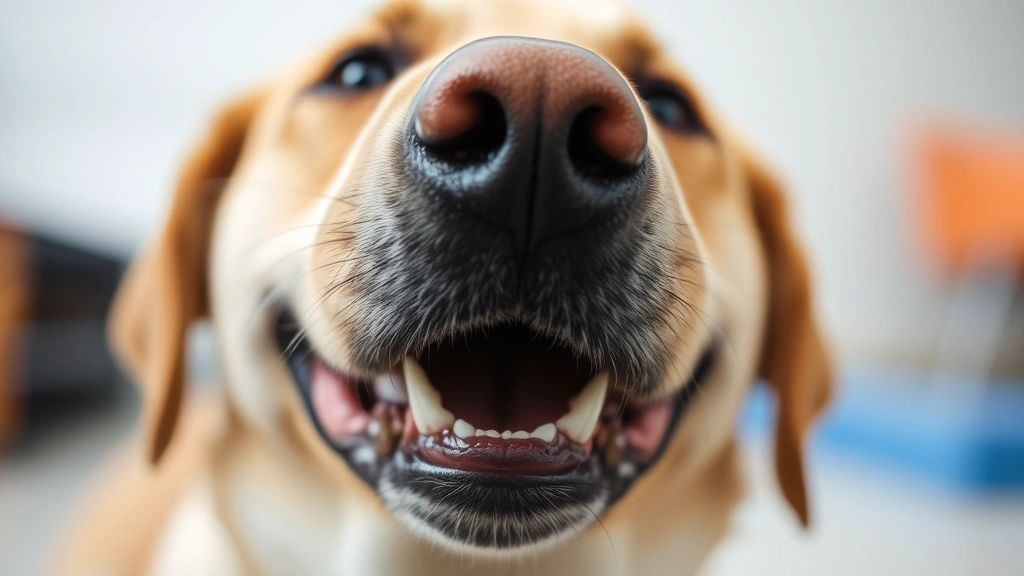
This is the real question everyone wants answered. Can you get sick from a dog licking your face? Theoretically, yes, but in practice, it’s rare. Your skin is a pretty good barrier against most bacteria, and your immune system can handle exposure to common dog mouth bacteria. However, if you have open cuts, wounds, or a compromised immune system, you should definitely limit dog kisses. Also, if your dog has dental disease or mouth infections, there’s a higher concentration of problematic bacteria, so it’s worth being cautious. If you want to be extra safe, you can use a product like Neosporin on minor cuts after dog contact, though this is probably overkill for most people.
How to Actually Keep Your Dog’s Mouth Clean
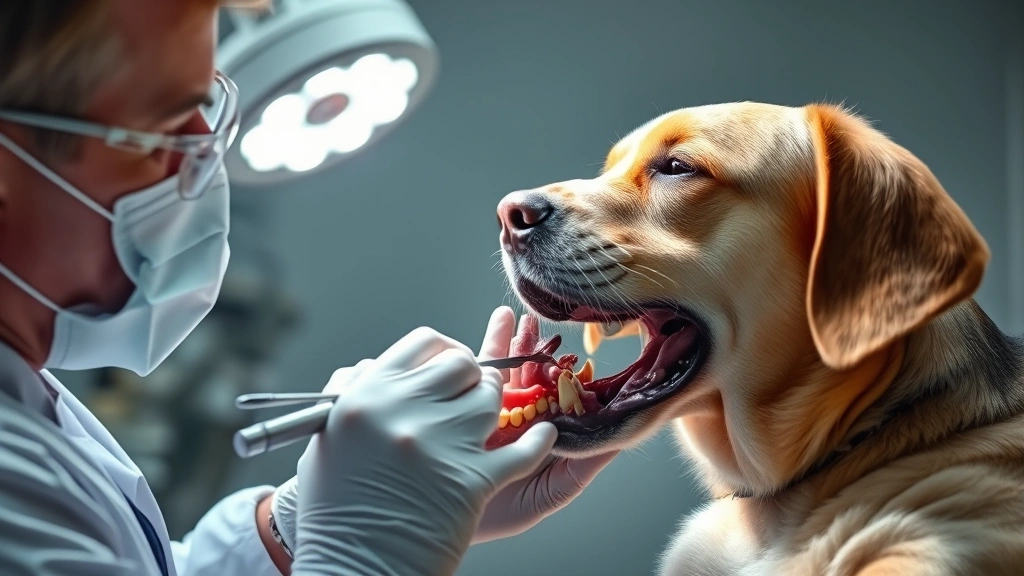
If you want your dog to have a genuinely clean mouth, you need to take action. Brush your dog’s teeth daily—yes, daily, just like you do yours. Use a dog-specific toothpaste (never human toothpaste, which can contain xylitol, a sweetener that’s toxic to dogs). Schedule professional dental cleanings with your vet at least once a year, more often if your dog has existing dental disease. Provide dental chews and toys designed to reduce plaque buildup. Feed a high-quality diet that supports dental health. Avoid feeding your dog table scraps and stick to safe human snacks for pets if you must share food. These steps will dramatically improve your dog’s oral health and make their mouth significantly cleaner.
The Bottom Line on Dog Mouth Cleanliness
So, how clean is a dog’s mouth? The honest answer is: not very clean without proper care. Your dog’s mouth is home to hundreds of bacterial species, many of which come from their own body and their environment. Dental disease is rampant in dogs, affecting the majority of dogs over three years old. However, with proper dental care—brushing, professional cleanings, and good diet—you can keep your dog’s mouth much cleaner and healthier. The myth that dog mouths are cleaner than human mouths is exactly that: a myth. But the good news is that you have the power to improve your dog’s oral health significantly.
Frequently Asked Questions
Is it safe to let my dog lick my face?
In most cases, yes, it’s safe. Your skin provides a good barrier against bacteria. However, if you have open wounds, cuts, or a compromised immune system, you should limit dog kisses. If your dog has dental disease or mouth infections, there’s a higher risk of bacterial transfer, so use your judgment.
How often should I brush my dog’s teeth?
Ideally, daily. This is the gold standard for maintaining canine oral health. If daily brushing isn’t feasible, aim for at least three to four times per week. Even occasional brushing is better than nothing.
What does healthy dog breath smell like?
Healthy dog breath shouldn’t smell great, but it shouldn’t smell terrible either. If your dog’s breath is foul, it’s often a sign of dental disease, oral infection, or other health issues. Schedule a vet visit to investigate.
Can dogs get cavities like humans?
Dogs can develop tooth decay and cavities, though it’s less common than in humans. This is partly because dog saliva has different pH levels and partly because dogs don’t consume as much refined sugar. However, dental disease in dogs is extremely common and often more serious than cavities.
Do dental chews actually work?
Dental chews can help reduce plaque and tartar buildup to some degree, but they’re not a substitute for brushing and professional cleanings. They’re a helpful supplementary tool, but not a complete solution.
What foods should I avoid feeding my dog?
Check out our guide on what not to feed your dog for a comprehensive list. Generally, avoid chocolate, xylitol, grapes, raisins, onions, garlic, and excessive fatty foods.
How much does a professional dog dental cleaning cost?
Professional dental cleanings typically range from $200 to $1,000 or more, depending on your location, your vet, and the extent of the cleaning needed. It’s an investment in your dog’s health and longevity.





