
So you’re wondering how cold is too cold for dogs—and honestly, it’s a question every responsible dog parent should ask before winter rolls around. Your furry friend might have a coat, but that doesn’t mean they’re equipped to handle arctic temperatures like a sled dog. Let’s break down what you need to know to keep your pup safe and cozy when the thermometer drops.
Table of Contents
- Understanding Your Dog’s Cold Tolerance
- The Temperature Threshold: When Cold Becomes Dangerous
- Signs Your Dog Is Getting Too Cold
- Winter Gear: Dressing Your Dog for Success
- Paw Protection and Winter Hazards
- Indoor Comfort and Exercise Alternatives
- Breed-Specific Considerations
- Senior Dogs and Puppies Need Extra Care
- Emergency Signs: When to Call the Vet
- Creating a Winter Wellness Plan
- FAQ Section
- Frequently Asked Questions
- Conclusion: Keeping Your Dog Safe in the Cold
Understanding Your Dog’s Cold Tolerance
Not all dogs are built the same when it comes to handling chilly weather. A Siberian Husky laughing at 20°F would make a Chihuahua genuinely concerned for their life. Cold tolerance depends on several factors: breed, age, health status, coat type, and body fat percentage. Smaller dogs lose body heat faster than larger ones, which is why toy breeds need extra protection earlier in the season.
Dogs with thick, double coats—like Golden Retrievers and German Shepherds—naturally handle cold better than short-haired breeds. Senior dogs and puppies are also more vulnerable to temperature extremes, as they struggle to regulate body temperature effectively.
The Temperature Threshold: When Cold Becomes Dangerous
Here’s the real talk: most dogs start feeling uncomfortable around 45°F (7°C), and anything below 32°F (0°C) poses genuine health risks for most breeds. But this isn’t a one-size-fits-all situation.

For small breeds, senior dogs, and those with thin coats, you should limit outdoor time when temperatures drop below 45°F. Medium to large-breed dogs with thicker coats might tolerate 30-40°F for short periods. However, when it hits 20°F (-6°C) or lower, even cold-loving breeds need supervision and shouldn’t stay outside for extended periods.
Below 0°F (-18°C)? That’s dangerous territory for virtually every dog. Frostbite and hypothermia become real threats within minutes.
Signs Your Dog Is Getting Too Cold
Your dog can’t tell you they’re freezing, so watch for these telltale signs:

- Shivering—the most obvious indicator that your pup is uncomfortable
- Reluctance to go outside—if your usually enthusiastic explorer suddenly refuses their walk, listen to them
- Seeking shelter constantly—repeatedly trying to get back inside
- Lifting paws repeatedly—cold paws hurt, and this behavior shows discomfort
- Whining or anxiety—vocal signs of distress
- Hunched posture—curling into a tight ball to conserve heat
- Lethargy and weakness—signs of hypothermia that require immediate veterinary attention
Winter Gear: Dressing Your Dog for Success
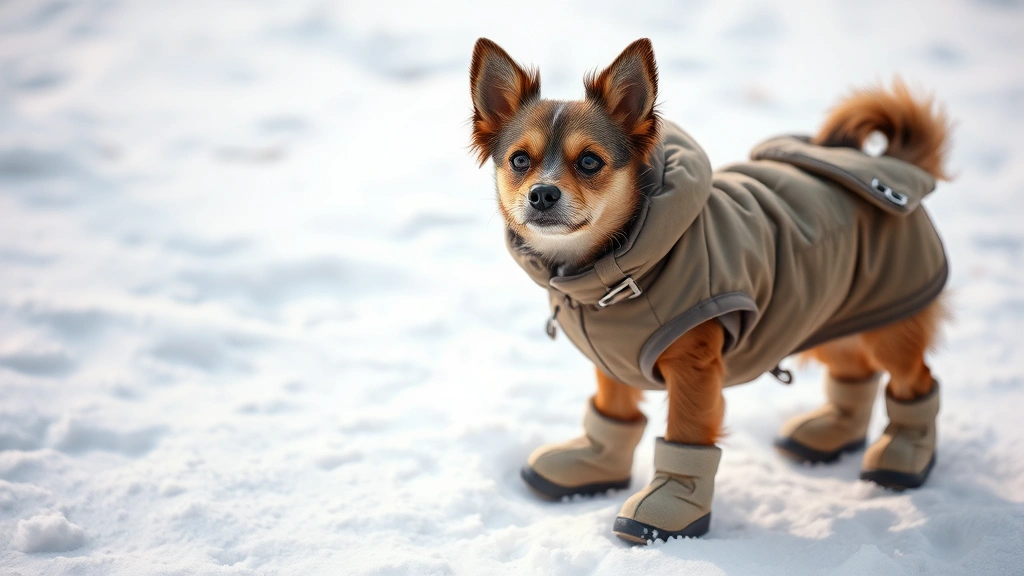
If you’re bundling up for winter, your dog might need winter gear too. Dog sweaters, coats, and booties aren’t just fashion statements—they’re functional protection. Look for insulated jackets with water-resistant outer layers. Booties protect paw pads from ice, snow, and salt, which can cause irritation and cracking.
For extra-small breeds or those with minimal coat coverage, consider thermal layers under their winter coat. Some dogs might feel silly in outfits, but they’ll feel a lot better when they’re warm. Your pet nutrition advice should also include maintaining healthy weight, as body fat provides natural insulation.
Paw Protection and Winter Hazards
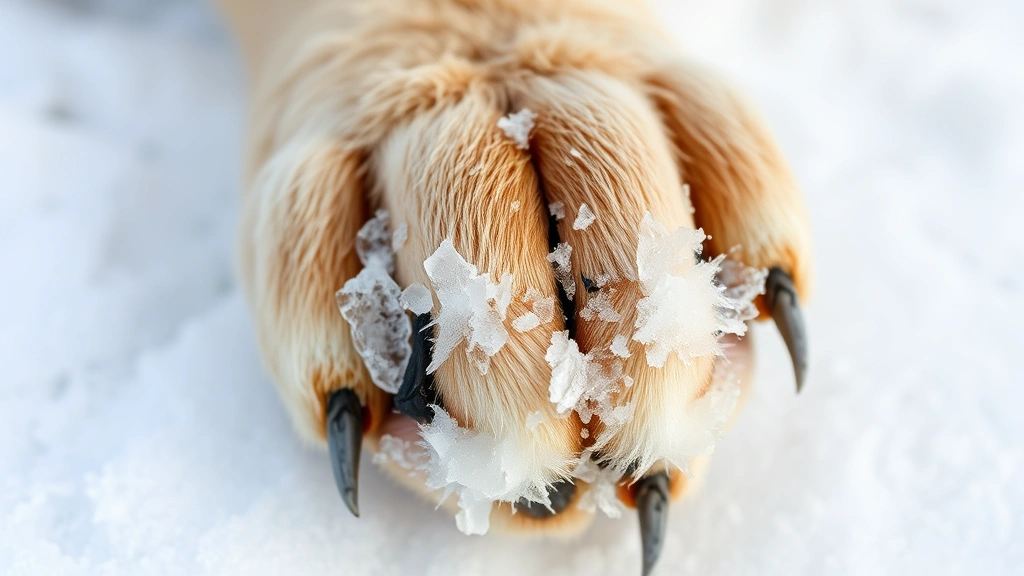
Winter brings sneaky dangers beyond just cold temperatures. Salt used on sidewalks and driveways irritates paw pads and can be toxic if ingested. Snow and ice can ball up between toes, causing discomfort and potential frostbite.

After winter walks, wipe your dog’s paws with a warm, damp cloth to remove salt and ice. Consider using pet-safe ice melt products on your property. Booties provide excellent protection, though some dogs need a brief adjustment period. If your dog refuses booties, paw balms designed for winter can offer additional protection.
Indoor Comfort and Exercise Alternatives
When outdoor time becomes risky, your dog still needs mental and physical stimulation. Cold weather doesn’t mean your pup gets a free pass from exercise. Instead, get creative with indoor activities: puzzle toys, hide-and-seek games, indoor fetch in hallways, or treadmill training.
Many pet owners overlook the importance of maintaining winter routines. Your dog’s metabolism and mental health depend on consistent activity. Use this time to work on training goals, teach new tricks, or set up obstacle courses in your living room. Consider remote pet health monitoring devices to track your dog’s activity levels during winter months.

Breed-Specific Considerations
Cold-weather breeds like Huskies, Malamutes, Saint Bernards, and Newfoundlands actually thrive in cold temperatures and might overheat more easily than they get cold. These breeds were literally bred for arctic conditions.
Conversely, breeds like Chihuahuas, Italian Greyhounds, Greyhounds, and Boxers have minimal body fat and thin coats. They’ll need protection at much higher temperatures. Brachycephalic breeds (flat-faced dogs like Bulldogs and Pugs) also struggle with temperature regulation and require careful monitoring year-round.
Senior Dogs and Puppies Need Extra Care
Older dogs often have arthritis that worsens in cold weather. Cold temperatures can make joints stiffer and more painful, reducing mobility. Puppies, meanwhile, haven’t fully developed their temperature regulation abilities, making them vulnerable.

Senior dogs benefit from shorter, more frequent potty breaks rather than long walks. Provide warm bedding away from drafts, and consider heated dog beds for elderly pups. Puppies should follow similar guidelines to toy breeds until they’re fully grown and their coat develops properly.
Emergency Signs: When to Call the Vet
Hypothermia is a medical emergency. If your dog shows extreme lethargy, muscle stiffness, weakness, or unresponsiveness, get them to a vet immediately. Frostbite might not show symptoms immediately—look for pale or bluish skin, blistering, or tissue death in the days following cold exposure.
Never assume your dog is tougher than they actually are. When in doubt, keep them inside. Your vet can provide specific recommendations based on your dog’s individual health status and breed characteristics. The American Kennel Club offers excellent cold-weather safety guidelines.

Creating a Winter Wellness Plan
Start preparing for winter before temperatures drop. Schedule a vet check-up to ensure your dog is healthy enough for winter weather. Discuss breed-specific concerns and get personalized recommendations.
Stock up on winter supplies: booties, coats, paw balms, and extra blankets. Plan your daily routine around cold weather—shorter outdoor time, more indoor activities, and consistent schedules help dogs adjust. Maintain good nutrition to support immune function and coat health.
Keep emergency supplies accessible: blankets, a pet first-aid kit, and your vet’s after-hours contact information. Winter emergencies can happen quickly, so preparation is key.

FAQ Section
Frequently Asked Questions
At what temperature should I not walk my dog?
Most dogs shouldn’t stay outside for extended periods below 32°F (0°C). Small breeds, seniors, and thin-coated dogs need protection below 45°F (7°C). Below 20°F (-6°C), limit outdoor time for all dogs to 15-30 minutes maximum, and watch closely for signs of discomfort.
Can dogs get frostbite?
Absolutely. Dogs can develop frostbite on their paws, ears, tail, and nose. Frostbite occurs when tissue freezes, typically at temperatures below 32°F (-0°C). Symptoms might not appear immediately, so monitor your dog for several days after cold exposure. Affected areas may become pale, blistered, or develop tissue death.
Do all dogs need winter coats?
Not all dogs need coats, but many benefit from them. Breeds with thick double coats (Huskies, Malamutes) rarely need additional protection. Small breeds, thin-coated dogs, seniors, and puppies usually need winter gear. When in doubt, consult your vet about your specific dog’s needs.
How can I tell if my dog has hypothermia?
Hypothermia symptoms include excessive shivering (early stages), lethargy, weakness, muscle stiffness, slow heart rate, and unresponsiveness (severe cases). If you suspect hypothermia, get your dog to a vet immediately. Gradual rewarming in a vet clinic is essential—never use direct heat like hot water, which can cause additional damage.
Is it okay to leave my dog outside in winter?
Dogs shouldn’t be left outside unsupervised for extended periods in winter. Even cold-loving breeds need access to shelter, unfrozen water, and regular check-ins. Outdoor dogs need insulated doghouses with straw bedding, heated water bowls, and frequent monitoring. Most veterinarians recommend bringing dogs inside when temperatures drop significantly.
What’s the best way to warm up a cold dog?
Bring your dog inside to a warm area gradually. Wrap them in blankets and allow natural rewarming. Offer warm (not hot) water to drink. Avoid direct heat sources like heating pads or hot water bottles, which can cause burns or shock the system. If your dog shows signs of hypothermia, seek immediate veterinary care.

Conclusion: Keeping Your Dog Safe in the Cold
So, how cold is too cold for dogs? The answer depends on your individual dog, but the general rule is simple: if you’re cold enough to need a heavy coat, your dog probably needs protection too. Most dogs become uncomfortable below 45°F, and temperatures below 32°F pose real health risks.
The key is knowing your dog’s specific needs based on breed, age, health status, and coat type. Watch for signs of discomfort, invest in appropriate winter gear, and maintain indoor activity during harsh weather. Your dog depends on you to make smart decisions about their safety.
Winter doesn’t have to mean reduced quality of life for your pup. With proper preparation, appropriate gear, and smart scheduling, your dog can enjoy winter safely—whether that’s short outdoor adventures or cozy indoor activities. When temperatures drop, remember: better safe than sorry. Your furry friend will thank you for keeping them warm, comfortable, and healthy all season long.

For additional guidance, check out resources from PetMD and consult your veterinarian for personalized recommendations based on your dog’s unique needs.





