
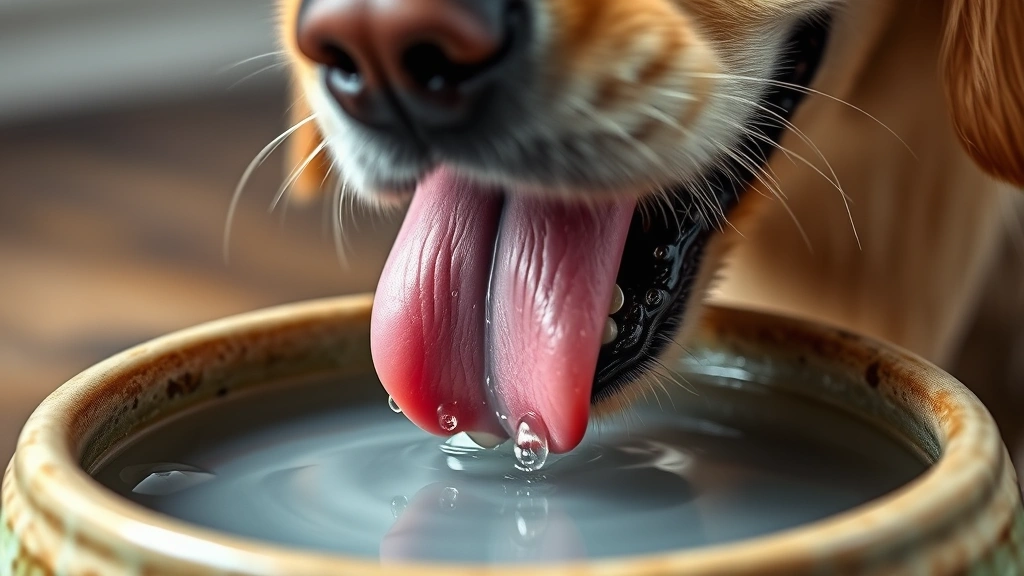
Ever wondered how do dogs drink water? It’s way more complicated and fascinating than just lapping it up like you’d assume. Dogs have evolved a completely different drinking mechanism than humans, and honestly, it’s pretty wild when you break it down. Whether your pup is a dainty sipper or a splashy mess-maker, there’s actual science behind every slurp.
Table of Contents
- The Physics Behind Canine Lapping: It’s Not What You Think
- Why Your Dog Splashes Water Everywhere: The Messy Truth
- Water Intake Variations: How Much Should Your Dog Actually Drink?
- Temperature Preferences: Does Your Dog Have a Water Preference?
- Tongue Structure: The Unsung Hero of Hydration
- Health Considerations: When Drinking Patterns Signal Problems
- Breed-Specific Drinking Behaviors and Bowl Selection
- The Role of Water in Digestion and Overall Health
- Interesting Facts: The Evolutionary Advantage of Canine Drinking
- Common Myths About Dog Drinking Debunked
- Frequently Asked Questions
- Conclusion: Understanding Your Dog’s Drinking Habits
The Physics Behind Canine Lapping: It’s Not What You Think
When your dog approaches their water bowl, they’re not just mindlessly drinking. They’re executing a precision engineering feat that would make a physicist jealous. How dogs drink water involves creating a column of liquid using their tongue as a specialized tool. Unlike cats, who use their tongue to scoop, dogs actually curl their tongue backward to form a spoon-like shape and pull water upward into their mouth. It’s called “lapping,” and it’s absolutely genius.
The mechanics are so efficient that dogs can consume water at rates that seem impossible. A dog’s tongue moves in and out of the water bowl at lightning speed, creating a vacuum-like effect. Scientists have actually studied this using high-speed cameras, and the results are mind-blowing. Your dog’s mouth is basically a biological water pump.
Why Your Dog Splashes Water Everywhere: The Messy Truth
If your pup turns every drinking session into a swimming pool disaster, there’s a reason. Dogs don’t have the same level of lip control that humans do. When they lap water, some inevitably splashes out because their mouth structure doesn’t create a perfect seal around the liquid. This is especially true for dogs with floppy lips or those who drink enthusiastically.
Additionally, many dogs simply don’t care about the mess. They’re focused on hydration, not cleanliness. Some breeds are naturally messier drinkers than others—think Newfoundlands or Saint Bernards with their droopy jowls. It’s not a behavior problem; it’s just anatomy.
Water Intake Variations: How Much Should Your Dog Actually Drink?
The amount of water your dog needs depends on several factors, including age, size, activity level, and diet. A general rule is that dogs should drink about one ounce of water per pound of body weight daily. So a 50-pound dog needs roughly 50 ounces of water per day. However, this can vary significantly based on individual needs.
Dogs eating dry kibble typically need more water than those on bone broth recipes for pets or wet food diets. If you’re concerned about your dog’s water intake, monitor their drinking habits and urine output. Excessive thirst can indicate health issues like diabetes or kidney disease, so it’s worth discussing with your vet if you notice sudden changes.
Temperature Preferences: Does Your Dog Have a Water Preference?
Here’s something most dog owners don’t realize: many dogs have temperature preferences for their water. Some prefer cool or cold water, especially on hot days or after exercise. Others seem indifferent. This isn’t random—it’s often related to comfort and the dog’s natural instinct to regulate body temperature.
During warmer months, offering cool water can encourage your dog to drink more, which is crucial for hydration and preventing heatstroke. In winter, room-temperature water is usually fine. Some dogs are picky about water freshness too. If your dog seems to avoid their water bowl, try changing the water more frequently or offering it in a different location.
Tongue Structure: The Unsung Hero of Hydration
Your dog’s tongue is specifically adapted for drinking in ways most people never consider. Dogs have a unique tongue structure with a slightly curved shape that optimizes the lapping motion. The tongue has specialized muscles that allow for rapid, repetitive movements—up to several laps per second in some cases.
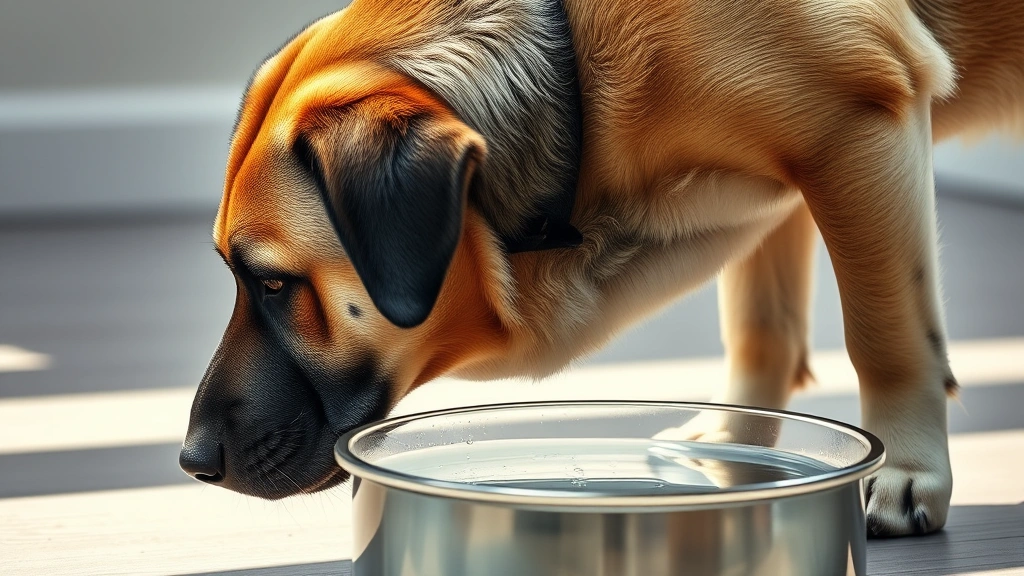
Unlike humans who can seal their lips around a straw or bottle, dogs rely entirely on their tongue’s ability to create suction and movement. This is why you’ll never see a dog successfully drink from a water bottle the way humans do. Their anatomy simply doesn’t support that kind of drinking mechanism. Their tongue is their water-drawing superpower.
Health Considerations: When Drinking Patterns Signal Problems
Monitoring your dog’s drinking habits is an important part of pet health management. Sudden increases in water consumption, known as polydipsia, can indicate conditions like diabetes, urinary tract infections, or kidney disease. Conversely, decreased water intake might signal illness or dental problems that make drinking uncomfortable.
If your dog seems reluctant to drink, check if their water bowl is clean and filled regularly. Sometimes it’s as simple as that. However, if the reluctance persists, consult your veterinarian. Also, be aware that certain vet-approved human foods for pets have high water content and can contribute to overall hydration.
Breed-Specific Drinking Behaviors and Bowl Selection
Different dog breeds have different drinking styles based on their anatomy. Brachycephalic breeds (flat-faced dogs like Bulldogs and Pugs) often struggle with water intake because their shortened muzzles make lapping difficult. These dogs may benefit from specially designed bowls that are shallower or have different angles.
Large breeds sometimes drink too quickly, which can lead to bloating or gastric dilatation-volvulus (GDV)—a serious, potentially life-threatening condition. For these dogs, elevated bowls or slow-feed water bowls can help regulate intake. Small breeds might prefer bowls that aren’t too deep, as their short legs make reaching the bottom awkward.
The Role of Water in Digestion and Overall Health
Water isn’t just for quenching thirst; it’s essential for your dog’s digestive system. Proper hydration helps prevent constipation in dogs and ensures nutrients are properly absorbed. It also helps regulate body temperature, supports kidney function, and aids in nutrient transport throughout the body.
Dehydration in dogs can happen quickly, especially during hot weather or after exercise. Signs include dry gums, lethargy, and loss of skin elasticity. Always ensure your dog has access to fresh water, particularly during and after physical activity. If your dog seems anxious about water intake, calming foods for anxious pets might help reduce stress-related issues.
Interesting Facts: The Evolutionary Advantage of Canine Drinking
Dogs’ drinking mechanism evolved because it’s incredibly efficient for their needs. In the wild, dogs needed to drink quickly and move on, without spending excessive time vulnerable at water sources. Their lapping technique allows them to consume water rapidly—much faster than humans could drink from a bowl using the same method.
Research has shown that dogs can adjust their lapping speed based on water depth and bowl size. They’re actually quite intelligent about optimizing their drinking technique. Some studies suggest that dogs can even predict water splashing and adjust their tongue position accordingly. It’s a level of biomechanical sophistication that’s genuinely impressive.
Common Myths About Dog Drinking Debunked
Myth: Dogs drink with their tongues curled upward like a ladle. Reality: Dogs actually curl their tongues backward, creating a more efficient scoop. Myth: All dogs drink the same way. Reality: Individual dogs have variations in technique based on mouth structure and personal preference. Myth: Wet noses mean proper hydration. Reality: Wet noses are related to mucus production, not hydration status. Check actual water intake and urine output instead.
Frequently Asked Questions
Why does my dog drink so much water?
Increased water consumption can be normal in hot weather or after exercise, but excessive drinking might indicate health issues like diabetes, kidney disease, or urinary tract infections. Monitor the behavior and consult your vet if it seems abnormal for your dog’s baseline.
Is it bad if my dog drinks too fast?
Rapid drinking can lead to bloating or gastric issues in some dogs. If your dog gulps water quickly, consider using a slow-feed bowl or offering water in smaller amounts throughout the day. Large breed dogs are particularly susceptible to bloating-related complications.
Can dogs drink other liquids besides water?
Plain water is best for dogs. While some liquids like bone broth (in moderation) are safe, avoid milk, sugary drinks, alcohol, and caffeine. These can cause digestive upset or toxicity. Stick with fresh water as the primary hydration source.
How do I know if my dog is dehydrated?
Signs of dehydration include dry gums, excessive panting, lethargy, loss of appetite, and decreased skin elasticity. You can perform a skin turgor test by gently pulling the skin on your dog’s neck—it should snap back quickly. If it doesn’t, contact your vet immediately.
Why does my dog prefer running water over still water?
Many dogs are attracted to moving water because it appears fresher and is often cooler. This instinct comes from their wild ancestors who knew that moving water was safer than stagnant water. Some dogs will ignore a still water bowl but eagerly drink from a fountain or running tap.
Conclusion: Understanding Your Dog’s Drinking Habits
Now that you understand how do dogs drink water, you can appreciate the remarkable biology behind every lap. From the precise tongue mechanics to the evolutionary advantages of their drinking style, dogs have perfected the art of hydration. By monitoring your dog’s water intake, providing fresh water regularly, and choosing appropriate bowls for their breed and size, you’re supporting one of their most essential biological functions. Every slurp and splash is your dog’s body working exactly as nature intended—efficiently, effectively, and sometimes messily. Keep that water bowl filled, and your pup will thrive.





