
So your pup has been making more bathroom trips than usual, and you’re wondering: how do dogs get a UTI? Well, buckle up, because urinary tract infections in dogs are more common than you’d think, and they’re definitely not fun for anyone involved. Whether it’s your golden retriever or a scrappy little terrier, any dog can develop a UTI, and understanding the causes is your first line of defense against this uncomfortable condition.
Table of Contents
- What Exactly Is a Canine UTI?
- Cause #1: Bacterial Contamination and Poor Hygiene
- Cause #2: Weakened Immune System and Underlying Health Issues
- Cause #3: Urinary Retention and Incomplete Bladder Emptying
- Cause #4: Anatomical Abnormalities and Structural Issues
- Cause #5: Medications and Environmental Factors
- Warning Signs Your Dog Might Have a UTI
- Prevention Tips: Keep Your Pup’s Plumbing Happy
- Diet and Supplements for Urinary Health
- When to Seek Professional Help
- Preventing Recurrent UTIs
- Frequently Asked Questions
- Conclusion: Keeping Your Dog’s Urinary System Healthy
What Exactly Is a Canine UTI?
Before we dive into the nitty-gritty of how dogs get UTIs, let’s clarify what we’re talking about. A urinary tract infection happens when bacteria invade your dog’s urinary system—think bladder, urethra, or kidneys. It’s basically an unwanted bacterial party in your pup’s plumbing. The most common culprit? E. coli bacteria. Your dog’s urinary system is designed to keep bacteria out, but sometimes those pesky microorganisms find their way in and set up shop.
Cause #1: Bacterial Contamination and Poor Hygiene
Let’s start with the obvious one. Dogs spend a lot of time outdoors, rolling in dirt, splashing through puddles, and doing all sorts of questionable things. When bacteria from feces or contaminated soil come into contact with the urethra, they can travel up into the bladder. Female dogs are particularly susceptible because their urethra is shorter and closer to the anus than males. It’s just anatomy, folks—not fair, but true. According to the American Kennel Club, maintaining proper hygiene around your dog’s genital area is crucial for prevention.
Cause #2: Weakened Immune System and Underlying Health Issues
A dog’s immune system is like a bouncer at a nightclub—when it’s working properly, it keeps the riffraff out. But when your pup’s immune system is compromised, those bacterial bouncers take a coffee break. Conditions like diabetes, kidney disease, and hormonal imbalances can all weaken your dog’s ability to fight off infections. Older dogs and puppies are also at higher risk because their immune systems aren’t as robust. If your dog has been dealing with other health issues, a UTI might be lurking around the corner.
Cause #3: Urinary Retention and Incomplete Bladder Emptying
Here’s something many dog owners don’t realize: if your pup isn’t emptying their bladder completely, bacteria has more time to multiply. This can happen for several reasons—maybe your dog doesn’t go outside frequently enough, or perhaps they have a physical issue preventing complete emptying. Male dogs with enlarged prostates are particularly prone to this problem. The longer urine sits in the bladder, the more opportunity bacteria has to throw a party. Think of it like leaving dirty dishes in the sink—the longer they sit, the more bacteria grows.
Cause #4: Anatomical Abnormalities and Structural Issues
Some dogs are born with structural quirks in their urinary system that make them more susceptible to infections. Ectopic ureters (where the ureter attaches in the wrong spot), bladder stones, or tumors can all interfere with normal urinary function. These conditions create the perfect storm for bacterial growth. PetMD notes that certain breeds are predisposed to urinary issues, so if you have a Dalmatian, Bulldog, or Cocker Spaniel, you might want to be extra vigilant.
Cause #5: Medications and Environmental Factors
Believe it or not, some medications can increase your dog’s risk of developing a UTI. Steroids, for example, can suppress the immune system and increase urine production. Additionally, stress, dietary changes, and even the season can play a role. Some dogs are more prone to UTIs during certain times of the year. If your dog recently started a new medication or experienced a major life change, keep an eye out for UTI symptoms. Cornell University’s College of Veterinary Medicine emphasizes the importance of monitoring your dog’s health during medication changes.

Warning Signs Your Dog Might Have a UTI
Now that you know how dogs get UTIs, let’s talk about spotting them. Common symptoms include frequent urination, straining to pee, accidents in the house (even if your dog is housetrained), cloudy or bloody urine, and a strong ammonia smell in their pee. Some dogs also experience lethargy, loss of appetite, or fever. If you notice any of these red flags, don’t wait around—schedule a vet appointment ASAP. The sooner you catch a UTI, the easier it is to treat.
Prevention Tips: Keep Your Pup’s Plumbing Happy
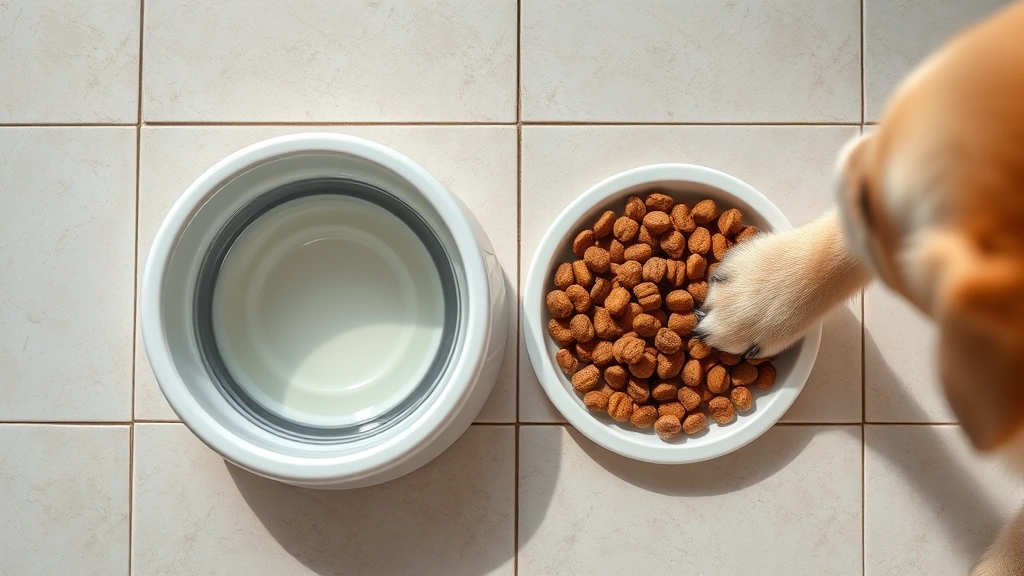
So how do you prevent your dog from getting a UTI in the first place? First, ensure your dog has plenty of fresh water available at all times. A well-hydrated dog produces more dilute urine, which is less hospitable to bacteria. Second, make sure your pup gets regular bathroom breaks—at least three to four times daily for most dogs. Third, maintain good hygiene by regularly cleaning your dog’s genital area, especially after outdoor play. Consider our Pet Nutrition Advice resources to ensure your dog is eating a balanced diet that supports urinary health. Some foods are specifically formulated to promote a healthy urinary tract.
Diet and Supplements for Urinary Health
What your dog eats matters more than you might think. A diet rich in antioxidants and proper moisture content can help prevent UTIs. Some veterinarians recommend adding cranberry supplements or probiotics to your dog’s diet, though always check with your vet first. Wet food can also help increase your dog’s water intake, which is beneficial for flushing out bacteria. If you’re unsure about dietary changes, our Virtual Vet Consultation for Diet Questions service can connect you with an expert who can recommend the best options for your specific pup.
When to Seek Professional Help
If you suspect your dog has a UTI, don’t try to handle it alone. A veterinarian will typically perform a urinalysis and urine culture to confirm the diagnosis and identify the specific bacteria involved. Treatment usually involves antibiotics, and your vet might recommend pain relief medication as well. In some cases, additional diagnostics like ultrasounds or X-rays might be needed to rule out underlying issues. If your regular vet isn’t immediately available, consider our Telehealth Vet Appointments service for quick guidance.
Preventing Recurrent UTIs
Some dogs are chronic UTI sufferers, dealing with repeated infections. If your pup falls into this category, your vet might recommend long-term management strategies. This could include prophylactic antibiotics, dietary modifications, or more frequent bathroom breaks. Regular urinalysis screenings can catch infections early before they become symptomatic. Your veterinarian might also investigate whether an underlying condition is predisposing your dog to recurrent infections. Don’t give up—with the right approach, even chronic cases can be managed effectively.
Frequently Asked Questions
Can a dog’s UTI go away on its own?
Unfortunately, no. While some mild infections might temporarily improve, most UTIs require antibiotic treatment. Without proper medication, the infection can spread to the kidneys, which is much more serious. Always consult your vet rather than hoping it resolves itself.
How long does it take to treat a dog UTI?
Most UTIs respond well to antibiotics within 7-14 days. Your vet will typically recommend a full course of antibiotics even if symptoms disappear, as incomplete treatment can lead to recurrence.
Are female dogs more prone to UTIs than males?
Yes, female dogs are statistically more susceptible to UTIs due to their shorter urethra. However, male dogs can definitely develop them too, especially if they have prostate issues or other underlying conditions.
What’s the difference between a UTI and a bladder infection?
A bladder infection is actually a type of UTI—specifically one affecting the bladder. UTIs can involve any part of the urinary system, including the urethra, bladder, ureters, or kidneys.
Can diet really prevent UTIs?
Yes, diet plays a significant role. Proper hydration, balanced nutrition, and certain supplements can support urinary health. Some foods promote more acidic urine, which inhibits bacterial growth.
Conclusion: Keeping Your Dog’s Urinary System Healthy
Understanding how dogs get a UTI empowers you to take preventative action. By ensuring your dog stays hydrated, gets regular bathroom breaks, maintains good hygiene, and receives proper nutrition, you can significantly reduce the risk of urinary tract infections. Regular vet check-ups are also essential, especially for older dogs or those with a history of UTIs. Remember, a UTI might seem like a minor inconvenience, but it’s genuinely uncomfortable for your furry friend. When in doubt, reach out to your veterinarian—they’re your best resource for keeping your pup’s plumbing in top shape. With vigilance and proper care, your dog can enjoy a healthy, infection-free life.





