
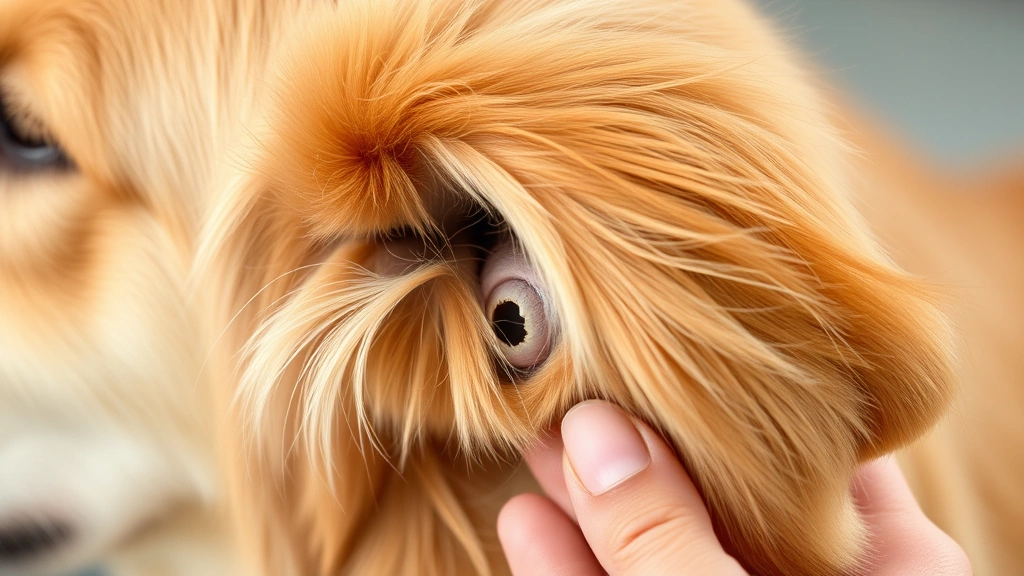
How to Clean Your Dog’s Ears: A Simple Guide
Let’s be honest—cleaning your dog’s ears isn’t exactly the most glamorous part of pet parenthood. But here’s the thing: it’s absolutely essential for keeping your furry friend healthy and happy. Just like us, dogs need regular ear maintenance to prevent infections, discomfort, and those adorable but problematic ear flaps from becoming a breeding ground for bacteria and yeast. Whether your pup has floppy ears that trap moisture or perky ears that seem immune to problems, understanding how to properly clean your dog’s ears can save you countless trips to the vet and keep your pooch feeling their best.
The good news? Cleaning your dog’s ears at home is easier than you might think, and with the right approach, it can actually become a bonding experience between you and your four-legged companion. In this comprehensive guide, we’ll walk you through everything you need to know about ear care, from identifying when your dog needs a cleaning to mastering the technique like a pro. So grab your cleaning solution and let’s dive in!
Why Ear Cleaning Matters
Your dog’s ears are incredibly sensitive and prone to various issues that can cause serious discomfort. Unlike humans, dogs have an L-shaped ear canal that creates the perfect environment for moisture, debris, and microorganisms to accumulate. This unique anatomy means that water, dirt, and wax can get trapped much more easily than in our ears, leading to infections and inflammation.
Regular ear cleaning isn’t just about hygiene—it’s about preventing painful infections that can affect your dog’s quality of life. Ear infections are one of the most common reasons dogs visit veterinary clinics, and many of these visits could be prevented with consistent home care. By establishing a routine cleaning schedule, you’re taking a proactive approach to your dog’s health that can save you money, stress, and most importantly, keep your pup comfortable.
Different breeds have different ear care needs. Dogs with floppy ears like Cocker Spaniels and Basset Hounds are particularly susceptible to ear problems because their ears don’t allow for adequate air circulation. Even dogs with standing ears can develop issues, especially if they spend a lot of time in water or have allergies that cause inflammation.
Signs Your Dog Needs Ear Cleaning
Not all dogs need ear cleaning on the same schedule, so it’s important to recognize when your pup is telling you it’s time. Pay attention to these telltale signs that your dog’s ears need attention:
- Odor: A yeasty or unpleasant smell emanating from the ears is your first red flag. Healthy ears should have minimal to no odor.
- Excessive scratching: If your dog is constantly pawing at their ears or rubbing their head on the carpet, something’s bothering them.
- Visible wax buildup: A brownish or yellowish waxy substance in the ear canal indicates it’s time for a cleaning.
- Redness or swelling: Inflammation inside or around the ear suggests irritation that needs addressing.
- Discharge: Any liquid coming from the ears warrants investigation and cleaning.
- Head tilting: If your dog frequently tilts their head to one side, they may be experiencing ear discomfort.
- Behavioral changes: Some dogs become irritable or less responsive when their ears are bothering them.
If you notice any of these signs, it’s time to grab your cleaning supplies and get to work. However, if you see signs of infection like excessive discharge, severe redness, or if your dog seems to be in significant pain, consult your veterinarian before attempting to clean at home.
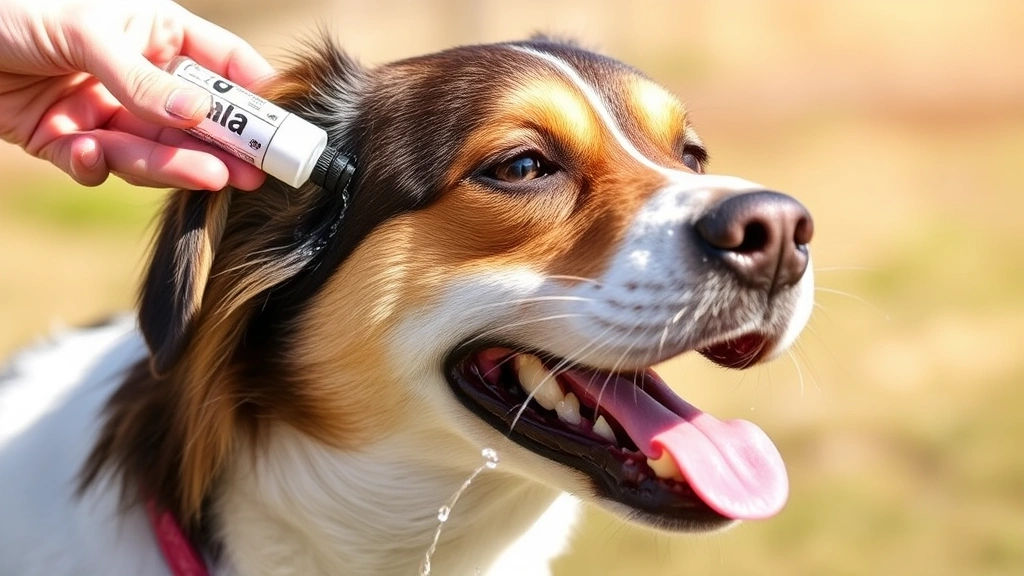
Supplies You’ll Need
Before you start cleaning, gather all your supplies so you’re not scrambling mid-process. Here’s what you’ll need:
- Dog ear cleaning solution: Choose a veterinarian-approved solution. Popular options include those containing chlorhexidine or acetic acid, which help dissolve wax and prevent bacterial growth.
- Cotton balls or gauze pads: Avoid using cotton swabs (Q-tips) as they can push debris deeper into the ear canal and potentially damage the eardrum.
- Towels: Have several on hand because cleaning ears can get messy!
- Treats: High-value treats will help keep your dog calm and make this a positive experience.
- Optional: ear cleaning wipes: Some pet parents prefer pre-moistened wipes for convenience, though a solution and cotton balls work just as well.
- Optional: ear drying powder: This can be helpful for dogs prone to moisture-related issues, especially those who swim frequently.
When selecting a cleaning solution, look for products recommended by your veterinarian. Many vets suggest solutions specifically formulated for dogs, as human ear cleaning products can be too harsh or have different pH levels that disrupt your dog’s ear health. If you’re unsure which product to choose, ask your vet during your next visit.
Step-by-Step Cleaning Guide
Now for the main event! Follow these steps to safely and effectively clean your dog’s ears:
Step 1: Prepare Your Dog
Choose a calm moment when your dog is relaxed, perhaps after a walk or play session. Have your treats ready and consider doing this in a bathroom or kitchen where spills are easy to clean up. If your dog is particularly anxious about ear handling, you might want to start by simply touching their ears during regular petting sessions to desensitize them to the sensation.
Step 2: Examine the Ear
Gently fold back your dog’s ear and take a look inside. This initial inspection helps you understand how much cleaning is needed and whether you spot any concerning issues. If you see signs that suggest infection rather than simple wax buildup, it’s better to stop and contact your vet.
Step 3: Apply the Cleaning Solution
Fill the ear canal with the cleaning solution. This might seem like a lot, but it’s necessary to effectively loosen debris. Most dogs tolerate this better if the solution is at room temperature. Gently squeeze the bottle to fill the canal, then massage the base of the ear for about 20-30 seconds. You’ll hear a squelching sound—that’s the solution doing its job, breaking up the wax and debris.
Step 4: Let Your Dog Shake
Here’s where the mess happens! Step back and let your dog shake their head vigorously. This is actually the most important part of the process because it helps dislodge debris from deeper in the canal. Don’t be surprised if brown, waxy material flies everywhere—that’s exactly what you want to happen. This is why the bathroom or kitchen is the ideal location!
Step 5: Wipe Away Debris
Using cotton balls or gauze pads, gently wipe away the loosened debris and excess solution from the visible parts of the ear. You can reach into the ear canal slightly, but never force anything deep into the ear. The goal is to remove what naturally comes out, not to probe aggressively.
Step 6: Dry the Ear
Use a dry cotton ball or gauze to gently dry the ear. Some pet parents use a blow dryer on the lowest, coolest setting held at a safe distance, but cotton balls work just fine. Ensuring the ear is dry helps prevent moisture-related infections and yeast growth.
Step 7: Reward Your Dog
Give your pup lots of praise and treats! This positive reinforcement makes future ear cleanings much easier and helps your dog associate the experience with good things.
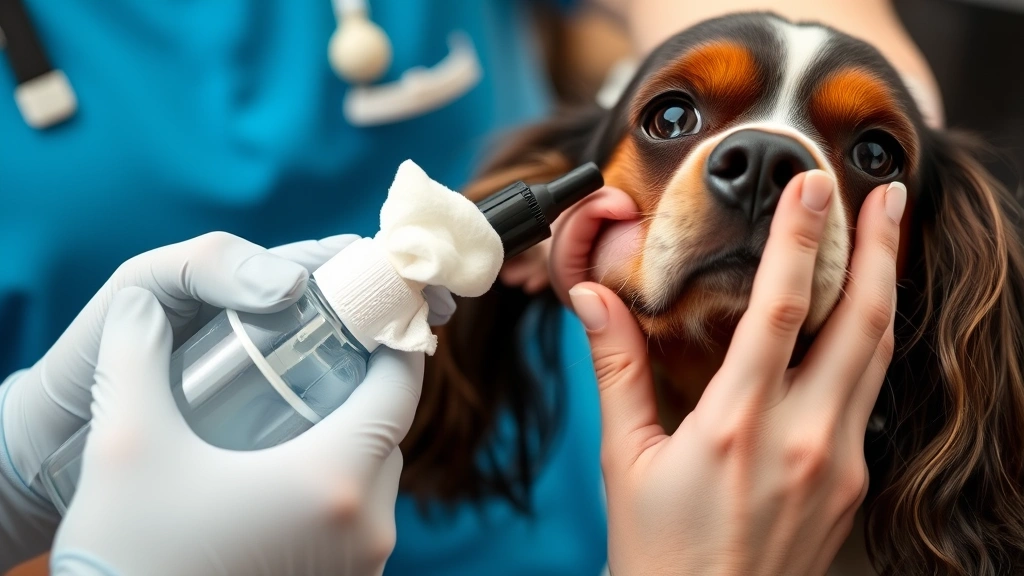
Common Ear Issues to Watch For
Understanding what can go wrong helps you catch problems early. Here are common ear issues you might encounter:
Ear Infections
Ear infections are incredibly common in dogs and can be bacterial or yeast-based. While regular cleaning can help prevent them, sometimes infections develop despite your best efforts. Signs include excessive discharge, strong odor, redness, and pain. If you suspect an infection, you can learn more about how to treat dog ear infection without vet supervision, though many infections require veterinary antibiotics or antifungal medications. Don’t delay seeking professional help if symptoms are severe or don’t improve with home care.
Ear Mites
These tiny parasites cause intense itching and produce a distinctive dark, coffee-ground-like discharge. If you’re wondering what do ear mites look like in dogs ears, they’re virtually invisible to the naked eye, but their effects are obvious. Ear mite infections typically require prescription treatment from your veterinarian.
Ear Hematoma
This is a blood blister that forms in the ear flap, usually from trauma or excessive scratching. While you can explore how to treat dog ear hematoma at home, severe cases often require veterinary intervention to prevent permanent ear damage.
Allergies
Dogs with allergies often experience ear inflammation and secondary infections. Addressing the underlying allergy is crucial for long-term ear health. Your vet can help identify allergens and develop a management plan.
Foreign Objects
Grass seeds, debris, and other foreign objects can get lodged in your dog’s ear canal. If you spot something that doesn’t look like normal wax or discharge, contact your vet rather than attempting removal yourself.
Prevention Tips
The best medicine is prevention! Here are strategies to keep your dog’s ears healthy:
- Establish a regular cleaning schedule: Most dogs benefit from ear cleaning every 2-4 weeks, though this varies by breed and individual needs. Dogs with floppy ears typically need more frequent cleaning than those with upright ears.
- Dry ears after water exposure: Whether your dog swims, bathes, or plays in the rain, always dry their ears thoroughly afterward. Moisture is the enemy when it comes to ear health.
- Keep hair trimmed: If your dog has hair that grows inside their ears, have it plucked or trimmed regularly. This improves air circulation and reduces moisture accumulation.
- Monitor for parasites: Fleas and lice can migrate to the ears and cause problems. Learn about how do dogs get fleas and maintain a good flea prevention routine. Similarly, understanding can dogs get lice helps you prevent these parasitic issues that can affect ear health.
- Address allergies: Work with your vet to identify and manage food or environmental allergies that might be causing ear inflammation.
- Avoid irritants: Be cautious about what gets into your dog’s ears. Chlorinated pool water, for example, can irritate sensitive ears.
- Regular vet checkups: During routine visits, your vet can examine your dog’s ears and catch problems early.
When to See Your Vet
While regular home cleaning is wonderful, some situations require professional veterinary care:
- Your dog shows signs of pain or severe discomfort in the ears
- There’s excessive discharge that doesn’t improve with cleaning
- The ear has a strong, foul odor that persists
- You notice bleeding or signs of trauma
- Your dog’s ear canal appears severely inflamed or swollen
- You suspect a foreign object is lodged in the ear
- Your dog has been scratching excessively for more than a few days
- You see discharge that appears green, yellow, or bloody
- Your dog is shaking their head constantly or seems disoriented
Your veterinarian has specialized equipment like an otoscope that allows them to see deep into the ear canal and identify problems you can’t see at home. They can also take samples if needed to determine whether an infection is bacterial or fungal, which helps them prescribe the right treatment. Don’t hesitate to call your vet if you’re unsure whether a situation warrants professional attention.
According to the American Kennel Club, regular ear maintenance is one of the most important aspects of dog grooming and health care. The ASPCA also emphasizes that preventive ear care can significantly reduce the incidence of infections and other ear-related problems in dogs.
Frequently Asked Questions
How often should I clean my dog’s ears?
The frequency depends on your dog’s breed, ear type, and individual needs. Dogs with floppy ears typically need cleaning every 2-3 weeks, while dogs with upright ears might only need monthly cleaning. Some dogs with chronic ear issues might need weekly attention. Your veterinarian can recommend the ideal schedule for your specific dog.
Can I use vinegar or hydrogen peroxide to clean my dog’s ears?
While some people use homemade solutions, veterinarian-approved commercial ear cleaning solutions are safer and more effective. Vinegar can be too acidic and irritating, while hydrogen peroxide can damage the delicate ear tissues. Stick with products formulated specifically for dogs.
What if my dog won’t let me clean their ears?
Start slowly by handling their ears during regular petting sessions without actually cleaning. Use high-value treats as rewards. You can also ask your vet about having a professional groomer or vet tech handle the cleaning if your dog is particularly resistant. Some dogs do better with the process after they’ve had it done professionally a few times.
Is it normal for ears to smell a little?
Healthy dog ears should have minimal odor. A slight waxy or neutral smell is normal, but any yeasty, sour, or distinctly unpleasant smell indicates a problem that needs attention. Trust your nose—it’s often the first sign of trouble.
Can I use human ear cleaning products on my dogs?
No, you should avoid human ear cleaning products. Dogs’ ears have different pH levels and sensitivity than human ears, and products designed for people can irritate or damage your dog’s ear canal. Always use products specifically formulated for dogs.
What’s the difference between ear cleaning and ear treatment?
Cleaning is a preventive maintenance routine for healthy ears. Treatment involves using medicated solutions or medications to address infections or other ear problems. If your dog has an active infection, you’ll need treatment medications in addition to cleaning, and these should be prescribed by your veterinarian.
My dog has a lot of hair in their ears. Should I pluck it out?
Yes, hair inside the ear canal should be removed to improve air circulation. However, the proper technique is important. Some people prefer to have a professional groomer or veterinarian do this, as improper plucking can cause discomfort or injury. If you do it yourself, be very gentle and use a proper ear hair removal powder to make the process easier.
Can ear cleaning prevent ear infections?
Regular cleaning significantly reduces the risk of infections by removing the debris and moisture that bacteria and yeast thrive on. However, it’s not a guaranteed prevention method. Dogs with allergies or certain medical conditions might still develop infections despite excellent ear care. Cleaning is one important part of a comprehensive ear health strategy.





