

How to Stop Your Dog from Digging: Expert Tips
If you’ve ever stepped outside to find your once-pristine yard transformed into a moonscape of craters, you’re not alone. Dog digging is one of the most common behavioral challenges pet owners face, and it can be absolutely maddening. Whether your furry friend is excavating under the fence, creating trenches through your flower beds, or turning your patio into an archaeological dig site, understanding the root cause is your first step toward reclaiming your outdoor space.
The good news? Digging is a completely natural canine behavior, and with the right approach, you can redirect it effectively. Rather than simply punishing your pup, successful solutions involve understanding why your dog digs in the first place and providing appropriate outlets for this instinctual drive. This comprehensive guide will walk you through proven strategies, expert recommendations, and practical solutions that actually work.
Let’s dig into the details (pun intended!) and get your yard back to looking like the peaceful oasis you deserve.
Understanding Why Dogs Dig
Before you can effectively address the digging behavior, you need to understand what’s driving it. Dogs don’t dig just to annoy you (though it certainly feels that way sometimes). There are legitimate biological and psychological reasons behind this behavior. According to the American Kennel Club, digging is hardwired into many dog breeds, particularly terriers and hound dogs that were originally bred to hunt small animals.
When you understand why do dogs dig, you’ll be better equipped to address the specific cause in your own pup. Some dogs dig to escape the heat, others to create a cool den for sleeping. Anxiety-driven digging is another common culprit, as is boredom. Your dog might also be digging because they’ve caught the scent of a small animal beneath the surface, or they’re simply following their breed instincts. Female dogs may dig to prepare a nesting area before giving birth.
The most important thing to remember is that punishment rarely works for digging behavior. Your dog isn’t being malicious; they’re responding to internal drives and external stimuli. Understanding this distinction will help you approach the problem with empathy while still maintaining firm boundaries.
Recognizing the Digging Problem
Not all digging is created equal, and the pattern of your dog’s digging can actually give you valuable clues about what’s motivating the behavior. Some dogs dig in specific locations, while others are equal-opportunity excavators. Pay attention to where, when, and how often your dog digs.
If your dog digs primarily near the fence line, they may be trying to escape or responding to external stimuli like other animals or sounds. Digging in the middle of the yard often indicates cooling-seeking behavior or the pursuit of underground critters. Digging near the door or in the shade suggests your pup might be dealing with heat stress or anxiety. Understanding these patterns is crucial for implementing the right solution.
You might also notice that why do dogs scratch their beds is related to the same instinctual behaviors driving yard excavation. Both behaviors stem from the dog’s desire to create a comfortable, safe space. This connection can help you understand your dog’s overall comfort and security needs.
Proven Solutions to Stop the Digging
Now that you understand the motivation behind the behavior, let’s explore practical solutions. The most effective approach combines multiple strategies tailored to your dog’s specific situation.
Increase Physical Exercise
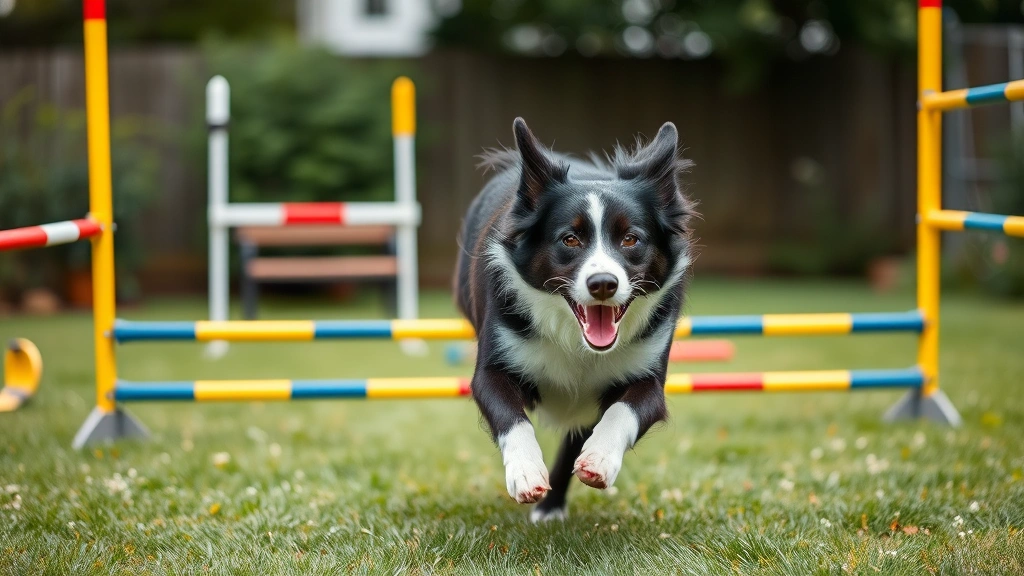
A tired dog is far less likely to engage in destructive behaviors. Most digging problems are exacerbated by insufficient exercise and mental stimulation. According to the ASPCA, dogs need at least 30 minutes to 2 hours of exercise daily, depending on breed and age. Increase your dog’s activity level with longer walks, running sessions, or interactive play. A well-exercised dog is more likely to rest peacefully rather than excavate your yard.
Provide Mental Enrichment
Mental stimulation is just as important as physical exercise. Puzzle toys, interactive feeders, and training sessions can occupy your dog’s mind and reduce boredom-related digging. Rotate toys regularly to maintain novelty and interest. Consider teaching your dog new tricks or commands—mental work is genuinely exhausting for dogs.
Address Anxiety Issues
If your dog’s digging is anxiety-driven, you may need to work with a professional trainer or veterinary behaviorist. Separation anxiety, noise phobias, and general anxiety can all manifest as digging behavior. In some cases, your veterinarian might recommend calming supplements or anxiety medications alongside behavioral modification.
Environmental Changes That Work
Sometimes the simplest solution is modifying your dog’s environment. Strategic environmental changes can dramatically reduce or eliminate digging behavior without requiring constant intervention.
Create a Designated Digging Area
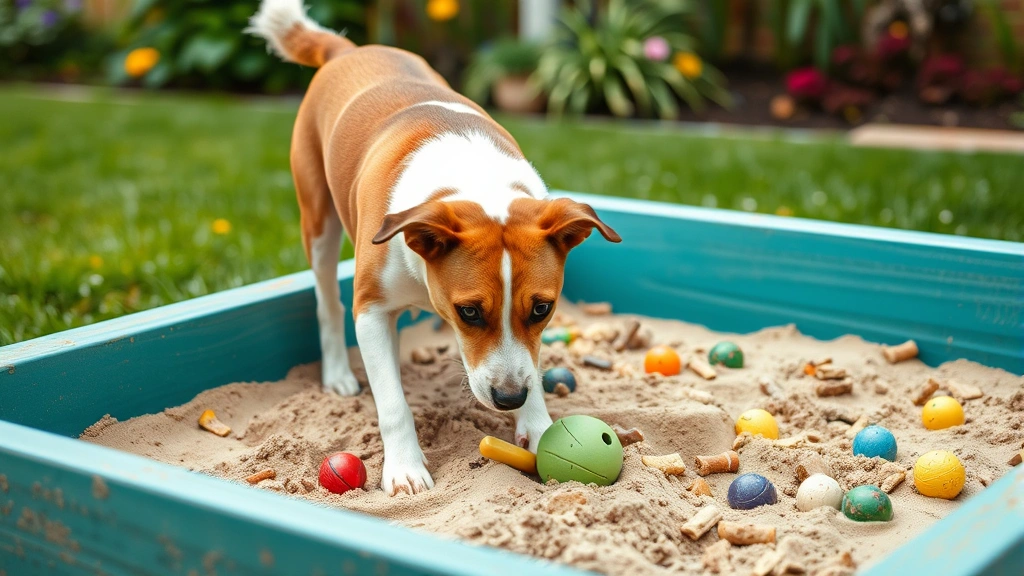
Rather than trying to stop digging entirely, consider channeling it into an appropriate space. Create a sandbox or designated digging pit filled with soft soil or sand. Bury toys, treats, and chews in this area to make it irresistible. This satisfies your dog’s digging instinct while protecting the rest of your yard. Learning how to stop a dog from digging often involves giving them an appropriate outlet rather than complete suppression.
Install Barriers and Fencing
If your dog is digging under the fence to escape, install an L-shaped barrier by burying fencing material at a 90-degree angle beneath the existing fence. Alternatively, you can add a footer of fencing that extends underground. This physical barrier prevents escape attempts and discourages digging at the fence line.
Manage Shade and Temperature
Dogs that dig to cool themselves need adequate shade and fresh water. Ensure your yard has shaded areas, consider installing a dog house with good ventilation, or use shade cloth during hot months. In extreme heat, limit outdoor time and provide indoor air conditioning. A dog that’s comfortable temperature-wise is far less likely to dig cooling holes.
Remove Temptations
If your dog is digging because they’ve detected burrowing animals, you may need to address the underlying pest problem. Remove or secure food sources that attract rodents and insects. Keep your lawn well-maintained and consider professional pest control if necessary. This removes the motivation for prey-driven digging.
Training Techniques and Redirection
Beyond environmental modifications, active training and redirection are essential components of how to keep dogs from digging. These techniques work best when combined with the environmental strategies mentioned above.
The Redirect Method
When you catch your dog in the act of digging, immediately redirect their attention to an appropriate activity. Use a toy, treat, or command to engage them in something else. Praise and reward the redirection heavily. This teaches your dog that digging results in interruption and redirection, while alternative behaviors bring rewards. Consistency is absolutely critical with this method.
Positive Reinforcement Training
Rather than focusing on what your dog shouldn’t do, emphasize what they should do instead. Reward your dog for playing with toys, lying in their bed, or engaging with you instead of digging. Use high-value treats and enthusiastic praise. Over time, your dog will learn that non-digging behaviors are more rewarding than excavation.
Crate Training and Management
For persistent diggers, crate training or limiting unsupervised outdoor access can prevent the behavior from becoming more ingrained. While this isn’t a permanent solution, it prevents your dog from practicing and reinforcing the digging habit while you’re working on addressing the underlying cause. Dogs naturally avoid soiling their sleeping area, so a properly-sized crate can be effective for management.
Understanding Discipline in Context
If you’re considering correction-based approaches, it’s crucial to understand the difference between effective discipline and punishment. Learning how to discipline a dog properly means using immediate, appropriate consequences that your dog can connect to their behavior. However, most trainers agree that positive reinforcement is far more effective than punishment for digging issues. Punishment often increases anxiety, which can worsen digging behavior.
Prevention Strategies for the Future
Once you’ve successfully reduced or eliminated the digging behavior, maintaining your progress requires ongoing commitment to prevention and management. These strategies will help ensure the problem doesn’t resurface.
Maintain Exercise Routines
Don’t let your guard down once the digging stops. Continue providing consistent exercise and mental enrichment. A dog that’s physically and mentally satisfied is significantly less likely to develop problematic behaviors. Make exercise a non-negotiable part of your daily routine.
Regular Yard Inspections
Check your yard regularly for new digging spots. If you notice fresh holes appearing, address the situation immediately using the techniques outlined above. Early intervention prevents the behavior from becoming a deeply ingrained habit.
Seasonal Adjustments
Adjust your strategy seasonally. During hot months, focus on cooling solutions. During breeding season, spayed and unspayed females may have increased nesting instincts. In cooler months, ensure your dog has appropriate shelter. These seasonal adjustments prevent recurring problems.
Professional Support
Don’t hesitate to consult with a certified professional dog trainer or veterinary behaviorist if problems persist. They can provide personalized solutions tailored to your specific situation. According to the International Association of Canine Professionals, certified trainers can assess your dog’s behavior and recommend evidence-based interventions.
If you’re looking for comprehensive strategies about how to keep dogs out of your yard or manage multiple behavioral issues, a professional can help you develop an integrated plan that addresses all concerns.
Frequently Asked Questions
Why is my dog digging so much all of a sudden?
Sudden increases in digging behavior often indicate a change in your dog’s environment, routine, or emotional state. Common triggers include new pets or people in the household, changes in your work schedule, medical issues causing discomfort, or increased anxiety. If the behavior appears suddenly, consult your veterinarian to rule out underlying health problems. Stress and anxiety are also common culprits—think about what’s changed in your dog’s life recently.
Will punishment stop my dog from digging?
Punishment is generally ineffective for digging behavior and can actually make things worse. Dogs don’t dig to be naughty; they dig because of internal drives or external triggers. Punishment often increases anxiety, which can intensify digging behavior. Additionally, if your dog is punished while you’re not present, they won’t connect the punishment to the behavior. Positive reinforcement and environmental management are far more effective approaches.
How long does it take to stop a dog from digging?
The timeline depends on the underlying cause and your dog’s individual personality. Some dogs respond within weeks to consistent training and environmental changes, while others take several months. Consistency is key—if you apply solutions inconsistently, your dog will continue the behavior. Most trainers recommend allowing at least 4-8 weeks of consistent effort before evaluating whether your approach is working.
Is digging a sign of a health problem?
While digging is usually behavioral, excessive digging can sometimes indicate underlying health issues. Skin allergies, parasites, or pain can cause dogs to dig excessively. If your dog’s digging is accompanied by hair loss, excessive scratching, or other symptoms, consult your veterinarian. A veterinary behaviorist can help determine whether the behavior is medical or purely behavioral in nature.
Can certain breeds be trained not to dig?
All dogs can be trained to reduce digging behavior, but some breeds have stronger digging instincts than others. Terriers, dachshunds, and huskies were bred for digging and have particularly strong drives. These breeds may need more robust environmental management and more frequent outlets for their digging instinct. Rather than completely suppressing the behavior, providing appropriate digging opportunities is often more realistic for high-drive breeds.
What’s the best way to fill in digging holes?
Simply filling holes without addressing the underlying behavior usually results in new holes appearing in the same spot. However, once you’ve addressed the cause, you can fill existing holes with topsoil and grass seed or sod. Remove any debris or rocks that might make the area attractive for future digging. If the holes are near the fence, ensure you’ve installed proper barriers to prevent escape attempts.





