
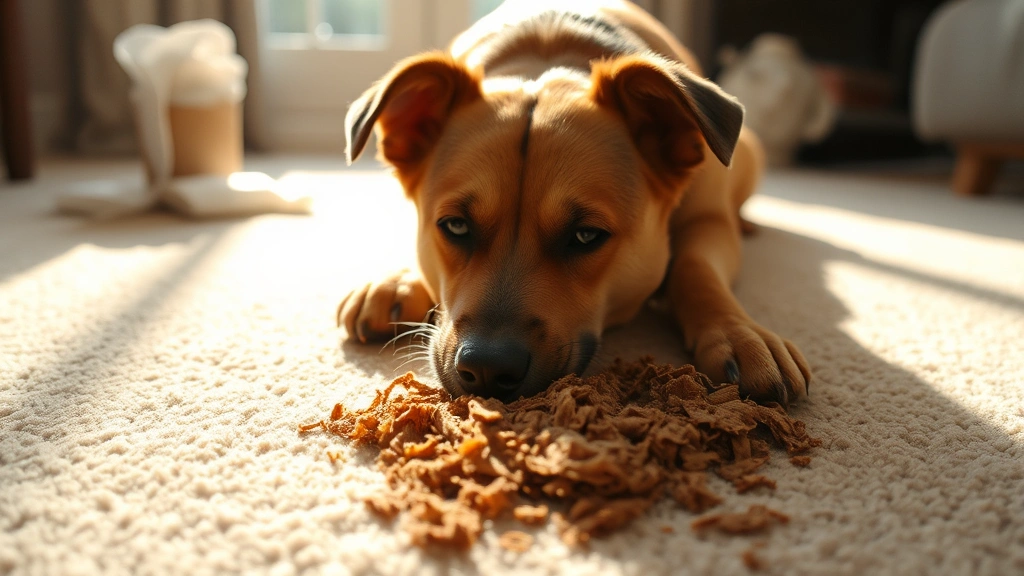
How to Remove Dog Poop from Carpet: Easy Steps
Let’s be honest—one of the less glamorous aspects of dog ownership is dealing with the occasional accident on your carpet. Whether you have a puppy still learning the ropes, a senior dog with mobility issues, or just an unlucky day, dog poop on carpet is a situation most pet parents face at some point. The good news? It’s totally manageable, and we’re here to walk you through it with practical, effective solutions that’ll have your carpet looking (and smelling) fresh again.
The key to success is acting quickly and using the right approach. Panic and elbow grease alone won’t cut it—you need a strategy. In this guide, we’ll cover everything from initial cleanup to deep cleaning techniques, plus some preventative tips to help minimize future incidents. By the end, you’ll be a carpet-cleaning pro ready to tackle any mess your furry friend throws your way.
Immediate Cleanup: The First 5 Minutes
Time is your best friend when dealing with fresh dog accidents. The longer waste sits on your carpet, the more it can absorb into the fibers and padding underneath, making removal significantly harder. Within the first five minutes, you want to contain the situation and remove as much solid material as possible.
Start by grabbing paper towels or disposable gloves—don’t use anything you’ll want to keep. Gently pick up any solid waste using a paper towel or plastic bag. The goal here is to remove the bulk without smearing it deeper into the carpet fibers. Work from the outer edges of the mess toward the center to prevent spreading. If the accident is particularly wet or loose, you might want to use a plastic scraper or old credit card to gently lift material away from the carpet surface.
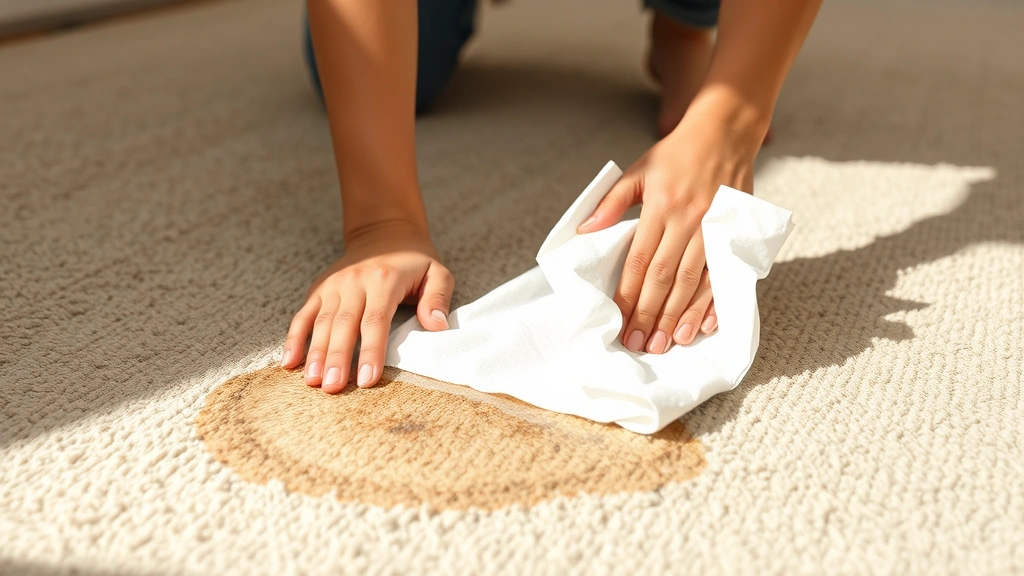
Once you’ve removed the solid portion, blot (don’t rub!) the area with dry paper towels to absorb excess moisture. This blotting action is crucial—rubbing will only push the mess deeper into your carpet’s fibers and make your job exponentially harder. Press down firmly and let the paper towels do the work for you.
Supplies You’ll Need
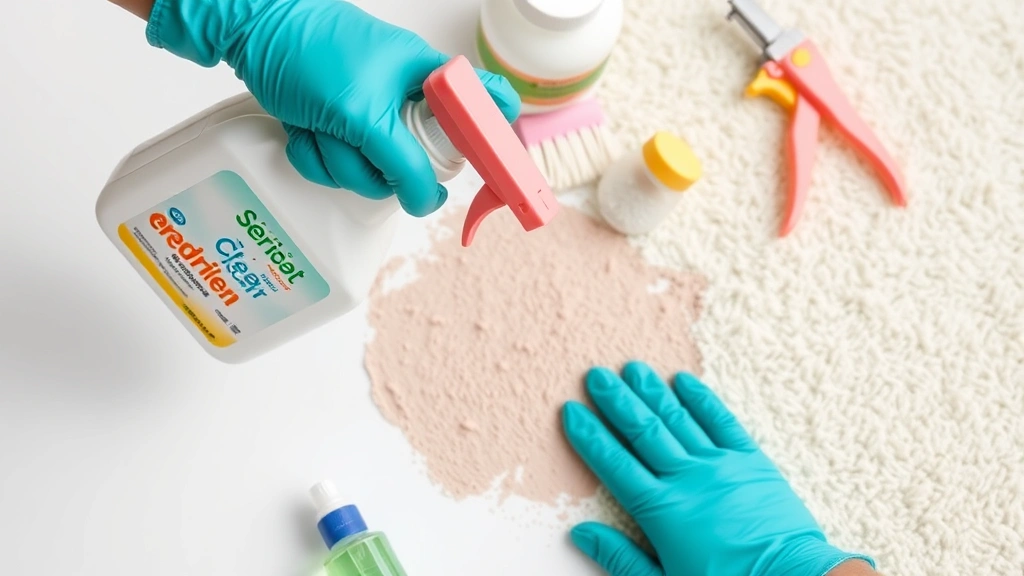
Before you start the actual cleaning process, gather your arsenal of supplies. Having everything on hand means you won’t waste time running around your house mid-cleanup, which is especially important when dealing with fresh accidents.
- Enzymatic cleaner: This is your MVP. Enzymatic cleaners break down the organic compounds in dog waste, eliminating both stains and odors at the source. Look for products specifically designed for pet messes.
- White vinegar: A natural deodorizer and mild disinfectant that’s safe for pets and carpets.
- Baking soda: Perfect for absorbing odors and moisture. It’s inexpensive and non-toxic.
- Hydrogen peroxide (3%): Effective for breaking down stains, though always test on a hidden carpet area first.
- Paper towels or old rags: Keep plenty on hand for blotting.
- Spray bottles: For applying cleaning solutions evenly.
- Plastic scraper: Helps lift dried material without damaging carpet fibers.
- Wet/dry vacuum (optional but helpful): Makes extracting moisture much easier.
Step-by-Step Removal Process
Now that you’ve done the initial cleanup and gathered your supplies, let’s tackle the actual stain removal. This process works for both fresh and older accidents, though fresh ones are definitely easier to handle.
Step 1: Assess the Damage
Take a moment to evaluate what you’re working with. Is it a small, localized spot or a larger area? Is the carpet still wet or has it dried? This will help you determine which cleaning method to use. For fresh accidents, proceed immediately. For older stains, you might need to rehydrate them slightly with a bit of water before treating.
Step 2: Apply Enzymatic Cleaner
This is where the magic happens. Enzymatic cleaners contain proteins that break down the organic material in dog waste. Follow the product instructions carefully—most require you to spray the cleaner generously over the affected area and let it sit for 10-15 minutes. Don’t skimp on the amount; you want enough cleaner to penetrate the carpet fibers and padding.
Step 3: Let It Work
Patience is key here. Resist the urge to immediately scrub. The enzymes need time to do their job. Use this time to set a timer or grab a cup of coffee. Most enzymatic cleaners work best when given 10-30 minutes of contact time with the stain.
Step 4: Blot Thoroughly
After the waiting period, use clean paper towels or a cloth to blot up the cleaner. Press down firmly to extract as much liquid as possible. You should see the stain transferring to your cleaning cloth. Repeat with fresh paper towels until the area is mostly dry. This is crucial for preventing mold and mildew growth in your carpet padding.
Step 5: Rinse if Necessary
Some enzymatic cleaners require rinsing with plain water to remove residue. Check your product instructions. If rinsing is needed, spray the area lightly with water and blot again with clean paper towels. A wet/dry vacuum is incredibly useful here if you have one.
Deep Cleaning Methods
For stubborn stains or older accidents, you might need to bring in the heavy artillery. These methods go beyond surface cleaning to tackle stains that have settled into carpet padding.
The Vinegar and Baking Soda Method
This classic combination is surprisingly effective. First, sprinkle baking soda generously over the stained area and let it sit for 15-30 minutes. The baking soda will absorb odors and moisture. Vacuum it up thoroughly. Next, mix equal parts white vinegar and water in a spray bottle. Spray the area until damp (not soaking) and let it sit for 10 minutes. The vinegar’s acidity helps break down stains and neutralizes odors. Blot with clean towels until dry. Your carpet might smell a bit vinegary at first, but this dissipates quickly.
The Hydrogen Peroxide Method
For light-colored carpets, hydrogen peroxide can be effective. Always test it on a hidden area first, as it can bleach some carpet colors. Mix equal parts 3% hydrogen peroxide and water. Apply to the stain and let sit for 5-10 minutes. Blot thoroughly with clean towels. The fizzing action helps lift stains from carpet fibers. Never use this method on dark-colored carpets.
Professional Carpet Cleaning
For persistent stains or large affected areas, calling in professional carpet cleaners might be your best bet. They have industrial-strength equipment and specialized knowledge about different carpet types. They can often remove stains that home methods can’t touch, and they’ll help prevent long-term damage to your carpet.
Eliminating Lingering Odors
Even after the visible stain is gone, odor can linger—and that’s a problem because your dog can still smell it. Dogs are drawn back to spots where they’ve had accidents before, creating a cycle of repeated accidents in the same location. Breaking this cycle means completely eliminating the odor.
Why Odor Persists
Dog waste contains bacteria and organic compounds that create stubborn smells. These can seep deep into carpet padding and even into the subfloor beneath. Surface cleaning alone often won’t eliminate them completely. That’s why enzymatic cleaners are so valuable—they actually break down the compounds causing the smell, rather than just masking it.
Odor-Fighting Strategies
After cleaning, sprinkle baking soda over the area and let it sit overnight. Baking soda is a natural odor absorber and won’t harm your carpet or pets. Vacuum it up thoroughly the next day. You can also use commercial pet odor eliminators, which often contain enzymes similar to enzymatic cleaners. Some people swear by activated charcoal placed near problem areas to absorb lingering smells.
If odors persist despite your efforts, the damage might extend to the carpet padding or subfloor. In these cases, you may need professional remediation or even carpet replacement in severe situations. This is where learning how to stop dog peeing in the house becomes especially important for preventing future damage.
Prevention Tips for Future Accidents
The best carpet cleaning is the one you never have to do. While accidents happen, strategic prevention can minimize their frequency.
House Training Excellence
For puppies, consistent house training is essential. Take your puppy out frequently—after meals, naps, playtime, and before bedtime. Praise and reward outdoor bathroom breaks enthusiastically. Crate training can help, as dogs naturally avoid soiling their sleeping areas. If you’re struggling with training, consult with a professional dog trainer or your veterinarian.
Medical Considerations
If your adult dog suddenly starts having accidents indoors, a veterinary visit is in order. Urinary tract infections, digestive issues, and age-related incontinence can all cause unexpected accidents. Your vet can rule out medical causes and recommend appropriate treatment. For senior dogs dealing with incontinence, products like managing dog pee out of mattresses and washable pee pads can be lifesavers.
Frequent Bathroom Breaks
Ensure your dog has regular opportunities to go outside. Most adult dogs do well with bathroom breaks every 6-8 hours, though individual needs vary. Senior dogs and those with health issues may need more frequent breaks. If you work long hours, consider hiring a dog walker or using doggy daycare services.
Enzymatic Deterrents
Once you’ve thoroughly cleaned an accident spot using enzymatic cleaners, the smell should be gone to human noses. However, if your dog keeps returning to the same spot, you might consider using enzymatic deterrent sprays that discourage dogs from re-marking areas.
Protective Measures
For puppies or dogs prone to accidents, consider using washable area rugs or pee pads in high-risk areas. These are much easier to clean than wall-to-wall carpet. Some pet parents also use baby gates to restrict their dogs’ access to carpeted areas until house training is complete or until medical issues are resolved.
Frequently Asked Questions
What’s the best product for removing dog poop from carpet?
Enzymatic cleaners are widely considered the gold standard for pet waste removal. Brands like Nature’s Miracle, Rocco & Roxie, and Rockin’ Green are highly rated by pet owners and veterinarians. These products contain enzymes that break down the organic compounds in dog waste, eliminating both stains and odors at the source. For a comprehensive guide, you might want to review how to clean dog poop out of carpet for product recommendations.
Can I use bleach to clean dog poop from carpet?
No, bleach is not recommended for carpet cleaning after dog accidents. While bleach is a disinfectant, it can damage carpet fibers, cause discoloration, and create toxic fumes when mixed with urine. Stick with enzymatic cleaners, vinegar, or hydrogen peroxide (on light carpets only) for safer, more effective results.
How long does it take to remove dog poop stains?
Fresh stains can often be removed in 30-45 minutes using enzymatic cleaners. Older, set-in stains may require multiple treatments or professional cleaning. The key is acting quickly—the sooner you treat the stain, the easier it is to remove.
Why does my dog keep pooping in the same spot?
Dogs are attracted to areas where they’ve had previous accidents because they can still smell the faint traces of waste, even after human cleaning. This is why complete odor elimination is crucial. Additionally, medical issues, incomplete house training, stress, or behavioral problems can cause repeated accidents in the same location. If this persists, consult your veterinarian or a professional dog trainer.
Is it safe to use enzymatic cleaners around pets?
Yes, enzymatic cleaners are generally safe for pets. They’re made from naturally occurring enzymes and are designed specifically for pet messes. However, always follow product instructions and keep pets away from the area while the cleaner is working. Most enzymatic cleaners are non-toxic, but it’s still best to prevent your dog from ingesting them. If you have concerns about specific products, contact the manufacturer or consult your veterinarian.
What if the stain has already dried?
Dried stains are tougher but not impossible to remove. Start by lightly misting the area with water to rehydrate it, then apply your enzymatic cleaner and follow the standard removal process. You might need to repeat the process multiple times or use a combination of methods. For particularly stubborn dried stains, professional carpet cleaning might be your best option.
How can I prevent my carpet from smelling like dog poop after cleanup?
Complete odor elimination requires using enzymatic cleaners that break down the source of the smell, not just mask it. After using an enzymatic cleaner, sprinkle baking soda over the area and let it sit overnight before vacuuming. Ensure the area dries completely to prevent mold growth. If odors persist, the problem might extend to carpet padding or the subfloor, requiring professional intervention or carpet replacement.
Should I use a carpet cleaner machine for dog poop stains?
Carpet cleaning machines can be helpful for extracting moisture and cleaning solution, but they’re not necessary for basic stain removal. For fresh accidents, enzymatic cleaners and blotting with paper towels are usually sufficient. Machines become more useful for deep cleaning or when dealing with multiple stains. If you don’t own one, you can rent them from hardware stores or hire professionals.
What’s the difference between cleaning dog poop and dog pee stains?
While the general cleaning approach is similar, dog pee stains often require more aggressive odor elimination because urine penetrates carpet fibers more deeply than solid waste. You might need to treat urine stains multiple times or use specialized enzymatic cleaners designed specifically for urine. The same enzymatic cleaners work for both, but urine-specific products often contain additional odor-neutralizing compounds. For more detailed guidance, check out our article on how to get out dog poop from carpet.





