
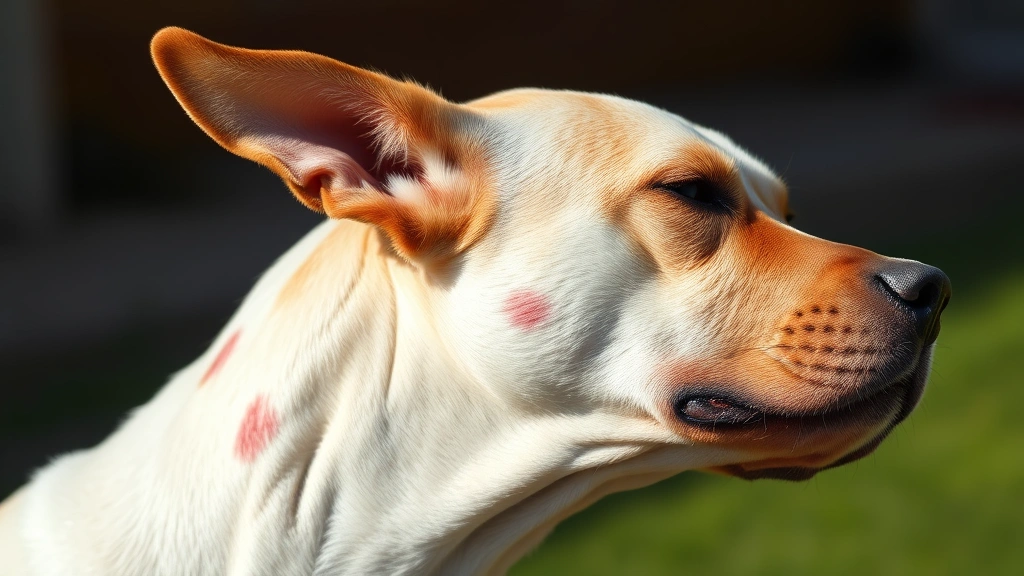
So you’ve discovered that how do I get rid of dog mites is suddenly the most important question in your life—welcome to the club, friend. If your pup has been scratching like they’re auditioning for a flea circus, you’re probably dealing with one of the most annoying parasites known to dog owners. The good news? We’re about to walk through five proven solutions that’ll have your furry friend feeling relief faster than you can say “stop the itching.”
Table of Contents
- Understanding Dog Mites: What Are We Dealing With?
- Solution 1: Professional Veterinary Treatment for Mite Infestation
- Solution 2: Medicated Baths and Topical Solutions
- Solution 3: Environmental Cleaning and Mite Management
- Solution 4: Nutritional Support and Immune System Boosting
- Solution 5: Consistent Monitoring and Prevention Strategies
- Common Mistakes People Make When Treating Dog Mites
- When to Seek Emergency Veterinary Care
- Real Talk: Timeline and Expectations
- Preventative Measures: Never Deal With This Again
- Frequently Asked Questions
Understanding Dog Mites: What Are We Dealing With?
Before we talk about getting rid of dog mites, let’s understand what these microscopic troublemakers actually are. Mites are tiny parasites that burrow into your dog’s skin or live in their ear canals, causing inflammation, itching, and sometimes secondary infections. There are several types: sarcoptic mites (the contagious kind), demodectic mites (the “I live on your dog naturally” kind), and ear mites (the ear canal specialists). Your vet can identify which type is crashing your dog’s skin party by doing a simple skin scraping or ear exam.
Solution 1: Professional Veterinary Treatment for Mite Infestation
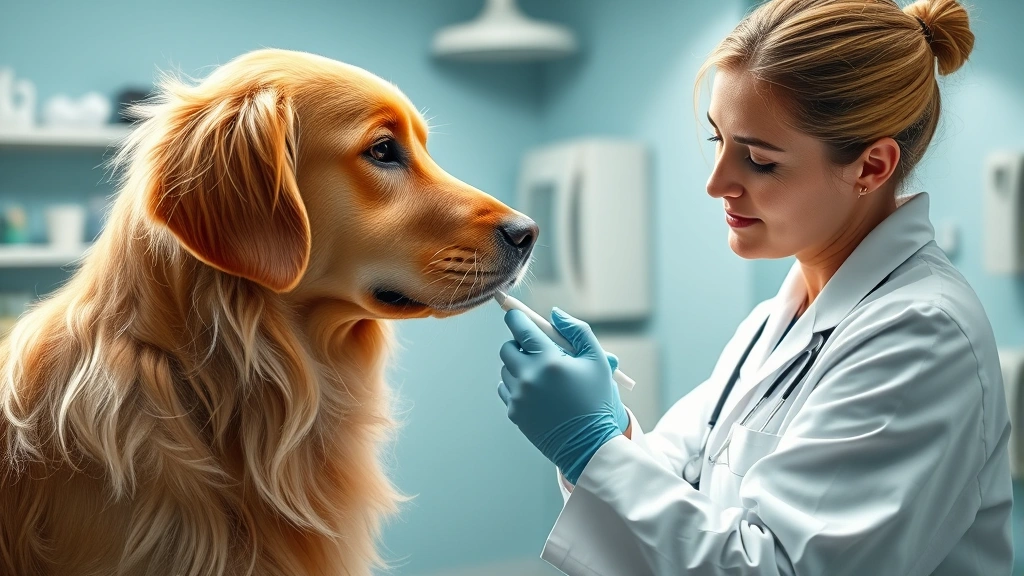
This is your nuclear option, and honestly, it’s the most reliable way to handle dog mites. Your vet has prescription-strength treatments that work way better than anything you’ll find at the pet store. They might recommend topical treatments like Revolution, Advantage, or Bravecto, which are applied directly to your dog’s skin. Alternatively, they could prescribe oral medications like Ivermectin or Apoquel, depending on the mite type and severity.
The beauty of going professional? Your vet confirms you’re actually dealing with mites (not allergies or other skin conditions masquerading as mites), and they’ll monitor your dog’s progress. Plus, if your pup develops a secondary skin infection from all that scratching, your vet can address that too. This approach typically costs $100-$300 but saves you weeks of guesswork and potential complications.
Solution 2: Medicated Baths and Topical Solutions
If you want to complement professional treatment or handle mild cases, medicated baths are your friend. Sulfur-based dips and benzoyl peroxide shampoos are specifically formulated to kill mites and soothe irritated skin. You’ll want to bathe your dog 1-2 times per week for 4-6 weeks, making sure to really work the shampoo into their coat and let it sit for 10 minutes before rinsing.
Here’s the real talk: these baths smell absolutely terrible (like rotten eggs mixed with old gym socks), but your dog will thank you with less scratching. Always follow product instructions carefully, and never use human products on your pup—their skin pH is different, and you could make things worse. If your dog has open sores from scratching, check with your vet before starting any home treatment regimen.
Solution 3: Environmental Cleaning and Mite Management
Mites don’t just live on your dog—they party in bedding, furniture, and carpets too. To truly get rid of dog mites, you need to wage war on their favorite hangout spots. Wash all your dog’s bedding, blankets, and toys in hot water weekly. Vacuum carpets and furniture regularly, and don’t skip under the couch (that’s mite paradise). If your dog has a favorite sleeping spot, consider replacing the cushion entirely.
For sarcoptic mites specifically, you might need to treat other pets in the household since they’re contagious. Demodectic mites, on the other hand, typically aren’t contagious to other dogs, so you can breathe a little easier there. Disinfect food and water bowls regularly, and consider using washable covers on furniture your dog frequents. It sounds like overkill, but environmental control is half the battle in eliminating mites completely.
Solution 4: Nutritional Support and Immune System Boosting
Here’s something most people don’t think about: a strong immune system helps your dog fight off mite infestations naturally. Dogs with poor nutrition or compromised immune systems struggle harder against parasites. Make sure your pup is eating high-quality dog food rich in omega-3 and omega-6 fatty acids, which support skin health and reduce inflammation. You might also consider adding fish oil supplements to their diet—about 1,000 mg per 30 pounds of body weight daily.
Probiotics are another underrated weapon. A healthy gut microbiome strengthens your dog’s immune response, helping them bounce back faster from mite infestations. Before adding supplements, consult your vet or check out our Virtual Vet Consultation for Diet Questions to ensure you’re giving your dog the right nutritional support. Proper nutrition won’t cure mites alone, but it’s a powerful supporting player in the recovery team.
Solution 5: Consistent Monitoring and Prevention Strategies
Once you’ve started treatment, don’t just assume your dog is mite-free after a few weeks. Consistent monitoring is crucial. Watch for signs of improvement: less scratching, healthier-looking skin, and reduced redness. Most mite treatments take 4-8 weeks to show complete results, so patience is key. If you don’t see improvement after three weeks, contact your vet—you might be dealing with a resistant strain or a different condition entirely.
Prevention is way easier than treatment, so once you’ve kicked the mites to the curb, keep them out. Regular grooming helps you spot skin issues early, and monthly preventative treatments (like those prescribed by your vet) stop mites before they become a problem. Keep your dog’s immune system strong, maintain good hygiene practices, and avoid exposing your pup to other infested animals. In case of any concerns about toxic substances or accidental ingestion during treatment, you can always reach out to our Pet Poison Hotline resource.
Common Mistakes People Make When Treating Dog Mites
Let’s talk about what NOT to do, because people mess this up all the time. First mistake: stopping treatment too early. Your dog feels better after two weeks, so you quit—but the mites are just hiding, waiting to resurface. Finish the full treatment course even if symptoms disappear. Second mistake: using human anti-itch creams or home remedies without vet approval. Some “natural” treatments can actually irritate your dog’s skin further or interfere with prescribed medications.
Third mistake: ignoring environmental cleaning. You can treat your dog all day long, but if mites are still partying in the bedding, you’re fighting a losing battle. Fourth mistake: not addressing secondary infections. Constant scratching opens the door to bacterial infections that need antibiotics, not just mite treatment. Finally, the biggest mistake is delaying veterinary care. Home remedies might feel cheaper initially, but a vet visit upfront saves you money and your dog’s comfort in the long run.
When to Seek Emergency Veterinary Care
Most mite cases aren’t emergencies, but certain situations warrant immediate vet attention. If your dog develops severe swelling, has difficulty breathing, or shows signs of anaphylaxis after treatment, get to an emergency vet immediately. If your dog’s skin becomes severely infected with pus-filled sores, or if they develop signs of systemic infection (fever, lethargy, loss of appetite), that’s also emergency territory. Our Emergency Vet for Food Poisoning resource can help you locate emergency services, though this is more relevant for toxin exposure during treatment mishaps.
Additionally, if your dog is a puppy, senior, or has pre-existing health conditions, always consult your vet before starting any mite treatment. Some medications aren’t safe for certain age groups or health statuses, and your vet needs to know your dog’s full medical history before prescribing anything.
Real Talk: Timeline and Expectations
Let’s be honest about what to expect. Getting rid of dog mites isn’t an overnight process. Most cases take 4-8 weeks of consistent treatment to fully resolve. You might see improvement in scratching within the first week or two, but complete skin healing takes longer. Don’t get discouraged if your dog still itches occasionally after a few weeks—healing is a process, and skin regeneration doesn’t happen overnight.
During treatment, your dog might experience some temporary discomfort from medicated baths or topical applications. Some dogs get a little dry skin or temporary hair loss as the skin heals. This is normal and usually resolves once treatment is complete. Keep your vet updated on progress, and don’t hesitate to ask questions if something seems off. Your vet wants your dog healthy just as much as you do.
Preventative Measures: Never Deal With This Again
Once you’ve successfully eliminated mites, prevention is your new best friend. Use monthly preventative treatments prescribed by your vet—these stop mites before they start. Regular grooming (weekly brushing) helps you spot skin issues early before they become infestations. Keep your dog’s living environment clean, wash bedding regularly, and maintain good overall health through proper nutrition and exercise.

Avoid exposing your dog to other animals with visible skin problems, and be cautious at dog parks if you notice other dogs scratching excessively. If you have multiple pets, treat them all simultaneously if one has sarcoptic mites, since they’re contagious. Regular vet checkups catch skin problems early, before they spiral into full-blown infestations. Prevention truly is the best medicine when it comes to mites.
Frequently Asked Questions
Can I catch dog mites from my pet?
Sarcoptic mites can temporarily affect human skin, causing itching and small bumps, but they can’t complete their life cycle on humans. Demodectic mites don’t affect humans at all. If you’re itching after contact with your dog, it’s usually a contact dermatitis reaction rather than actual mite infestation. See a dermatologist if the itching persists.
How long does it take to get rid of dog mites?
Most mite infestations take 4-8 weeks to fully resolve with proper treatment. Some cases clear faster, others take longer depending on severity and mite type. Consistent treatment and environmental management are key to faster recovery.
Are there natural remedies that actually work for dog mites?
While some natural remedies like apple cider vinegar or coconut oil might provide temporary relief, they won’t eliminate mites completely. Prescription treatments from your vet are far more effective. Natural remedies work best as complementary treatments alongside professional care, not replacements for it.
Can dog mites spread to other pets?
Sarcoptic mites are highly contagious between dogs and can spread to cats. Demodectic mites are not contagious. Ear mites are contagious to other pets. If one pet has mites, consult your vet about treating all pets in the household simultaneously.
What’s the difference between mites and fleas?
Mites are microscopic and cause intense itching and skin inflammation. Fleas are visible to the naked eye and leave flea dirt (black specks) in the coat. Fleas bite and feed on blood; mites burrow into skin or live in ears. Treatment differs significantly, so proper diagnosis is crucial.
Should I use essential oils to treat dog mites?
Many essential oils are toxic to dogs, even in small amounts. Tea tree oil, eucalyptus, and peppermint can cause serious health issues. Stick with vet-approved treatments instead. If you’re interested in complementary approaches, discuss them with your veterinarian first.





