

So, how do I keep my dogs off the couch? This is the question that echoes through living rooms everywhere, usually right after your pup has claimed the best spot and given you that “this is mine now” look. If your furniture has become an unofficial dog bed and you’re tired of playing musical chairs in your own home, you’re not alone. The good news? There are actually solid, science-backed strategies that work way better than just yelling “get down!” for the hundredth time.
Table of Contents
- Understanding Why Dogs Love Your Couch in the First Place
- Solution #1: Create an Irresistible Alternative Dog Bed
- Solution #2: Use Physical Barriers and Furniture Covers
- Solution #3: Master the Art of Positive Reinforcement Training
- Solution #4: Establish Clear Boundaries and House Rules
- Solution #5: Address Underlying Anxiety or Boredom
- The Role of Proper Nutrition in Behavior Management
- Common Mistakes That Make Things Worse
- When to Call a Professional Trainer
- Budget-Friendly Solutions for the Broke Dog Parent
- Success Stories and Real Results
- Frequently Asked Questions
- Summary: Your Couch-Free Future Awaits
Understanding Why Dogs Love Your Couch in the First Place
Before we talk solutions, let’s get real about why your couch is basically a four-star dog resort. Dogs aren’t being jerks (well, not intentionally). Your couch smells like you, it’s comfortable, it’s elevated so they can survey their kingdom, and honestly, it’s probably warmer than the floor. Plus, if you’ve ever sat on the couch yourself, your pup has learned that this is the VIP lounge. From their perspective, they’re just following your lead.
Understanding dog behavior is key here. Your furry friend isn’t plotting against you—they’re just making logical choices based on comfort and pack dynamics. The couch represents safety, comfort, and proximity to their favorite human. That’s actually kind of sweet, even if it’s also kind of annoying.
Solution #1: Create an Irresistible Alternative Dog Bed
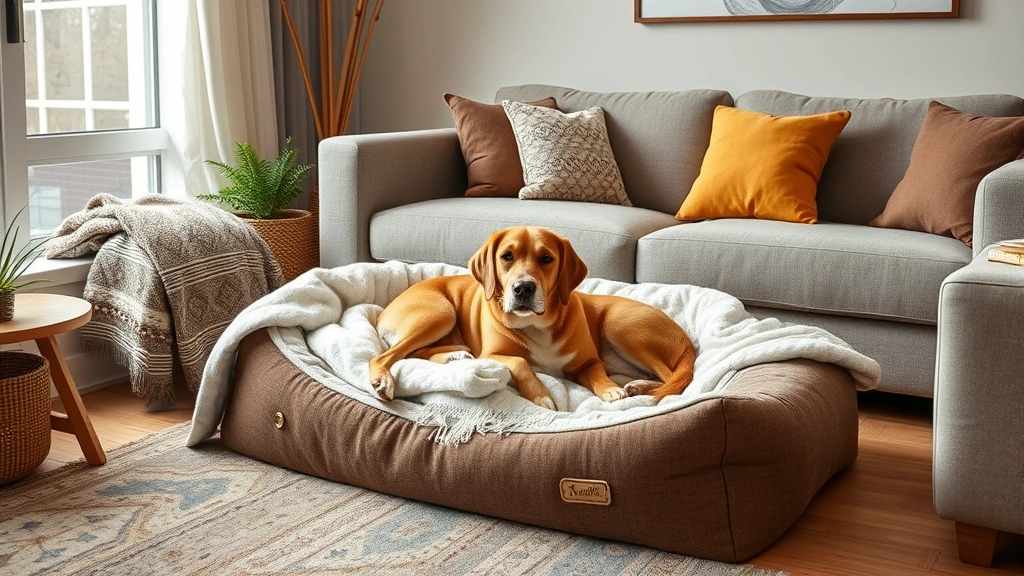
The nuclear option for keeping dogs off furniture isn’t punishment—it’s giving them something better. Invest in a high-quality dog bed and place it strategically in the same room where you spend time. Here’s the trick: it needs to be genuinely more comfortable than your couch. We’re talking orthopedic memory foam, soft blankets, and maybe even a bed warmer for winter.
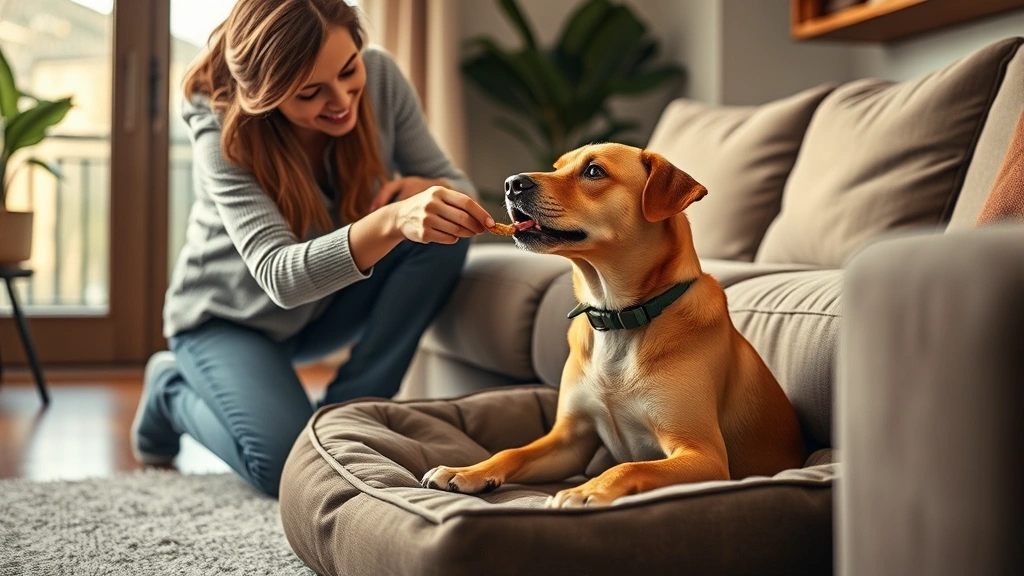
Place this bed in a spot where your dog can still see you and feel included. The goal is to make their bed the obvious choice. Use training treats from human food to reward your dog when they voluntarily choose their bed over the couch. This positive reinforcement works incredibly well because you’re not fighting their natural instincts—you’re redirecting them.
Pro tip: Let your dog pick their favorite spot for the bed. Some dogs prefer corners (den-like), while others want to be in the center of the action. Experiment and watch where they naturally gravitate.
Solution #2: Use Physical Barriers and Furniture Covers
Sometimes the simplest solution is the best one. If your dog can’t get on the couch easily, they’re less likely to try. Consider these practical barriers:
Furniture covers: Aluminum foil, plastic sheeting, or commercial couch protectors make the surface uncomfortable and uninviting. Many dogs hate the texture and sound of these materials.
Physical barriers: Stack pillows on the couch when you’re not using it, or use a baby gate to block access to the living room entirely.
Motion-activated deterrents: These devices spray a harmless burst of air when your dog approaches. They’re not cruel—just startling enough to discourage the behavior.
The key is consistency. If you remove the barriers sometimes, your dog will test the couch again. Dogs are smart like that.
Solution #3: Master the Art of Positive Reinforcement Training
This is where the magic happens. Instead of punishing your dog for being on the couch, reward them heavily for being OFF the couch. Sounds simple? It is, but it requires patience and consistency.
Here’s the training protocol:
1. When your dog chooses their bed over the couch, immediately praise them and offer a high-value reward. Use pet treat recipes that your dog absolutely loses their mind over.
2. Practice “place” command training where you teach your dog to go to their designated spot on command.
3. Never chase your dog off the couch or yell. This creates a game and actually reinforces the behavior.
4. If you catch them in the act, calmly redirect them to their bed and reward the correct behavior.
Dogs repeat behaviors that get them rewards. Make being off the couch the most rewarding option, and they’ll choose it naturally. This approach builds good habits rather than just suppressing bad ones.
Solution #4: Establish Clear Boundaries and House Rules
Consistency is absolutely crucial when training any dog behavior. Everyone in your household needs to enforce the same rules. If Mom says no couch but Dad lets the pup up for football games, you’re fighting an uphill battle.
Set clear expectations:
• No dog on the couch, period. (Or designate specific times if you’re okay with supervised couch time)
• Everyone redirects the dog the same way
• Everyone uses the same reward system
• No exceptions, no matter how cute they look
Dogs thrive on predictability. When the rules are clear and consistent, they adapt quickly. When rules are fuzzy, dogs will test boundaries constantly. Pick your rule and stick with it like your life depends on it.
Solution #5: Address Underlying Anxiety or Boredom
Sometimes dogs seek the couch because they’re anxious, bored, or not getting enough exercise. A tired dog is a well-behaved dog. This isn’t just a saying—it’s neuroscience. When dogs don’t burn enough physical and mental energy, they engage in unwanted behaviors.
Evaluate your dog’s daily routine:
• Are they getting enough exercise? Most dogs need at least 30-60 minutes of active play daily.
• Are they mentally stimulated? Puzzle toys, training sessions, and sniff games count.
• Do they have separation anxiety? Some dogs climb on the couch when you leave because they’re stressed.
If your dog seems anxious about being on the couch specifically, consult your vet. Sometimes excessive couch-seeking indicates pain, discomfort, or an underlying health issue.
The Role of Proper Nutrition in Behavior Management
Here’s something people don’t talk about enough: diet affects behavior. A dog with unstable blood sugar or nutritional deficiencies is more likely to engage in unwanted behaviors. Make sure your pup is eating a balanced, high-quality diet that supports their specific needs.
If you’re using treats for training—and you absolutely should—factor those calories into their daily intake. DIY pet treats are a great way to control ingredients and calories while still having high-value rewards for training.
Some dogs also do better with pet diet transition advice when switching foods. A sudden diet change can cause behavioral issues, so transition gradually over 7-10 days.
Common Mistakes That Make Things Worse
Let’s talk about what NOT to do, because honestly, a lot of people accidentally train their dogs to love the couch more:
Yelling and chasing: This is a game to your dog. They get attention (even negative attention is still attention), and they get to run around. You’ve just created the most fun activity ever.
Punishing after the fact: If you find your dog on the couch an hour after they got up there, they won’t connect your punishment to the behavior. They’ll just learn to fear you.
Inconsistency: Allowing it sometimes sends mixed signals. Your dog learns to push boundaries and test rules.
Ignoring the root cause: If your dog is anxious or bored, no amount of redirecting will fix it long-term.
Using the couch as a punishment: Never send your dog to the couch as a timeout. That makes it seem like a safe space, which is the opposite of what you want.
When to Call a Professional Trainer
If you’ve tried these strategies consistently for several weeks and your dog is still claiming the couch as their personal throne, it might be time to bring in a certified professional dog trainer. There could be underlying behavioral issues, anxiety disorders, or medical problems that need expert attention.
Look for trainers certified by the American Kennel Club (AKC) or members of the Certification Council for Professional Dog Trainers. Avoid trainers who use punishment-based methods, as these can increase anxiety and behavioral problems.
Budget-Friendly Solutions for the Broke Dog Parent
Not everyone has money for fancy orthopedic dog beds and professional trainers. Here’s the good news: you can solve this problem on a budget.
Use budget friendly homemade pet treats made from ingredients you probably already have in your kitchen. Old blankets and pillows make perfectly good dog beds. Free exercise options include walks, backyard play, and training sessions in your living room.
The most expensive tool you need is consistency, and that doesn’t cost anything.
Success Stories and Real Results
Here’s what works in the real world: most dog owners see significant improvement within 2-4 weeks of consistent training. The key word is consistent. Dogs that were couch hogs for years have learned to love their own beds when their owners committed to the process.
The transformation usually goes like this: Week 1 is rough because your dog is testing boundaries. Week 2 you’ll see improvement but also regression. By week 3, your dog starts choosing their bed more often. By week 4, the couch is basically ignored.
Your dog wants to please you. They just need clear direction and motivation to do so.
Frequently Asked Questions
Can I train an older dog to stay off the couch?
Absolutely. Dogs of any age can learn new behaviors. Older dogs sometimes actually prefer their own beds anyway because they’re more comfortable for aging joints. Older dogs might take slightly longer to retrain if they’ve had years of couch access, but the same methods work.
Is it cruel to keep my dog off the couch?
Not at all. Your dog doesn’t have a “right” to your couch. They have a need for comfort, which you’re meeting with a proper bed. You’re setting boundaries, which actually makes dogs feel more secure, not less. Dogs thrive with clear rules.
What if my dog has separation anxiety and the couch makes them feel safe?
This requires a different approach. Work with a veterinary behaviorist to address the underlying anxiety. In this case, you might allow supervised couch time while you address the root cause. Crate training or a designated safe space might work better than a bed.
How long does it take to train a dog to stay off the couch?
Most dogs show significant improvement within 2-4 weeks of consistent training. Some take longer, especially if they’ve had years of couch access. Consistency matters more than time.
Will my dog resent me for keeping them off the couch?
Nope. Dogs don’t hold grudges about boundaries. They actually respect and feel more secure with clear rules. Your dog will love you just as much, probably more, because training sessions and redirecting to their bed mean quality time together.
What’s the best dog bed for keeping them off the couch?
The best bed is one your dog will actually use. This varies by dog. Some prefer elevated beds, others like caves, and some want flat cushions. Observe your dog’s preferences and choose accordingly. Orthopedic memory foam is great for older dogs or those with joint issues.
Summary: Your Couch-Free Future Awaits
How do I keep my dogs off the couch? You do it through a combination of creating better alternatives, consistent training, clear boundaries, and addressing any underlying behavioral issues. It’s not complicated, but it does require commitment.
The strategies outlined here work because they align with how dogs actually think and learn. You’re not fighting nature—you’re redirecting it. Your dog doesn’t want to be a couch criminal; they just want to be comfortable and close to you. Give them a better option, reward them for choosing it, and enforce consistent boundaries, and you’ll reclaim your furniture.
Start today. Pick one strategy that resonates with you and commit to it for at least two weeks. You’ll be amazed at how quickly your dog adapts. Your couch will thank you, your dog will be happier with their own space, and everyone wins.





