
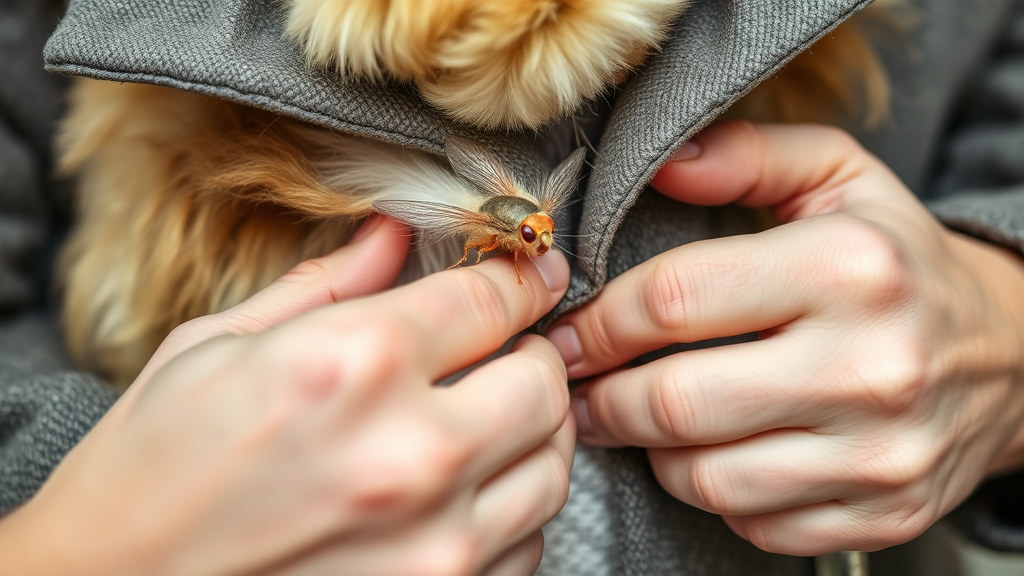
Fleas are among the most common parasites that affect dogs, and spotting them early is crucial for your pet’s health and comfort. These tiny, blood-sucking insects can quickly multiply and cause significant discomfort, skin irritation, and even serious health complications if left untreated. Understanding how to identify flea infestations is an essential skill for every dog owner.
Detecting fleas on your dog requires knowing what to look for and where to search. While adult fleas are visible to the naked eye, they’re surprisingly quick and can be challenging to spot on a moving, furry animal. However, there are several telltale signs and simple inspection techniques that can help you determine if your canine companion is hosting these unwelcome guests.
Visual Inspection Techniques
The most straightforward method to check for fleas involves a systematic visual examination of your dog’s coat and skin. Adult fleas are small, dark brown insects about 1-3 millimeters in length, and knowing what do fleas look like on dogs can help you identify them more effectively. They have a flattened body shape that allows them to move easily through your dog’s fur.
Start your inspection by parting your dog’s fur in sections, particularly around the base of the tail, behind the ears, on the belly, and in the armpit areas where fleas tend to congregate. Use good lighting or a flashlight to illuminate the skin surface. Fleas will appear as small, dark specks that move quickly when disturbed. They may jump when you part the fur, which is often the first sign dog owners notice.
Pay special attention to areas where your dog’s fur is thinner or where the skin is more accessible. The groin area, inner thighs, and the area just above the tail are prime real estate for fleas. If you see small, dark, moving specks, you’ve likely found fleas. However, don’t be discouraged if you don’t see adult fleas immediately – they’re excellent at hiding and can quickly move to other parts of your dog’s body.

Behavioral Signs and Symptoms
Your dog’s behavior often provides the first clues about a potential flea infestation. Excessive scratching is the most obvious sign, particularly if it’s more frequent or intense than usual. Dogs with fleas will scratch, bite, or lick at their skin persistently, often focusing on specific areas like the base of the tail, behind the ears, or around the neck area.
Watch for unusual restlessness or agitation. Dogs with fleas may seem uncomfortable even when resting, frequently changing positions or getting up to scratch. Some dogs develop a characteristic “flea bite dermatitis” reaction, which causes intense itching and can lead to secondary skin infections from constant scratching and biting.
Hair loss in patches, particularly around frequently scratched areas, can indicate a flea problem. Red, inflamed skin or small bumps and welts may also be visible. In severe cases, dogs may develop hot spots – areas of intensely inflamed, infected skin caused by constant licking and scratching. According to the American Veterinary Medical Association, flea allergies are one of the most common skin conditions in dogs.
Identifying Flea Dirt and Debris
Flea dirt, which is actually flea feces composed of digested blood, is often easier to spot than the fleas themselves. This appears as small, dark specks scattered throughout your dog’s coat, resembling coarse black pepper or coffee grounds. Flea dirt is particularly noticeable on dogs with light-colored coats but can be found on any dog regardless of fur color.
To distinguish flea dirt from regular dirt or debris, perform the “wet paper towel test.” Collect some of the dark specks on a white paper towel or cloth, then add a few drops of water. If the specks turn reddish-brown when moistened, you’ve found flea dirt – the red color comes from the digested blood. Regular dirt will remain dark when wet.
Flea dirt typically accumulates in the same areas where fleas are most active: around the base of the tail, on the lower back, behind the ears, and on the belly. Use a fine-toothed flea comb to help collect debris for testing. The Centers for Disease Control and Prevention notes that flea dirt is a reliable indicator of flea activity, even when adult fleas aren’t immediately visible.
Physical Examination Methods
A thorough hands-on examination is crucial for detecting fleas and assessing the extent of an infestation. Begin by having your dog lie on their side in a well-lit area. Use your fingers to part the fur systematically, working from the head toward the tail. Pay particular attention to warm areas of the body where fleas prefer to feed and hide.
The flea comb technique is highly effective for both detection and removal. Use a fine-toothed metal flea comb, starting at your dog’s head and working backward. Comb slowly and deliberately, examining the comb after each stroke. Fleas, flea dirt, and flea eggs may be caught in the comb’s teeth. Have a bowl of soapy water nearby to dip the comb and drown any fleas you catch.
Understanding how do dogs get fleas can help you focus your examination on likely trouble spots. Check areas where your dog has been in contact with other animals or environments where fleas might be present. The neck area around the collar, the area where a harness sits, and paws that have been in contact with contaminated surfaces should receive extra attention.

Environmental Indicators of Fleas
Fleas don’t just live on your dog – they also inhabit your home environment, making it important to look beyond your pet for signs of infestation. Adult fleas spend most of their time on your dog, but they lay eggs that fall off into carpets, bedding, furniture, and other areas where your dog spends time. These eggs hatch into larvae that develop in your home environment.
Check your dog’s bedding, favorite resting spots, and areas of carpet where they frequently lie down. Look for the same dark specks of flea dirt that you’d find on your dog. Vacuum these areas and examine the debris collected – flea dirt, eggs, and even live fleas may be present. Pay attention to cracks in flooring, under furniture, and in carpet fibers where flea eggs and larvae can develop.
Many dog owners are concerned about the potential for fleas to affect human family members, wondering can dog fleas live on humans. While dog fleas prefer canine hosts, they can bite humans and may be found in human living spaces during heavy infestations.
Notice if family members are experiencing unexplained itchy bites, particularly around the ankles and lower legs. These could indicate that fleas from your dog have spread throughout the home environment. The Humane Society emphasizes that successful flea treatment requires addressing both the pet and the environment.
When to Seek Professional Help
While minor flea problems can sometimes be managed at home, certain situations warrant immediate veterinary attention. If your dog shows signs of flea allergy dermatitis, such as excessive scratching leading to open wounds, hot spots, or secondary bacterial infections, professional treatment is necessary. Young puppies, elderly dogs, or dogs with compromised immune systems are particularly vulnerable to flea-related health complications.
Severe infestations that don’t respond to initial treatment efforts require veterinary intervention. Your veterinarian can prescribe more effective flea treatments and address any health complications that have developed. They can also help determine if your dog has developed anemia from flea feeding, which is particularly dangerous for small dogs and puppies.
Consider professional help if you’re unsure about proper flea treatment protocols or if you have concerns about can humans get fleas from dogs and need guidance on protecting your family. Veterinarians can provide comprehensive treatment plans that address both immediate flea elimination and long-term prevention strategies.
Prevention and Next Steps
Once you’ve identified a flea problem, immediate action is crucial to prevent the infestation from worsening. Begin with bathing your dog using a flea shampoo or dish soap, which can help kill adult fleas and provide temporary relief. However, remember that bathing alone won’t solve a flea problem – it’s just the first step in a comprehensive treatment approach.
Environmental treatment is equally important as treating your dog. Vacuum thoroughly, paying special attention to areas where your dog spends time, and dispose of the vacuum bag or empty the canister immediately. Wash your dog’s bedding in hot water and dry on high heat. Consider using environmental flea sprays or powders designed for home use, following label directions carefully.
Many pet owners have questions about flea transmission, such as does dog fleas live in human hair. While dog fleas don’t typically establish long-term residence in human hair, they can cause bites and discomfort. Regular flea prevention for your dog is the best way to protect both your pet and your family.
Establish a regular flea prevention routine using veterinary-approved flea preventatives. Monthly topical treatments or oral medications can prevent future infestations. The American Kennel Club recommends year-round flea prevention as the most effective approach to avoiding flea problems.
Frequently Asked Questions
How quickly can I tell if my dog has fleas?
You can often detect signs of fleas within 24-48 hours of infestation. Look for excessive scratching, small dark specks in the fur (flea dirt), or visible fleas when parting your dog’s coat. However, some dogs may not show obvious symptoms immediately, especially if they’re not allergic to flea bites.
Can I see fleas without a magnifying glass?
Yes, adult fleas are visible to the naked eye. They appear as small, dark brown or black specks about the size of a pinhead. While they’re small, they’re large enough to spot with careful inspection, especially when they move or jump. Good lighting helps significantly with detection.
Where are fleas most likely to hide on my dog?
Fleas prefer warm, protected areas of your dog’s body. Check the base of the tail, behind the ears, around the neck, under the arms, on the belly, and in the groin area. These locations provide easy access to blood vessels and protection from your dog’s scratching and grooming.
What’s the difference between flea dirt and regular dirt?
Flea dirt is actually flea feces made of digested blood. When you place suspected flea dirt on a wet white paper towel, it will turn reddish-brown if it’s genuine flea dirt. Regular dirt will remain dark when moistened. Flea dirt also tends to be more uniformly sized and distributed throughout the coat.
Is it normal not to see fleas even if my dog is scratching?
Yes, it’s possible for dogs to have fleas without owners seeing them immediately. Fleas are excellent at hiding and moving quickly through fur. Some dogs are more sensitive to flea bites and may react to just a few fleas, while others might have a larger population before showing obvious symptoms. Focus on looking for flea dirt and examining your dog systematically.
Can my dog have fleas if they don’t go outside?
Indoor dogs can still get fleas through several routes: fleas can enter homes on clothing, other pets, or through open doors and windows. Fleas can also remain dormant in carpets or upholstery from previous infestations and become active when conditions are right. Even indoor cats can bring fleas inside.
How long does it take for a flea infestation to develop?
Under ideal conditions, fleas can complete their life cycle in just 14-21 days. However, the timeline can vary from 2 weeks to several months depending on temperature and humidity. This means a small flea problem can quickly become a major infestation if not addressed promptly, making early detection and treatment crucial.





