
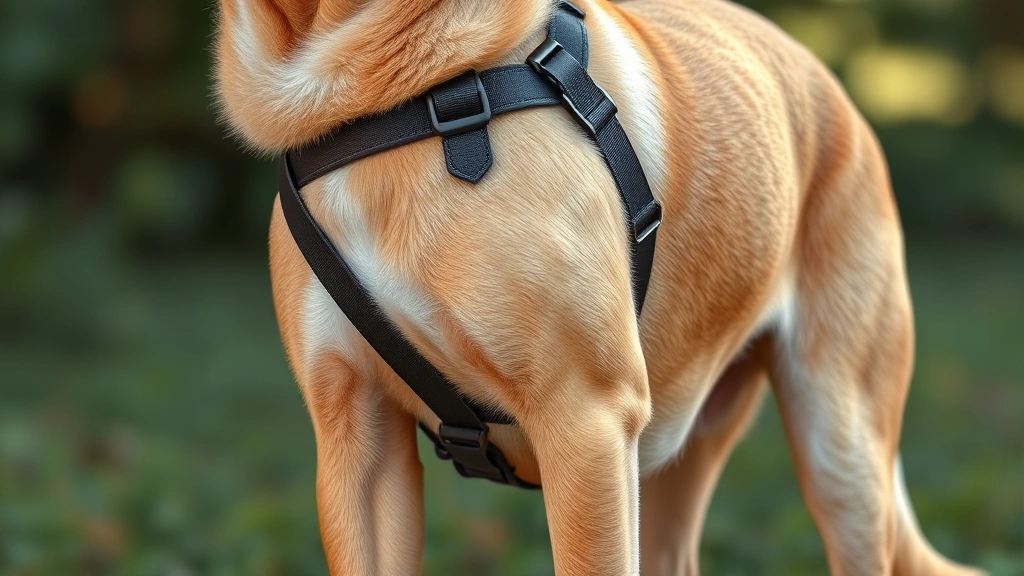
How do I put on a dog harness? It’s easier than you think, and once you master the technique, you’ll wonder why you ever struggled with it in the first place. Whether you’ve got a tiny Chihuahua or a massive Great Dane, the fundamentals remain the same—and we’re here to walk you through every single step.
Table of Contents
- Why Your Dog Harness Matters More Than You Think
- Step 1: Choose the Right Harness Type for Your Pup
- Step 2: Get Your Dog in the Right Mindset (The Pre-Game Show)
- Step 3: Position Your Dog Correctly
- Step 4: Master the Step-In Technique (The Most Common Method)
- Step 5: The Overhead Method (For Quick Getaways)
- Pro Tips for Harness Success
- Common Mistakes That Make Harness Time a Nightmare
- When to Call in Professional Help
- Maintenance and Care for Your Dog’s Harness
- Frequently Asked Questions
- Final Thoughts: You’ve Got This
Dog harnesses are absolute game-changers for pet owners. They distribute pressure evenly across your pup’s chest and back instead of concentrating it on the neck like traditional collars do. This means less strain on the trachea, better control during walks, and fewer choking incidents. But let’s be real: the first time you try to wrangle your excited pup into one, it can feel like you’re solving a Rubik’s cube blindfolded.
Why Your Dog Harness Matters More Than You Think
Before we dive into the nitty-gritty of harness application, let’s talk about why this matters. A properly fitted dog harness isn’t just about convenience—it’s about your dog’s health and safety. According to the American Kennel Club, using a harness can significantly reduce the risk of neck injuries, particularly in breeds prone to tracheal collapse like Cavalier King Charles Spaniels (similar to our Cavachon Dog friends).
The right harness also gives you better control during walks, prevents pulling, and makes your dog feel more secure. Plus, let’s not forget the aesthetic appeal—modern harnesses come in so many colors and styles that your pup will look like they’re ready for a magazine photoshoot.
Step 1: Choose the Right Harness Type for Your Pup
Not all harnesses are created equal, and choosing the wrong type is like trying to fit a square peg into a round hole. There are several styles to consider: back-clip harnesses, front-clip harnesses, step-in harnesses, and overhead harnesses.
Back-clip harnesses are the most common and user-friendly for beginners. They clip behind your dog’s back, making them ideal for well-behaved walkers. Front-clip harnesses are perfect if your dog is a pulling machine—they naturally redirect your pup’s forward motion when they tug. Step-in harnesses require your dog to step into them like pants, which works great for dogs who hate things going over their heads. Overhead harnesses slip over the head and are super quick to put on, but some dogs find them claustrophobic.
Measure your dog’s chest girth and neck circumference before purchasing. A harness should be snug enough that you can fit two fingers between the strap and your dog’s body, but not so tight that it restricts movement or causes discomfort.
Step 2: Get Your Dog in the Right Mindset (The Pre-Game Show)
Here’s where patience becomes your best friend. If your dog sees the harness and immediately bolts to the other side of the house, you’ve got work to do. Start by letting your pup sniff and investigate the harness. Make it a positive experience by offering treats and praise.
Some dogs respond better when you put the harness on during calm moments rather than right before an exciting walk. Try introducing it while your dog is relaxed on the couch or during a quiet evening at home. Use high-value treats—we’re talking the good stuff, the treats that make your dog’s eyes light up like you just told them they won the lottery.
For anxious dogs, consider breaking the process into multiple short sessions over several days. Rome wasn’t built in a day, and neither is harness acceptance. If your dog is particularly resistant, consult your vet or a certified dog trainer for personalized guidance.
Step 3: Position Your Dog Correctly
Now for the actual mechanics. Position your dog standing in front of you or beside you—whichever gives you the best access to their body. Some people find it easier to work with their dog in a sitting position, while others prefer them standing. Experiment to see what works best for your pup’s temperament and size.
Make sure your dog isn’t moving around like they’ve had six espressos. A calm, stationary dog is infinitely easier to harness than a spinning tornado of fur. If your dog struggles with staying still, have a helper hold them gently, or use a high-value treat to keep them focused on you rather than the squirrel outside.
Lighting matters too—make sure you can see what you’re doing. There’s nothing worse than fumbling around in dim light while your dog does their best impression of an escape artist.
Step 4: Master the Step-In Technique (The Most Common Method)
For most back-clip harnesses, the step-in method is your go-to approach. Here’s exactly how to do it:
First, hold the harness with both hands, keeping the openings facing toward your dog’s back legs. The chest plate should be facing away from you.
Second, guide your dog’s front left leg into the left opening, then their front right leg into the right opening. It helps to gently lift each paw and guide it through. Use treats to encourage cooperation—bribery is totally acceptable here.
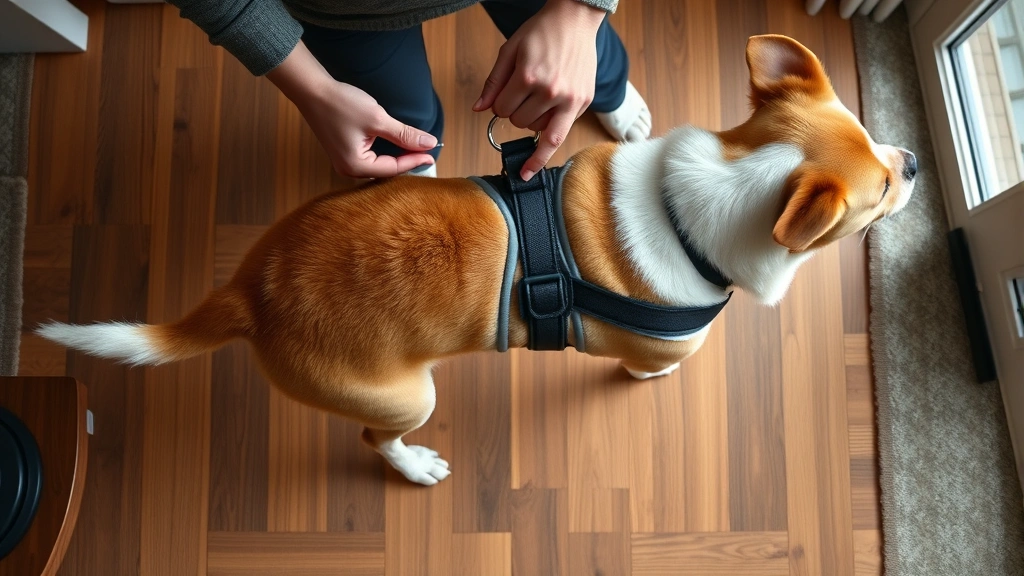
Third, once both front legs are through, gently slide the harness up toward your dog’s shoulders. This is where most people struggle, so take your time. The chest plate should sit comfortably on your dog’s chest, not twisted or bunched up.
Fourth, secure all the straps and buckles according to your specific harness design. Check that everything is fastened properly—you don’t want your dog slipping out mid-walk.
Fifth, do the two-finger test. Slip two fingers under each strap to ensure it’s snug but not restrictive. Your dog should be able to breathe, move, and play comfortably.
Step 5: The Overhead Method (For Quick Getaways)
If you’re using an overhead harness or if your dog prefers this method, here’s the alternative approach. Hold the harness like you’re holding a sweater, with the neck opening facing your dog’s head.
Gently slip it over your dog’s head, similar to putting on a shirt. Guide one front leg through at a time, then fasten all buckles and straps. This method is faster but requires your dog to tolerate something going over their head, which not all pups enjoy.
Some dogs with anxiety around overhead items do much better with the step-in method. There’s no one-size-fits-all solution, so adapt based on your individual pup’s preferences. Check out our guide on Pet Food Safety for more ways to keep your pup healthy and happy.
Pro Tips for Harness Success
Practice makes perfect. The first few times will feel awkward, but by the fifth or sixth attempt, you’ll be a harness-putting-on ninja. Your muscle memory will kick in, and what once seemed impossible will become second nature.
Always reward your dog after successfully putting on the harness. This creates a positive association and makes them more willing to cooperate next time. You could also use a clicker to mark the exact moment they cooperate, then follow with a treat.
If your dog is particularly stubborn, try putting the harness on during playtime or when they’re distracted. Some owners have success applying the harness right before mealtime, using the prospect of food as motivation.
Keep the harness easily accessible. Store it near your door or in a designated spot so it’s always ready to go. The easier you make it, the more likely you’ll use it consistently.
Common Mistakes That Make Harness Time a Nightmare
Don’t rush the process. If you’re in a hurry and your dog senses your frustration, they’ll pick up on that energy and become more resistant. Set aside dedicated time for harness training when you’re calm and patient.
Avoid yanking or forcing the harness onto your dog. This creates negative associations and makes future harness sessions exponentially harder. Gentle guidance and positive reinforcement work far better than force.
Don’t assume your dog’s harness fits correctly just because it came in their size. Every dog is shaped differently. A harness that works perfectly for one Coonhound might be completely wrong for another. Always adjust and check the fit individually.
Never leave the harness on unsupervised for extended periods, especially initially. Some dogs will chew on it or try to wriggle out, which can cause injury.
When to Call in Professional Help
If your dog is extremely anxious, aggressive, or refuses to cooperate despite your best efforts, it’s time to call a professional. A certified dog trainer or behaviorist can provide personalized strategies tailored to your dog’s specific issues. There’s absolutely no shame in getting expert help—it’s actually the smartest move you can make.
Your veterinarian can also provide guidance, especially if your dog has physical limitations or health concerns. If you’re interested in remote consultations, Telehealth Vet Appointments offer convenient access to professional advice without leaving your home.
According to PetMD, behavioral issues related to harness resistance often stem from fear or past negative experiences. A professional can help desensitize your dog and rebuild their confidence.
Maintenance and Care for Your Dog’s Harness
Once you’ve mastered putting on the harness, don’t neglect its upkeep. Check the harness regularly for signs of wear, fraying, or damage. A compromised harness is a safety risk.
Clean your dog’s harness monthly or as needed. Most harnesses can be hand-washed in warm soapy water and air-dried. Check the manufacturer’s instructions for specific care guidelines.
Inspect the buckles and fasteners frequently to ensure they’re functioning properly. Replace any broken or worn components immediately. A harness is only as strong as its weakest link.
Frequently Asked Questions
How tight should a dog harness be?
A properly fitted harness should be snug enough that you can fit two fingers between the strap and your dog’s body. It should never be so tight that it restricts breathing or movement, nor so loose that your dog can slip out. Check the fit regularly, especially as your dog grows or gains/loses weight.
What if my dog refuses to wear a harness?
Start with short, positive exposure sessions. Let your dog sniff the harness, reward them for being near it, then gradually progress to putting it on for just a few seconds before removing it and giving treats. Build up tolerance slowly over days or weeks. If resistance persists, consult a professional trainer.
Can I leave a harness on my dog all day?
It’s not recommended. Extended wear can cause chafing, restrict movement, and create discomfort. Use the harness primarily for walks and training sessions, then remove it when your dog is home and relaxed. This also helps your dog understand that the harness means it’s time for activity.
Which harness type is best for my dog?
It depends on your dog’s size, behavior, and temperament. Back-clip harnesses are great for most dogs and are easy to put on. Front-clip harnesses work best for pullers. Step-in harnesses are ideal for dogs who dislike things going over their heads. Try different styles to see what your dog prefers.
How often should I replace my dog’s harness?
Replace your harness when it shows significant wear, damage, or if your dog has grown significantly. Most quality harnesses last 1-2 years with regular use. Inspect yours every few months to assess its condition.
Final Thoughts: You’ve Got This
Learning how do I put on a dog harness is genuinely one of the most practical skills you can develop as a dog owner. Yes, it might feel clumsy at first, but with patience, positive reinforcement, and a little practice, you’ll become a harness-application expert in no time.
Remember that every dog is different, and what works for your friend’s golden retriever might not work for your spirited terrier. Stay flexible, remain patient, and celebrate small victories. Before you know it, putting on the harness will be as automatic as grabbing your own shoes.
Your dog will appreciate the proper fit, your walks will be safer and more enjoyable, and you’ll have the satisfaction of mastering yet another aspect of dog ownership. Now get out there and show that harness who’s boss!





