
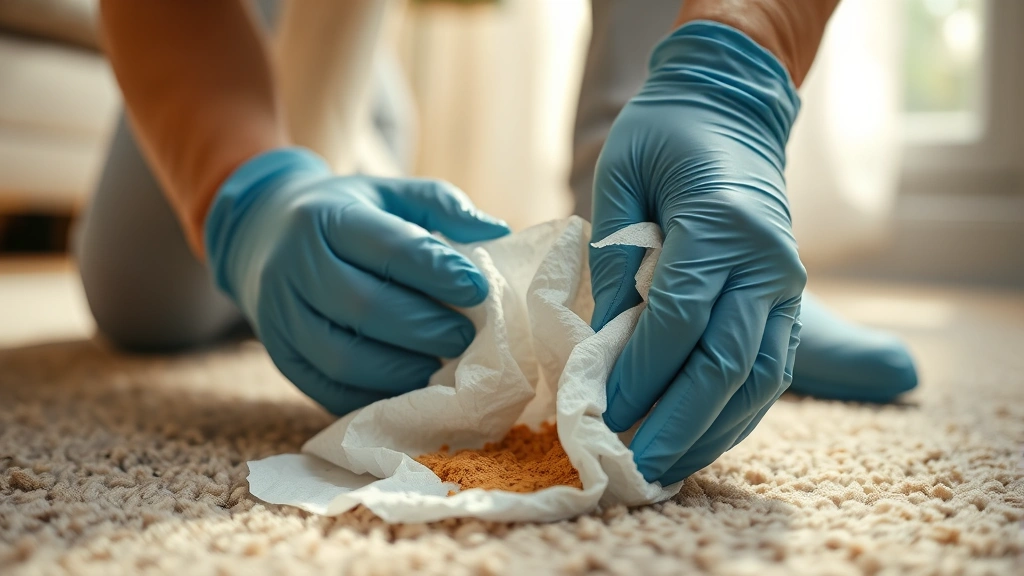
If you’re asking yourself “how do you clean dog vomit out of carpet,” you’re not alone—and honestly, you’re probably standing in your living room right now with a paper towel in one hand and regret in the other. Dog vomit is one of those gross pet parent challenges that nobody talks about at dinner parties, but everyone experiences. The good news? You can absolutely get your carpet looking (and smelling) like nothing ever happened. Let me walk you through this step-by-step so you can tackle the mess like a pro.
Table of Contents
- Why Dogs Vomit (And Why It Matters for Cleanup)
- Step 1: Act Fast (Like, Right Now)
- Step 2: Blot Up the Remaining Liquid
- Step 3: Choose Your Cleaning Solution (The Real Work Begins)
- Step 4: Deep Clean the Affected Area
- Step 5: Dry It Completely and Deodorize
- Pro Tips for Dog Vomit Cleanup Success
- When to Call a Professional Cleaner
- Preventing Future Vomit Incidents
- The Bottom Line on Cleaning Dog Vomit from Carpet
- Frequently Asked Questions
Why Dogs Vomit (And Why It Matters for Cleanup)
Before you start scrubbing, understanding why your pup threw up can help you prevent future incidents. Dogs vomit for tons of reasons—eating too fast, dietary indiscretions (fancy term for “ate something weird”), motion sickness, or actual health issues. Sometimes it’s just your dog being a dog. Other times, it’s worth a call to your vet, especially if the vomiting is frequent or contains blood.
If your dog is vomiting regularly, check out our guide on constipation in dogs or consider scheduling a virtual pet checkup to rule out underlying health problems. And if your dog ate something toxic, the Pet Poison Hotline is your best friend.
Step 1: Act Fast (Like, Right Now)
The first rule of cleaning dog vomit from carpet is speed. The longer that mess sits, the more it sets into the fibers and the harder it becomes to remove completely. I know your first instinct is to gag and walk away—resist that urge.
Grab some paper towels or old rags immediately. Pick up the solid matter first. Don’t smear it around; just lift it away. If you’re dealing with a particularly liquid situation, blot rather than rub. Blotting absorbs the liquid, while rubbing pushes it deeper into the carpet fibers where it’ll create a permanent stain and odor problem.
Step 2: Blot Up the Remaining Liquid
After you’ve removed the chunks, use fresh paper towels or cloth rags to blot up as much of the remaining liquid as possible. Press down firmly and let the towel absorb the moisture. You might need to use 5-10 towels depending on how much vomit we’re talking about.
Here’s a pro tip: stand on the towels. Your body weight helps extract more liquid from the carpet. Yes, it’s gross, but it works. Change towels frequently so you’re always blotting with absorbent material, not just pushing wet around.
Step 3: Choose Your Cleaning Solution (The Real Work Begins)
Now we get to the actual cleaning. You’ve got several options, and each works differently depending on your carpet type and how stubborn the stain is.
The Vinegar and Baking Soda Method
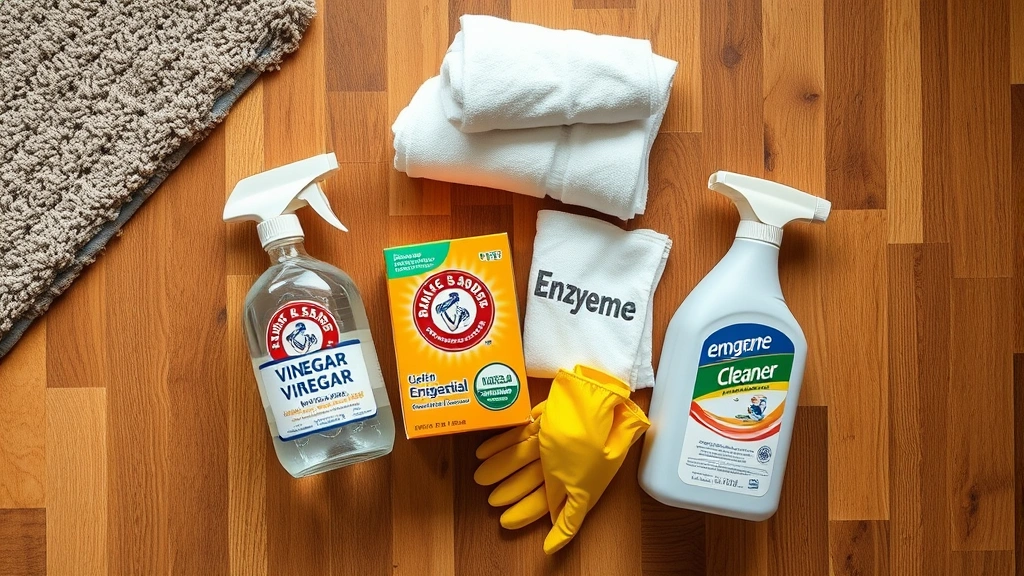
This is the natural, budget-friendly option. Mix equal parts white vinegar and water in a spray bottle. Spray the affected area generously, then sprinkle baking soda over it. The vinegar neutralizes odors while the baking soda absorbs remaining moisture and smell. Let it sit for 15-30 minutes, then vacuum it up.
Enzyme Cleaner (The Heavy Hitter)
Enzyme cleaners are specifically designed to break down organic matter like vomit, urine, and feces. Brands like Nature’s Miracle or Rocco & Roxie are game-changers. These cleaners contain enzymes that literally eat the organic compounds causing the stain and smell. Follow the product instructions, but typically you’ll spray, let it sit for several hours (or overnight), then blot and rinse.
Hydrogen Peroxide and Dish Soap
Mix one part hydrogen peroxide (3%) with one part dish soap. This combo works great for fresh stains. Spray it on, let it bubble for a few minutes, then blot thoroughly. Test it on a hidden carpet area first because peroxide can bleach some carpets.
Step 4: Deep Clean the Affected Area
After you’ve applied your chosen cleaning solution and let it work its magic, it’s time to really get in there. Use a clean cloth or old towel to blot up the solution. You might need to rinse the area with cool water and blot again to remove all traces of the cleaning product.
For stubborn stains, consider renting a carpet cleaner from your local hardware store. These machines use hot water extraction and can pull out deep-set stains that surface cleaning misses. It’s worth the $30-50 investment if you’re dealing with a particularly nasty situation.
Step 5: Dry It Completely and Deodorize
Moisture is your enemy. A damp carpet is a breeding ground for mold, mildew, and bacteria—plus it’ll smell worse than the original vomit. Open windows, turn on fans, and let that area dry completely.
Once it’s dry, sprinkle baking soda over the entire cleaned area and let it sit for a few hours (or overnight). Baking soda is nature’s odor absorber and will pull out any remaining smells. Vacuum it up thoroughly.
If the smell persists, try sprinkling activated charcoal or using a pet-specific odor eliminator spray. Some people swear by coffee grounds or crumpled newspaper left in the area overnight to absorb odors.
Pro Tips for Dog Vomit Cleanup Success
Here’s what I’ve learned from years of dealing with pet messes: prevention is better than cure. Keep your dog from eating too fast by using slow-feeder bowls. Watch what they’re eating outside—sticks, grass, and random street snacks are common culprits. If your dog has a sensitive stomach, consider discussing dietary options with your vet.
Keep a cleanup kit ready: paper towels, rubber gloves, enzyme cleaner, and a spray bottle. When you need it, you’ll be grateful it’s already assembled.
When to Call a Professional Cleaner
If the vomit has soaked deep into the carpet padding or if the smell won’t go away after multiple cleaning attempts, it’s time to call professional carpet cleaners. They have industrial-strength equipment and products that can handle situations your home cleanup can’t. Plus, if the padding is damaged, they can replace it.
Preventing Future Vomit Incidents
While you can’t always prevent dog vomit, you can reduce the frequency. Feed your dog smaller meals more frequently rather than one large meal. Avoid letting them exercise immediately after eating. Keep toxic foods (chocolate, grapes, onions) away from them. And if your dog is prone to vomiting related to coughing or other symptoms, talk to your vet about underlying causes.
The Bottom Line on Cleaning Dog Vomit from Carpet
Cleaning dog vomit out of carpet isn’t fun, but it’s manageable if you act quickly and use the right approach. Speed, the right cleaning solution, and thorough drying are your keys to success. Whether you go with vinegar and baking soda, enzyme cleaners, or hydrogen peroxide, the important thing is getting all the organic matter out before it sets permanently.
Remember: your dog isn’t doing this to spite you (even though it feels personal at 3 AM). They’re probably dealing with something that made them uncomfortable. Handle the cleanup, address any underlying health issues, and move forward. Your carpet will thank you, and so will your nose.
Frequently Asked Questions
How long does dog vomit smell last in carpet?
If left untreated, dog vomit can smell for weeks or even months because the organic matter seeps into carpet fibers and padding. However, with proper cleaning using enzyme cleaners or vinegar solutions, you can eliminate the smell within 24-48 hours. The key is acting fast and using products designed to break down organic matter.
Can dog vomit permanently stain carpet?
Dog vomit can cause permanent stains if not cleaned quickly, especially on light-colored carpets. The acidic nature of vomit can bleach or discolor carpet fibers. However, most fresh stains can be removed with proper cleaning methods. If a stain persists after multiple cleaning attempts, professional carpet cleaning or spot replacement may be necessary.
Is enzyme cleaner safe for dogs?
Most enzyme cleaners are safe for dogs once they’re completely dry. However, you should keep your dog away from the area while the cleaner is wet and working. Always read the product label and follow instructions. If your dog has a sensitive stomach or skin, consult your vet before using any new cleaning product.
What’s the best cleaner for fresh dog vomit?
For fresh vomit, enzyme cleaners are your best bet because they’re specifically designed to break down organic matter. If you don’t have enzyme cleaner on hand, a mixture of white vinegar and water works well for immediate cleanup. Hydrogen peroxide and dish soap is also effective for fresh stains, but test it on a hidden area first to ensure it won’t bleach your carpet.
Should I use hot or cold water to clean dog vomit?
Use cool or lukewarm water, not hot water. Hot water can set protein-based stains (like vomit) permanently into carpet fibers. Cold water is better for initial cleanup, while lukewarm water works well for rinsing after you’ve applied cleaning solutions.





