
Learning how do you cook hot dogs in the oven is honestly one of the best kitchen hacks you’ll ever discover. Forget standing over a stovetop or wrestling with a grill—oven-baked hot dogs are hands-off, foolproof, and perfect for feeding a crowd without breaking a sweat. Whether you’re hosting a backyard barbecue, prepping for game day, or just craving a no-fuss meal, this method delivers juicy, evenly-cooked hot dogs every single time.
Table of Contents
- Why Oven-Cooking Hot Dogs Beats Other Methods
- The Simple Oven Temperature and Timing Guide
- Preparation: The Often-Overlooked Step
- Baking Sheet Setup: Foil or Rack?
- Seasoning and Flavor Customization
- How Do You Cook Hot Dogs in the Oven Without Drying Them Out?
- Batch Cooking for Parties and Meal Prep
- The Best Bun Toasting Technique
- Comparing Oven Method to Air Fryer Cooking
- Troubleshooting Common Oven Hot Dog Problems
- Storage and Food Safety Considerations
- Frequently Asked Questions
- Final Thoughts: Master This Simple Skill
Why Oven-Cooking Hot Dogs Beats Other Methods
Let’s be real: cooking hot dogs in the oven is superior to traditional methods for several reasons. First, you can cook dozens simultaneously without crowding a pan or grill. Second, there’s zero babysitting required—no flipping, no rotating, no burnt fingers. Third, the dry heat creates a slightly caramelized exterior while keeping the inside juicy. Plus, your kitchen stays cooler, and cleanup is basically nonexistent. When you’re wondering how do you cook hot dogs in the oven, you’re already thinking like a smart home cook.
The Simple Oven Temperature and Timing Guide
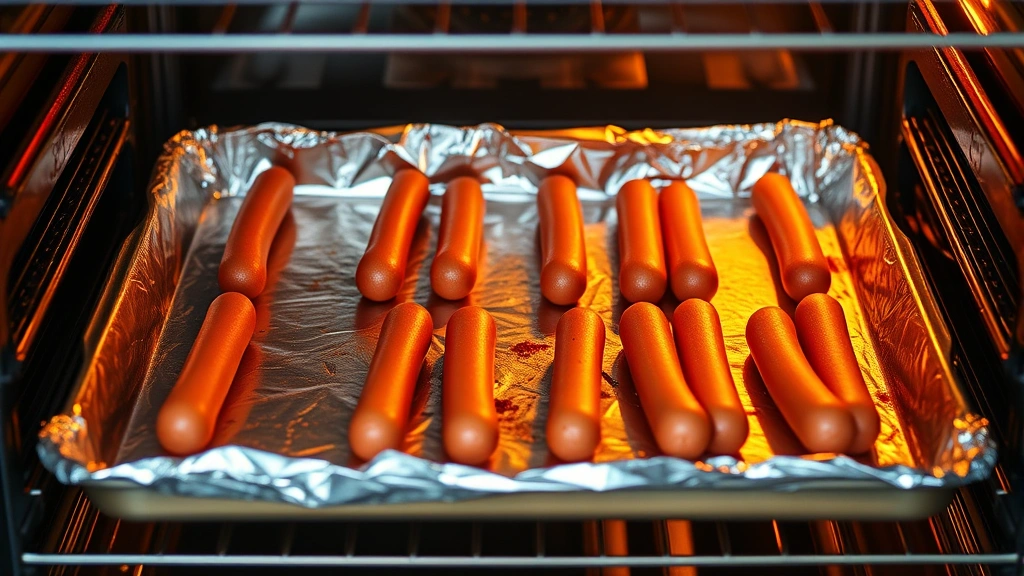
Here’s where the magic happens. Preheat your oven to 400°F (200°C). This temperature is hot enough to cook hot dogs thoroughly without drying them out. Arrange your chicken hot dogs or traditional beef franks on a baking sheet lined with aluminum foil (trust me, your future self will thank you for this). Space them about an inch apart so heat circulates evenly. Bake for 12-15 minutes. That’s it. The exact timing depends on thickness, but most standard hot dogs hit perfection right around the 14-minute mark.
Preparation: The Often-Overlooked Step
Before you even think about the oven, prep matters. Rinse your hot dogs under cold water if they’re particularly salty or have visible debris. Pat them dry with paper towels—moisture is the enemy of that beautiful caramelization. If you’re feeling fancy, score the hot dogs lightly with a sharp knife in a crosshatch pattern. This isn’t necessary, but it does help seasonings penetrate and creates a more interesting texture. Some folks lightly brush hot dogs with a touch of oil or melted butter, which intensifies browning and adds richness.
Baking Sheet Setup: Foil or Rack?
You’ve got options here. The foil-lined baking sheet method is easiest for cleanup and prevents sticking. Alternatively, place hot dogs directly on an oven-safe wire rack positioned over a baking sheet. This allows heat circulation from underneath, creating an even more uniform cook. The rack method is slightly superior for texture but requires more cleanup. For most home cooks, foil wins on practicality. Pro tip: lightly crumple the foil to create small ridges—this prevents hot dogs from rolling around.
Seasoning and Flavor Customization
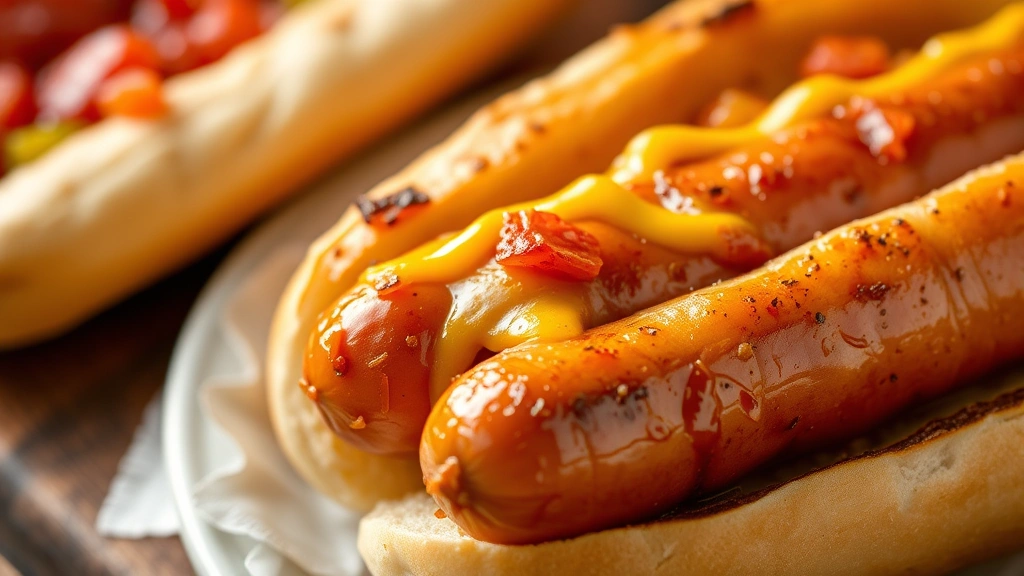
Plain hot dogs are fine, but why settle for fine when you can have fantastic? Before baking, sprinkle your hot dogs with smoked paprika, garlic powder, onion powder, or cayenne pepper. Some people brush them with a mixture of Worcestershire sauce and melted butter. Others go minimalist with just salt and black pepper. The beauty of oven cooking is that seasonings caramelize beautifully rather than burning off like they might on a stovetop. Experiment with different spice combinations until you find your signature style.
How Do You Cook Hot Dogs in the Oven Without Drying Them Out?
This is the question that keeps people up at night. The secret is temperature control and timing. Cooking at 400°F is the sweet spot—hot enough for proper browning but not so hot that the casing splits and juices escape. Never go above 425°F unless you enjoy hot dog jerky. Additionally, don’t leave them in longer than 18 minutes. Check at 12 minutes if you prefer a softer texture; go the full 15 minutes for a slightly firmer bite. The hot dog will continue cooking slightly after removal, so slightly underdone is better than overdone.
Batch Cooking for Parties and Meal Prep
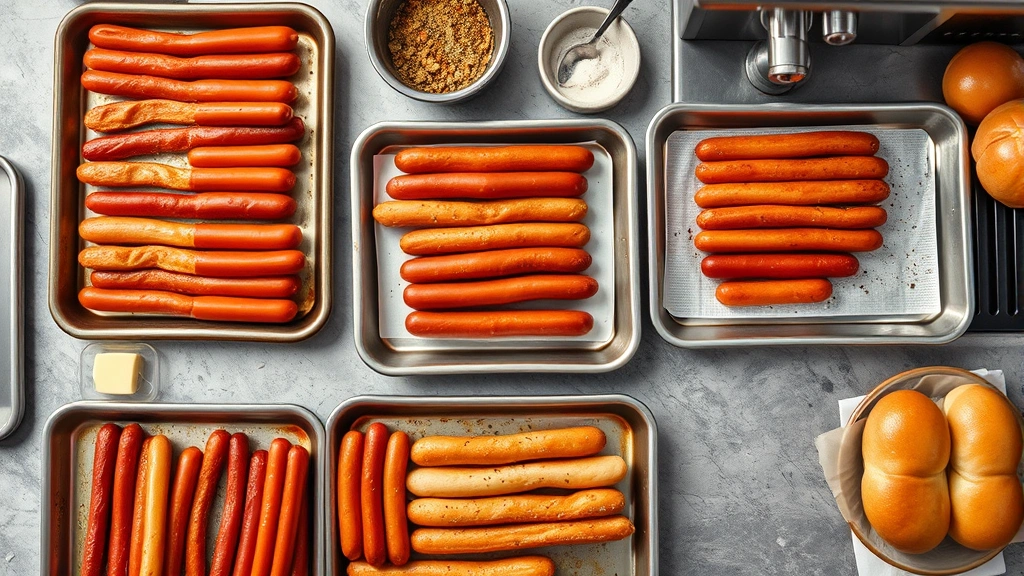
One of the greatest advantages of oven cooking is scalability. Need to feed 50 people? Use multiple baking sheets and rotate them in the oven. Standard oven racks can typically hold 2-3 sheets comfortably. If you’re batch cooking, stagger insertion times by 3-4 minutes so everything finishes around the same time. For meal prep, cook a large batch and store in an airtight container in the refrigerator for up to 4 days. Reheat gently in a 325°F oven for 5-7 minutes before serving. This makes weeknight hot dog meals incredibly convenient.
The Best Bun Toasting Technique
Here’s where amateur cooks stumble. You’ve perfectly cooked your hot dogs, but then you serve them in a sad, cold, soggy bun. Don’t be that person. In the last 2-3 minutes of hot dog cooking, butter your buns lightly and place them cut-side up on a separate rack or baking sheet. They’ll toast to golden perfection in that same 400°F oven. The timing works out beautifully—everything comes out together, hot and ready to assemble. This step elevates your hot dog game from acceptable to restaurant-quality.
Comparing Oven Method to Air Fryer Cooking
Air fryers have become trendy for good reason. They cook hot dogs in 8-10 minutes at 380°F with similar results. However, the oven method handles larger quantities better and uses less energy. Air fryers excel for small batches or when you’re in a hurry. For parties or everyday cooking, the oven wins on efficiency and cost-effectiveness. Both methods beat stovetop cooking in terms of consistency and hands-off convenience.
Troubleshooting Common Oven Hot Dog Problems
Split casings? Your oven is too hot or cooking time is too long. Lower temperature to 375°F and check earlier. Pale, unappetizing appearance? Increase temperature slightly to 425°F and ensure proper spacing on the pan. Cold centers with hot outsides? Your oven temperature is inaccurate—invest in an oven thermometer. Unevenly cooked hot dogs? Rotate the baking sheet halfway through cooking. Most issues stem from oven calibration problems, so an inexpensive thermometer is worth its weight in gold.
Storage and Food Safety Considerations
Cooked hot dogs should be consumed within 2 hours if left at room temperature. For longer storage, refrigerate immediately in an airtight container where they’ll keep for 3-4 days. Freezing is possible—wrap individually in plastic wrap, then place in a freezer bag for up to 2 months. When reheating, use gentle methods like a 325°F oven or microwave to prevent further moisture loss. Always ensure hot dogs reach 165°F internal temperature for food safety, though proper oven cooking naturally exceeds this threshold.
Frequently Asked Questions
Can you cook hot dogs in the oven at a lower temperature?
Yes, you can cook hot dogs at 350°F, but they’ll take 20-25 minutes and won’t develop that appealing caramelized exterior. The 400°F temperature is optimal for balancing cooking speed with browning. Lower temperatures are fine if you’re not concerned about appearance, but they’re inefficient.
Do you need to poke holes in hot dogs before baking?
You don’t need to, but lightly scoring the surface helps seasonings adhere and can prevent excessive splitting. Avoid deep punctures that allow juices to escape. Light crosshatch scoring is ideal if you want to get fancy.
How do you know when oven-cooked hot dogs are done?
Visual cues include a lightly browned exterior and slight plumping of the casing. If you’re uncertain, use an instant-read thermometer—hot dogs are safely cooked at 165°F internal temperature, though they’re typically done earlier.
Can you cook frozen hot dogs in the oven?
Absolutely. Frozen hot dogs require about 18-20 minutes at 400°F. No thawing necessary, though thawed hot dogs cook slightly faster and more evenly. The cooking time difference is minimal.
What’s the difference between cooking hot dogs and Costco hot dog brands?
Premium brands like Costco’s Kirkland hot dogs may cook slightly faster due to different casing thickness. Start checking at 12 minutes regardless of brand, and adjust based on appearance. The method remains identical.
Is it better to use a wire rack or baking sheet?
Wire racks create slightly more even cooking by allowing heat circulation underneath. However, baking sheets are more practical for most home cooks. Choose based on your priorities—texture perfection or convenience.
Final Thoughts: Master This Simple Skill
Now you know how do you cook hot dogs in the oven like a pro. It’s genuinely one of the easiest, most reliable cooking methods available. Whether you’re feeding a family of four or throwing a massive cookout, this technique scales beautifully and delivers consistent results every single time. At 400°F for 14-15 minutes, you’ll have juicy, properly browned hot dogs that beat any other cooking method. Toast your buns, load up your toppings, and enjoy the fruits of your minimal labor. Your future self will appreciate the simplicity and reliability of oven-cooked hot dogs.





