
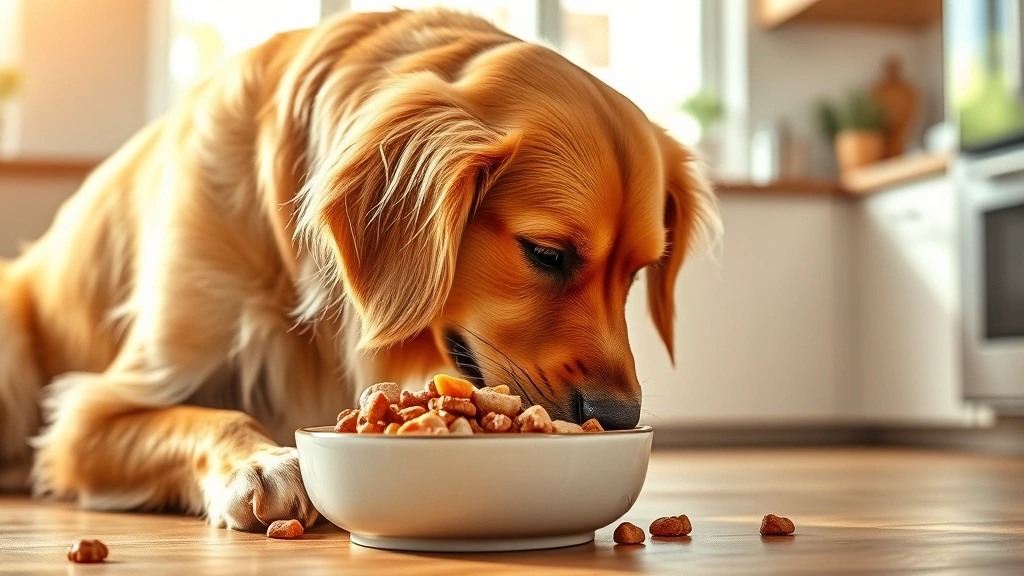
So your pup is looking a bit too skinny, and you’re wondering how do you fatten up a dog without turning them into a couch potato? Welcome to the club! Whether your furry friend is recovering from an illness, a rescue with a rough past, or just naturally lean, putting healthy weight on your dog requires strategy, patience, and the right approach. Let’s dig into this meaty topic (pun absolutely intended).
Table of Contents
- Understanding Why Your Dog Needs Weight Gain
- Method 1: Switch to High-Calorie, Nutrient-Dense Dog Food
- Method 2: Increase Meal Frequency and Portion Sizes
- Method 3: Add Calorie-Dense Toppers and Supplements
- Method 4: Incorporate Healthy Human Foods Strategically
- Method 5: Optimize Exercise and Stress Levels
- Monitoring Progress and Adjusting Your Strategy
- Common Mistakes That Sabotage Weight Gain
- When to Seek Professional Help
- Real Success Stories and Realistic Expectations
- Frequently Asked Questions
- Conclusion: Your Dog’s Weight Gain Journey Starts Now
Understanding Why Your Dog Needs Weight Gain
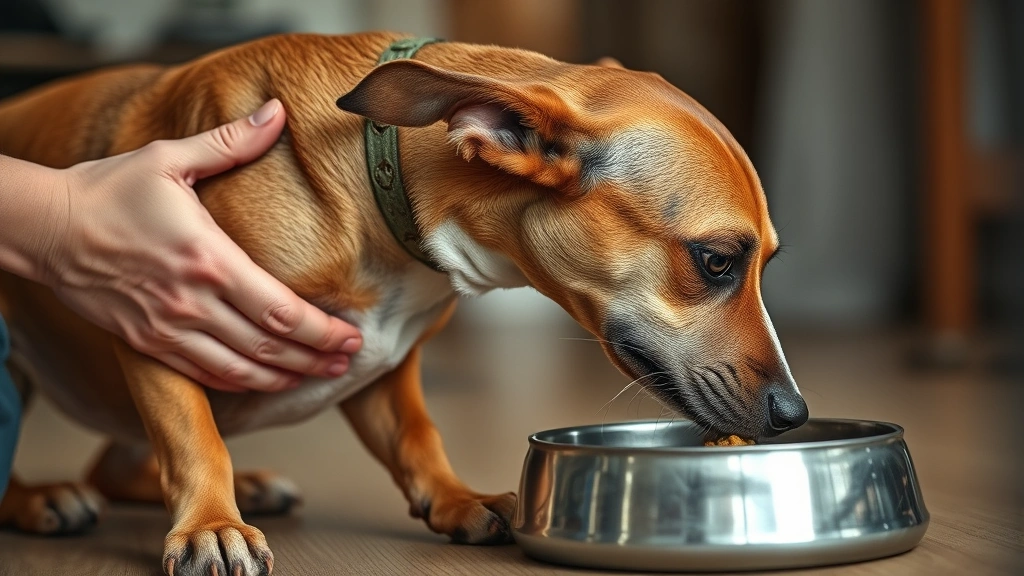
Before you start loading your dog’s bowl with extra kibble, it’s important to understand that underweight dogs face real health challenges. An underweight pup might have compromised immune function, reduced energy levels, and difficulty maintaining body temperature. If your dog is visibly underweight—you can see ribs prominently, have a tucked-in waist, or they lack muscle definition—it’s time to take action. That said, always consult your vet first to rule out underlying health issues like parasites, thyroid problems, or digestive disorders.
Method 1: Switch to High-Calorie, Nutrient-Dense Dog Food
The foundation of weight gain starts in the bowl. Not all dog foods are created equal, and switching to a premium, high-calorie formula can make a dramatic difference. Look for foods with higher fat content (around 15-20% fat) and quality protein sources. Puppy formulas and performance-oriented foods typically pack more calories per cup than standard adult maintenance diets. When making the switch, follow a pet diet transition advice guide to avoid digestive upset—mix the new food gradually with the old over 7-10 days. Brands that focus on whole meat proteins and healthy fats will give your dog the nutritional boost they need without empty calories.
Method 2: Increase Meal Frequency and Portion Sizes
Skinny dogs often benefit from eating more frequently. Instead of one or two meals daily, try splitting their food into three or four smaller meals. This approach helps with digestion and allows their body to process and absorb more nutrients throughout the day. Gradually increase portion sizes by about 10-15% each week while monitoring your dog’s response. If your dog has a sensitive stomach, check out our guide on human foods for pets with sensitive stomachs before adding supplements or toppers. The key is consistency—dogs thrive on routine, so establish a feeding schedule and stick to it religiously.
Method 3: Add Calorie-Dense Toppers and Supplements
Here’s where things get delicious. Adding high-calorie toppers to your dog’s regular food can significantly boost their caloric intake without requiring massive portion increases. Wet dog food mixed into kibble adds moisture and calories. Bone broth (unsalted and dog-safe) adds flavor and nutrients. Pumpkin puree provides fiber and calories. Fish oil supplements support coat health while adding healthy fats. You can also incorporate peanut butter treats for dogs as high-calorie snacks between meals—just ensure they’re xylitol-free. Sweet potatoes are another excellent topper; learn more about whether dogs can eat sweet potatoes and how to prepare them properly. Start with small amounts of toppers and gradually increase to avoid digestive issues.
Method 4: Incorporate Healthy Human Foods Strategically
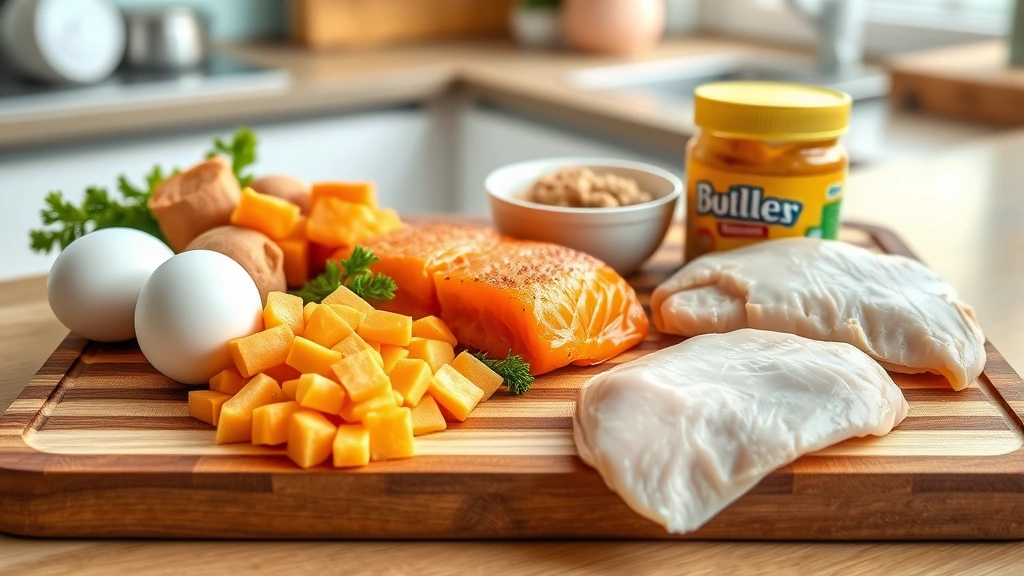
Your kitchen likely contains several dog-safe foods that pack serious caloric punch. Eggs (cooked) are protein powerhouses. Plain chicken with skin on provides both protein and fat. Ground beef offers iron and calories. Salmon delivers omega-3 fatty acids alongside calories. Sweet potatoes, carrots, and green beans add volume and nutrients. Plain Greek yogurt contributes protein and probiotics. The trick is using these as meal toppers or mix-ins rather than meal replacements—they should comprise about 10% of daily calories to maintain nutritional balance. Always avoid toxic foods like avocado, chocolate, grapes, and onions. If your dog has food sensitivities, consult online vet advice for food reactions before introducing new foods.
Method 5: Optimize Exercise and Stress Levels
This might seem counterintuitive, but the right amount of exercise actually promotes healthy weight gain in underweight dogs. Moderate exercise stimulates appetite and helps build muscle mass rather than just fat. However, excessive exercise can burn calories you’re trying to add. The sweet spot is 20-30 minutes of moderate activity daily—think casual walks or gentle play sessions. More importantly, reduce stress. Anxious dogs often have suppressed appetites. Create a calm, safe environment with consistent routines. Some underweight rescue dogs simply need time to decompress before their bodies will accept food properly. Patience here is genuinely a virtue.
Monitoring Progress and Adjusting Your Strategy
Weight gain shouldn’t happen overnight, and that’s actually a good thing. Aim for gradual weight gain of about 1-2 pounds per week for most dogs. Weigh your pup every two weeks to track progress. Take body condition photos from the side and top to visually document changes. You should gradually see those ribs become less prominent, the waist fill out, and overall muscle definition improve. If progress stalls after 3-4 weeks, consider adjusting portions again or switching to an even higher-calorie food. Some dogs have higher metabolic rates and genuinely need more fuel than average. Keep detailed notes about what’s working—this information is gold for your vet.
Common Mistakes That Sabotage Weight Gain
Many well-intentioned dog owners accidentally prevent weight gain. Feeding table scraps instead of measured meals makes tracking impossible. Switching foods too frequently causes digestive upset and nutrient loss. Overfeeding treats at the expense of complete meals throws off nutritional balance. Using low-quality fillers that don’t provide real nutrition. Forgetting to account for treat calories in daily totals. Not addressing underlying medical issues. Inconsistent feeding schedules that confuse your dog’s digestive system. The solution? Stay disciplined, track everything, and work with your vet to eliminate these pitfalls.
When to Seek Professional Help
If your dog isn’t gaining weight after 4-6 weeks of consistent effort, it’s time for a vet visit. Underlying conditions like intestinal parasites, food allergies, malabsorption issues, or metabolic disorders might be preventing weight gain. Your vet can run tests, rule out medical issues, and potentially recommend prescription high-calorie diets or digestive enzymes. Some dogs benefit from appetite stimulants or probiotics prescribed by professionals. Don’t view this as failure—it’s problem-solving. Your vet might also recommend foods that support foods for joint health in pets if your underweight dog has mobility issues that affect their quality of life.
Real Success Stories and Realistic Expectations
Rescue dogs transforming from skinny survivors to healthy, vibrant companions is genuinely heartwarming. Many dogs gain significant weight within 8-12 weeks of proper nutrition and care. Some take longer, especially if they’re dealing with trauma or medical issues. The important thing is celebrating small victories—the first time your dog finishes their entire meal, when their energy increases, when their coat becomes shinier. These changes indicate your strategy is working. Remember that every dog is unique; what works for your neighbor’s lab might not work for your terrier. Patience, consistency, and professional guidance create the best outcomes.
Frequently Asked Questions
How long does it take to fatten up a dog?
Most healthy dogs gain 1-2 pounds per week with proper nutrition. Expect noticeable changes within 4-6 weeks and significant transformation within 8-12 weeks. Dogs recovering from serious illness or malnutrition may take longer. Consistency matters more than speed—slow, steady weight gain is healthier than rapid changes.
Is it bad to overfeed a dog to help them gain weight?
Yes, overfeeding can cause digestive issues, bloating, and nutrient imbalances. Instead, focus on calorie-dense, nutrient-rich foods in appropriately increased portions. Quality matters more than quantity. It’s better to feed your dog three well-balanced meals than one massive portion.
Can I use regular dog treats to help my dog gain weight?
While treats can contribute calories, they shouldn’t be your primary strategy. Many commercial treats are nutritionally incomplete. Instead, use whole foods like peanut butter, eggs, or chicken as high-calorie treats. Remember to count treat calories toward daily totals so you don’t accidentally exceed healthy amounts.
What’s the best dog food for weight gain?
Look for foods with 20%+ fat content, high-quality protein sources, and whole ingredients. Puppy formulas, performance-oriented foods, and premium brands typically work best. Consult your vet for specific recommendations based on your dog’s age, breed, and health status.
Should I be concerned if my dog is underweight?
Yes, underweight dogs have compromised immune function and may struggle with temperature regulation. However, not all lean dogs are unhealthy. Body condition scoring is more important than weight alone. If you’re concerned, have your vet evaluate your dog’s overall health and body condition.
Can supplements help my dog gain weight?
Supplements like fish oil, probiotics, and digestive enzymes can support nutrient absorption and overall health, but they’re not magic. They work best alongside a high-quality diet and consistent feeding routine. Always consult your vet before adding supplements.
Conclusion: Your Dog’s Weight Gain Journey Starts Now
Learning how do you fatten up a dog doesn’t require rocket science—it requires knowledge, consistency, and patience. Start with a vet check to rule out medical issues, then implement these proven methods: upgrade to high-calorie food, increase meal frequency, add nutrient-dense toppers, strategically incorporate healthy human foods, and optimize exercise and stress levels. Track progress regularly, adjust as needed, and celebrate small victories along the way. Most importantly, remember that your underweight pup is counting on you to help them become their healthiest, happiest self. With dedication and the right approach, you’ll see your skinny friend transform into a thriving, energetic companion. Now get out there and help your dog reach their ideal weight!





