
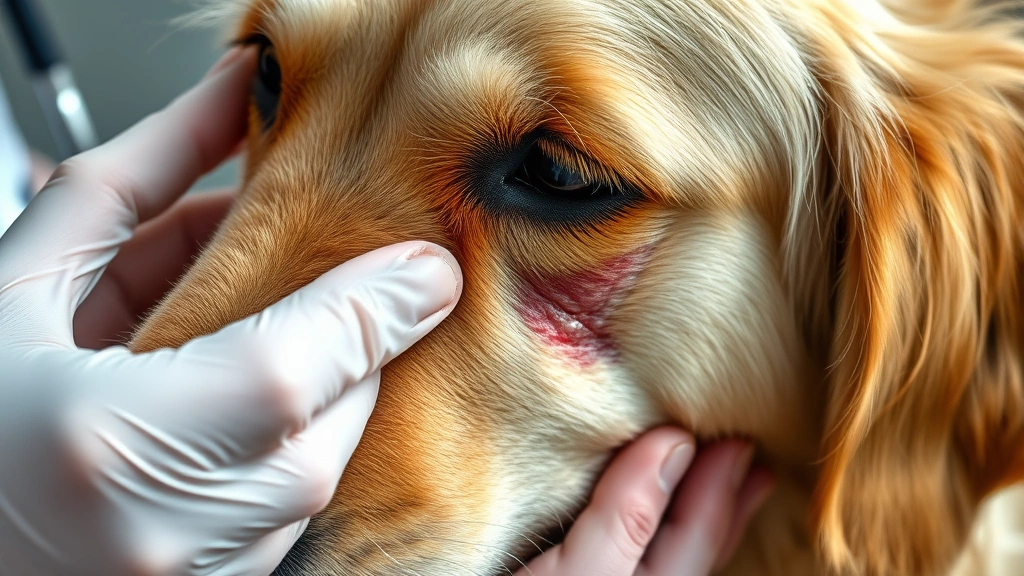
So your pup’s been scratching like they’re auditioning for a flea circus, and you’re wondering how do you get rid of mites on dogs—welcome to the club, friend. Mites are basically tiny parasitic party crashers that love setting up shop on your dog’s skin, and they’re annoyingly good at it. The good news? You’ve got options, and most of them actually work. Let’s dig into how to evict these unwelcome guests and get your furry buddy back to their itch-free, happy self.
Table of Contents
- Understanding Canine Mites: What You’re Actually Dealing With
- Solution #1: Prescription Medications and Topical Treatments
- Solution #2: Medicated Baths and Dips
- Solution #3: Nutritional Support and Immune Boosting
- Solution #4: Environmental Management and Hygiene
- Solution #5: Ear Mite-Specific Treatments
- When to Call Your Vet (And Why You Shouldn’t Wait)
- Treatment Timeline: How Long Until Your Dog Feels Better
- Natural and Complementary Approaches Worth Considering
- Prevention: The Best Medicine
- Common Mistakes People Make When Treating Mites
- Frequently Asked Questions
- Final Thoughts: Your Dog’s Itch-Free Future Awaits
Understanding Canine Mites: What You’re Actually Dealing With
Before you can fight the enemy, you need to know what you’re fighting. Mites on dogs come in several varieties, and they’re basically microscopic vampires that feast on skin cells, oils, and sometimes blood. The two main troublemakers are sarcoptic mites (the ones that cause sarcoptic mange) and demodectic mites (responsible for demodectic mange). There’s also ear mites, which are their own special nightmare. Each type causes different symptoms, so identifying which mite you’re dealing with is half the battle. Your vet can help with this through skin scrapings or other diagnostic tests. Think of it as mite CSI—annoying but necessary.
Solution #1: Prescription Medications and Topical Treatments
This is usually the nuclear option, and honestly, it’s often the most effective. Your vet can prescribe medications like ivermectin, selamectin, or milbemycin, which are basically kryptonite for mites. Topical treatments like Revolution or Advantage II work by killing mites on contact and preventing new infestations. Some vets recommend monthly applications for several months to break the mite life cycle completely. The downside? These aren’t cheap, and some dogs have sensitivities to certain medications. Always follow your vet’s dosing instructions to the letter—overdosing won’t speed up results and could cause problems. If you’re concerned about side effects, chat with your vet about alternatives or get a second opinion through online vet advice for food reactions to understand your dog’s specific health profile.
Solution #2: Medicated Baths and Dips
Remember those sulfur dips your grandma might’ve mentioned? They’re still around, and they actually work. Medicated baths with ingredients like benzoyl peroxide, sulfur, or miticidal shampoos can help kill mites and soothe irritated skin. The trick is consistency—you’ll typically need to bathe your dog every 3-7 days for several weeks. Pro tip: make sure the water is warm (not hot), and let the medicated shampoo sit on their skin for the recommended time before rinsing. It’s tedious, sure, but it’s also relatively affordable and gives you hands-on control of the treatment. Plus, your dog gets a spa day out of it (even if they hate it).
Solution #3: Nutritional Support and Immune Boosting
Here’s something people often overlook: a dog’s immune system plays a huge role in fighting off mite infestations. Demodectic mange especially tends to flare up when a dog’s immune system is compromised. Adding omega-3 fatty acids, probiotics, and high-quality proteins to your dog’s diet can strengthen their skin barrier and immune response. Some vets recommend foods for joint health in pets, which often contain anti-inflammatory ingredients that help skin health too. Feeding your dog a balanced, nutrient-rich diet isn’t a standalone cure, but it’s a powerful supporting player in the mite-elimination game. Think of it as giving your dog’s body the tools it needs to fight back.
Solution #4: Environmental Management and Hygiene
Mites might be tiny, but they’re not invisible to good cleaning habits. Wash your dog’s bedding weekly in hot water, vacuum regularly, and consider using a pet-safe disinfectant spray on surfaces your dog frequents. Some mites (like sarcoptic mites) can temporarily survive on furniture or clothing, so don’t skip this step. Bathe your dog with warm water and a gentle cleanser between medicated treatments to remove dead skin cells and mite debris. Keep their living space clean and dry—mites love humid environments, so if you’re in a damp climate, consider a dehumidifier. This isn’t glamorous, but combined with medical treatment, it’s seriously effective. You’re basically creating a hostile environment for mites while healing your dog’s skin.
Solution #5: Ear Mite-Specific Treatments
Ear mites are their own special category of annoying, and they need targeted treatment. If your dog’s shaking their head constantly or has dark, crusty discharge in their ears, you’re probably dealing with ear mites. Prescription ear drops specifically formulated for mites are your best bet, though some topical treatments work for ear mites too. Clean your dog’s ears gently with a vet-approved solution before applying treatment to remove debris and help the medication work better. You might also need to address secondary yeast or bacterial infections that often tag along with ear mites. If you’re unsure what’s happening in those ear canals, candida in dogs ear can provide insights into related ear issues. Some dogs need several weeks of consistent treatment, so patience is key.

When to Call Your Vet (And Why You Shouldn’t Wait)
Here’s the thing: mites aren’t something to DIY diagnose. Scratching can indicate allergies, fleas, fungal infections, or a dozen other issues. Getting a proper diagnosis from your vet is non-negotiable. They’ll do a skin scraping or other tests to confirm you’re actually dealing with mites and identify the specific type. This matters because treatment varies. If your dog is showing signs of severe skin infection, hair loss, or seems uncomfortable, don’t wait for an appointment—call your vet immediately. In emergencies or if you need quick advice, telehealth advice for pet poisoning services can connect you with vets who can provide guidance on urgent situations.
Treatment Timeline: How Long Until Your Dog Feels Better
Let’s be real: getting rid of mites isn’t a one-and-done situation. Most treatments take 4-8 weeks to completely eliminate mites because you’re fighting their entire life cycle. You might see improvement in itching within 1-2 weeks, but you need to keep treating even after symptoms disappear. Stopping early is how mites make a comeback. Consistency is absolutely crucial here. Mark your calendar, set phone reminders, and stick to your treatment schedule like your dog’s sanity depends on it (because kind of, it does). Your vet will likely want to recheck your dog after treatment to confirm the mites are gone.
Natural and Complementary Approaches Worth Considering
Some dog owners swear by natural remedies like apple cider vinegar rinses, coconut oil, or neem oil. While these might provide some relief and have antimicrobial properties, they’re not proven to eliminate mites on their own. They can be helpful as complementary treatments alongside veterinary care, but don’t rely on them exclusively. Honey has some antimicrobial properties too, but again—it’s supporting cast, not the main event. If you want to explore natural options, discuss them with your vet first to make sure they won’t interfere with prescribed treatments. Your dog deserves evidence-based care, but there’s nothing wrong with adding supportive measures that make them more comfortable.
Prevention: The Best Medicine
Once you’ve finally evicted those mites, prevention is your new best friend. Year-round flea and tick prevention often covers mites too, so keeping your dog on a consistent preventative schedule is smart. Regular grooming helps you catch skin issues early. Maintaining good hygiene, a healthy diet, and regular vet checkups keeps your dog’s immune system strong. If your dog had demodectic mange (which is often linked to immune issues), work with your vet on long-term management strategies. Some breeds are more prone to mite issues, so if you’ve got a predisposed pup, extra vigilance pays off. Think of prevention as an investment in your dog’s comfort and your own sanity.
Common Mistakes People Make When Treating Mites
Don’t stop treatment early just because your dog stops scratching. Seriously, this is the number one reason mites come roaring back. Another mistake: not treating all pets in the household. If you’ve got multiple dogs or cats, mites can spread between them, so everyone needs treatment. Some people also skip environmental cleaning, which is like mopping the floor while it’s still raining—pointless without addressing the source. Mixing treatments without vet approval is risky too. And please, don’t assume over-the-counter mite treatments are as effective as prescription options—they often aren’t. Your vet exists for a reason, and mites are definitely one of those reasons.
Frequently Asked Questions
How do I know if my dog has mites?
Common signs include excessive scratching, hair loss, red or inflamed skin, crusty patches, and sometimes a musty odor. Ear mites specifically cause head shaking and dark ear discharge. The only way to be sure is a vet visit for proper diagnosis through skin scrapings or other tests.

Can humans catch mites from dogs?
Sarcoptic mites can temporarily affect humans, causing itching where the dog sleeps or sits on you, but they don’t establish long-term infestations on human skin. Demodectic mites don’t affect humans at all. Still, good hygiene practices are important for everyone’s health.
How much does mite treatment cost?
Costs vary widely depending on treatment type and your dog’s size. Prescription medications might run $50-$300+ for a full course, while medicated baths at a groomer could be $30-$100 per session. Initial vet diagnostics add another $100-$300. It’s worth budgeting for proper treatment rather than trying cheap alternatives that don’t work.
Can my dog get mites again after treatment?
Yes, reinfection is possible, especially if prevention isn’t maintained. Demodectic mange can recur if immune issues flare up again. This is why year-round preventative care and maintaining your dog’s health are so important.
Are there home remedies that actually work?
Home remedies might provide comfort but won’t eliminate mites on their own. They work best as complementary treatments alongside veterinary care. Always consult your vet before trying anything new to ensure it won’t interfere with prescribed treatments.
Final Thoughts: Your Dog’s Itch-Free Future Awaits
Getting rid of mites on dogs isn’t complicated, but it does require patience, consistency, and professional guidance. Whether you go with prescription medications, medicated baths, or a combination approach, the key is sticking with treatment for the full recommended duration. Your dog will thank you with fewer scratches, healthier skin, and the return of their usual happy self. Don’t let mites win—reach out to your vet, follow their recommendations, and remember that temporary inconvenience now beats months of your dog being miserable. You’ve got this, and so does your furry friend.





