
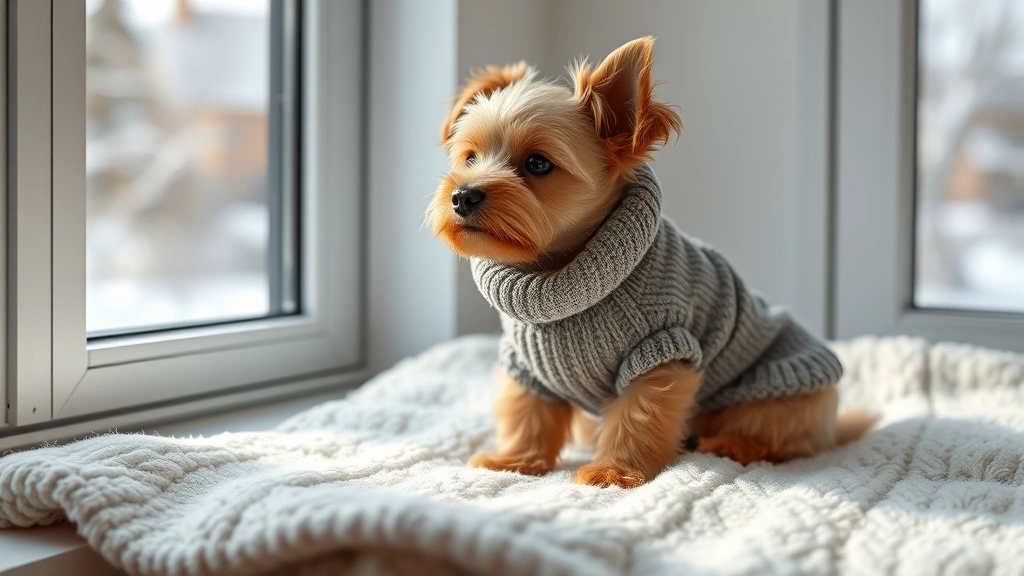
So, how do you know if a dog is cold? If you’ve ever wondered whether your furry friend is shivering because they’re genuinely chilly or just being dramatic, you’re not alone. Dogs can’t exactly tell us when they’re uncomfortable, so it’s our job to read the signs and keep them cozy during those frigid months. Whether you’ve got a tiny Chihuahua or a massive Great Dane, understanding cold-related behaviors is crucial for your pup’s health and happiness.
Table of Contents
- Understanding Canine Cold Sensitivity
- Sign #1: Shivering and Trembling
- Sign #2: Reluctance to Go Outside or Shortened Bathroom Breaks
- Sign #3: Seeking Warmth and Burrowing Behavior
- Sign #4: Changes in Appetite and Digestion
- Sign #5: Lifting Paws Frequently and Limping
- Additional Cold-Related Concerns for Dog Owners
- Breed-Specific Cold Tolerance Variations
- Practical Solutions to Keep Your Dog Warm
- When to Call the Veterinarian
- Frequently Asked Questions
- Summary: Keeping Your Pup Comfortable Year-Round
Understanding Canine Cold Sensitivity
Dogs experience cold differently than humans do, and several factors influence how susceptible your pooch is to dropping temperatures. Breed plays a massive role—those adorable short-haired breeds like Greyhounds and Boxers are basically walking popsicles in winter, while fluffy Nordic breeds like Huskies laugh at snow. Age matters too; puppies and senior dogs struggle with temperature regulation more than adults in their prime. Body fat percentage, coat thickness, and even your dog’s overall health status all contribute to how cold-sensitive they are. Understanding these variables helps you anticipate when your dog might need extra protection before they start showing distress signs.
Sign #1: Shivering and Trembling
The most obvious indicator that signs a dog is cold include shivering is, well, shivering. Just like humans, dogs tremble when their bodies try to generate heat through muscle contractions. If your pup is visibly shaking during a walk or playtime outside, that’s your cue to head indoors. Some dogs shiver more dramatically than others—a Chihuahua might look like a vibrating toy, while a larger breed might show more subtle trembling. Don’t dismiss it as excitement or nervousness; if the shaking coincides with cold weather, it’s likely a temperature issue. The concerning part is when shivering becomes excessive or happens indoors where it shouldn’t be cold.
Sign #2: Reluctance to Go Outside or Shortened Bathroom Breaks
Notice your normally enthusiastic outdoor enthusiast suddenly acting like a couch potato when winter arrives? That’s a classic sign your dog is cold and uncomfortable. Dogs might refuse to venture into the yard, take the quickest bathroom break on record, or hover by the door begging to come back inside immediately. This behavioral shift is particularly telling because it goes against their normal nature. Some dogs will literally do their business in record time and sprint back to the warmth of your home. If your dog’s outdoor duration drops significantly during cold months, they’re probably telling you they’re uncomfortable. This is especially true for breeds with minimal coat protection.
Sign #3: Seeking Warmth and Burrowing Behavior
When dogs get cold, they become heat-seeking missiles. You’ll notice them gravitating toward blankets, curling up in tight balls, burrowing under cushions, or plastering themselves against you for body heat. Some dogs will follow you around the house searching for the warmest spots—near radiators, heating vents, or sunny windows. This instinctive behavior is their way of regulating body temperature. If your dog suddenly becomes a lap dog or refuses to leave their crate (where they’ve nested with every blanket in the house), cold exposure might be the culprit. Excessive burrowing and nest-building are natural responses to temperature discomfort.
Sign #4: Changes in Appetite and Digestion
Cold stress can actually affect your dog’s eating habits and digestive system. Some dogs eat less when they’re cold because their bodies are focused on temperature regulation rather than digestion. Others might experience constipation or digestive upset during cold snaps. If you notice your pup leaving food in their bowl or having bathroom issues during winter months, temperature stress could be involved. Interestingly, some dogs do the opposite and eat more when cold—their bodies demand extra calories to generate warmth. If you’re concerned about digestive issues, check out our guide on constipation in dogs for more detailed information. Proper nutrition during winter is essential; consider healthy snack alternatives for dogs to keep their energy up.
Sign #5: Lifting Paws Frequently and Limping
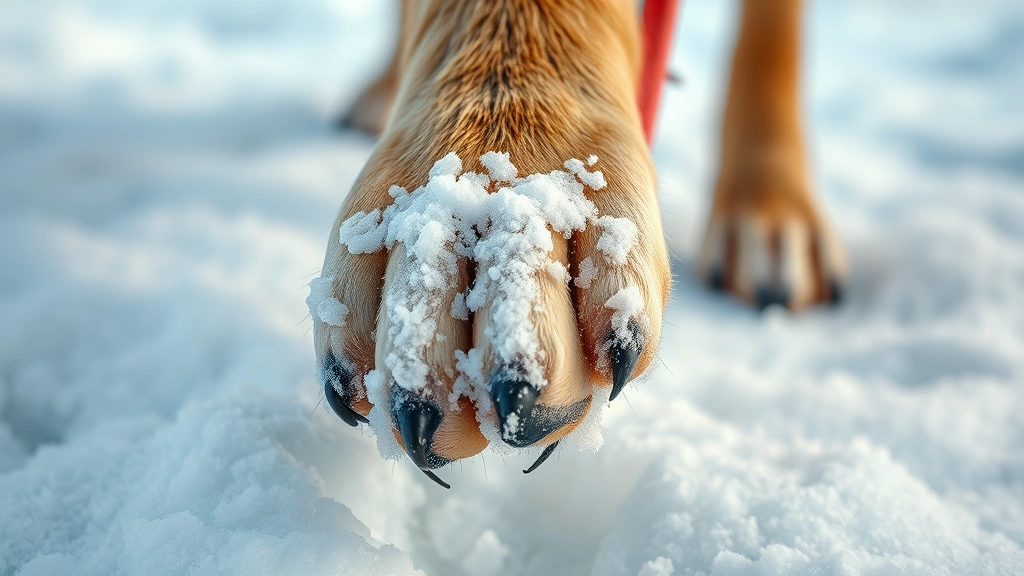
Cold paws are absolutely miserable, and dogs will literally lift their feet off the ground repeatedly if they’re uncomfortable. You might see them doing a funny high-step walk, constantly shifting weight, or refusing to walk on cold surfaces. Some dogs will lick or chew at their paws excessively, trying to warm them up. Ice and snow between toe pads make this worse, creating both cold exposure and potential injury. If your dog is limping or moving stiffly after coming inside from the cold, their joints might be stiffening from temperature drop. This is especially concerning in senior dogs or those with arthritis. Paw sensitivity to cold is completely normal and your signal to get them inside and warmed up.
Additional Cold-Related Concerns for Dog Owners
Beyond the obvious shivering and reluctance signs, there are other cold-related issues to watch for. Frostbite can develop on ears, nose, tail, and paws if exposure is prolonged—look for pale, hard, or blackened skin. Hypothermia is the serious cousin of just being chilly; signs include severe lethargy, weakness, confusion, and slow breathing. Some dogs develop dry, flaky skin during winter months due to low humidity and cold air. You might also notice your dog coughing more frequently during cold weather; if this persists, consult your vet or check out our resource on cough medicine for dogs. Cold can also exacerbate existing health conditions, so senior dogs need extra monitoring during winter.
Breed-Specific Cold Tolerance Variations
Not all dogs are created equal when it comes to cold tolerance. Short-haired breeds like Boxers, Pit Bulls, and Greyhounds get cold quickly and need protection. Toy breeds are especially vulnerable due to their small size and inability to retain body heat efficiently. Conversely, breeds developed for cold climates like Huskies, Malamutes, and Saint Bernards have thick double coats and can handle frigid temperatures that would send other dogs running for cover. Medium-length coated breeds fall somewhere in the middle. Understanding your specific breed’s cold tolerance helps you provide appropriate protection. Mixed breeds can be trickier—look at their coat type and size to gauge cold sensitivity. The American Kennel Club provides excellent breed-specific information if you’re unsure about your dog’s needs.
Practical Solutions to Keep Your Dog Warm
Once you recognize that your dog is cold, it’s time to take action. Dog sweaters and coats are lifesavers for cold-sensitive breeds—they come in various styles and materials to suit different climates. Booties protect paws from ice, snow, and cold surfaces while also preventing salt and ice melt chemicals from irritating skin. Limit outdoor time during extreme cold, and always supervise outdoor play. Create a cozy indoor space with blankets and away from drafts. Consider adjusting your dog’s diet during winter; pet diet transition advice can help you make appropriate seasonal changes. Some owners use heated beds or warming pads for extra comfort. Grooming matters too—while you shouldn’t shave double-coated breeds in winter, regular brushing helps their natural insulation work better.
When to Call the Veterinarian
Sometimes what looks like normal cold sensitivity might indicate an underlying health issue. If your dog shows extreme cold sensitivity that seems excessive compared to other dogs of the same breed, or if they develop symptoms like lethargy, loss of appetite, or behavioral changes beyond normal winter adjustments, contact your vet. Hypothermia is a medical emergency requiring immediate veterinary attention—signs include severe shivering followed by lack of shivering, weakness, confusion, and slow heart rate. Frostbite also requires professional evaluation and treatment. If your dog seems to be in pain or limping severely due to cold exposure, don’t wait. Your veterinarian can rule out underlying conditions like thyroid problems or other health issues that might increase cold sensitivity. According to PetMD, certain health conditions can make dogs more susceptible to cold-related problems.
Frequently Asked Questions
At what temperature should I worry about my dog being cold?
Most dogs start feeling uncomfortable below 45°F (7°C), though cold-sensitive breeds struggle at higher temperatures. Below 32°F (0°C), most dogs need protection. However, individual tolerance varies based on breed, coat, age, and health. Wind chill, humidity, and wet conditions make cold feel more intense. Watch your individual dog’s behavior rather than relying solely on temperature readings.
Can dogs get sick from being cold?
Yes, prolonged cold exposure can lead to hypothermia and frostbite, both serious conditions. Cold stress can also suppress immune function, making dogs more susceptible to infections. Additionally, cold can exacerbate existing health conditions like arthritis. This is why monitoring your dog’s cold exposure and providing appropriate protection is important for overall health.

Do all dogs need winter coats?
Not all dogs need coats, but many benefit from them. Short-haired, small, senior, and very young dogs typically need protection. Breeds with thick double coats usually don’t need additional clothing. Your dog’s individual tolerance, your climate, and the duration of outdoor exposure all factor into whether a coat is necessary. When in doubt, observe your dog’s behavior—they’ll tell you if they’re uncomfortable.
How can I warm up a cold dog quickly?
Bring your dog inside to a warm environment and wrap them in blankets. Offer warm (not hot) water to drink. Avoid rapid heating with heating pads directly against skin, as this can cause burns. Let them warm up gradually in a comfortable indoor space. For severe hypothermia, seek immediate veterinary attention rather than attempting home warming.
Is it normal for my dog to shake in the cold?
Yes, shivering is a normal thermoregulation response in dogs, just like in humans. However, excessive, prolonged, or intense shivering indicates your dog is too cold and needs to get inside. If shivering happens indoors or in mild temperatures, it could indicate an underlying health issue worth discussing with your vet.
Summary: Keeping Your Pup Comfortable Year-Round
Understanding how to recognize when your dog is cold is essential for responsible pet ownership. The five key signs—shivering, reluctance to go outside, seeking warmth, appetite changes, and paw sensitivity—give you clear indicators that your furry friend needs protection from cold temperatures. Remember that individual dogs have different cold tolerances based on breed, age, size, and health status. Rather than following a one-size-fits-all approach, pay attention to your specific dog’s behavior and adjust their environment and clothing accordingly. With proper care, monitoring, and protective measures, your dog can stay comfortable and healthy throughout even the harshest winters. When in doubt, consult your veterinarian—they can help you determine if your dog’s cold sensitivity is normal or if underlying health issues need addressing.





