

So, how do you know if dogs have worms? If you’ve noticed your pup acting a little off lately—scratching their rear end like they’re auditioning for a dog food commercial, or their belly looking suspiciously bloated—you might be dealing with a worm problem. Intestinal parasites are one of the most common health issues vets see in dogs, and honestly, they’re way more prevalent than most dog owners realize. The good news? They’re usually treatable, but you’ve got to know what to look for first.
Table of Contents
- The Gross Reality: Why Dogs Get Worms in the First Place
- Sign #1: The Scooting Shuffle (Anal Itching)
- Sign #2: A Pot-Bellied Appearance (Abdominal Distension)
- Sign #3: Diarrhea and Digestive Chaos
- Sign #4: Visible Worms in Stool or Vomit
- Sign #5: Weight Loss and Poor Coat Condition
- Less Obvious Signs You Shouldn’t Ignore
- How Vets Diagnose Worms: The Microscopic Detective Work
- Treatment Options: Getting Rid of the Unwanted Guests
- Prevention: The Best Medicine (Obviously)
- When to Panic: Serious Complications
- The Nutrition Angle: Supporting Recovery
- Frequently Asked Questions
- Final Thoughts: Stay Vigilant
The Gross Reality: Why Dogs Get Worms in the First Place
Before we dive into the warning signs, let’s talk about how dogs end up with these uninvited guests. Dogs are basically little garbage disposals with four legs. They’ll eat literally anything—dirt, other animals’ feces, contaminated food, you name it. Puppies can even inherit worms from their mother before birth or through nursing. Some dogs pick up parasites from infected fleas, while others get them from eating raw or undercooked meat. It’s the circle of life, except way more disgusting.
Sign #1: The Scooting Shuffle (Anal Itching)
You know that moment when your dog drags their butt across your carpet like they’re trying to polish your hardwood floors? That’s called scooting, and while it’s hilarious to watch, it’s usually a red flag. Dogs with worms, particularly tapeworms, experience intense itching around their rear end. The worms can actually irritate the skin, and sometimes you’ll even see segments of tapeworms in their stool or on their fur—they look like little grains of rice. Absolutely delightful, right? If your dog is doing the scooting shuffle more than occasionally, it’s time to call your vet.
Sign #2: A Pot-Bellied Appearance (Abdominal Distension)
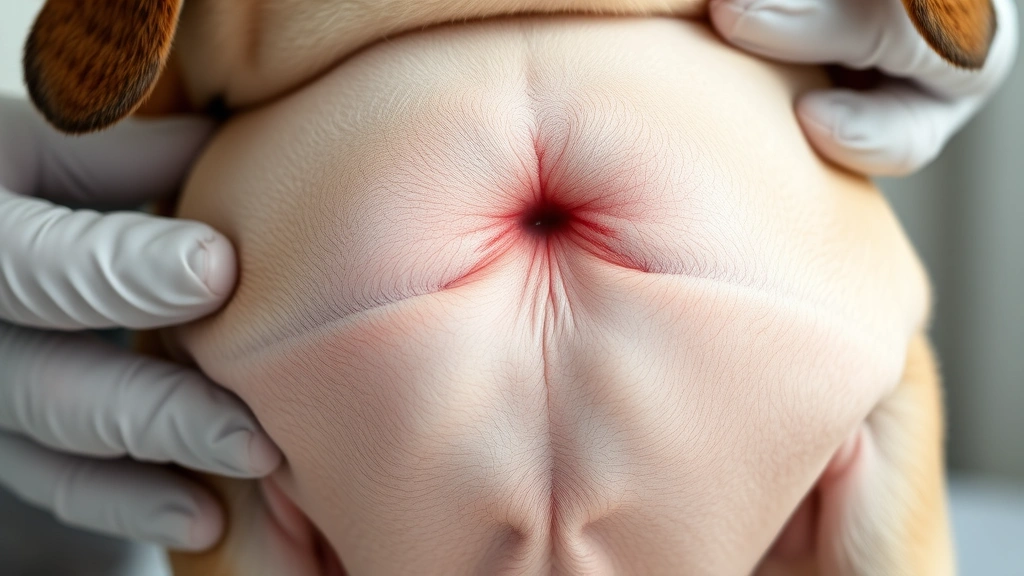
If your dog suddenly looks like they’ve been stress-eating during a Netflix binge, worms might be the culprit. Parasitic infections cause intestinal inflammation and fluid buildup, which makes your dog’s belly appear bloated or distended. This is especially noticeable in puppies, whose pot-bellied look might seem cute until you realize it’s actually a sign of a serious worm infestation. A healthy dog’s belly should be relatively tucked in, not swollen like a balloon at a kid’s birthday party.
Sign #3: Diarrhea and Digestive Chaos
Worms wreak absolute havoc on your dog’s digestive system. You might notice loose stools, chronic diarrhea, or even mucus in their poop. Some dogs develop alternating patterns of diarrhea and constipation, which is basically their gut throwing a tantrum. If your dog has had diarrhea for more than a few days, or if you see blood in their stool, that’s a vet visit waiting to happen. Digestive issues can stem from lots of things, but parasites are definitely high on the suspect list. Consider preparing bland diet recipes for sick pets while you’re waiting for your vet appointment, as this can help settle their stomach.
Sign #4: Visible Worms in Stool or Vomit
This is the most direct evidence you could possibly get, and it’s also the most revolting. Sometimes you’ll literally see worms in your dog’s poop or—worse—in their vomit. Roundworms look like spaghetti noodles, tapeworms look like rice grains, and hookworms are basically invisible unless you’re looking under a microscope. If you spot anything worm-like, don’t panic (okay, panic a little), but definitely save a sample for your vet. They’ll want to examine it to determine exactly what type of parasite you’re dealing with. This is where online pet diagnostics can be super helpful for quick consultations before your appointment.
Sign #5: Weight Loss and Poor Coat Condition
Worms are basically tiny vampires, feeding off your dog’s nutrients and causing weight loss despite a normal appetite. Your dog might be eating like usual but still losing weight, which is a classic sign of parasitic infection. You’ll also notice their coat becomes dull, dry, and lackluster—they’ll look generally unhealthy and malnourished. Their energy levels might drop too, so instead of bouncing around like a furry pinball, they’re just lying around looking sad. This is your dog’s way of saying, “Hey, something’s wrong here.”
Less Obvious Signs You Shouldn’t Ignore
Beyond the main five warning signs, keep an eye out for other symptoms. Some dogs develop a cough if the worms migrate to their lungs (yes, that’s a thing). Others might have a dull appetite or become picky eaters. You might notice your dog licking or biting at their paws more than usual, or they could develop an unexplained rash. Lethargy is another biggie—if your normally energetic pup is acting like they just ran a marathon, parasites could be the reason.
How Vets Diagnose Worms: The Microscopic Detective Work
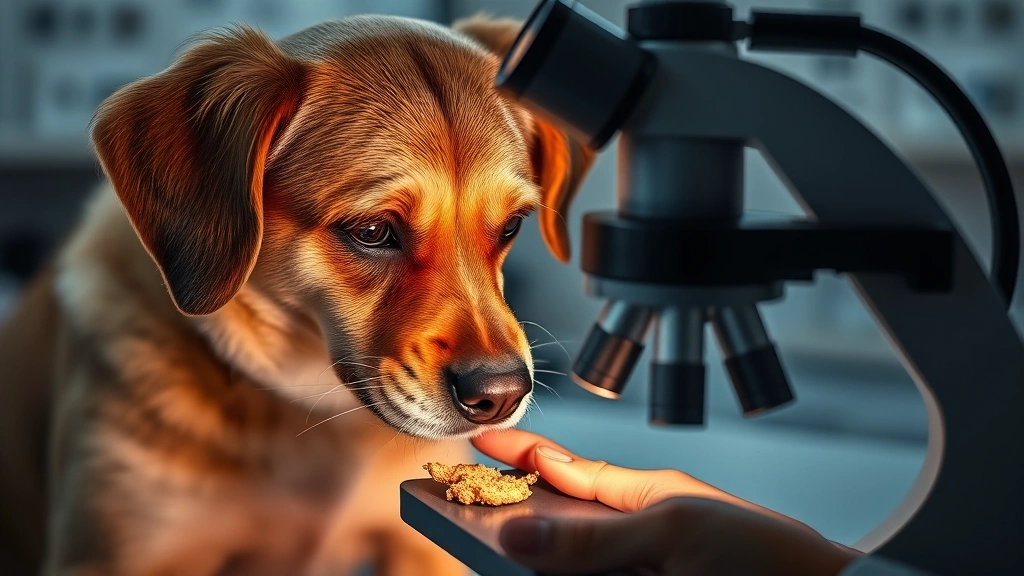
Your vet isn’t going to just take your word for it. They’ll ask you to bring in a fresh stool sample (preferably collected within a few hours) so they can examine it under a microscope. This is called a fecal exam, and it’s the gold standard for identifying parasites. Sometimes they’ll need multiple samples because not all worms shed eggs consistently. Blood tests might be necessary for certain types of parasites, and in rare cases, your vet might recommend imaging like X-rays if they suspect serious complications. According to the American Kennel Club (AKC), regular fecal exams are part of routine preventive care.
Treatment Options: Getting Rid of the Unwanted Guests
The good news is that worms are highly treatable. Your vet will prescribe deworming medication based on the type of parasite and your dog’s age and weight. Most treatments are oral medications given over several weeks, and some work immediately while others require multiple doses. Don’t skip doses or stop early just because your dog seems better—you need to complete the full course to ensure all parasites are eliminated. Some vets recommend repeat treatments after two weeks to catch any newly hatched worms. According to PetMD, following your vet’s protocol is crucial for complete elimination.
Prevention: The Best Medicine (Obviously)
Here’s the thing: preventing worms is way easier than treating them. Keep your yard clean by picking up poop regularly—seriously, this is huge. Don’t let your dog eat feces (easier said than done, I know). Use monthly parasite prevention medications recommended by your vet, which protect against worms, fleas, and ticks. Keep your dog away from wild animals and their waste. If you have multiple pets, treat them all simultaneously to prevent reinfection. Puppies should be dewormed starting at two weeks old, then every two weeks until twelve weeks, then monthly until six months old. Be cautious with your dog’s diet too—avoid feeding raw meat, and make sure any puppy safe human foods you offer are thoroughly cooked.
When to Panic: Serious Complications
Most worm infections are manageable, but severe cases can cause serious problems. If your dog is showing signs of anemia (pale gums, lethargy, weakness), has a severely distended belly, is vomiting frequently, or shows signs of intestinal blockage, get to the vet immediately. Heavy worm burdens in puppies can be life-threatening, so don’t mess around. Also, some parasites can be transmitted to humans, so practice good hygiene—wash your hands after handling your dog or their waste, and keep kids away from contaminated areas.
The Nutrition Angle: Supporting Recovery
While your dog is being treated for worms, their body needs extra support to recover from malnutrition and intestinal damage. Once your vet gives the all-clear, consider implementing some gentle, nutrient-dense foods. Avoid anything with garlic (which can be toxic) and stick to easily digestible options. Convalescence foods from the kitchen can help your dog rebuild their strength during recovery. Bone broth, plain cooked chicken, and sweet potatoes are great options, but always check with your vet before introducing new foods.
Frequently Asked Questions
Can humans get worms from dogs?
Some parasites can be transmitted to humans, particularly roundworms and hookworms. This is why practicing good hygiene—washing hands, keeping your dog’s living area clean, and preventing your dog from eating feces—is so important. Kids are especially vulnerable, so supervise their interactions with dogs and enforce hand-washing rules.
How often should I have my dog’s stool checked?
Puppies should have fecal exams every 2-4 weeks until six months old. Adult dogs should have at least one annual exam, though some vets recommend twice yearly, especially for dogs that spend lots of time outdoors or eat raw food. Seniors might benefit from more frequent checks.
Are over-the-counter dewormers as effective as prescription ones?
Not necessarily. Prescription dewormers are specifically formulated for the type of parasite your dog has, while OTC options are more generic. Your vet’s prescription ensures you’re treating the right parasite with the right dose for your dog’s weight. Always consult your vet before using any dewormer.
Can my dog get worms even if they’re on prevention?
It’s rare, but possible. Some dogs might have an unusual parasite that isn’t covered by their regular prevention, or they might have been exposed before starting prevention. This is why regular fecal exams are important even for dogs on preventive medication.
How long does it take to get rid of worms?
Most worms are eliminated within 1-3 weeks of starting treatment, but your vet might recommend follow-up doses to catch any newly hatched parasites. Complete recovery and nutritional restoration might take several weeks, especially in severely affected dogs.
Final Thoughts: Stay Vigilant
Knowing how do you know if dogs have worms is essential for every dog owner. The five main warning signs—scooting, pot-belly appearance, diarrhea, visible worms, and weight loss—should never be ignored. While worms are common and treatable, they can cause serious complications if left unchecked. Regular vet visits, consistent parasite prevention, and good hygiene practices are your best defense. If you notice any of these signs, don’t wait—contact your vet. Your pup will thank you, and your carpets will definitely appreciate the lack of scooting.





