
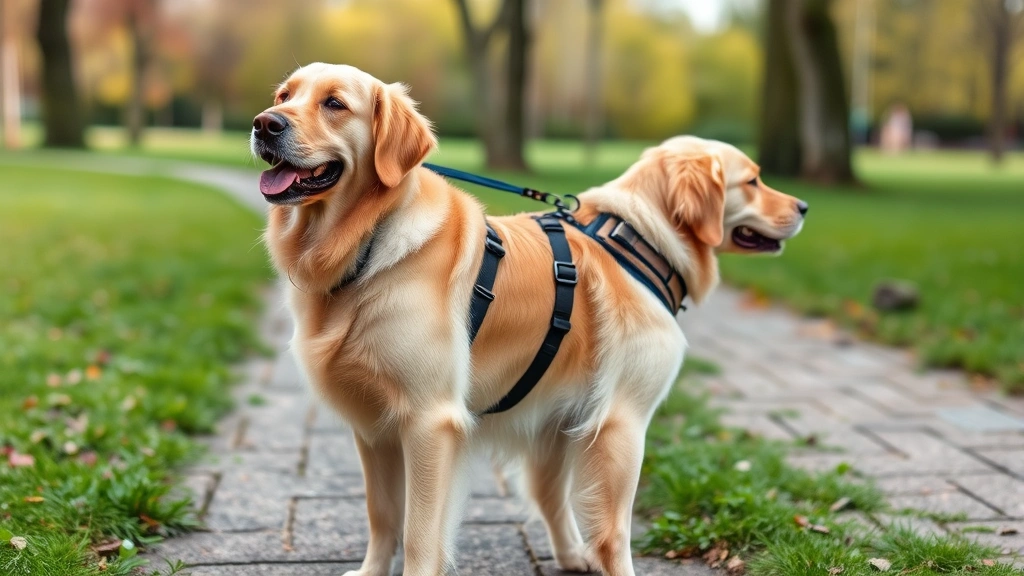
How to Put a Harness on a Dog: Easy Steps
Getting your furry friend ready for a walk should be a stress-free experience for both of you. Yet many dog owners struggle with the seemingly simple task of putting on a harness. Whether you’re dealing with a wiggly puppy, a strong-willed adult dog, or a senior pup who needs extra patience, mastering the proper harness-fitting technique makes all the difference. A well-fitted harness provides comfort, security, and control during your outdoor adventures.
The good news? Learning how to put a harness on a dog is easier than you might think. With the right approach, a little practice, and plenty of positive reinforcement, you’ll have your pup harnessed and ready to go in no time. This comprehensive guide walks you through every step of the process, troubleshoots common challenges, and helps you choose the right harness for your dog’s unique needs.
Proper harness fitting isn’t just about convenience—it’s about your dog’s safety and comfort. An incorrectly fitted harness can cause chafing, restrict movement, or even allow your dog to slip free during a walk. By following these proven techniques and understanding the fundamentals, you’ll ensure your dog stays secure and comfortable every single time you venture outside.
Types of Dog Harnesses
Before you can master putting on a harness, it helps to understand the different styles available. Each harness type has unique advantages and application methods. The most common styles include:
- Back-Clip Harnesses: These feature a D-ring on the dog’s back where you attach the leash. They’re ideal for dogs who pull, as they redirect pulling force to the side rather than forward. Back-clip harnesses are generally easier to put on and are excellent for casual walks.
- Front-Clip Harnesses: With the attachment point on the chest, front-clip harnesses provide maximum control and discourage pulling. They require a bit more finesse to put on correctly but offer superior handling for strong or reactive dogs.
- No-Pull Harnesses: Designed specifically to prevent pulling behavior, these often combine front and back clips. They’re particularly useful during the training phase when you’re working on leash manners.
- Vest Harnesses: These wrap around your dog’s torso like a vest, distributing pressure evenly. Vest harnesses are comfortable for long walks and excellent for dogs with sensitive necks.
- Step-In Harnesses: Your dog steps into these like pants, and you fasten them around the torso. They’re great for dogs who dislike anything going over their heads.
Understanding your harness type is crucial because the application process varies. Always consult your specific harness’s instructions, but the general principles remain consistent across most styles.
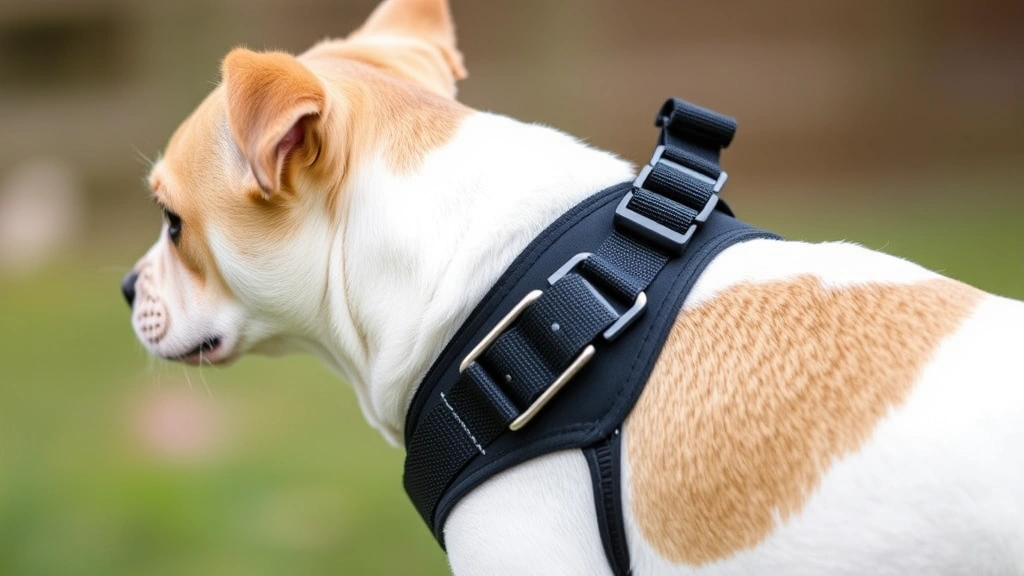
Measuring Your Dog for a Harness
Proper measurement is the foundation of successful harness fitting. An ill-fitting harness can be uncomfortable and potentially unsafe. Here’s how to measure your dog accurately:
- Gather Your Tools: You’ll need a soft measuring tape (the kind used for sewing works perfectly). Have some treats handy to keep your dog calm and still during the process.
- Measure the Girth: This is the circumference around your dog’s chest, typically measured just behind the front legs. Wrap the tape measure snugly but not tightly around this area. This measurement is usually the most important for harness sizing.
- Measure the Neck: Gently measure around your dog’s neck where a collar would sit. This helps ensure the harness won’t slip over the head or choke your pup.
- Measure the Length: Starting from the base of your dog’s neck, measure down to the base of the tail. This helps determine if you need a longer harness for bigger dogs or a shorter one for small breeds.
- Check Weight Guidelines: Most harness manufacturers provide sizing charts based on weight and measurements. Compare your dog’s measurements to these charts to find the right size.
Remember that puppies grow quickly, and senior dogs may have different needs than adults. When in doubt, choose the size that allows for one to two fingers of space between the harness and your dog’s body—snug enough for security but loose enough for comfort.
Step-by-Step Harness Application Guide
Now for the main event—actually putting the harness on your dog. While the exact steps vary by harness type, this general approach works for most standard harnesses:
Preparation Phase:
- Choose a calm, distraction-free environment for the first few times. A quiet room works better than a chaotic entryway when you’re learning.
- Have treats ready to reward cooperation and create positive associations with the harness.
- Ask your dog to sit or stand in a relaxed position. Use a calm, encouraging tone of voice.
- Let your dog sniff and investigate the harness. This familiarization reduces anxiety and builds trust.
Application Steps for Back-Clip Harnesses:
- Open the Harness: Fully unfasten all straps and buckles. Lay it out so you can see all components clearly.
- Position Yourself: Stand or kneel beside your dog, not above them. This non-threatening position makes the process easier and less intimidating.
- Guide the Front Legs: Gently lift your dog’s front left leg and guide it through the left armhole. Be patient and gentle—never force the leg through.
- Bring Around the Back: Wrap the harness around your dog’s back and guide the right front leg through the right armhole.
- Fasten the Buckles: Secure all buckles and straps according to your harness design. Start with the chest strap, then the belly strap, working from front to back.
- Final Check: Ensure all straps are secure and nothing is twisted. Your dog should feel comfortable and unrestricted.
Application Steps for Step-In Harnesses:
- Create an Opening: Hold the harness open like a pair of pants, with the leg holes clearly visible.
- Guide Front Legs: Encourage your dog to step into the harness with their front legs first, placing one paw in each leg hole.
- Lift and Secure: Gently lift the harness up your dog’s front legs and secure the neck and back straps.
- Adjust Straps: Tighten all straps to ensure a snug but comfortable fit.
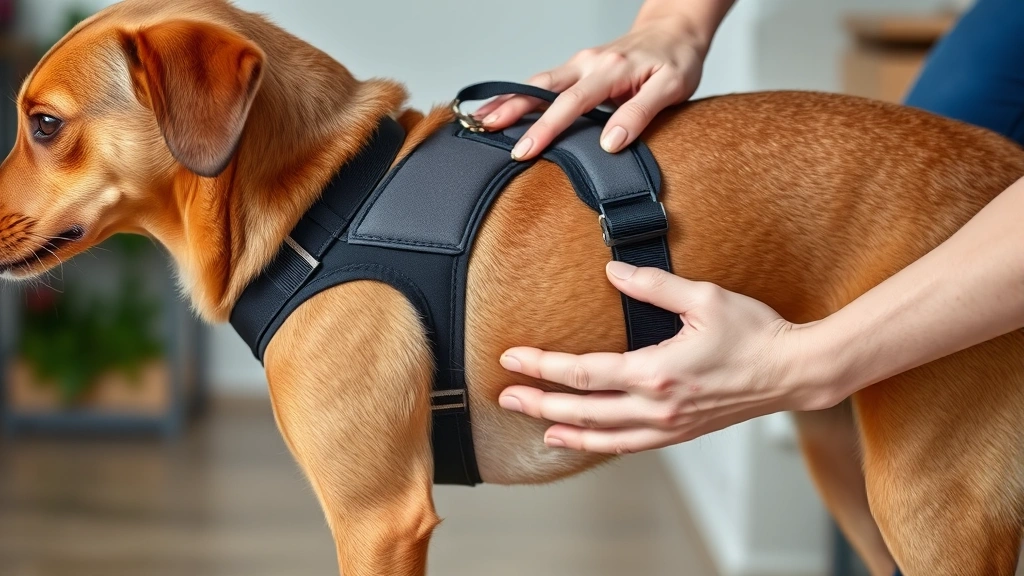
How to Check if Your Harness Fits Properly
A properly fitted harness is essential for your dog’s safety and comfort. After putting on the harness, perform these checks:
- The Two-Finger Rule: You should be able to fit two fingers comfortably between the harness and your dog’s body. If it’s tighter, loosen it. If there’s more space, tighten it slightly.
- No Rubbing or Chafing: Inspect your dog’s skin for any red marks or irritation. The harness should sit smoothly without creating pressure points.
- Movement Freedom: Your dog should move naturally without restriction. Watch them walk and play to ensure the harness doesn’t limit their range of motion.
- No Slipping: Try gently pulling up on the harness. It shouldn’t slide over your dog’s head or shift significantly during movement.
- Proper Alignment: The harness should sit evenly on both sides of your dog’s body without twisting or bunching.
- Breathing Comfort: Watch your dog’s breathing. They should breathe normally without any signs of struggling or discomfort.
If your dog shows signs of discomfort, such as excessive panting, reluctance to move, or attempts to escape the harness, remove it immediately and reassess the fit. You might need to adjust straps, try a different size, or consider a different harness style that better suits your dog’s body type.
Common Harness Problems and Solutions
Even experienced dog owners encounter harness challenges. Here are solutions to the most common issues:
Problem: Dog Refuses to Wear the Harness
This often happens with dogs who haven’t been properly introduced to harnesses. Start by letting your dog wear the harness for just a few minutes indoors while offering treats and praise. Gradually increase wearing time before attempting walks. Consider using high-value treats to create positive associations with harness time.
Problem: Harness Slips Over Head
If your harness keeps slipping off, it’s likely too large. Tighten the neck strap, or consider sizing down. Some dogs with narrow heads need smaller harnesses even if their chest is larger. Step-in or front-clip harnesses are often better for dogs with narrow heads relative to their body size.
Problem: Dog Walks Backward or Refuses to Move
This freezing behavior, called “opposition reflex,” is common when dogs first wear harnesses. Don’t force movement—instead, take a step back in your training process. Let your dog wear the harness indoors during playtime and feeding. Once they’re comfortable, try short, happy walks with extra encouragement and rewards.
Problem: Rubbing and Chafing
Chafing usually indicates an ill-fitting harness or one that’s too tight. Loosen straps, try a different size, or add padding to problem areas. Some dog owners use soft fabric or fleece between the harness and their dog’s coat for sensitive skin. Check the fit regularly, especially as your dog grows or their weight changes.
Problem: Harness Twists During Walks
A twisting harness usually means it’s too loose or not properly fastened. Double-check all buckles and straps, ensuring they’re snug. If twisting persists, you might need to adjust the positioning when putting it on or try a harness style that stays more stable during movement.
Training Your Dog to Wear a Harness
Beyond just putting on a harness, teaching your dog to accept and enjoy harness time creates a positive, stress-free experience for everyone. Here’s how to make the training process smoother:
Start Early and Go Slow
Introduce harnesses when your dog is young if possible. Puppies adapt more quickly to new equipment. For adult dogs, patience is key. Spend several days just letting your dog see and sniff the harness before attempting to put it on.
Create Positive Associations
Always pair harness time with good things. Put on the harness, immediately give treats, and create a celebratory atmosphere. Many dogs start to recognize the harness as a signal that something fun (like a walk or playtime) is about to happen.
Practice in Low-Stress Environments
Begin harness training indoors or in your backyard. Once your dog is comfortable, gradually transition to busier environments. This prevents overwhelming your pup and builds confidence gradually.
Use Treats and Praise Generously
Reward cooperation at every step. Reward your dog for standing still while you put on the harness, for accepting each strap, and for wearing it calmly. Positive reinforcement is far more effective than any form of force or frustration.
Keep Sessions Short
Initial harness training sessions should last just a few minutes. As your dog becomes more comfortable, gradually extend the time. This prevents frustration and keeps the experience positive.
Stay Calm and Patient
Dogs pick up on your energy. If you’re frustrated or tense, your dog will sense it and become anxious too. Maintain a calm, encouraging demeanor throughout the process. Remember that learning takes time, and every dog progresses at their own pace.
If your dog continues struggling with harness acceptance, consider whether their resistance might be related to other behavioral issues. Dogs who engage in destructive behaviors or have anxiety might benefit from additional training support. For dogs with serious behavioral concerns or those being trained for specific roles, you might explore whether your dog could become a service dog, which involves comprehensive training including equipment acclimation.
Harness Care and Maintenance
Proper harness maintenance extends its lifespan and ensures your dog’s comfort and safety. Here’s how to keep your harness in top condition:
Regular Cleaning
Harnesses accumulate dirt, sweat, and bacteria over time. Most fabric harnesses can be hand-washed with mild soap and warm water. Check the manufacturer’s instructions—some harnesses are machine-washable. Allow harnesses to air-dry completely before using them again to prevent mold and mildew.
Inspect for Damage
Weekly inspections catch problems before they become safety issues. Check straps for fraying or tears, examine buckles for cracks or corrosion, and ensure all stitching remains intact. Replace any damaged harness immediately—a broken buckle or torn strap could cause your dog to escape during a walk.
Check Fit Regularly
Your dog’s weight and body shape can change seasonally or as they age. Recheck the fit monthly, especially for growing puppies or senior dogs. Adjust straps as needed to maintain proper fit and comfort.
Store Properly
Store harnesses in a cool, dry place away from direct sunlight. Prolonged sun exposure can degrade materials and fade colors. Keep harnesses away from extreme heat or moisture to prevent deterioration.
Replace When Necessary
Even with excellent care, harnesses eventually wear out. Signs it’s time for a replacement include persistent rubbing despite adjustments, broken or malfunctioning buckles, permanent stains or odors, or visible wear on straps. A worn-out harness compromises safety, so don’t hesitate to replace it.
Just as you maintain your dog’s equipment, remember to maintain their overall health and nutrition. Proper nutrition and meal preparation supports healthy skin and coat, which makes harness wearing more comfortable. Additionally, understanding your dog’s preferences—like knowing why dogs like belly rubs—helps you build the trust necessary for cooperative harness wearing. Don’t overlook other important care aspects either, such as how to clean your dog’s ears, which contributes to overall comfort and health.
Frequently Asked Questions
At What Age Can You Put a Harness on a Puppy?
You can introduce a harness to puppies as early as 6-8 weeks old. Start with a properly-fitted puppy harness and focus on familiarization rather than walks. Young puppies aren’t ready for extended walks anyway, so the goal is simply building comfort with the equipment. As your puppy grows, move to increasingly sized harnesses to accommodate their developing body.
Is a Harness Better Than a Collar?
Harnesses are generally considered superior to collars for leash walking, especially for dogs prone to pulling. Harnesses distribute pressure more evenly across the torso rather than concentrating it on the neck, reducing the risk of tracheal damage and neck strain. However, collars are still useful for holding ID tags and can be worn during supervised indoor time. Many owners use both—a harness for walks and a collar for tags.
How Tight Should a Dog Harness Be?
A properly fitted harness should be snug enough that your dog can’t slip out but loose enough for comfort. Use the two-finger rule: you should be able to fit two fingers between the harness and your dog’s body. If you can fit more than two fingers, it’s too loose. If you can’t fit two fingers, it’s too tight and could restrict breathing or cause discomfort.
Can Dogs Sleep in Harnesses?
While dogs can technically sleep in harnesses, it’s not recommended for extended periods. Harnesses should be removed when your dog is resting to prevent skin irritation and allow unrestricted movement. However, wearing a harness for short naps during car rides or travel is generally fine if properly fitted.
What’s the Difference Between Front-Clip and Back-Clip Harnesses?
Back-clip harnesses have the leash attachment on the dog’s back and are easier to put on but offer less control for pullers. Front-clip harnesses attach at the chest and provide superior control by redirecting pulling force to the side, but they can be trickier to fit properly. Choose based on your dog’s size, pulling tendency, and your comfort level with application.
How Often Should I Replace My Dog’s Harness?
Most harnesses last 1-3 years with proper care, depending on quality and frequency of use. Inspect regularly for signs of wear and replace immediately if you notice damage. Dogs in very active lifestyles or those who spend extended time outdoors may need harness replacements more frequently than less active dogs.
Can You Use a Harness for Training?
Yes, harnesses are excellent training tools, particularly for teaching leash manners and recall. Front-clip harnesses are especially useful for discouraging pulling during loose-leash walking training. Many professional trainers recommend harnesses as part of a comprehensive training program, particularly for dogs with behavioral challenges.
What Should I Do if My Dog Escapes the Harness?
If your dog manages to escape, immediately assess what went wrong. The harness is likely too large or not fastened securely. Tighten straps and consider sizing down, or try a different harness style. Practice harness application in a secure environment until you’re confident in the fit. If escaping happens repeatedly, consult a professional trainer or your veterinarian to ensure there are no underlying issues.





