
So you’re wondering how long after a dog eats do they poop? The short answer: typically between 4-8 hours, but it’s way more complicated than that. Your dog’s digestive system is basically a furry, four-legged factory, and understanding its timeline can save you from awkward situations, health problems, and a whole lot of cleanup.
Table of Contents
- The Basic Timeline: When Your Dog’s Digestive System Gets to Work
- Factors That Affect Your Dog’s Poop Schedule
- Understanding Your Dog’s Digestive System: The 30,000-Foot View
- The Impact of Meal Frequency on Poop Timing
- Diet Quality and Digestibility: Why It Matters
- Exercise and Bowel Movements: The Movement Connection
- Medical Conditions That Affect Poop Timing
- The Role of Hydration in Digestive Health
- Troubleshooting: When Your Dog’s Poop Schedule Goes Wrong
- Feeding Strategies to Optimize Digestive Health
- Age-Specific Poop Patterns: From Puppies to Seniors
- When to Call the Vet About Poop Timing
- Frequently Asked Questions
- Summary: Keeping Your Dog’s Digestive System on Track
The Basic Timeline: When Your Dog’s Digestive System Gets to Work
Here’s the deal—when your pup scarfs down their kibble, their digestive journey doesn’t start in their stomach. It actually begins the moment food hits their mouth. Saliva starts breaking things down (yes, really), and then the food travels down the esophagus to the stomach, where the real party begins.
Most dogs will need to poop somewhere between 4 to 8 hours after eating. Some speedy digesters might go in 2-3 hours, while others might take up to 12 hours. It’s not an exact science—it’s more like a biological guessing game.
Factors That Affect Your Dog’s Poop Schedule
Not all dogs are created equal, and neither are their digestive systems. Several factors influence how long after eating a dog poops:
- Age: Puppies digest food faster (sometimes in 2-3 hours), while senior dogs might take longer due to slower metabolism
- Diet quality: High-quality, easily digestible foods move through faster than cheap fillers
- Breed size: Smaller breeds often have faster digestion than large breeds
- Activity level: Exercise after eating speeds up digestion
- Metabolism: Some dogs are just naturally speedy digesters
- Water intake: Proper hydration helps keep things moving
Understanding Your Dog’s Digestive System: The 30,000-Foot View
A dog’s digestive tract is shorter and more acidic than a human’s, which means they can break down food faster and handle some things we can’t. Their stomach empties into the small intestine, where most nutrient absorption happens. Then it moves to the large intestine (colon), which absorbs water and forms the final product—poop.
The entire journey typically takes 6-8 hours from mouth to… well, you know. But here’s the thing: according to the American Kennel Club, individual variation is huge. Your dog might be a speed-eater or a slow-mover, and both can be totally normal.
The Impact of Meal Frequency on Poop Timing
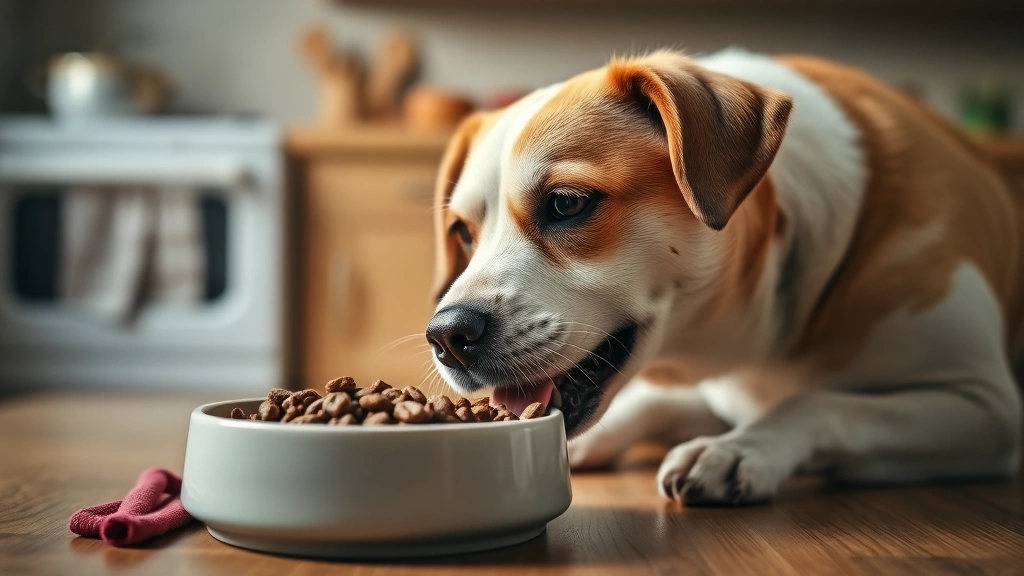
How often you feed your dog matters. Dogs on a single daily meal schedule typically poop once daily, usually 4-8 hours after eating. Dogs fed twice daily? They’ll likely poop twice daily, each time following that same 4-8 hour window (give or take).
Puppies are a different beast entirely. They might need to poop 4-5 times daily because they eat more frequently and their digestive systems are still developing. As they grow, this normalizes to 1-2 times daily for adult dogs.
Diet Quality and Digestibility: Why It Matters
Not all dog foods are created equal, and your dog’s poop schedule reflects that. High-quality, premium dog foods with easily digestible proteins move through the system faster and produce smaller, firmer stools. Cheap kibble loaded with fillers? That’s a longer journey with messier results.
If you’re concerned about your dog’s digestive health, consider canned pumpkin for dogs, which can help regulate digestion naturally. You might also explore vet approved human foods for pets to supplement their diet with digestive-friendly options.
Exercise and Bowel Movements: The Movement Connection
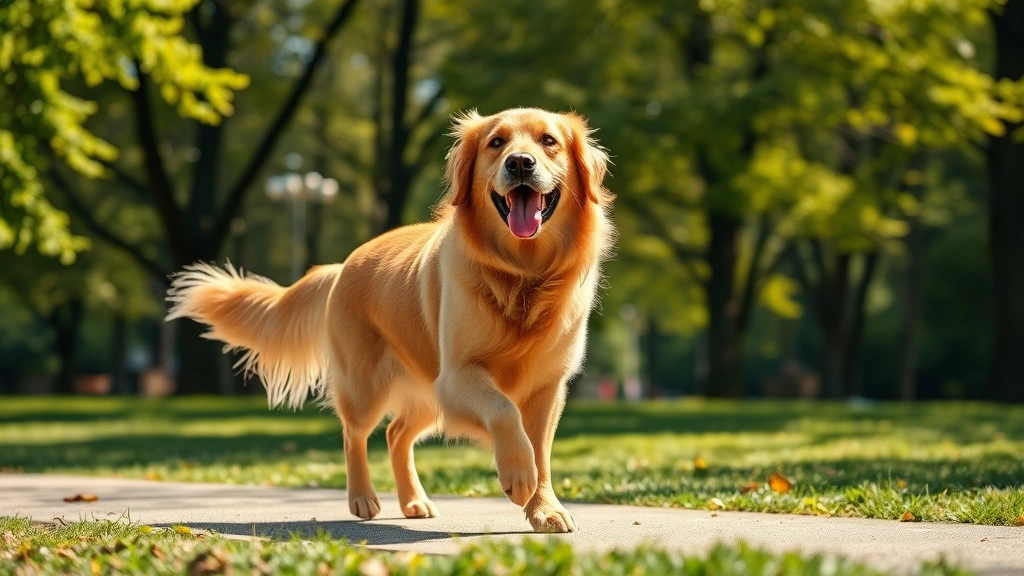
Here’s something many dog owners don’t realize: exercise stimulates the bowel. Taking your dog for a walk right after eating can actually speed up their digestive process. That’s why many dogs poop during or shortly after their post-meal walk—it’s not coincidence, it’s biology.
A good rule of thumb: wait 30-60 minutes after eating before vigorous exercise to avoid bloat (especially in deep-chested breeds), but a gentle walk? That’s actually beneficial and can help regulate bowel movements.
Medical Conditions That Affect Poop Timing
If your dog’s poop schedule is suddenly all over the place, something might be off. Conditions like dog digestive issues can dramatically alter timing:
- Inflammatory bowel disease (IBD): Causes frequent, urgent pooping
- Pancreatitis: Slows digestion and causes constipation
- Parasites: Speed up transit time and cause diarrhea
- Food allergies: Can cause loose stools or constipation
- Diabetes: Affects metabolism and poop frequency
If your dog’s normal 4-8 hour window suddenly becomes 12+ hours or drops to 1-2 hours, contact your vet. Changes in poop timing can indicate underlying health issues that need attention.
The Role of Hydration in Digestive Health
Water intake is absolutely crucial for healthy digestion. A dehydrated dog’s stool will be harder and take longer to form, potentially leading to constipation. Make sure your pup always has access to fresh water, especially if they eat dry kibble.
Dogs should drink roughly one ounce of water per pound of body weight daily. If your 50-pound dog isn’t drinking enough, their digestive system suffers, and that 4-8 hour timeline gets stretched out.
Troubleshooting: When Your Dog’s Poop Schedule Goes Wrong
Constipation is when your dog hasn’t pooped in 48+ hours. Diarrhea is the opposite—too frequent, loose stools. Both are problems. If your dog is constipated, increase fiber (yes, canned pumpkin for dogs is your friend), water intake, and exercise. If they have diarrhea, check for dietary changes, parasites, or food sensitivities.
For serious digestive emergencies, emergency food poisoning telehealth services can provide immediate guidance. If your dog ate something toxic or is showing severe symptoms like vomiting, lethargy, or bloody stools, don’t wait—get professional help.
Feeding Strategies to Optimize Digestive Health
Want to keep your dog’s digestive system running like clockwork? Here’s what works:
- Feed at consistent times daily
- Use high-quality dog food with named meat proteins
- Avoid sudden diet changes (transition over 7-10 days)
- Include healthy pet treats that support digestion
- Monitor portion sizes (obesity slows digestion)
- Ensure adequate hydration
- Consider human foods for weight management in pets if needed
Age-Specific Poop Patterns: From Puppies to Seniors
Puppies (8 weeks – 6 months): Poop 3-5 times daily, usually within 15-30 minutes of eating or drinking. Their systems are immature and everything moves fast.
Adult dogs (1-7 years): Typically poop 1-2 times daily, 4-8 hours after eating. This is the sweet spot for digestive efficiency.
Senior dogs (7+ years): Might poop less frequently (once daily) as metabolism slows. Can take 8-12 hours for food to move through their system.
When to Call the Vet About Poop Timing
Contact your veterinarian if you notice:
- No bowel movement for 48+ hours
- Straining or pain during defecation
- Blood or mucus in stool
- Sudden changes in poop frequency or consistency
- Vomiting alongside digestive changes
- Weight loss or loss of appetite
- Excessive gas or bloating
According to PetMD’s digestive health guide, many digestive issues are easily treatable when caught early, so don’t ignore sudden changes in your dog’s bathroom habits.
Frequently Asked Questions
Is 12 hours after eating too long for a dog to poop?
Generally, yes. If your dog regularly takes 12+ hours to poop after eating, it might indicate constipation or a digestive issue. However, some senior dogs or dogs with slower metabolisms might naturally take this long. Monitor for straining or hard stools, and contact your vet if it becomes a pattern.
Why does my dog poop immediately after eating?
This is called the gastrocolic reflex—a natural response where eating stimulates the colon to contract and eliminate waste. It’s completely normal, especially in puppies or dogs with faster metabolisms. If it happens every single time, your dog might be eating too much at once or have a food sensitivity.
Can I predict exactly when my dog will poop?
Not exactly, but you can get pretty close. Most dogs poop 4-8 hours after eating, so if you feed at 7 AM, expect a bathroom break between 11 AM and 3 PM. Individual variation means it won’t be perfect, but consistent feeding times lead to predictable poop times.
Does kibble vs. wet food affect poop timing?
Yes! Wet food often moves through the system faster because it’s already partially broken down and has higher water content. Kibble takes slightly longer. High-quality kibble designed for digestibility might move through faster than cheap brands with lots of fillers.
Why is my dog pooping more frequently than usual?
Increased poop frequency can indicate stress, dietary changes, food sensitivities, parasites, or medical conditions. If it lasts more than a day or two, contact your vet. Keep track of timing and consistency to help your vet diagnose the issue.
Should I exercise my dog right after eating?
Wait 30-60 minutes, especially for large breeds prone to bloat. After that wait period, gentle exercise (like a walk) can actually help stimulate bowel movements. Vigorous play or running should wait at least 1-2 hours after eating.
Summary: Keeping Your Dog’s Digestive System on Track
So, how long after a dog eats do they poop? The answer is typically 4-8 hours, but it depends on age, diet, activity level, and individual metabolism. Most healthy adult dogs will poop 1-2 times daily on a predictable schedule if you feed them at consistent times with quality food.
The key to digestive health is consistency: same feeding times, quality nutrition, plenty of water, and regular exercise. Pay attention to your dog’s normal patterns so you can spot changes that might indicate health issues. And remember, every dog is unique—what’s normal for your neighbor’s golden retriever might be totally different for yours.
If your dog’s poop schedule suddenly changes or you notice any concerning symptoms, don’t wait around. A quick vet visit can rule out serious issues and get your pup back to their regular bathroom routine. Your dog (and your carpet) will thank you.





