

How Long Are Hot Dogs Good for After Opening? The Complete Guide
Picture this: you’ve just cracked open a fresh package of hot dogs for your backyard barbecue, but life happens, and suddenly you’re wondering if those remaining franks are still safe to eat three days later. Whether you’re a hot dog enthusiast or simply trying to minimize food waste, understanding the shelf life of opened hot dogs is crucial for both food safety and your wallet. Hot dogs are a beloved American staple, but they’re also processed meats with specific storage requirements that can trip up even the most seasoned home cooks.
The truth is, knowing how long hot dogs are good for after opening isn’t just about avoiding that questionable smell test. It’s about understanding food safety principles, recognizing the signs of spoilage, and making smart decisions in your kitchen. In this comprehensive guide, we’ll walk you through everything you need to know about storing opened hot dogs, from refrigeration techniques to freezing methods, plus some interesting insights about hot dogs and our furry friends.
If you’re curious about whether your pup can enjoy a hot dog treat, you’ll want to check out our article on can dogs eat hot dogs, which covers the nutritional considerations for your four-legged companion.
Understanding Hot Dog Shelf Life Basics
Hot dogs are processed meat products, which means they’ve already undergone curing and smoking processes to extend their shelf life beyond fresh meat. However, once you open that package, the protective environment is compromised, and the clock starts ticking. The USDA provides clear guidelines: opened hot dogs should be consumed within 3 to 4 days when stored properly in the refrigerator at 40°F or below.
The key to understanding hot dog longevity lies in recognizing what makes them shelf-stable in the first place. Most hot dogs contain nitrates and nitrites—preservatives that inhibit bacterial growth and give hot dogs their characteristic pink color. Despite these preservatives, once the package is opened and the product is exposed to air and moisture, these protective qualities begin to diminish. The window of safety is relatively short compared to other processed meats, so timing is everything.
Before diving deeper into storage methods, you should also understand whether you can eat raw hot dogs, which relates directly to understanding their safety profile and the risks of consuming undercooked or questionable franks.
The Refrigeration Timeline: Days by Days
Let’s break down exactly what happens to your opened hot dogs on a day-by-day basis when stored in the refrigerator:
Day 1-2: Your opened hot dogs are at their prime. They’re fresh, the flavors are optimal, and they’re completely safe to consume. This is the ideal window for eating them straight from the package or cooking them up for meals.
Day 3: Still safe to eat, but you’re entering the later portion of the recommended window. The hot dogs should still look normal and smell acceptable. This is your last comfortable day to use them without hesitation.
Day 4: This is the cutoff point according to USDA guidelines. While some hot dogs might still be safe on day 4, the risk factors increase significantly. If you haven’t used them by now, it’s time to make a decision: cook them thoroughly or discard them.
Day 5+: Beyond the fourth day, the risk of bacterial contamination becomes too high. Listeria, Salmonella, and other pathogens can multiply rapidly, and the hot dogs may not show obvious signs of spoilage while still being unsafe to eat.

Understanding how long hot dogs last in the fridge helps you plan your meals more effectively and ensures you’re following proper food safety protocols. The timeline becomes even more critical if your refrigerator temperature fluctuates or if the hot dogs are exposed to warmer conditions during storage.
Best Storage Methods for Opened Hot Dogs
The way you store your opened hot dogs dramatically impacts their longevity and safety. Here are the most effective methods:
Refrigerator Storage
The most common storage method is keeping hot dogs in the refrigerator. Once opened, transfer the remaining hot dogs to an airtight container or resealable plastic bag. This prevents them from drying out and minimizes exposure to air and other foods. Place the container on a shelf rather than in the door, where temperature fluctuations are more common. Your refrigerator should maintain a consistent temperature of 40°F or below.
Pro tip: If your hot dogs came in a package that’s already open, don’t store them in the original packaging. Transfer them to a clean, airtight container to maximize freshness and prevent cross-contamination with other foods.
Vacuum Sealing
For those serious about food preservation, vacuum sealing opened hot dogs can extend their refrigerator life slightly—potentially to 5 days. This method removes air from the storage container, significantly slowing bacterial growth. While this won’t extend shelf life indefinitely, it’s an excellent option if you want to stretch those hot dogs a bit further.
Brine Solution Storage
Some enthusiasts use a brine solution (salt water) to store opened hot dogs. By submerging them in a saltwater solution in the refrigerator, you create a less hospitable environment for bacteria. However, this method is less common and requires careful preparation to avoid over-salting the hot dogs.
How to Spot Spoiled Hot Dogs
Even with proper storage, it’s essential to recognize when hot dogs have gone bad. Never rely solely on the calendar—use your senses as your first line of defense:
- Appearance: Fresh hot dogs should have a consistent pink or reddish color. If they’ve turned gray, brown, or show any discoloration, they’ve likely spoiled.
- Odor: This is perhaps the most reliable indicator. Fresh hot dogs have a mild, pleasant meat smell. Any sour, rancid, or off-putting odor means they should go directly to the trash.
- Texture: Spoiled hot dogs may feel slimy or have a sticky coating. The surface should be relatively smooth and dry.
- Mold or Growth: Any visible mold, fuzzy growth, or unusual spots indicate immediate disposal.
- Packaging Condition: If the container is swollen, leaking, or shows signs of bacterial gas production, discard the contents.
When in doubt, throw it out. The cost of replacing a few questionable hot dogs is far less than the expense and discomfort of foodborne illness. This is especially important if you’re considering sharing hot dogs with family members or, as many wonder about, whether dogs can eat processed meats like hot dogs safely.
Freezing Hot Dogs: Your Long-Term Solution
If you know you won’t use opened hot dogs within 3-4 days, freezing is your best friend. Properly frozen hot dogs can last 1-2 months in the freezer, though quality gradually declines over time.
How to Freeze Opened Hot Dogs
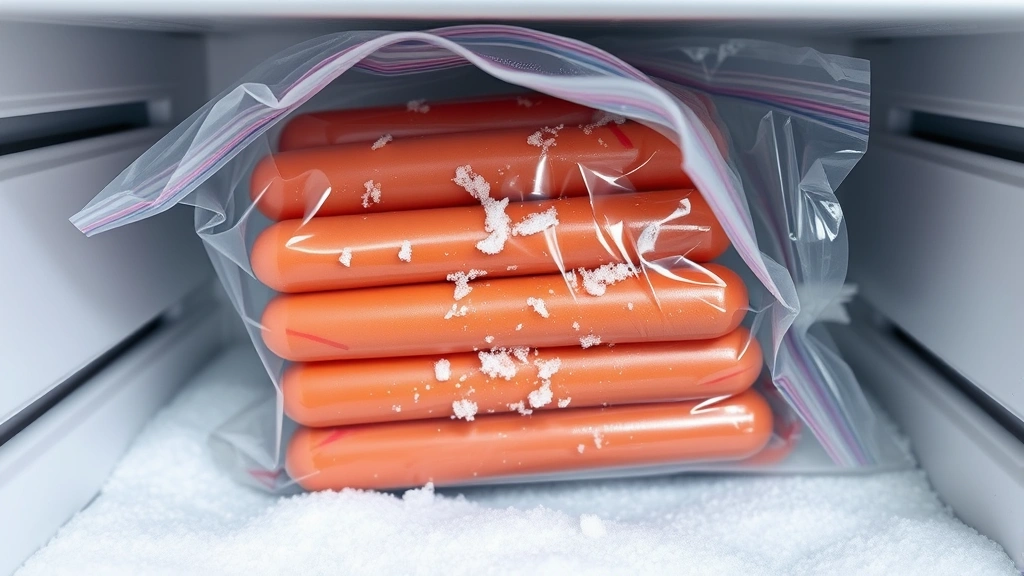
Transfer the remaining hot dogs from their original package to a freezer-safe container or heavy-duty freezer bag. Remove as much air as possible to prevent freezer burn. Label the container with the date you opened the original package. This helps you keep track of how long they’ve been stored.
Thawing Frozen Hot Dogs
Never thaw hot dogs at room temperature, as this allows bacteria to multiply rapidly. Instead, thaw them in the refrigerator overnight. This slow thawing process keeps them at a safe temperature throughout the process. Once thawed, follow the same 3-4 day rule as freshly opened hot dogs.
Cooking from Frozen
You can also cook hot dogs directly from frozen, which is convenient for quick meals. They’ll take slightly longer to cook, but this method eliminates the thawing step entirely, making it one of the safest preparation methods.
If you’re looking for creative ways to prepare your hot dogs, our guide on how to cook hot dogs in a crock pot offers convenient slow-cooker methods that work beautifully with both fresh and thawed frozen hot dogs.
Food Safety Tips and Best Practices
Beyond knowing the basic timeline, here are essential food safety practices to follow:
- Temperature Control: Keep your refrigerator at 40°F or below and your freezer at 0°F or below. Use a refrigerator thermometer to verify these temperatures regularly.
- Cross-Contamination Prevention: Store opened hot dogs away from ready-to-eat foods and raw vegetables. Keep them on a dedicated shelf to prevent drips.
- Proper Handling: Always use clean utensils when removing hot dogs from their container. Avoid touching the food with bare hands when possible.
- Cook Thoroughly: When cooking hot dogs, heat them until steaming throughout. This kills any pathogens that may have developed during storage.
- Double-Check Dates: Write the date you opened the package directly on the container. This prevents confusion and ensures you’re tracking the correct timeline.
- Trust Your Instincts: If something seems off—whether it’s the smell, appearance, or just a gut feeling—don’t eat it.
For additional authoritative guidance on food safety, the USDA Food Safety and Inspection Service provides comprehensive resources on meat storage and handling.
Additionally, the FoodSafety.gov website offers interactive tools and detailed information about proper food storage practices for all types of meat products.
The CDC’s Food Safety section provides evidence-based information about foodborne illness prevention and safe food handling techniques.
If you’re interested in learning more about processed meats and their nutritional content, the American Heart Association offers guidance on processed meat consumption and health considerations.
For pet owners, the ASPCA provides valuable information about foods that are safe or unsafe for dogs, including processed meats.
Frequently Asked Questions
Can I eat hot dogs that have been open for a week?
No, it’s not recommended. Hot dogs should be consumed within 3-4 days of opening. After a week, the risk of bacterial contamination is too high, even if they appear and smell normal. When in doubt, discard them.
What if my hot dogs smell fine on day 5?
Smell alone isn’t always a reliable indicator of food safety. Some pathogens like Listeria don’t produce noticeable odors but can still cause serious illness. Stick to the 3-4 day guideline regardless of how they smell.
Do unopened hot dogs last longer than opened ones?
Yes, significantly longer. Unopened hot dogs can typically last 2 weeks in the refrigerator or up to 2 months in the freezer. The protective packaging and lack of air exposure extend their shelf life considerably.
Is it safe to refreeze thawed hot dogs?
It’s generally safe to refreeze thawed hot dogs if they were thawed in the refrigerator and haven’t been left at room temperature for more than 2 hours. However, each freeze-thaw cycle degrades quality, so it’s best to minimize refreezing.
Can I cook hot dogs if I’m unsure about their safety?
While cooking kills most bacteria, it won’t eliminate all toxins produced by bacterial growth. If you have serious doubts about the safety of opened hot dogs, it’s better to err on the side of caution and discard them rather than risk foodborne illness.
How do I know if my refrigerator is cold enough?
Use an appliance thermometer to check your refrigerator temperature. It should read 40°F or below. If it’s warmer than this, adjust your settings and allow time for the temperature to stabilize before storing opened hot dogs.
What’s the best container for storing opened hot dogs?
Airtight containers or heavy-duty resealable plastic bags work best. These minimize air exposure and prevent the hot dogs from absorbing odors from other foods in your refrigerator. Glass containers with airtight lids are excellent choices.
Can I store hot dogs in their original package after opening?
While you can technically leave them in the original package, transferring to an airtight container is preferable. Original packaging often isn’t completely sealed once opened, and transfer to a dedicated container helps prevent cross-contamination.





