
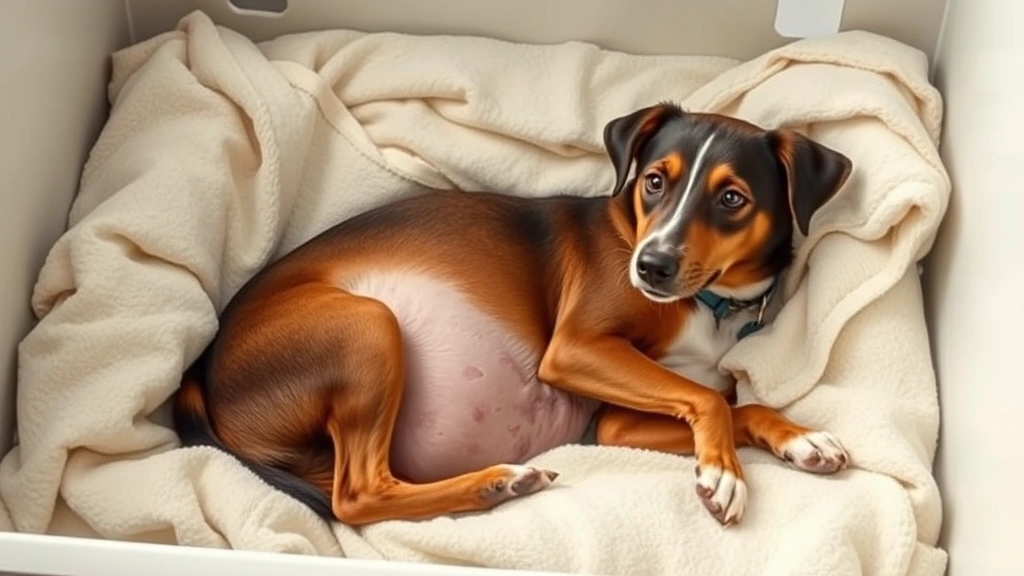
So your sweet pup is about to become a mama dog, and you’re wondering how long can a dog be in labor—because let’s be honest, watching your furry friend go through contractions is stressful enough without the uncertainty. Labor in dogs typically lasts between 3 to 12 hours, though the entire process from the start of labor to delivering all puppies can stretch up to 24 hours in some cases. But here’s the thing: not all labors follow the textbook timeline, and knowing the difference between normal labor and a doggy emergency could literally save lives.
Table of Contents
- Understanding Canine Labor: The Three Stages Explained
- Stage One: The Waiting Game (6-12 Hours)
- Stage Two: Active Labor and Delivery (3-12 Hours)
- Red Flags: When Labor Becomes an Emergency
- Breed Differences in Labor Duration
- Stage Three: Passing the Placenta (15-30 Minutes Per Puppy)
- Preparing for Labor: What You Actually Need
- When to Call Your Vet (Before It’s an Emergency)
- Monitoring Mama and Babies After Labor
- The Emotional Rollercoaster of Dog Labor
- Frequently Asked Questions
- Summary: Knowing Normal vs. Emergency
Understanding Canine Labor: The Three Stages Explained
Before we dive into timing, let’s talk about what’s actually happening inside your dog’s body. Canine labor isn’t just one continuous event—it’s broken into three distinct stages, each with its own timeline and characteristics. Understanding these stages is crucial because they help you figure out whether your pup is progressing normally or needs immediate veterinary attention.
The first stage of labor involves cervical dilation and uterine contractions. This stage can last anywhere from 6 to 12 hours, and honestly, it’s the sneakiest one because the contractions are internal. Your dog might seem restless, pant heavily, refuse food, or dig at her bedding. She might also have a mucus discharge that looks like a clear or slightly bloody plug. During this stage, nothing visible is happening yet, but her body is working hard to prepare for delivery.
Stage One: The Waiting Game (6-12 Hours)
During the first stage, your dog might act like she’s nesting—and she basically is. She’ll probably seek out a quiet, dark space and arrange blankets or towels obsessively. Some dogs get clingy and want to be near their owners constantly, while others prefer solitude. Both behaviors are totally normal. The key thing to watch for is that she’s not in obvious distress or having green discharge (which would indicate a placental problem).
If your dog seems comfortable and is just doing her nesting thing, there’s usually no need to panic. However, if she’s panting excessively, vomiting, or seems in pain without progressing to active labor within 12 hours, that’s when you should contact your vet. This is a perfect time to use telehealth vet appointments to get professional guidance without leaving your laboring dog.
Stage Two: Active Labor and Delivery (3-12 Hours)
This is where the actual puppies start making their grand entrance. During stage two, your dog will have visible, forceful contractions and should start delivering puppies. The interval between puppies can vary wildly—some pop out every 15 minutes, while others take an hour or more between arrivals. This stage typically lasts 3 to 12 hours total, depending on litter size and your dog’s breed.
Here’s what normal stage two labor looks like: your dog will strain, pant heavily, and eventually deliver a puppy in an amniotic sac. She’ll typically lick the sac away and start cleaning her newborn. If she doesn’t break the sac within a few minutes, you can gently help by wiping it away with a clean towel. She’ll probably eat the placenta (the afterbirth), which is gross but totally natural and provides her with nutrients and hormones that help with milk production.
The normal interval between puppies is 15 minutes to 2 hours. If your dog has been actively straining for more than 2 hours without delivering a puppy, or if she delivers a puppy and then stops contracting for more than 4 hours while you know there are more puppies inside, you’ve got a problem that needs veterinary intervention.
Red Flags: When Labor Becomes an Emergency
Let’s get real about the scary stuff, because knowing when to panic could save your dog’s life. Dystocia (difficult labor) affects about 5-10% of dogs, and some breeds are at higher risk than others. Bulldogs, Chihuahuas, and other brachycephalic or toy breeds are particularly prone to labor complications.
Warning signs that your dog needs emergency veterinary care include: green or black vaginal discharge before any puppies are delivered, excessive bleeding (more than a few drops), straining hard for more than 30 minutes without delivering a puppy, lethargy or collapse, vomiting, fever, or a puppy that’s stuck partially out of the birth canal. If you notice any of these, don’t wait—get to an emergency vet immediately. This is a situation where emergency vet services aren’t just helpful, they’re essential.
Breed Differences in Labor Duration
Here’s something many people don’t realize: labor duration can vary significantly based on your dog’s breed. Larger breeds with bigger litters tend to have longer labors simply because they have more puppies to deliver. A Great Dane with 8 puppies might be in active labor for 10-12 hours, while a Chihuahua with 2 puppies might finish in 3-4 hours.
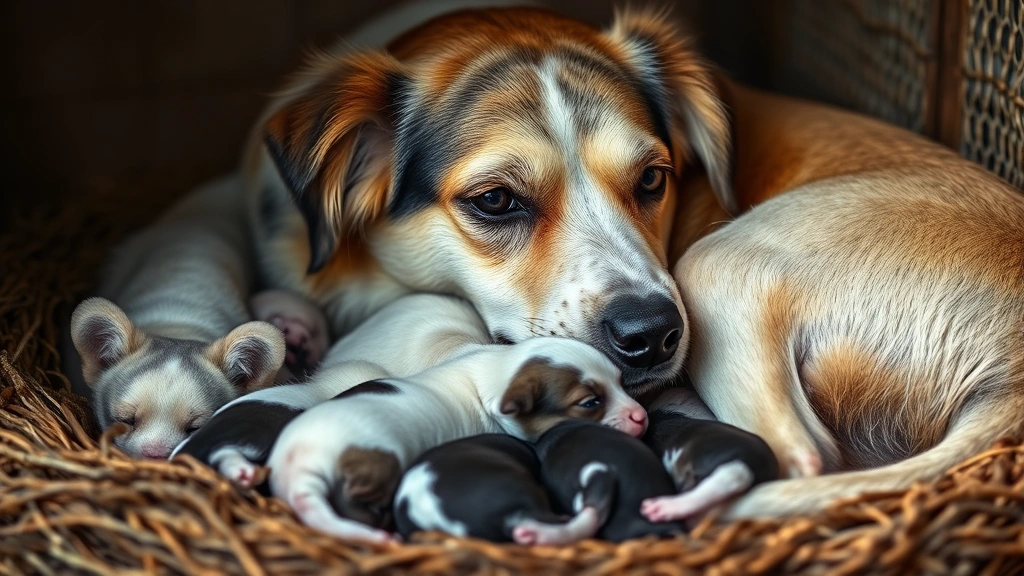
Brachycephalic breeds (flat-faced dogs like Bulldogs and Pugs) have a higher risk of complications and often require cesarean sections. If you have one of these breeds, you should discuss labor expectations and backup plans with your vet well before the due date. Some vets recommend scheduled c-sections for these breeds because natural labor is so risky.
Stage Three: Passing the Placenta (15-30 Minutes Per Puppy)
After each puppy is born, there’s technically a third stage of labor where the placenta is delivered. This usually happens within 15-30 minutes after each puppy, though sometimes multiple placentas come out together. Your dog might have contractions during this stage, and she’ll likely eat the placentas (which is fine—she won’t get sick from it). Count the placentas if you can, because retained placentas can cause infection and complications.
The entire process from the start of stage one through delivery of all puppies and placentas can take up to 24 hours, though most dogs finish within 12 hours of active labor starting. If your dog has delivered all her puppies but seems uncomfortable or is having ongoing contractions and discharge hours later, call your vet to check for retained placentas.
Preparing for Labor: What You Actually Need
Before labor starts, set up a comfortable whelping box in a quiet, temperature-controlled space. The box should be lined with clean, washable towels or puppy pads. Have clean towels on hand for drying puppies, a heating pad set on low (puppies can’t regulate their own temperature), and a scale if you want to monitor puppy weights. Keep your vet’s number and your nearest emergency vet’s number readily available.
Also, have some supplies ready for postpartum care. Your dog will need easy access to food and water, and she’ll appreciate convalescence foods from the kitchen that are nutritious and easy to digest. New mama dogs need about 25-50% more calories than usual, especially if she’s nursing.
When to Call Your Vet (Before It’s an Emergency)
You don’t need to call your vet every time your dog nests, but there are definitely situations where a quick call or virtual vet consultation for diet questions can give you peace of mind. Call if your dog has been in first-stage labor (restless, nesting, no puppies) for more than 12 hours, if the interval between puppies exceeds 4 hours, or if you’re just unsure whether what you’re seeing is normal.
Your vet might recommend an ultrasound or X-ray to check for puppy positioning or to confirm how many puppies are expected. This information is gold because it tells you when labor is actually complete. There’s nothing worse than wondering if there’s still a puppy inside.
Monitoring Mama and Babies After Labor
Once all the puppies are delivered, your dog will be exhausted and hungry. Let her rest, but monitor her closely for the first 24-48 hours. She should be nursing her puppies regularly, eating and drinking normally, and producing normal-colored discharge that gradually decreases. Her temperature should return to normal (around 101-102.5°F for dogs).
Watch for signs of postpartum complications like fever, excessive bleeding, foul-smelling discharge, reluctance to nurse, or signs of pain. Mastitis (infected mammary glands) and uterine infection (metritis) are possible after labor and require antibiotic treatment. If something seems off, don’t hesitate to call your vet. Remember, pet nutrition advice from a professional can also help ensure mama is getting everything she needs to recover and produce quality milk.
The Emotional Rollercoaster of Dog Labor
Let’s acknowledge that watching your dog give birth is an emotional experience. You might feel anxious, amazed, grossed out, and overjoyed all at the same time. It’s completely normal to worry constantly about whether things are progressing normally. Having a plan in place—knowing your vet’s protocol, having an emergency vet identified, and understanding what normal looks like—can significantly reduce anxiety.

Some owners find it helpful to keep notes during labor: what time contractions started, when each puppy was born, any unusual discharge or behavior. This information is incredibly valuable if you need to call your vet because it gives them a clear picture of what’s happening.
Frequently Asked Questions
How long is too long for a dog to be in labor?
If your dog has been actively straining for more than 2 hours without delivering a puppy, or if there’s a gap of more than 4 hours between puppies while you know there are more inside, it’s time to call your vet. First-stage labor (before any puppies arrive) shouldn’t exceed 12 hours.
Can a dog go into labor and stop?
Yes, this is called uterine inertia, and it can be primary (labor never really gets going) or secondary (labor starts strong then stops). This requires veterinary intervention because the puppies inside won’t deliver on their own. Your vet might administer oxytocin to restart contractions or recommend a cesarean section.
How many puppies can a dog have?
This varies wildly by breed. Small breeds might have 1-4 puppies, while large breeds can have 8-12 or even more. The average is around 5-6 puppies. Your vet can estimate litter size with an X-ray in the final weeks of pregnancy.
Is it normal for a dog to rest between puppies?
Absolutely! A rest period of 15 minutes to 2 hours between puppies is completely normal. Your dog might sleep, eat, or just chill out. As long as she’s not straining hard without delivering, rest periods are fine.
What if my dog won’t push during labor?
If your dog seems uncomfortable but isn’t actively straining, she might be experiencing pain or anxiety. Some dogs benefit from a calm environment and reduced stimulation. However, if she’s not progressing after a reasonable time, contact your vet. She might need oxytocin or a cesarean section.
Can I help my dog during labor?
Your main job is to stay calm, keep the environment quiet and comfortable, and monitor for problems. You can gently help remove amniotic sacs if mama isn’t doing it, dry puppies with clean towels, and ensure newborns are nursing. Beyond that, let nature do its thing unless you notice complications.
Summary: Knowing Normal vs. Emergency
To recap: how long can a dog be in labor depends on several factors, but generally expect 3-12 hours of active labor with puppies being delivered, plus up to 12 hours of first-stage labor before that even starts. The entire process can take up to 24 hours. Normal labor includes restlessness, nesting, visible contractions, and puppies arriving at intervals of 15 minutes to 2 hours. Abnormal labor includes excessive straining without delivery, green discharge before any puppies arrive, lethargy, or gaps longer than 4 hours between puppies.
The most important thing you can do is know your dog’s expected due date, have a plan in place, and trust your instincts. If something feels wrong, it probably is. Your vet would rather hear from you with a false alarm than miss a genuine emergency. Puppies are adorable, but mama dog’s health and safety come first.





