
So, how long can a dog go without water? The short answer: most dogs can survive about 72 hours (3 days) without water, but they’ll start showing signs of dehydration within 24 hours. But here’s the thing—just because they *can* doesn’t mean they *should*. Let’s dig into what every responsible dog owner needs to know about canine hydration, because frankly, your pup’s life might depend on it.
Table of Contents
- The Science Behind Dog Dehydration: Why Water Matters So Much
- The 72-Hour Rule: What Actually Happens Day by Day
- Factors That Affect How Long Dogs Can Survive Without Water
- Recognizing Dehydration: Signs Your Dog Needs Water NOW
- Heat, Exercise, and Accelerated Dehydration: The Perfect Storm
- Special Considerations: Puppies, Seniors, and Dogs with Health Issues
- Prevention: Making Sure Your Dog Never Faces Dehydration
- What Research Says: Veterinary Perspective on Canine Hydration
- Emergency Response: What to Do If Your Dog Is Severely Dehydrated
- The Bottom Line: Water Is Non-Negotiable
- Frequently Asked Questions
The Science Behind Dog Dehydration: Why Water Matters So Much
Dogs are roughly 60-70% water, just like humans. Water isn’t some luxury item for your furry friend—it’s absolutely critical for every single bodily function. It regulates body temperature, cushions joints, aids digestion, and helps transport nutrients throughout their system. When a dog goes without water for extended periods, their entire body starts to shut down.
The kidneys are particularly vulnerable. Without adequate hydration, kidney function deteriorates rapidly, which can lead to organ failure. This is why dehydration in dogs isn’t just uncomfortable—it’s genuinely dangerous. Even mild dehydration can cause lethargy, loss of appetite, and decreased cognitive function.
The 72-Hour Rule: What Actually Happens Day by Day
Let’s break down what happens when your dog doesn’t get water:
Hours 0-12: Your dog will likely start acting thirsty and restless. They might pace around, whine, or search for water sources. Some dogs will show behavioral changes—they’ll become less playful and more withdrawn.
Hours 12-24: This is when dehydration symptoms become noticeable. You’ll see dry gums and tongue, sunken eyes, and reduced skin elasticity. If you gently pull the skin on their neck, it won’t snap back into place like it normally would. Your dog will be visibly uncomfortable and may refuse food entirely.
Hours 24-48: Serious complications emerge. Your dog’s heart rate increases as their cardiovascular system struggles to function with less fluid. Organ damage begins. Your pup will be extremely lethargic, possibly unresponsive, and at serious risk of organ failure.
Hours 48-72: This is critical territory. Organ failure is likely, and survival becomes increasingly unlikely without immediate veterinary intervention.
That 72-hour window? It’s not a guarantee. It’s more like the absolute outer limit for a healthy adult dog in ideal conditions. Puppies, senior dogs, and dogs with existing health conditions can deteriorate much faster.
Factors That Affect How Long Dogs Can Survive Without Water
Not all dogs are created equal when it comes to water deprivation. Several factors dramatically influence survival time:
Age: Puppies and senior dogs are incredibly vulnerable. Puppies have higher metabolic rates and less body mass to work with. Senior dogs often have compromised kidney function already. Both groups can show critical dehydration signs within hours, not days.
Size: Smaller dogs dehydrate faster than larger dogs simply due to body mass ratios. A Chihuahua will be in serious trouble much sooner than a Golden Retriever.
Activity Level: A dog running around in the heat loses water through panting and sweating (through paw pads). A resting dog in a cool environment will last longer. This is why heat-related dehydration is so dangerous—it accelerates the process dramatically.
Existing Health Conditions: Dogs with kidney disease, diabetes, or gastrointestinal issues are at much higher risk. If your dog has any chronic conditions, they simply cannot go as long without water.
Diet: Dogs eating dry kibble need more water than those eating wet food or raw diets. The moisture content in their food matters.

Environmental Conditions: Heat, humidity, and air circulation all play roles. A dog in a hot car will dehydrate exponentially faster than one in an air-conditioned home.
Recognizing Dehydration: Signs Your Dog Needs Water NOW
Don’t wait for your dog to hit the 72-hour mark. Learn these warning signs and act immediately:
Dry Mouth and Gums: Gums should be wet and slippery. If they’re tacky or dry, your dog is already dehydrated.
Sunken Eyes: Dehydrated dogs develop noticeably sunken eye sockets. It’s one of the most reliable visual indicators.
Loss of Skin Elasticity: The skin turgor test is gold standard. Gently pull the skin on your dog’s neck or shoulder. In a hydrated dog, it snaps back immediately. In a dehydrated dog, it returns slowly or stays tented.
Lethargy: If your normally energetic pup is lying around unresponsive, dehydration might be the culprit.
Panting Excessively: Unusual panting, especially when the dog isn’t hot or exercising, signals dehydration.

Reduced Urination: Less frequent bathroom breaks or darker urine indicates inadequate hydration.
Loss of Appetite: Dehydrated dogs often refuse food.
If you see any combination of these signs, contact your vet immediately. This isn’t a “wait and see” situation. A virtual pet checkup can help you assess the situation quickly, or head straight to an emergency vet if symptoms are severe.
Heat, Exercise, and Accelerated Dehydration: The Perfect Storm
Here’s where things get really serious. A dog exercising hard on a hot day can dehydrate in just a few hours—not days. When dogs overheat, their bodies can’t cool down efficiently through panting alone, and dehydration accelerates exponentially.
This is why leaving a dog in a parked car is absolutely inexcusable. The temperature inside a car can reach dangerous levels in minutes, and your dog has zero access to water. Even with windows cracked, a dog can suffer heat stroke and organ damage within an hour.
During summer months or after intense exercise, your dog needs constant access to fresh water. Period. No exceptions. This is non-negotiable for responsible pet ownership.
Special Considerations: Puppies, Seniors, and Dogs with Health Issues
Puppies are little water-loss machines. They have higher metabolic rates, smaller body mass, and less developed kidney function. A puppy can show serious dehydration signs within 6-12 hours of water deprivation. Never leave puppies without water access, even for short periods.

Senior dogs face similar challenges. Aging kidneys are less efficient at conserving water, and older dogs may have reduced thirst drives. They might not realize they’re thirsty or might be too weak to access water. Senior dog owners should provide multiple water bowls throughout the home and consider elevated bowls to reduce strain on arthritic necks.
Dogs with pre-existing conditions are extra vulnerable. Diabetes increases urination and fluid loss. Kidney disease already compromises the kidneys’ ability to conserve water. Gastrointestinal issues cause fluid loss through vomiting or diarrhea. If your dog has any chronic condition, talk to your vet about hydration strategies.
Prevention: Making Sure Your Dog Never Faces Dehydration
The best approach is prevention. Here’s how to keep your dog properly hydrated:
Provide Constant Access: Water should always be available. Multiple bowls throughout your home means your dog never has to search far.
Fresh Water Daily: Change water at least once daily, more frequently in hot weather. Stagnant water becomes unappetizing and can harbor bacteria.
Water During Activities: Bring water on walks, hikes, and outdoor play sessions. Portable water bowls are cheap and invaluable.
Monitor Intake: You don’t need to obsess, but notice your dog’s normal drinking habits. Sudden changes can signal health issues. If your pup suddenly drinks way more or way less, that’s worth discussing with your vet.
Consider Wet Food: Mixing some wet food into your dog’s diet increases overall water intake. This is especially helpful for dogs that don’t drink enough water on their own.
Watch the Weather: In hot months, provide extra water and limit exercise during peak heat hours. Early morning and evening walks are better than midday blazers.
For dogs with specific health concerns, telehealth vet appointments can help you develop a hydration plan tailored to your dog’s needs.
What Research Says: Veterinary Perspective on Canine Hydration
The American Veterinary Medical Association emphasizes that water is the most critical nutrient for dogs. According to the American Kennel Club, most dogs need about 1 ounce of water per pound of body weight daily. A 50-pound dog needs roughly 50 ounces (about 1.5 liters) of water per day under normal conditions.
Studies show that even mild dehydration—losing just 5% of body water—can impair physical and cognitive function. At 10-12% dehydration, organ damage becomes likely. Beyond 15%, survival becomes unlikely without emergency veterinary intervention.
The bottom line from veterinary research: never treat water deprivation casually. It’s not a test of your dog’s toughness; it’s a path to serious injury or death.
Emergency Response: What to Do If Your Dog Is Severely Dehydrated
If you suspect severe dehydration, this is a veterinary emergency. Don’t delay. Here’s what to do:
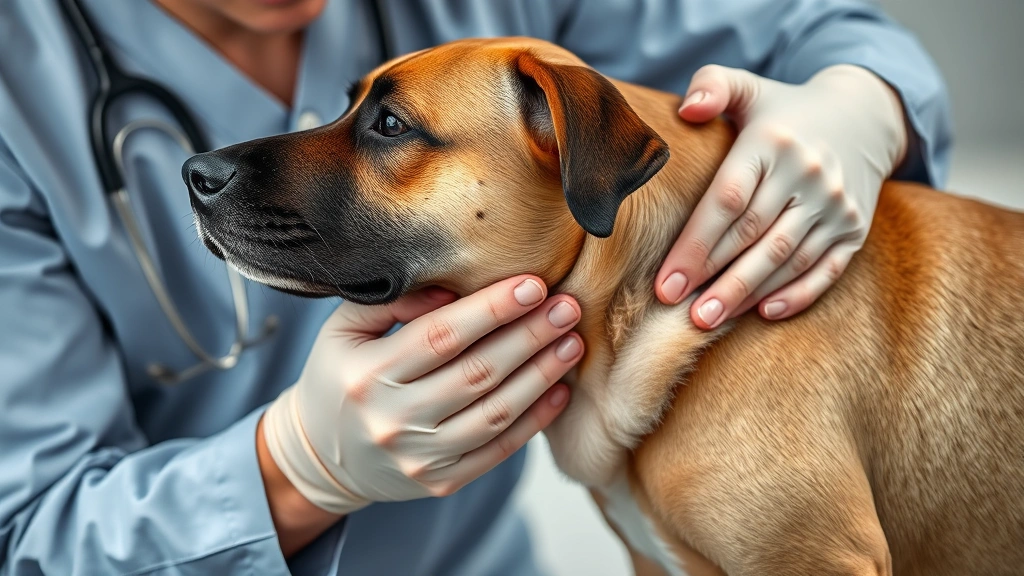
Get to a Vet Immediately: Call ahead if possible, but don’t waste time explaining. Head straight to an emergency vet clinic if your regular vet isn’t available.
Don’t Force Water: If your dog is unconscious or severely lethargic, don’t pour water down their throat. They might aspirate it. Let vets handle fluid administration.
Provide Information: Tell your vet how long your dog has been without water and what symptoms you’ve observed. This helps them assess severity and treatment options.
Be Prepared for Treatment: Severe dehydration typically requires IV fluids, blood work to assess organ function, and possibly hospitalization. It’s expensive, but it saves lives.
If you’re uncertain whether your dog needs emergency care, online pet diagnostics can provide initial guidance, but don’t let that delay an actual vet visit if symptoms are serious.
The Bottom Line: Water Is Non-Negotiable
So, how long can a dog go without water? Technically, up to 72 hours in ideal conditions. Realistically? You should never find out. Your dog should have constant access to fresh, clean water every single day of their life.
Dehydration is preventable, and it’s one of the easiest health issues to avoid. It requires nothing more than ensuring your pup has water available and monitoring their intake during hot weather or after exercise.
Your dog depends on you completely. They can’t open the fridge or turn on a tap. They can’t tell you they’re thirsty if they’re too weak or confused. Providing water isn’t a favor—it’s a fundamental responsibility of dog ownership.
Frequently Asked Questions
Can dogs drink too much water?
Yes, but it’s rare. Excessive water intake (polydipsia) can indicate underlying health issues like diabetes or kidney disease. However, healthy dogs typically self-regulate water intake well. If your dog suddenly drinks excessively, see a vet.
What about water from food?
Water from wet food, broth, or raw diets counts toward hydration, but it shouldn’t replace fresh drinking water. Dogs eating primarily dry kibble need more drinking water to compensate.
Is bottled water better for dogs than tap water?
For most dogs, tap water is perfectly fine. If your tap water is questionable, bottled water is a safe alternative. Some dogs have sensitivities to specific minerals, which your vet can address if needed.
How do I know if my dog is drinking enough?
A healthy dog should urinate regularly (typically 3-5 times daily), have wet gums and eyes, and maintain normal energy levels. If these signs change, hydration might be an issue.
Can puppies go without water longer than adult dogs?
No—the opposite is true. Puppies dehydrate much faster than adults and are more vulnerable to serious complications. Puppies need constant water access.
What about dogs with kidney disease?
Dogs with kidney disease often need more water, not less. Their kidneys struggle to conserve water, so they lose more through urination. Always follow your vet’s specific recommendations for dogs with kidney issues.





