
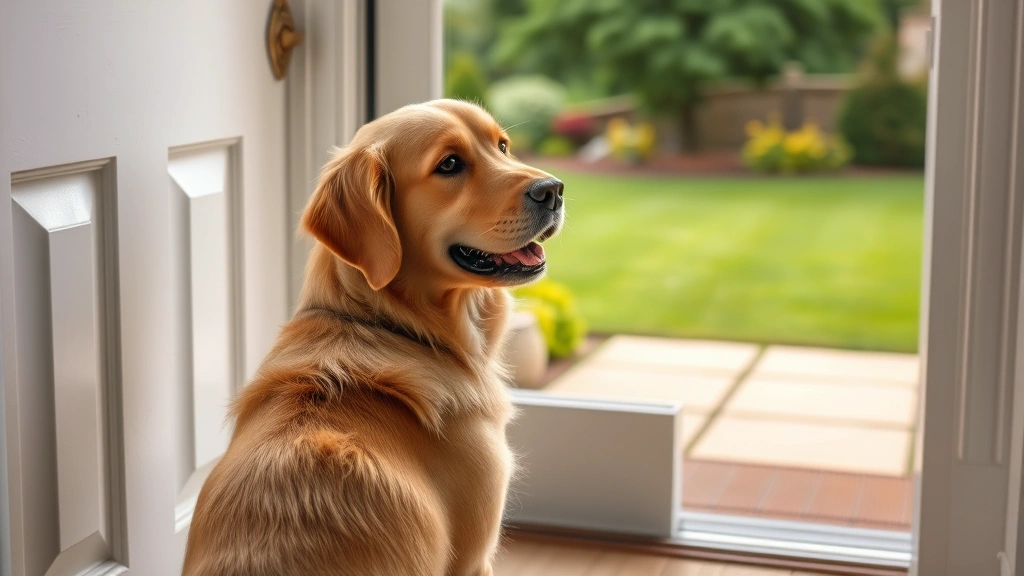
So you’re wondering how long can a dog hold his pee—and honestly, it’s one of those questions that separates the casual dog owners from the ones who actually understand their furry best friend’s biological needs. The answer isn’t a simple number, but rather a range that depends on age, health, breed, and individual factors. Let’s dive into this essential topic that affects everything from potty training to your work schedule.
Table of Contents
- The Basic Answer: How Long Can Dogs Actually Hold It?
- Age Matters: Puppies vs. Adult Dogs vs. Seniors
- Breed Size and Bladder Capacity
- Health Conditions That Affect Bladder Control
- Diet and Hydration: The Pee Production Pipeline
- Training and Behavioral Factors
- The Reality of Work Schedules and Bladder Limits
- Gender Differences in Bladder Control
- Signs Your Dog Needs More Frequent Bathroom Breaks
- Nighttime vs. Daytime Bladder Control
- Medical Monitoring and When to Worry
- Frequently Asked Questions
- Final Thoughts: Understanding Your Dog’s Unique Needs
The Basic Answer: How Long Can Dogs Actually Hold It?
Here’s the straightforward truth: adult dogs can typically hold their bladder for 6-8 hours, though some can push it to 10 hours in a pinch. Puppies? Forget about it—they’re looking at 1-2 hours maximum. Senior dogs often fall somewhere in between, typically managing 4-6 hours comfortably. But these aren’t hard rules; they’re more like guidelines in the wild world of canine urination.
The general rule of thumb that many vets recommend is one hour per month of age for puppies (up to about 8 hours for adults). So a three-month-old pup can hold it for roughly three hours. It’s not perfect science, but it’s a decent starting point for planning your potty break schedule.
Age Matters: Puppies vs. Adult Dogs vs. Seniors
Puppies are basically tiny, furry water balloons with zero bladder control. Their bladders are small, their muscles aren’t developed, and they lack the neurological maturity to hold it for extended periods. A 2-month-old puppy might need to pee every 1-2 hours, while a 4-month-old could potentially stretch to 3-4 hours.
Adult dogs (typically 1-7 years old) have the most bladder capacity and control. This is when you’ll see that 6-8 hour range become realistic for most breeds and individuals. They’ve got the muscle tone, the neurological development, and the bladder size to handle it.
Senior dogs (7+ years) often experience decreased bladder capacity and control issues. Conditions like incontinence become more common, and many seniors need bathroom breaks every 4-6 hours. It’s not laziness or stubbornness—it’s just biology catching up with them.
Breed Size and Bladder Capacity
Bigger dogs generally have bigger bladders, right? Not necessarily. While a Great Dane technically has more bladder capacity than a Chihuahua, the difference isn’t proportional to body size. What matters more is the individual dog’s metabolism and how efficiently their kidneys work.
However, small breed dogs do tend to need more frequent bathroom breaks. A toy poodle might struggle to hold it for 8 hours, while a Labrador Retriever might manage it without much fuss. This is partly due to bladder size but also to metabolic rate—smaller dogs have faster metabolisms and produce urine more frequently.
Health Conditions That Affect Bladder Control
If your dog seems unable to hold their pee for normal periods, health issues might be the culprit. Urinary tract infections (UTIs), diabetes, kidney disease, and incontinence can all dramatically reduce how long a dog can hold their bladder. Some dogs develop these issues suddenly, while others deal with them chronically.
Spaying and neutering can also affect bladder control, particularly in females. Post-spay incontinence is relatively common and usually manageable with medication or behavioral adjustments. If you notice sudden changes in your dog’s bathroom habits, it’s worth a virtual vet consultation to rule out underlying issues.
Diet and Hydration: The Pee Production Pipeline
What goes in must come out, and your dog’s diet directly impacts how much and how often they need to pee. Dogs eating high-moisture diets (like wet food or raw diets) will produce more urine than those on dry kibble. Proper pet nutrition advice can help you understand your dog’s individual needs.
Hydration levels matter too. A dog that drinks lots of water will obviously need more bathroom breaks than one with lower water intake. This is completely normal and healthy—you want your dog drinking adequate water. The key is scheduling bathroom breaks accordingly rather than restricting water, which can lead to other health problems.
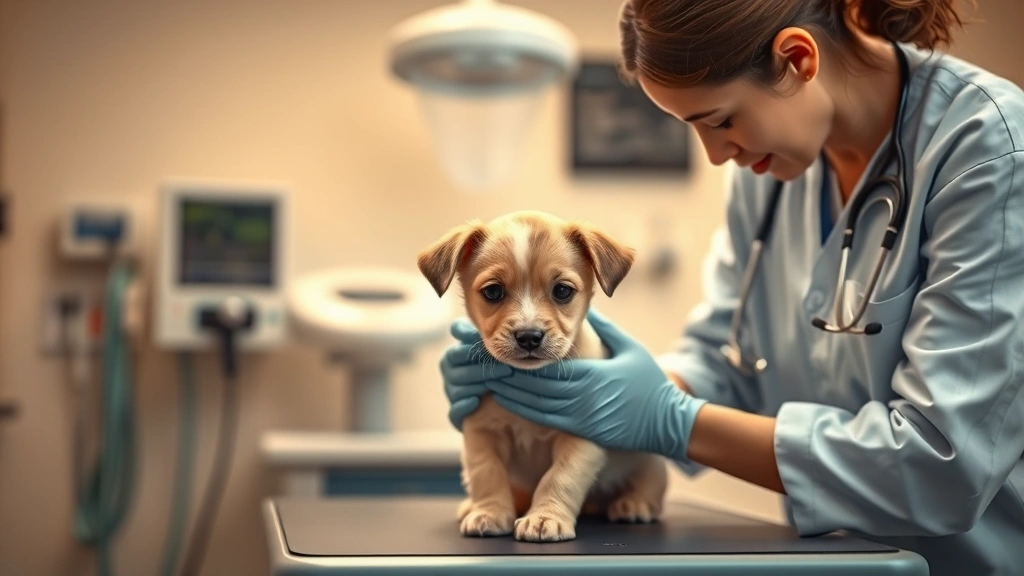
Certain ingredients and additives can also affect bladder function. Some dogs are sensitive to specific proteins or grains that irritate their urinary tract, leading to more frequent urination. If you suspect dietary issues, consulting with a vet about your dog’s specific needs is worth the effort.
Training and Behavioral Factors
Some dogs can technically hold their pee longer than they actually do, simply because they haven’t been trained to do so. A well-trained dog learns to communicate their needs and hold their bladder appropriately, while an untrained dog might just go whenever the urge strikes.
Anxiety and stress also play roles here. Nervous dogs sometimes have accidents or need frequent bathroom breaks due to anxiety-induced urination. This isn’t a physical limitation but a behavioral one. Creating a calm environment and establishing a consistent potty routine can help tremendously.
The Reality of Work Schedules and Bladder Limits
Let’s be real: if you work a 9-to-5 job and leave your adult dog home alone for 8 hours, you’re pushing their limits. Sure, many dogs can technically hold it that long, but it’s stressful for them and not ideal for their health. Holding urine for extended periods increases the risk of UTIs and other urinary issues.
If you’re in this situation, consider hiring a dog walker, using doggy daycare, or asking a friend to check in midday. Your dog’s bladder health and emotional well-being are worth the investment. Some dogs are more relaxed about it than others, but consistently forcing them to hold it beyond 6-8 hours isn’t fair to them.
Gender Differences in Bladder Control
Male and female dogs have different urinary anatomy, which can affect how long they hold their pee. Females generally have a shorter urethra, which can make them more prone to UTIs and sometimes affects continence. Males have a longer urethra and might have slightly better control, though individual variation is huge.
Spaying and neutering can affect both sexes differently. Post-spay incontinence in females is more common than post-neuter issues in males, though both can occur. If you’ve noticed changes in your dog’s bathroom habits after surgery, it’s worth discussing with your vet.
Signs Your Dog Needs More Frequent Bathroom Breaks
Some dogs just need to go more often, and that’s okay. Signs that your dog might need more frequent breaks include constant whining at the door, accidents in the house despite being housetrained, restlessness, or visible discomfort. These are all signals that your dog’s individual bladder capacity or health situation requires more frequent potty breaks.
Watch for changes too. If your previously reliable adult dog suddenly needs to pee every 2-3 hours instead of every 6-8, something’s changed—whether it’s a health issue, dietary change, or stress. That’s when you might want to explore remote pet health monitoring or schedule a vet visit.
Nighttime vs. Daytime Bladder Control
Most dogs can hold their pee longer at night than during the day, assuming they’re sleeping. A sleeping dog’s metabolism slows down, and they’re not moving around stimulating the urge to pee. Adult dogs can often sleep through an 8-10 hour night without accidents, even if they’d struggle with that during waking hours.
Puppies, however, struggle with nighttime control until around 4-6 months old. This is completely normal and not something to punish. Their bodies just aren’t ready yet. Crate training during this phase helps tremendously, as dogs naturally avoid soiling their sleeping area.
Medical Monitoring and When to Worry
If your dog’s bladder habits change suddenly—either holding it much longer or needing to go much more frequently—that’s worth investigating. Conditions like constipation in dogs can even affect urinary habits, as can dozens of other health issues.
Other red flags include straining to urinate, blood in urine, excessive licking of genitals, or signs of pain during urination. These warrant immediate veterinary attention. Don’t wait to see if it resolves itself—urinary issues can escalate quickly and cause serious problems.
Frequently Asked Questions
Can dogs hold their pee for 12 hours?
Some adult dogs might technically manage 12 hours, but it’s not recommended. Holding urine that long increases UTI risk and causes unnecessary stress. Most vets suggest 8 hours as the upper limit for regular occurrence, with occasional longer periods being acceptable for healthy adults only.
Is it cruel to leave a dog alone for 8 hours?
It’s not ideal, but it’s manageable for adult dogs if they’re otherwise cared for. However, the 8 hours shouldn’t happen daily. Dogs need mental stimulation, social interaction, and regular bathroom breaks. If you work full-time, consider midday care options.
Why does my dog pee so frequently?
Frequent urination can result from UTIs, diabetes, kidney disease, anxiety, dietary factors, or simply individual variation. If it’s a sudden change, see a vet. If it’s always been that way, your dog might just have a smaller functional bladder capacity or higher water intake.
Can you train a dog to hold their pee longer?
To a degree, yes. Consistent potty schedules and positive reinforcement help dogs learn bladder control. However, you can’t override their biology. A puppy’s bladder will mature on its own timeline; you can’t force it faster.
What’s the difference between holding pee and incontinence?
Holding pee is voluntary control—the dog chooses not to go. Incontinence is involuntary leakage, often during sleep or without the dog’s awareness. These are completely different issues requiring different approaches.
Do male dogs hold their pee longer than females?
Not significantly. While anatomy differs slightly, individual variation is much greater than gender differences. Some females hold it longer than some males and vice versa.
Final Thoughts: Understanding Your Dog’s Unique Needs
The answer to how long can a dog hold his pee depends on so many factors that there’s no one-size-fits-all answer. Your adult dog might comfortably manage 8 hours, while another dog of the same age and breed might need breaks every 5 hours. That’s not a failure on either dog’s part—it’s just individual biology.
The key is understanding your specific dog’s needs and respecting them. Pay attention to their signals, maintain consistent potty schedules, and don’t push them beyond their limits just for convenience. A healthy, happy dog is one whose bathroom needs are met without stress. And honestly, that’s the real measure of good dog ownership.





