
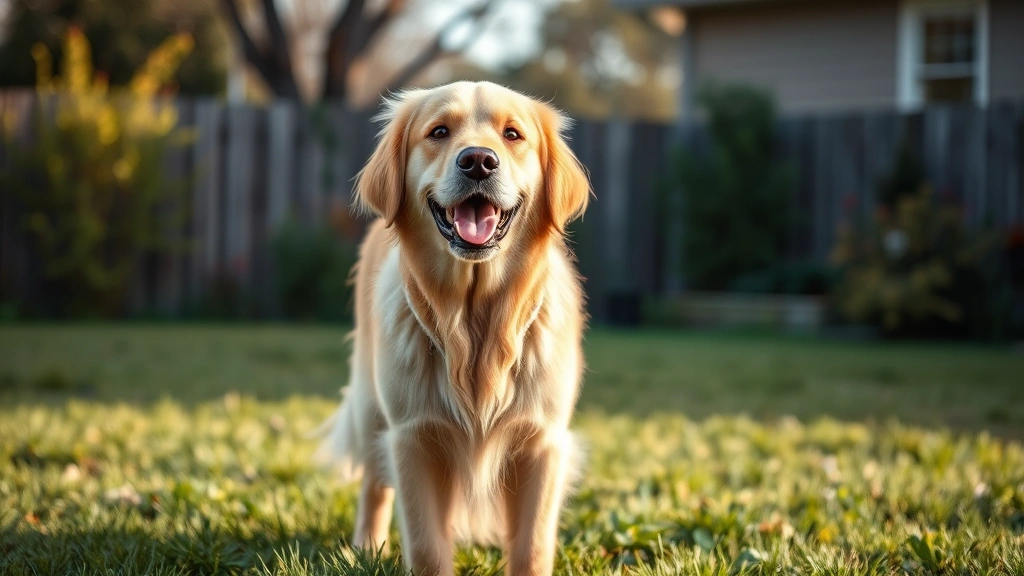
So you’re wondering how long can a dog hold their poop? Well, buckle up, because the answer isn’t as straightforward as you might think. Whether you’re dealing with a puppy, an adult dog, or a senior pup, understanding your dog’s bathroom habits is crucial for their health and your sanity. Let’s dive into the nitty-gritty of canine digestive systems and what’s actually realistic for your furry friend.
Table of Contents
- The Basic Timeline: How Long Can Dogs Actually Hold It?
- Puppies vs. Adult Dogs: Age Matters
- Senior Dogs and Digestive Changes
- Factors That Affect How Long Your Dog Can Hold Their Poop
- What Happens When Dogs Hold Their Poop Too Long?
- The Ideal Bathroom Schedule for Your Dog
- Training Your Dog to Hold It: Is It Possible?
- Medical Conditions That Affect Poop-Holding Ability
- Practical Tips for Managing Your Dog’s Bathroom Schedule
- When to Worry: Signs Your Dog’s Bathroom Habits Are Abnormal
- Frequently Asked Questions
- The Bottom Line: Listen to Your Dog’s Body
The Basic Timeline: How Long Can Dogs Actually Hold It?
Here’s the truth: adult dogs can typically hold their poop for 24-48 hours, but that doesn’t mean they should. Most healthy adult dogs can comfortably go 8-12 hours without a bowel movement, and ideally, they should have at least one opportunity to poop per day. Think of it like this—just because you *can* hold it doesn’t mean it’s good for you. The same applies to your four-legged buddy. According to the American Kennel Club, regular bathroom breaks are essential for maintaining digestive health and preventing serious complications.
Puppies vs. Adult Dogs: Age Matters
If you’ve got a puppy, forget everything I just said about 8-12 hours. Puppies are basically tiny furry chaos machines with zero bladder or bowel control. Young puppies (8-12 weeks old) can only hold their poop for about 2-3 hours. As they grow, this gradually increases. By 3-4 months, they might manage 4-5 hours. By 6 months, you’re looking at around 6-8 hours. It’s not until they’re around 12-16 months old that they develop adult-level control. So if you’ve got a puppy and you’re expecting them to last all day, you’re setting yourself up for a very messy situation.
Senior Dogs and Digestive Changes
As dogs age, their ability to hold poop actually decreases again. Senior dogs (typically 7+ years old) often experience weakened sphincter muscles and changes in their digestive system. Many older dogs need more frequent bathroom breaks—sometimes every 6-8 hours instead of the typical 12 hours. This isn’t laziness; it’s biology. If your senior dog is having accidents in the house, it’s worth discussing with your vet, as it could indicate underlying health issues or simply require more frequent potty breaks.
Factors That Affect How Long Your Dog Can Hold Their Poop
Not all dogs are created equal. Several factors influence your individual dog’s ability to hold it:
Diet and Digestion: What your dog eats directly impacts how quickly they need to go. High-fiber diets move through the system faster, while high-quality, easily digestible foods may move slower. Check out our Pet Nutrition Advice for guidance on optimizing your dog’s diet for digestive health. Poor quality food or foods your dog is sensitive to can speed up the need to poop significantly.
Individual Metabolism: Just like humans, every dog’s metabolism is unique. Some dogs are naturally faster digesters than others. This is partly genetic and partly based on overall health.
Breed Size: Smaller dogs generally need to go more frequently than larger breeds. A Chihuahua’s digestive system works differently than a Great Dane’s, simply due to body size and organ capacity.
Health Status: Dogs with digestive issues, parasites, food allergies, or conditions like IBS need more frequent bathroom breaks. If your dog suddenly needs to go out more often, it’s worth a vet visit.
Medications: Certain medications can affect bowel movements. If your dog is on new meds and their bathroom habits change, mention it to your veterinarian.
What Happens When Dogs Hold Their Poop Too Long?
Here’s where things get serious. While your dog *can* hold their poop for extended periods, regularly doing so can cause real problems. When stool sits in the colon too long, it becomes harder and drier, making it painful to pass. This can lead to:
Constipation: Hard, dry stools that are difficult or painful to pass. Your dog might strain, show discomfort, or produce small, hard pellets.
Megacolon: In severe cases, the colon can become abnormally enlarged from holding stool too long. This is a serious condition requiring veterinary intervention.
Fecal Impaction: When stool becomes so hard it can’t be passed naturally. This is painful and sometimes requires manual removal by a vet.
Behavioral Issues: Dogs that are desperate to go might have accidents in the house, not because they’re poorly trained, but because their body is literally forcing them to go.
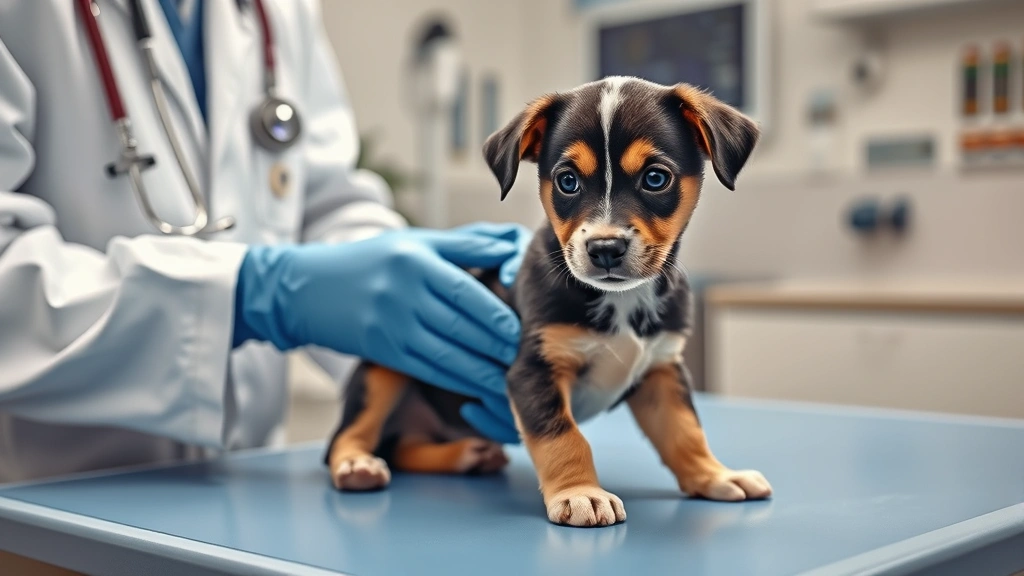
According to PetMD, chronic constipation in dogs can also lead to loss of appetite, lethargy, and other complications. It’s not something to take lightly.
The Ideal Bathroom Schedule for Your Dog
So what should you actually be aiming for? Most veterinarians recommend:
Puppies (under 6 months): 4-6 times per day, ideally after meals, naps, and playtime.
Adult Dogs (1-7 years): At least once daily, ideally twice daily. Many dogs do best with 2-3 opportunities per day.
Senior Dogs (7+ years): 2-3 times per day, sometimes more depending on individual health.
The reality is that most healthy adult dogs do best with at least two potty breaks per day. If you work long hours, consider hiring a dog walker or using a Pet Telehealth service to discuss your dog’s specific needs with a vet who can recommend solutions.
Training Your Dog to Hold It: Is It Possible?
Can you train a dog to hold their poop longer? Technically, yes, but should you? Probably not as a regular practice. You can work on bladder and bowel control with puppies through crate training and establishing routines. However, forcing an adult dog to regularly hold their poop beyond their natural needs is asking for health problems.
That said, there are situations where you need your dog to have some control—like long car rides or unavoidable situations. For these occasions, working with a trainer on gradually extending the time between breaks (while still keeping it reasonable) might help. But this should never become the norm.
Medical Conditions That Affect Poop-Holding Ability
Some dogs have legitimate reasons for not being able to hold their poop as long as others. Conditions like inflammatory bowel disease, pancreatitis, food sensitivities, and parasitic infections all affect how quickly your dog needs to go. If your dog suddenly changes their bathroom habits, or if they seem to need more frequent breaks than normal for their age, schedule a vet appointment. It could be something simple or something that needs treatment.
Also consider that certain ingredients in dog food can cause issues. Learn more about making smart dietary choices in our guide on Healthy Snack Alternatives for Dogs.
Practical Tips for Managing Your Dog’s Bathroom Schedule
If you’re struggling with your dog’s bathroom needs, here are some practical strategies:
Establish a Routine: Take your dog out at consistent times each day. Dogs thrive on routine, and their bodies will adjust to a predictable schedule.
Don’t Punish Accidents: If your dog has an accident indoors, it’s usually not their fault. Punishing them creates anxiety and makes the problem worse.
Consider Food Timing: Feed your dog at the same times each day. Most dogs need to go within 30 minutes to 2 hours after eating. Time meals accordingly.
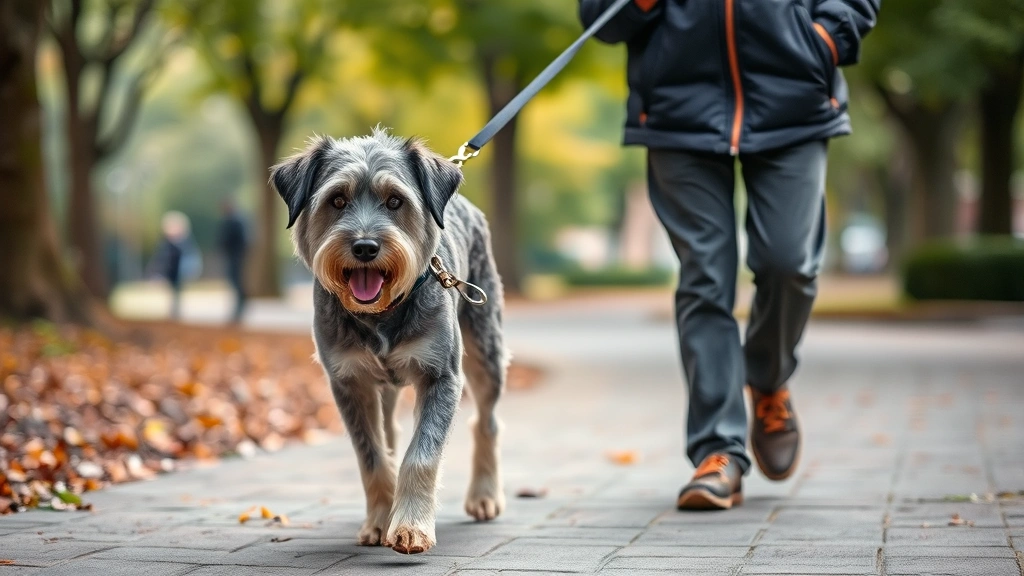
Increase Exercise: Physical activity stimulates the bowels. More playtime and walks often mean more regular bathroom breaks.
Monitor Diet Quality: High-quality, digestible food means more consistent, predictable bathroom habits. Check out our Human Food Portion Sizes for Pets to avoid feeding inappropriate foods that might disrupt digestion.
Stay Hydrated: Proper hydration supports healthy digestion. Make sure your dog always has access to fresh water.
When to Worry: Signs Your Dog’s Bathroom Habits Are Abnormal
Contact your vet if you notice:
• Your dog hasn’t pooped in more than 48 hours
• Straining or difficulty during bowel movements
• Blood or mucus in stool
• Changes in stool consistency (very hard, very loose, or alternating)
• Sudden changes in frequency
• Signs of pain or discomfort during bathroom time
• Loss of appetite accompanying bathroom changes
• Your senior dog suddenly needing significantly more frequent breaks
These could indicate anything from simple dietary issues to serious medical conditions. Your vet can help figure out what’s going on and recommend appropriate treatment.
Frequently Asked Questions
Can a dog hold their poop overnight?
Most adult dogs can hold their poop overnight (8-10 hours) without issues, though some might struggle. It depends on the individual dog’s age, health, and diet. If your dog regularly has accidents at night, consult your vet—it could indicate a medical issue or simply mean they need a late-night potty break.
Is it bad if my dog poops multiple times a day?
Not necessarily. Many healthy dogs poop 2-3 times daily. If your dog’s frequency is consistent and the stool is normal, there’s no problem. However, if there’s a sudden increase in frequency or the stool is abnormal, it warrants a vet visit.
Why does my dog sometimes go long periods without pooping?
Several reasons could explain this: changes in diet, decreased activity, stress, dehydration, or medical issues. If it lasts more than 48 hours or is accompanied by other symptoms, contact your vet.
How can I help my constipated dog?
Increase water intake, add fiber to their diet (with vet approval), increase exercise, and ensure they have regular potty opportunities. If constipation persists for more than a couple of days, see your veterinarian. Don’t give your dog laxatives without vet guidance.
Do different dog breeds have different poop-holding abilities?
Somewhat. Larger breeds might have slightly more capacity, while smaller breeds might need more frequent breaks. However, individual variation within breeds is significant. Your specific dog’s needs matter more than breed generalizations.
The Bottom Line: Listen to Your Dog’s Body
So, how long can a dog hold their poop? The answer is: longer than they should have to on a regular basis. While adult dogs can technically hold it for 24-48 hours, they shouldn’t regularly be forced to do so. Most healthy adult dogs do best with at least one, preferably two, daily opportunities to poop. Puppies and senior dogs need even more frequent breaks. Pay attention to your individual dog’s needs, maintain a consistent routine, feed quality food, and don’t hesitate to consult your vet if something seems off. Your dog’s digestive health is just as important as any other aspect of their wellbeing, and a little attention to their bathroom habits can prevent serious health problems down the road.





