
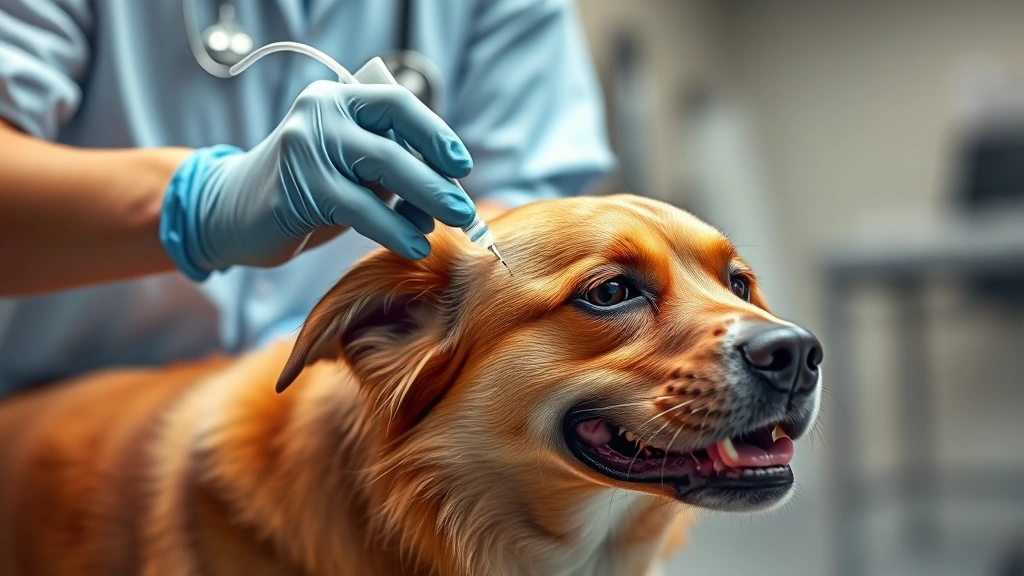
So you’re wondering how long can a dog live on subcutaneous fluids? Great question, because this is one of those topics that can feel pretty heavy when you’re dealing with a sick pup. The short answer? It depends on a bunch of factors, but with proper care, many dogs can maintain quality of life for weeks, months, or even longer on subQ fluids alone. Let me break down what you actually need to know.
Table of Contents
- What Are Subcutaneous Fluids and Why Do Dogs Need Them?
- Duration on Subcutaneous Fluids: The Real Timeline
- Chronic Kidney Disease and Subcutaneous Fluid Therapy
- Factors That Affect How Long Your Dog Survives on SubQ Fluids
- Signs Your Dog Is Doing Well on Subcutaneous Fluids
- Warning Signs That Subcutaneous Fluids Alone Aren’t Enough
- Administering Subcutaneous Fluids at Home: What You Need to Know
- Nutrition Matters Just as Much as Fluids
- When to Consider Stopping Subcutaneous Fluids
- Frequently Asked Questions
- Summary: The Bottom Line on Dogs and Subcutaneous Fluids
What Are Subcutaneous Fluids and Why Do Dogs Need Them?
Subcutaneous fluids (often called “subQ” or “sub-Q” fluids) are basically IV fluids delivered under the skin instead of directly into the bloodstream. Your vet injects a bag of fluid under your dog’s skin, usually between the shoulder blades, and the fluid slowly absorbs into their body over a few hours. It’s like giving your pup a hydration boost without the drama of a traditional IV catheter.
Dogs typically need subcutaneous fluids when they’re dealing with chronic kidney disease, severe dehydration, or other conditions that mess with their ability to stay hydrated. It’s actually a pretty genius solution because you can often do it at home, which beats multiple vet visits for stressed-out pups.
Duration on Subcutaneous Fluids: The Real Timeline
Here’s the thing: there’s no magic number. A dog can live on subcutaneous fluids indefinitely if their underlying condition is manageable and they’re receiving proper nutrition and care. Some dogs go months or years on regular subQ treatments. Others might only need them for a few weeks during an acute illness.
The actual lifespan depends on what caused them to need fluids in the first place. A dog with early-stage chronic kidney disease might thrive for years with subQ support. A dog in end-stage organ failure? That’s a different story. Your vet can give you a better timeline based on your specific dog’s bloodwork and condition.
Chronic Kidney Disease and Subcutaneous Fluid Therapy
Chronic kidney disease (CKD) is probably the most common reason dogs end up on subQ fluids. When kidneys start failing, they can’t concentrate urine properly, so dogs get dehydrated constantly. Regular subcutaneous fluid administration helps compensate for this.
Dogs with CKD on subQ therapy can live surprisingly well. We’re talking years of additional quality time with your furry friend. The key is catching it early and being consistent with treatments. Combined with a kidney-friendly diet (check out our Pet Nutrition Advice for specifics), many dogs do genuinely well.
Factors That Affect How Long Your Dog Survives on SubQ Fluids
Several things influence whether your dog thrives or just barely gets by on subcutaneous fluid support:
Age and Overall Health: Younger dogs with fewer health problems generally handle subQ fluids better than geriatric pups with multiple issues. A 5-year-old with early kidney disease? Different ballgame than a 14-year-old with failing kidneys, heart problems, and arthritis.
Underlying Condition Severity: The stage and progression of whatever caused the dehydration matters hugely. Early-stage CKD is way different from end-stage renal failure. Your vet will likely use IRIS staging to give you realistic expectations.
Nutrition and Appetite: Dogs need actual food, not just fluids. If your dog still eats well, they’ll do better. If they’ve stopped eating? That’s a red flag. Proper nutrition is critical—our Energy Boosting Foods for Active Pets guide can help you figure out what to offer.

Frequency of Treatments: Some dogs need subQ fluids daily, others weekly or every few days. More frequent treatments usually mean better hydration maintenance, but also more stress on the dog (and your schedule).
Electrolyte Balance: It’s not just about water—electrolytes matter. Your vet will monitor potassium, sodium, and other minerals to make sure the fluid type matches your dog’s needs.
Signs Your Dog Is Doing Well on Subcutaneous Fluids
If your dog is thriving on subQ therapy, you’ll notice:
- Better energy levels and alertness
- Improved appetite
- Less excessive drinking and urination
- Better coat quality and skin turgor
- More interest in playing or walks
- Normal or near-normal bloodwork values (depending on the condition)
These are all green lights that the treatment is working and your dog’s quality of life is good.
Warning Signs That Subcutaneous Fluids Alone Aren’t Enough
Sometimes subQ fluids help, but sometimes you need more aggressive intervention. Watch for:
- Continued weight loss despite fluids
- Persistent vomiting or loss of appetite
- Lethargy that doesn’t improve
- Abnormal bloodwork that keeps getting worse
- Signs of pain or distress
- Inability to stand or move around
If you’re seeing these signs, it’s time for a serious conversation with your vet about whether additional treatments or quality-of-life considerations are necessary. Our Emergency Food Poisoning Telehealth service can also help if you need quick guidance outside regular vet hours.
Administering Subcutaneous Fluids at Home: What You Need to Know
Most vets teach owners to give subQ fluids at home, which is awesome because it saves trips and stress. The process is pretty straightforward: you warm the fluid bag, find the right spot under the skin, insert the needle, and let gravity do the work while your dog chills for 15-30 minutes.
The learning curve is real, but most people get comfortable after a few sessions. Your vet will walk you through it and make sure you’re doing it safely. The needle goes under the skin, not into muscle or organs, so it’s actually pretty hard to mess up badly.
Nutrition Matters Just as Much as Fluids
Here’s something people often overlook: subcutaneous fluids keep your dog hydrated, but they don’t provide calories, protein, or nutrients. Your dog still needs actual food. This is why appetite is such a big deal with chronically ill dogs.
If your dog has kidney disease, they need a low-protein, low-phosphorus diet. If they have other conditions, dietary needs change. Check out our Online Vet Advice for Food Reactions to make sure you’re not accidentally feeding them something that makes their condition worse. Some dogs also benefit from supplements—our Foods for Joint Health in Pets article covers options that might help older dogs feel better overall.

When to Consider Stopping Subcutaneous Fluids
This is the hard part. Subcutaneous fluids can extend life, but at some point, you need to ask if you’re extending life or just extending suffering. Signs that it might be time to have the quality-of-life conversation include:
- Your dog no longer seems to enjoy anything
- They’re in obvious pain that medication can’t control
- They’ve stopped eating completely
- They can’t stand or move around
- Your vet says the underlying condition is progressing rapidly despite treatment
This is deeply personal, and there’s no “right” answer. But it’s important to be honest with yourself about what you’re doing and why. Sometimes continuing treatment is the right call. Sometimes it’s not. Your vet can help you think through it.
Frequently Asked Questions
Can a dog live indefinitely on subcutaneous fluids?
Not indefinitely, but potentially for a very long time depending on the underlying condition. A dog with well-managed early-stage kidney disease might live for years on subQ support. A dog in end-stage organ failure will likely have a shorter timeframe. The fluids address dehydration but don’t cure the underlying disease.
How often do dogs need subcutaneous fluids?
Frequency varies based on the condition and how well the dog maintains hydration. Some dogs need fluids daily, others every other day, and some only weekly. Your vet will determine the right schedule based on bloodwork and clinical signs.
Is giving subcutaneous fluids painful for dogs?
The needle insertion can be uncomfortable, but most dogs tolerate it well, especially once they get used to the routine. Some dogs barely react. The actual fluid infusion isn’t painful—it’s just sitting under the skin absorbing slowly. Many dogs relax and even nap during treatment.
Can subcutaneous fluids cause complications?
Complications are rare when done properly. Occasionally, you might see mild swelling at the injection site or infection if sterile technique isn’t followed. Overhydration is possible but uncommon with subQ therapy. Your vet will monitor for any issues during check-ups.
What’s the difference between subcutaneous and intravenous fluids?
IV fluids go directly into the bloodstream and work faster, making them better for acute emergencies. SubQ fluids absorb more slowly under the skin, making them ideal for chronic conditions and home administration. IV requires a catheter and more monitoring; subQ is simpler and can be done at home.
Do all dogs with kidney disease need subcutaneous fluids?
No. Early-stage kidney disease might be managed with diet and oral medications alone. Your vet will recommend subQ fluids when bloodwork shows significant dehydration or when oral fluids aren’t keeping up. It’s based on individual needs, not just a diagnosis.
Summary: The Bottom Line on Dogs and Subcutaneous Fluids
So, how long can a dog live on subcutaneous fluids? The answer is: it depends, but potentially much longer than you might expect. With proper administration, good nutrition, and appropriate medical care, many dogs thrive for months or years on subQ support. The key is working closely with your vet, being consistent with treatments, and staying realistic about your dog’s quality of life.
Subcutaneous fluids aren’t a cure—they’re a management tool. But they’re a really good one that can buy you precious extra time with your furry friend while maintaining a decent quality of life. If your dog is on subQ therapy, focus on keeping them comfortable, well-fed, and as active as possible. That’s where the real magic happens.





