
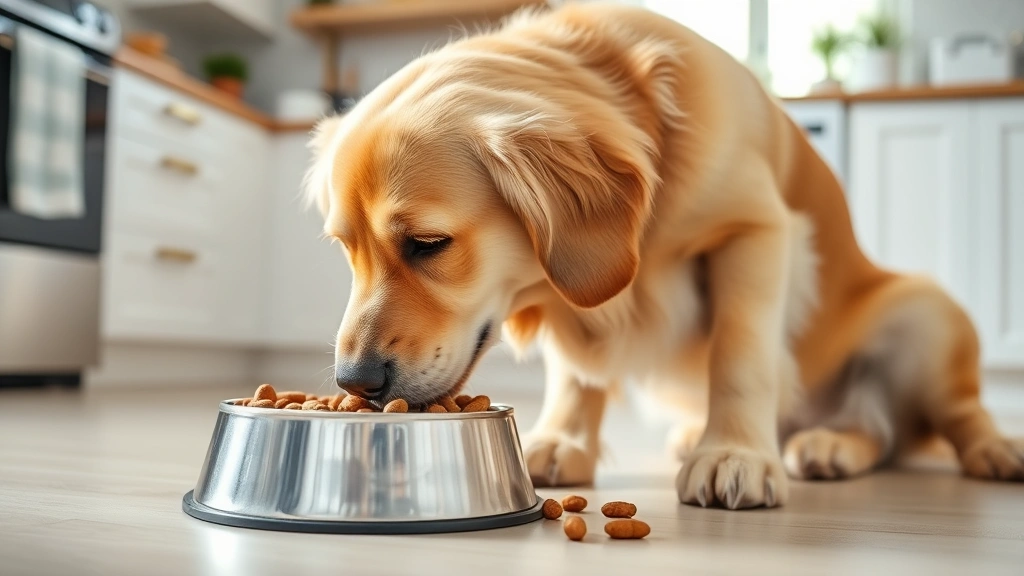
How Long Can a Dog Live Without Food? Expert Insights
One of the most distressing questions a pet owner can face is wondering how long their beloved dog can survive without food. Whether you’re dealing with a picky eater, a medical emergency, or simply want to understand your dog’s nutritional needs better, understanding the timeline of canine survival without food is crucial knowledge. The answer isn’t as straightforward as you might think, and it depends on several important factors including your dog’s age, health status, body condition, and access to water.
In this comprehensive guide, we’ll explore the science behind canine survival, what happens to a dog’s body during prolonged food deprivation, and most importantly, when you should be concerned about your furry friend’s health. Understanding these critical details can help you make informed decisions about your dog’s care and know when to seek veterinary help.
Food is essential for maintaining your dog’s energy, supporting immune function, and keeping all bodily systems operating optimally. When a dog goes without food, their body begins to use stored energy reserves, but this process has limits. Let’s dive deep into what you need to know.
The Survival Timeline: Days Without Food
Research and veterinary experience suggest that most healthy adult dogs can survive approximately 5 to 7 days without food, provided they have access to water. However, this is a general guideline, and individual dogs may vary significantly. Some dogs with excellent body condition and slower metabolisms might extend this slightly, while others with faster metabolisms or underlying health issues may deteriorate more quickly.
The timeline becomes even more critical when we consider that after just 3 to 5 days without food, a dog begins experiencing significant metabolic stress. Their body starts breaking down muscle tissue for energy, organ function begins to decline, and the risk of serious complications increases dramatically. This is distinctly different from how long a dog can go without eating in cases of selective appetite, which is why professional guidance is essential.
It’s important to understand that how long dogs can go without food varies considerably based on individual circumstances. A young, healthy dog in good physical condition has greater reserves than a senior dog or one with pre-existing health conditions. Additionally, a dog’s breed, size, and metabolic rate all play significant roles in determining survival time.
According to veterinary research, the body’s glycogen stores (stored carbohydrates) are typically depleted within the first 24 hours without food. After this point, the body begins metabolizing fat and then muscle tissue for energy. This metabolic shift is taxing on all organ systems, particularly the heart, liver, and kidneys.

What Happens to Your Dog’s Body
Understanding the physiological changes that occur when a dog goes without food helps explain why prolonged food deprivation is so dangerous. When your dog’s body enters a fasted state, several cascading changes occur:
- Metabolic Rate Changes: Initially, the body slows its metabolic rate to conserve energy. This is an evolutionary survival mechanism, but it can only sustain the dog for so long.
- Blood Sugar Fluctuations: Without food intake, blood glucose levels drop significantly. The body attempts to maintain glucose through gluconeogenesis (creating new glucose from other sources), but this process is limited and stressful.
- Muscle Wasting: As stored energy depletes, the body begins breaking down muscle tissue for amino acids. This includes heart muscle, which is particularly concerning.
- Organ Stress: The liver, kidneys, and heart work overtime during prolonged fasting, attempting to maintain critical functions with limited resources.
- Immune Suppression: Without adequate nutrition, the immune system becomes compromised, making the dog vulnerable to infections and illness.
- Electrolyte Imbalances: Fasting disrupts the balance of essential minerals like potassium, sodium, and calcium, which can cause serious cardiac and neurological issues.
These changes don’t happen gradually and predictably. Instead, they occur on an accelerating timeline, with the most severe damage occurring in the final days of prolonged food deprivation. This is why veterinarians emphasize that every day without food matters when a dog has stopped eating.
Factors That Affect How Long Dogs Can Go Without Food
Several critical factors determine how long an individual dog can survive without food. Understanding these factors helps you assess your specific dog’s situation more accurately:
Age: Puppies and senior dogs are particularly vulnerable to food deprivation. Puppies have higher metabolic rates and smaller energy reserves, while senior dogs often have compromised organ function and less physiological resilience. A puppy might only survive 3 to 4 days without food, while a healthy adult dog might manage 5 to 7 days.
Overall Health Status: Dogs with pre-existing conditions like diabetes, kidney disease, heart disease, or liver problems are at significantly greater risk. These conditions already stress the affected organs, making them less able to cope with the additional strain of food deprivation.
Body Condition Score: A dog with adequate body fat stores has more energy reserves to draw upon. An overweight dog might survive slightly longer than an ideal-weight dog, though obesity brings its own health complications. Conversely, an underweight dog has minimal reserves and deteriorates quickly.
Breed and Size: Larger dogs have proportionally larger energy reserves, but they also have higher absolute caloric needs. Small breeds and toy breeds may have different survival timelines than large or giant breeds. Additionally, some breeds have naturally faster or slower metabolisms.
Activity Level: A dog that remains active burns calories faster than a resting dog. During food deprivation, reduced activity helps conserve energy, which is why many dogs naturally become lethargic when not eating.
Environmental Temperature: In cold environments, dogs require more calories to maintain body temperature. This accelerates energy depletion during food deprivation. Warm environments may slightly extend survival time by reducing caloric needs.
The Critical Role of Water
While we’re discussing how long can a dog live without food, it’s equally important to emphasize that water is far more critical than food. A dog can survive much longer without food than without water. In fact, how long a dog can go without water is typically only 3 to 5 days, sometimes less depending on conditions and health status.
Dehydration is actually more immediately life-threatening than starvation. A dog without water will experience organ failure, particularly in the kidneys, much faster than a dog without food. This is why in emergency situations, ensuring water access should be your first priority. If your dog is not eating but has water available, this buys you more time to address the underlying cause.
Interestingly, when dogs experience prolonged food deprivation, their need for water becomes even more critical. The body’s metabolic processes during fasting create byproducts that must be flushed from the system. Additionally, water helps prevent complications like kidney stones and urinary tract issues that can develop during fasting periods.
Always ensure your dog has access to fresh, clean water. During any period when your dog isn’t eating normally, monitor water intake carefully. If your dog is refusing both food and water, this is a medical emergency requiring immediate veterinary attention.
Warning Signs of Malnutrition and Starvation
Recognizing the warning signs of prolonged food deprivation can help you seek help before your dog reaches a critical state. These signs typically progress over days:
- Days 1-2: Lethargy, decreased activity, possible vomiting or nausea, loss of interest in toys or activities
- Days 3-4: Increased lethargy, weakness, possible disorientation, sunken appearance to eyes, skin becomes less elastic
- Days 5+: Severe weakness or inability to stand, confusion or difficulty recognizing familiar people, rapid or irregular heartbeat, shallow breathing, potential organ failure
Additionally, watch for these specific symptoms that indicate your dog needs immediate veterinary care:
- Persistent vomiting or inability to keep food down
- Severe diarrhea or constipation
- Abdominal distention or signs of pain
- Difficulty breathing or rapid breathing
- Pale or yellow gums
- Unresponsiveness or difficulty staying awake
- Tremors or seizures
- Collapse or inability to stand
If you notice any of these signs, don’t wait. Contact your veterinarian immediately or visit an emergency animal hospital. Early intervention can prevent serious complications and improve your dog’s chances of recovery.
Medical Conditions That Complicate Food Deprivation
Certain medical conditions make dogs particularly vulnerable to the effects of food deprivation and can significantly shorten the timeline of survival without food:
Diabetes: Diabetic dogs have compromised glucose regulation. Without food, their blood sugar can become dangerously low (hypoglycemia) or high (hyperglycemia), both of which are serious medical emergencies.
Liver Disease: The liver is central to metabolic processes during fasting. Dogs with liver disease cannot efficiently convert stored energy sources into usable glucose, leading to rapid deterioration.
Kidney Disease: Kidney disease impairs the body’s ability to manage electrolytes and filter waste products. During fasting, this becomes critical as the kidneys must work harder to manage metabolic byproducts.
Heart Disease: The heart muscle is particularly vulnerable during prolonged fasting. Dogs with existing heart conditions are at high risk of cardiac complications.
Pancreatitis: Interestingly, dogs with pancreatitis often cannot eat due to pain and nausea. However, they still require careful nutritional management to prevent further deterioration.
Gastrointestinal Disorders: Conditions like inflammatory bowel disease, food allergies, or obstruction may prevent normal eating while also accelerating nutrient depletion.
If your dog has any of these conditions and is not eating, contact your veterinarian immediately rather than waiting to see if the situation improves on its own.
Recovery and Refeeding After Prolonged Food Deprivation
Once your dog begins eating again after a period of food deprivation, the recovery process requires careful management. Reintroducing food too quickly or in too large quantities can actually cause serious complications, a condition known as refeeding syndrome.
Refeeding syndrome occurs when the body’s electrolyte balance is disrupted during the transition from fasting to normal eating. Symptoms can include weakness, heart arrhythmias, seizures, and even death if not managed properly. This is why veterinary oversight is crucial during recovery.
When refeeding your dog, follow these guidelines:
- Start Small: Offer small amounts of easily digestible food, typically 25% of normal portions initially
- Progress Gradually: Increase portion sizes by about 25% every 2-3 days over a week or more, depending on your veterinarian’s recommendations
- Choose Appropriate Foods: Start with bland, easily digestible options like boiled chicken and rice, or prescription recovery diets recommended by your vet
- Monitor Closely: Watch for vomiting, diarrhea, lethargy, or other concerning symptoms during the recovery period
- Follow Veterinary Guidance: Your vet may recommend specific supplements, medications, or dietary adjustments based on your dog’s condition
Recovery from prolonged food deprivation can take weeks, and some dogs may have lingering complications. The good news is that with proper care and veterinary support, most dogs recover well from temporary food deprivation.
Prevention and Proper Nutrition Planning
The best approach to managing your dog’s nutritional health is prevention. Understanding how much food you should feed your dog daily helps prevent both obesity and malnutrition.
Most adult dogs thrive on one or two meals per day, with portion sizes based on age, size, activity level, and health status. Your veterinarian can help you determine the right amount for your individual dog. Puppies require more frequent meals (typically 3-4 times daily) due to their higher metabolic needs.
If your dog is a picky eater or frequently skips meals, this is worth investigating with your veterinarian. Chronic anorexia can indicate underlying health issues that need attention. Additionally, if your dog experiences digestive issues like diarrhea, your vet can recommend appropriate dietary modifications. For instance, understanding what to feed a dog with diarrhea can help you manage these issues without prolonged food deprivation.
In emergency situations where your dog might not have access to food (natural disasters, travel, etc.), plan ahead:
- Keep emergency food supplies in your disaster preparedness kit
- Maintain updated photos and medical records of your dog
- Know the location of emergency veterinary clinics in your area
- Microchip your dog in case they become lost
- Keep your dog’s vaccinations current to prevent illness during stressful situations
If you’re ever concerned that your dog might be showing signs of serious illness or approaching a critical state, reference how to tell if your dog is dying, which provides detailed information about recognizing life-threatening emergencies.
Frequently Asked Questions
Can a dog survive 10 days without food?
Most healthy adult dogs cannot survive 10 days without food. While the theoretical maximum is around 7-10 days for a very healthy dog with excellent body condition and access to water, dogs typically experience serious organ damage and life-threatening complications well before reaching 10 days. After 5-7 days, the risk of irreversible damage increases dramatically. Any dog that hasn’t eaten for more than 3-4 days should receive immediate veterinary attention.
What’s the difference between fasting and starvation in dogs?
Fasting is a controlled, short-term period without food, while starvation is prolonged food deprivation that causes serious physiological damage. Therapeutic fasting (under veterinary supervision) is sometimes used before surgery or to treat certain conditions and typically lasts less than 24 hours. Starvation begins after 3-5 days and causes progressive organ damage. The distinction is important because controlled fasting is safe, while unintended starvation is dangerous.
Should I be worried if my dog skips one meal?
Skipping one meal is generally not cause for alarm, especially if your dog seems otherwise healthy and active. Dogs sometimes skip meals due to excitement, stress, or simply not being hungry. However, if your dog skips multiple meals in a row, shows other symptoms of illness, or has a history of health problems, contact your veterinarian. Chronic anorexia warrants investigation even if it seems minor.
How can I tell if my dog is truly not eating or just being picky?
Picky eating typically involves a dog refusing certain foods but showing interest in others, maintaining energy and normal behavior, and having a healthy body weight. True anorexia (loss of appetite) involves refusing all foods, showing lethargy, and often accompanied by other symptoms like vomiting or diarrhea. If you’re unsure, try offering your dog’s favorite treats or high-value foods. If they refuse even these, it’s likely a medical issue requiring veterinary evaluation.
Can dogs eat just once a day?
Adult dogs can typically thrive on once-daily feeding, though twice-daily feeding is often recommended for better nutrient distribution and digestion. Some dogs do better with one meal, while others prefer two. Your veterinarian can recommend the best feeding schedule for your individual dog based on age, health status, and lifestyle. Puppies, senior dogs, and dogs with certain health conditions may benefit from multiple smaller meals rather than one large meal.
What should I do if my dog refuses to eat for 24 hours?
If your dog refuses food for 24 hours, contact your veterinarian. While a single skipped meal is usually not serious, 24 hours of refusing food warrants professional evaluation to rule out underlying health issues. Your vet can perform a physical examination and run diagnostic tests if needed. Early intervention can prevent the situation from worsening and help identify the cause of the anorexia.
Is it normal for dogs to lose appetite in hot weather?
Some dogs do eat less in hot weather, which is relatively normal as their caloric needs decrease and they prefer to rest rather than digest heavy meals. However, this should be a mild decrease, not complete anorexia. Make sure your dog has access to plenty of fresh water and shade. If your dog refuses food entirely or shows other signs of heat stress, seek veterinary care. Heat exhaustion is a serious emergency.





