
How long can a dog stay alone? This is one of the most important questions every dog owner needs to answer, and honestly, it’s more nuanced than you’d think. Your furry best friend isn’t just sitting around binge-watching Netflix while you’re at work—they’re dealing with separation anxiety, boredom, and biological needs that don’t pause for your 9-to-5 schedule.
Table of Contents
- The Golden Rule: Age Matters Most
- Puppies: The Needy Squad
- Adult Dogs: The Sweet Spot for Solo Time
- Senior Dogs: When Bathroom Breaks Become Critical
- The Separation Anxiety Factor: When Alone Time Becomes Torture
- Work-From-Home Reality: Retraining Your Dog
- Practical Solutions for Long Work Days
- Environmental Factors That Affect Alone Time Tolerance
- Health Conditions That Limit Alone Time
- Training Tips to Extend Alone Time Safely
- Red Flags: When Alone Time Is Too Long
- The Breed Question: Do Some Dogs Handle Alone Time Better?
- Frequently Asked Questions
- Summary: Finding Your Dog’s Alone-Time Sweet Spot
The Golden Rule: Age Matters Most
Let’s cut to the chase: puppies and adult dogs have wildly different tolerance levels for solo time. A general rule of thumb is that dogs can hold their bladder for one hour per month of age, plus one. So a 3-month-old puppy? That’s roughly 4 hours max. A 6-month-old? Around 7 hours, though that’s pushing it. Adult dogs (1-7 years old) typically handle 4-8 hours comfortably, while senior dogs might struggle after 4-6 hours due to bathroom urgency and health issues.
Puppies: The Needy Squad
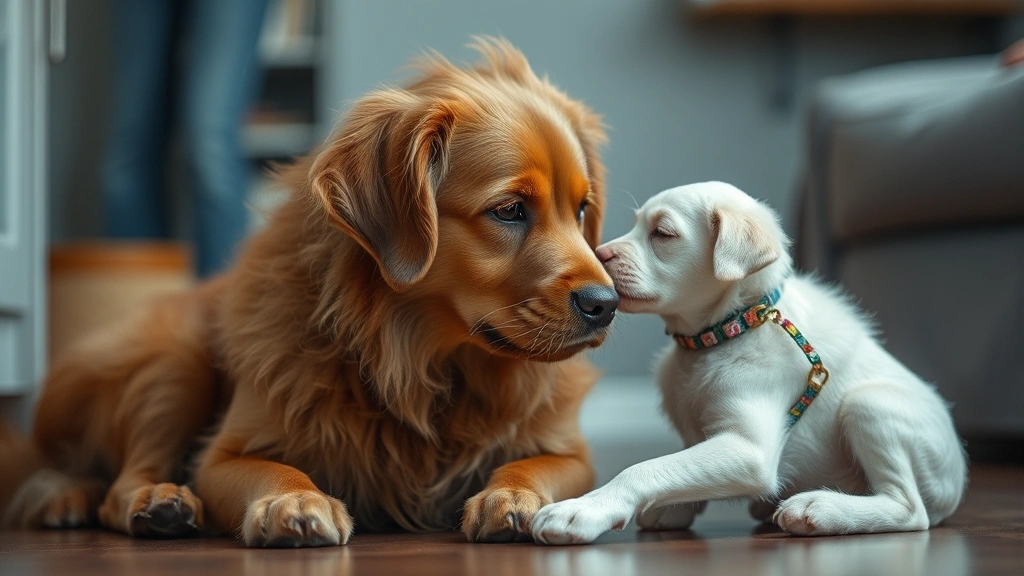
Puppies are basically furry toddlers with zero impulse control. Their bladders are tiny, their anxiety is huge, and leaving them alone for extended periods is a recipe for destroyed furniture and behavioral problems. Most veterinarians recommend not leaving puppies under 12 weeks old alone for more than 1-2 hours at a stretch. Between 3-6 months, you can stretch it to 3-4 hours. Even then, you’re looking at multiple potty breaks and mental stimulation needs that make working full-time without midday help nearly impossible.
Adult Dogs: The Sweet Spot for Solo Time
Adult dogs—those between 1 and 7 years old—are the most adaptable to alone time. Most healthy adults can manage 4-8 hours without major issues, though individual personalities vary dramatically. A calm Basset Hound might nap through an entire workday, while a hyperactive Border Collie will lose their mind after 3 hours. Breed temperament, training, and prior experience all play huge roles. The key is gradual conditioning; dogs who’ve been trained to handle alone time from puppyhood adapt much better than those suddenly left solo as adults.
Senior Dogs: When Bathroom Breaks Become Critical
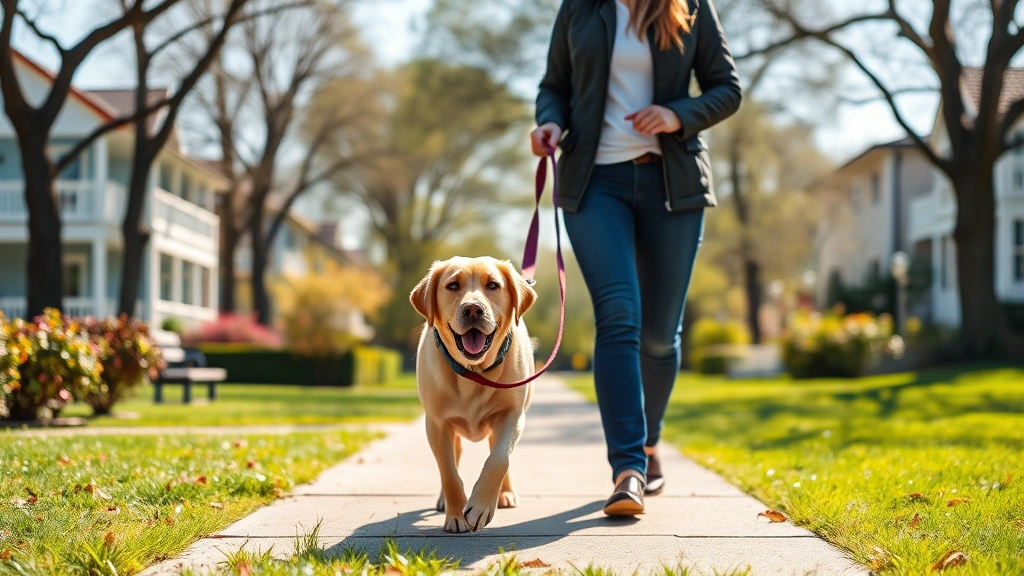
Dogs over 7 years old often struggle with extended alone time, especially if they’re dealing with incontinence, cognitive dysfunction, or arthritis. Many seniors need bathroom breaks every 4-6 hours, and some can’t physically hold it longer than that. Beyond the physical limitations, older dogs experience increased anxiety when left alone and may develop destructive behaviors or excessive barking. If you have a senior pup, consider hiring a dog walker or asking a trusted friend to check in midday.
The Separation Anxiety Factor: When Alone Time Becomes Torture
Some dogs are genetically wired to be Velcro dogs—they’re velcro’d to your side 24/7. These pups struggle with separation anxiety regardless of age or training. Signs include destructive behavior, excessive barking, self-injury, or bathroom accidents despite house training. If your dog exhibits these symptoms, leaving them alone for 8 hours isn’t just uncomfortable; it’s cruel. You might need to invest in doggy daycare, a pet sitter, or explore virtual pet checkup services to monitor their stress levels and adjust your schedule accordingly.

Work-From-Home Reality: Retraining Your Dog
Here’s something nobody talks about: if you’ve been home during the pandemic or work remotely, your dog has become accustomed to constant companionship. Suddenly returning to the office means retraining your pup to handle alone time. This isn’t about being mean—it’s about preventing anxiety disorders from developing. Start with short absences, gradually increase duration, and use puzzle toys or frozen Kong toys to keep them occupied. The transition takes weeks, sometimes months, so start early and be patient.
Practical Solutions for Long Work Days
If you’re stuck working 8-10 hours daily, you have options beyond guilt-tripping yourself. A dog walker or pet sitter can visit midday for bathroom breaks and playtime. Doggy daycare provides socialization and supervision. Some employers offer pet-friendly offices or flexible schedules. You could also ask a trusted neighbor, family member, or friend to pop over. Technology like remote pet health monitoring devices lets you check in visually and even talk to your dog throughout the day. The investment in these solutions is worth the peace of mind and your dog’s mental health.
Environmental Factors That Affect Alone Time Tolerance
Temperature control is huge. Dogs left in hot cars or unventilated rooms can overheat dangerously within hours. Make sure your dog has access to fresh water, shade, and climate control. Boredom and stress levels increase when dogs are confined to small spaces. A dog with access to a yard, windows to look out, and enrichment toys will handle alone time better than one locked in a crate. Consider leaving calming music, a white noise machine, or the TV on to mask outside sounds that trigger barking.
Health Conditions That Limit Alone Time
Certain medical conditions require more frequent bathroom access or monitoring. Dogs with constipation in dogs or diarrhea need regular potty breaks. Diabetic dogs need insulin injections and meal schedules that can’t be skipped. Dogs with heart conditions, seizure disorders, or other chronic illnesses shouldn’t be left alone for extended periods without monitoring. If your dog has health issues, chat with your vet about safe alone-time limits and emergency protocols.
Training Tips to Extend Alone Time Safely
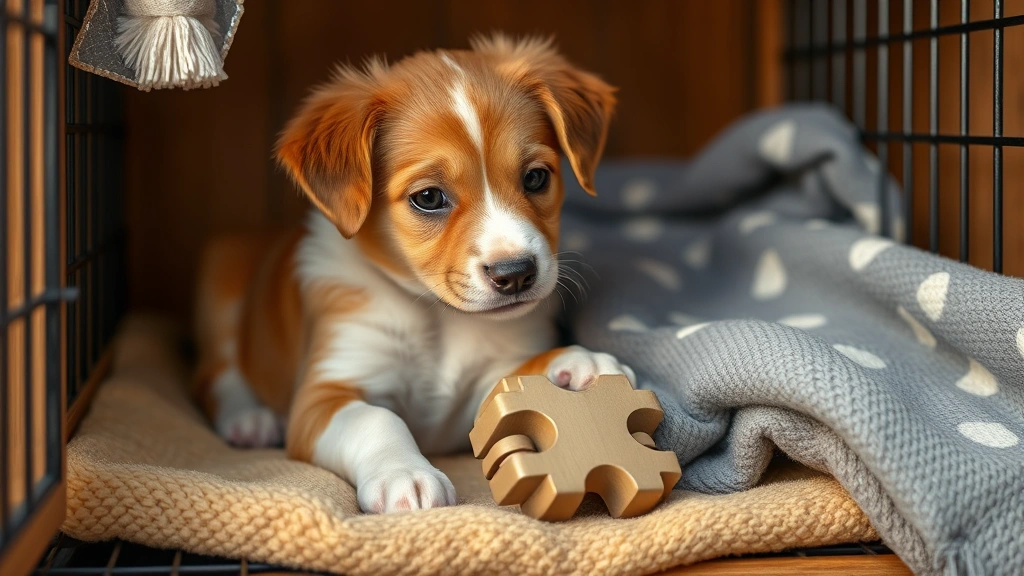
You can train your dog to handle alone time better through desensitization. Start by leaving for 5 minutes, then 10, then 20, gradually building tolerance. Don’t make a big fuss when you leave or return—keep it calm and boring. Use positive reinforcement like treats or toys that appear only when you’re gone. Create a safe space (crate, room, or designated area) where your dog feels secure. Crate training is especially helpful because dogs naturally avoid soiling their sleeping area. Consistency is key; irregular schedules and sudden changes stress dogs out more than predictable routines.
Red Flags: When Alone Time Is Too Long
Your dog is telling you something’s wrong if they’re having accidents despite being housetrained, destructing furniture or doors, barking excessively, showing signs of depression, or developing behavioral issues. These aren’t character flaws—they’re stress signals. Panting, drooling, pacing, or self-injury when you prepare to leave indicate serious separation anxiety. If you notice these behaviors, it’s time to reassess your schedule and potentially consult a certified professional dog trainer or veterinary behaviorist. Some dogs benefit from anxiety medication alongside behavioral training.
The Breed Question: Do Some Dogs Handle Alone Time Better?
Generally, independent breeds like Basset Hounds, Bulldogs, and Shiba Inus tolerate alone time better than velcro breeds like Golden Retrievers, Labrador Retrievers, or German Shepherds. However, individual personality trumps breed tendencies. I’ve met clingy Huskies and independent Poodles. Early socialization, training, and exposure to alone time during puppyhood matter far more than genetics. Don’t assume your breed can handle 8 hours alone without proper conditioning.
Frequently Asked Questions
Can I leave my dog alone for 12 hours?
Generally, no—not regularly. Most adult dogs can physically manage 12 hours without bathroom accidents if absolutely necessary, but it’s stressful and unhealthy. Senior dogs, puppies, and those with medical conditions definitely can’t. If you’re regularly working 12-hour days, you need a midday solution like a dog walker or daycare. Occasional 12-hour absences happen in life, but making it routine risks behavioral and health problems.
What’s the longest a dog can safely stay alone?
For most healthy adult dogs, 8 hours is the realistic maximum for regular absences. Some can stretch to 10 hours occasionally, but that’s pushing it. Puppies max out at 3-4 hours, seniors at 4-6 hours. The “safe” limit depends on your individual dog’s age, health, training, and temperament. When in doubt, err on the side of caution and arrange midday care.
Is it cruel to leave a dog alone all day?
Leaving a dog alone for the entire workday (8+ hours) regularly isn’t ideal, but it’s not necessarily cruel if you’ve set them up for success. Proper training, environmental enrichment, bathroom access, and occasional midday breaks make a huge difference. It becomes cruel when combined with anxiety, health issues, or lack of stimulation. If your dog is suffering, you need to make changes.
How do I know if my dog has separation anxiety?
Signs include destructive behavior focused on exits (doors, windows, crates), excessive barking or howling when you leave, bathroom accidents despite being housetrained, self-injury, drooling, panting, or refusing to eat. Some dogs panic the moment you grab your keys. If these behaviors happen specifically when you’re gone or preparing to leave, it’s likely separation anxiety, not stubbornness. A vet or certified behaviorist can confirm and recommend treatment options.
Can I train my dog to stay alone longer?
Absolutely. Through gradual desensitization and positive reinforcement, most dogs can learn to tolerate longer alone periods. Start small, be consistent, and celebrate progress. However, some dogs have genetic predispositions to anxiety that make extended alone time genuinely difficult regardless of training. In those cases, management (daycare, dog walkers, flexible schedules) works better than forcing them to “tough it out.”
Are crates good for alone time?
Crates can be helpful tools if introduced properly and used humanely. Dogs naturally avoid soiling their sleeping area, so crates help with potty training and prevent destructive behavior. However, a crate isn’t a magical solution for alone time. A crated dog still needs bathroom breaks, mental stimulation, and shouldn’t be confined for excessive periods. Never use a crate as punishment or leave a dog crated for 10+ hours—that’s cruel and defeats the purpose.
Summary: Finding Your Dog’s Alone-Time Sweet Spot
How long can a dog stay alone? The honest answer is: it depends. Puppies need frequent breaks, adult dogs can typically handle 4-8 hours, and seniors need more frequent attention. Your dog’s individual temperament, health status, training, and breed tendencies all factor in. Rather than aiming for maximum alone time, focus on your dog’s wellbeing and stress levels. If you’re working long hours, invest in solutions like dog walkers, daycare, or flexible schedules. Your pup will be happier, better behaved, and healthier for it. And frankly, you’ll worry less when you know your best friend is taken care of.
If you’re concerned about your dog’s health during alone time, resources like emergency food poisoning telehealth can provide quick guidance if something goes wrong. For ongoing monitoring, remote pet health monitoring gives you real-time peace of mind when you can’t be home.





