
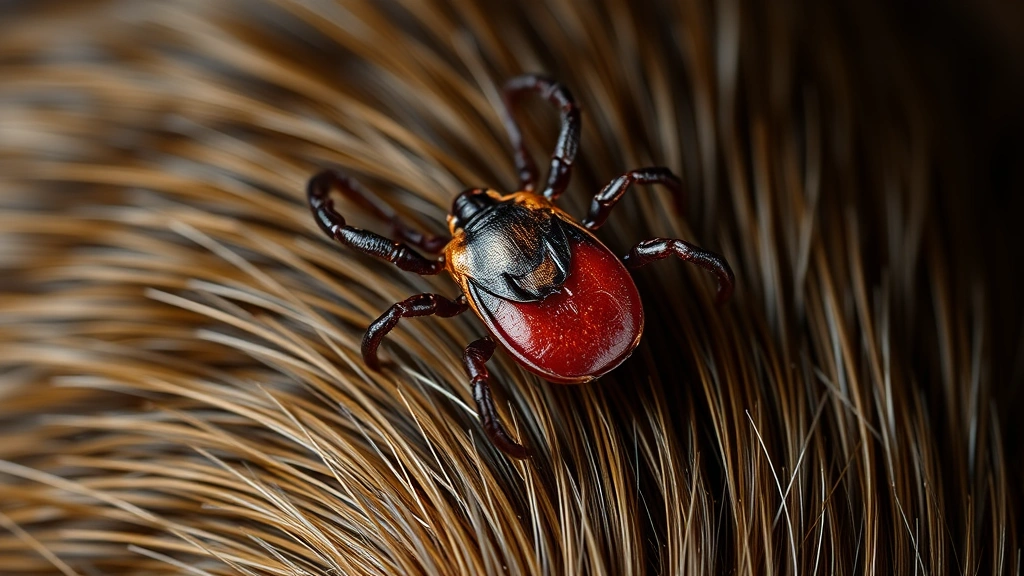
How long can a tick live on a dog? If you’ve ever found one of these blood-sucking parasites on your furry friend, you’ve probably wondered this exact question while simultaneously deciding whether to scream or faint. The answer might surprise you—and honestly, it’s kind of gross, so buckle up.
Table of Contents
- The Tick Lifecycle: Understanding Your Enemy
- How Long Can a Tick Live on a Dog? The Direct Answer
- Why Do Ticks Stay So Long? The Blood-Feeding Process
- Tick Survival Without a Host: The Scary Part
- The Tick Feeding Stages: What’s Happening Over Time
- Disease Transmission Timeline: When Danger Peaks
- Factors That Affect How Long Ticks Survive on Dogs
- Preventing Long-Term Tick Infestations on Your Dog
- What to Do If You Find a Tick on Your Dog
- Seasonal Considerations: When Ticks Are Most Active
- Frequently Asked Questions
- The Bottom Line: Tick Vigilance Saves Lives
The Tick Lifecycle: Understanding Your Enemy
Before we dive into how long ticks can party on your dog’s body, let’s talk about what we’re dealing with. Ticks go through four life stages: egg, larva, nymph, and adult. Each stage requires a blood meal to progress to the next, and your dog is basically an all-you-can-eat buffet for these parasites.
The lifecycle of a tick can span anywhere from a few months to several years, depending on environmental conditions and the species. But here’s the thing—we’re specifically talking about how long they can survive on your dog, which is a different ballgame entirely.
How Long Can a Tick Live on a Dog? The Direct Answer
Here’s the reality: how long can a tick live on a dog depends on the tick species and life stage, but generally speaking, an adult tick can survive on your dog for 3 to 10 days if undisturbed. Some species, particularly the American dog tick and lone star tick, can hang around for even longer—up to 3 weeks in some cases.
Nymphs (the teenage tick phase) typically last 3-4 days, while larvae are usually gone within 3 days. But here’s what keeps veterinarians up at night: even a short stay can transmit serious diseases like Lyme disease, Rocky Mountain spotted fever, and Ehrlichiosis.
Why Do Ticks Stay So Long? The Blood-Feeding Process
Ticks aren’t just randomly hanging out on your dog like freeloaders at a party. They’re actively feeding, and this process takes time. When a tick attaches to your dog’s skin, it burrows its mouthparts (called a hypostome) into the skin and begins drawing blood.
This feeding process is gradual. A tick might only consume 0.1 milliliters of blood initially, then continue feeding over several days, swelling up to the size of a small pea. The longer they feed, the more engorged they become, and the more disease-transmitting pathogens they can potentially share with your pup.
Tick Survival Without a Host: The Scary Part
Now here’s something that’ll make your skin crawl: ticks can survive off a host too. In your home environment, an unfed tick can live for several months to over a year, depending on humidity and temperature. This is why vacuuming, washing bedding, and treating your home is just as important as treating your dog.
According to PetMD’s parasite guide, ticks thrive in warm, humid environments—basically the conditions inside most of our homes during winter when we crank the heat. They’ll hide in carpets, furniture, and bedding, just waiting for the next opportunity to hitch a ride.
The Tick Feeding Stages: What’s Happening Over Time
Understanding tick feeding stages helps explain why the timeline varies. During the first 24-48 hours, a tick is just getting settled and beginning to feed. This is actually the best time to remove it, before it becomes deeply embedded and starts transmitting pathogens.
By day 3-5, the tick is in full feeding mode. Its saliva contains anticoagulants and immunosuppressants that prevent your dog’s body from fighting back effectively. This is also when disease transmission risk increases significantly.
After day 7-10, an engorged adult tick becomes ready to drop off and find a place to lay eggs or molt. At this point, it’s essentially completed its mission on your dog.
Disease Transmission Timeline: When Danger Peaks
Here’s a critical fact that changes how we should think about tick removal: disease transmission doesn’t happen immediately. Most tick-borne pathogens require 24-48 hours of feeding before they’re transmitted to your dog.
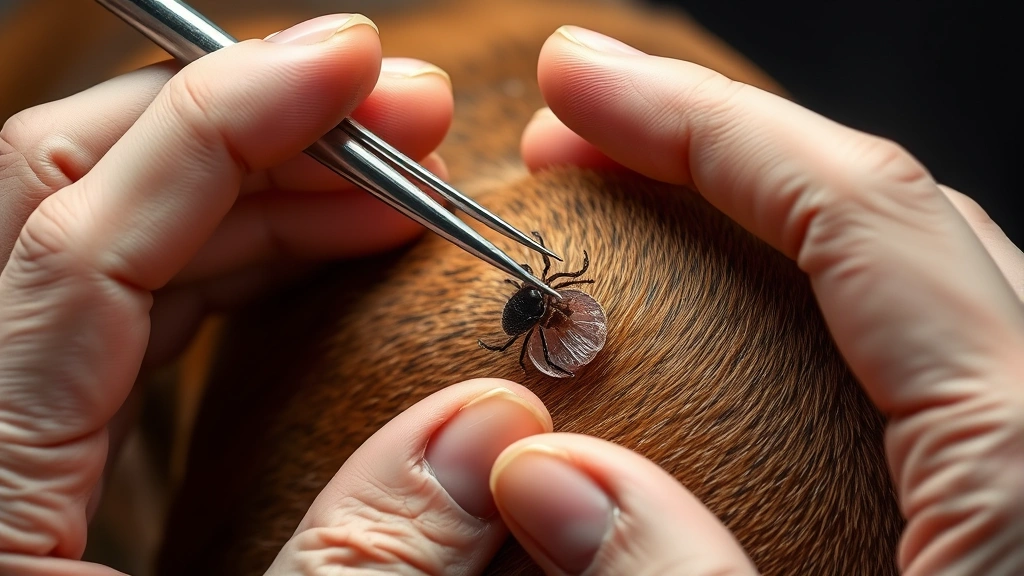
This means if you remove a tick within the first day or two, you’ve significantly reduced disease risk. This is why prompt removal is so crucial. The CDC recommends removing ticks as soon as you spot them, using fine-tipped tweezers to grasp the tick as close to the skin as possible and pulling straight out.
Factors That Affect How Long Ticks Survive on Dogs
Several variables influence tick longevity on your dog:
Species: Different tick species have different lifespans. Deer ticks (which transmit Lyme disease) are smaller and harder to spot but may not survive as long as larger dog ticks.
Life Stage: Adult ticks live longer than nymphs or larvae on a host. An adult female tick might stay for 3 weeks, while a larva might drop off in 3 days.
Your Dog’s Immune Response: A healthy dog with a strong immune system might dislodge ticks faster than a compromised one. This is where skin and coat health foods can play a supporting role in overall immunity.
Grooming Habits: Dogs that groom themselves frequently might remove ticks before they fully establish. Long-haired dogs might not notice ticks as quickly, allowing them to feed longer.
Environmental Conditions: Temperature and humidity affect tick activity. Ticks are more active in warmer months and can survive longer in humid conditions.
Preventing Long-Term Tick Infestations on Your Dog
Since we now know how long ticks can survive on your dog, prevention becomes your best defense. There are several effective options:
Topical Treatments: Monthly applications of products like Frontline, Advantage, or Seresto collars kill ticks on contact or shortly after attachment.
Oral Medications: Prescription options like Simparica or NexGard are highly effective and convenient.
Natural Approaches: While less scientifically proven, some pet owners use cedar oil sprays or diatomaceous earth. However, these should never replace veterinary-recommended prevention.
Regular Checks: During tick season, inspect your dog daily, especially in warm areas like the armpits, groin, ears, and between the toes.
What to Do If You Find a Tick on Your Dog
Finding a tick demands immediate action, but do it correctly:
1. Don’t panic (easier said than done, we know)
2. Use fine-tipped tweezers to grasp the tick as close to the skin as possible
3. Pull straight out with steady pressure—don’t twist or jerk
4. Don’t crush it with your bare hands; place it in a sealed container or bag
5. Clean the area with antiseptic and wash your hands

6. Save the tick in case your dog shows symptoms of illness later (your vet might want to identify the species)
Avoid old-school methods like applying petroleum jelly, nail polish, or heat—these can cause the tick to regurgitate pathogens into your dog, increasing infection risk.
Seasonal Considerations: When Ticks Are Most Active
While ticks can survive year-round in many climates, they’re most active during spring and fall when temperatures are mild. In warmer climates, tick season might extend nearly year-round.
This means your prevention strategy should adjust seasonally. Winter might offer a brief respite in colder regions, but indoor heating creates ideal conditions for ticks to survive in your home, so vigilance remains necessary.
Frequently Asked Questions
Can a tick live on a dog forever?
No, ticks cannot live on a dog indefinitely. Adult ticks typically drop off after 3-10 days of feeding (sometimes up to 3 weeks), but this doesn’t mean you’re safe—they’ll likely lay thousands of eggs in your home or yard.
How quickly can a tick transmit disease to my dog?
Most tick-borne diseases require 24-48 hours of feeding before transmission occurs. This is why removing ticks within the first day significantly reduces disease risk.
What’s the best way to prevent ticks on my dog?
Veterinary-recommended prevention methods like topical treatments, oral medications, or collars are most effective. Combine these with regular grooming and tick checks, especially during peak seasons.
Can I get a tick infection from my dog?
You can’t catch a tick-borne disease directly from your dog, but you can get infected if an infected tick bites you. Always use proper removal techniques and avoid crushing ticks with bare hands.
Do all ticks carry diseases?
Not all ticks carry pathogens, but many do, and you can’t tell by looking. This is why removal and prevention are so important—you’re protecting against the possibility of disease transmission.
How long do ticks live in my house?
Unfed ticks can survive in your home for several months to over a year in the right conditions. This is why treating your home environment is as important as treating your dog.
The Bottom Line: Tick Vigilance Saves Lives
So, how long can a tick live on a dog? The answer is anywhere from a few days to three weeks, depending on the species and life stage. But the real takeaway isn’t just about duration—it’s about prevention and prompt removal.
Every day a tick remains on your dog is another day disease transmission risk increases. By understanding tick lifecycles, maintaining preventive treatments, and performing regular checks, you’re taking control of your dog’s health. Combine this with awareness of harmful foods for dogs and overall wellness practices, and you’re building a comprehensive health strategy for your furry friend.
Remember: an ounce of prevention (and a pair of tweezers) is worth a pound of cure when it comes to ticks. Your dog will thank you, and you’ll sleep better knowing you’re protecting them from these disease-carrying parasites.





