

So you’re wondering how long can dog go without food? Well, buckle up because the answer isn’t as straightforward as you might think. Dogs aren’t exactly built like camels, but they’re surprisingly resilient creatures when it comes to skipping meals. Let’s dive into what you actually need to know before your pup stages a dramatic hunger strike in the kitchen.
Table of Contents
- The Short Answer: How Long Can Dogs Really Go Without Eating?
- Why Puppies and Senior Dogs Are Different Animals
- Water: The Secret Ingredient Nobody Talks About
- What Happens to Your Dog’s Body During Food Deprivation
- Medical Fasting: When Vets Intentionally Skip Meals
- Signs Your Dog Is Actually Hungry (Beyond the Dramatic Performance)
- Underlying Health Conditions That Change Everything
- Accidental Food Deprivation: When Life Happens
- Intentional Fasting and Detox Diets: The Controversial Stuff
- Emergency Situations: When Your Dog Can’t Access Food
- Frequently Asked Questions
- The Bottom Line: Feed Your Dog Regularly
The Short Answer: How Long Can Dogs Really Go Without Eating?
Here’s the deal: most healthy adult dogs can survive about 5-7 days without food, assuming they have access to water. Some sources push it to 10 days in extreme circumstances. However—and this is a big however—just because they *can* doesn’t mean they *should*. Think of it like how humans can technically survive on ramen for a week, but nobody’s recommending it as a wellness strategy.
The real timeline depends heavily on your dog’s age, size, health status, and overall fitness level. A chunky Labrador with some reserves might manage longer than a lean Border Collie. And puppies? They’re basically tiny furry bottomless pits that need food constantly.
Why Puppies and Senior Dogs Are Different Animals
Puppies are metabolic little tornadoes. They burn calories like they’re training for the Puppy Olympics. Puppies can only go about 4-6 hours without food before their blood sugar tanks and they get cranky (or worse, hypoglycemic). They need to eat 3-4 times daily until they’re around 6 months old.
Senior dogs, on the flip side, have slower metabolisms but often have underlying health issues that complicate things. A 12-year-old dog with kidney disease or diabetes has a much shorter safe fasting window than a spry 3-year-old. Always consult your vet about your aging pup’s specific needs.
Water: The Secret Ingredient Nobody Talks About
While we’re discussing how long dogs can go without food, let’s pump the brakes and talk about water. Your dog can survive way longer without food than without water. Dehydration is legitimately dangerous and can cause organ failure in just 48-72 hours. If your dog isn’t eating, make absolutely sure they’re drinking water. If they’re refusing both food and water, that’s an emergency vet visit, not a “let’s see what happens” situation.
What Happens to Your Dog’s Body During Food Deprivation
When dogs fast, their bodies go through a predictable sequence of events. In the first 24 hours, they’ll use up their glycogen stores (stored carbs). By day 2-3, they’re breaking down muscle and fat for energy. This is why prolonged fasting without medical supervision is genuinely harmful—your dog literally starts eating their own muscles.
After about 5-7 days, things get serious. Their immune system tanks, organ function declines, and they become vulnerable to infections. This is why forced fasting (beyond what a vet recommends for medical procedures) is considered animal neglect in many jurisdictions.
Medical Fasting: When Vets Intentionally Skip Meals
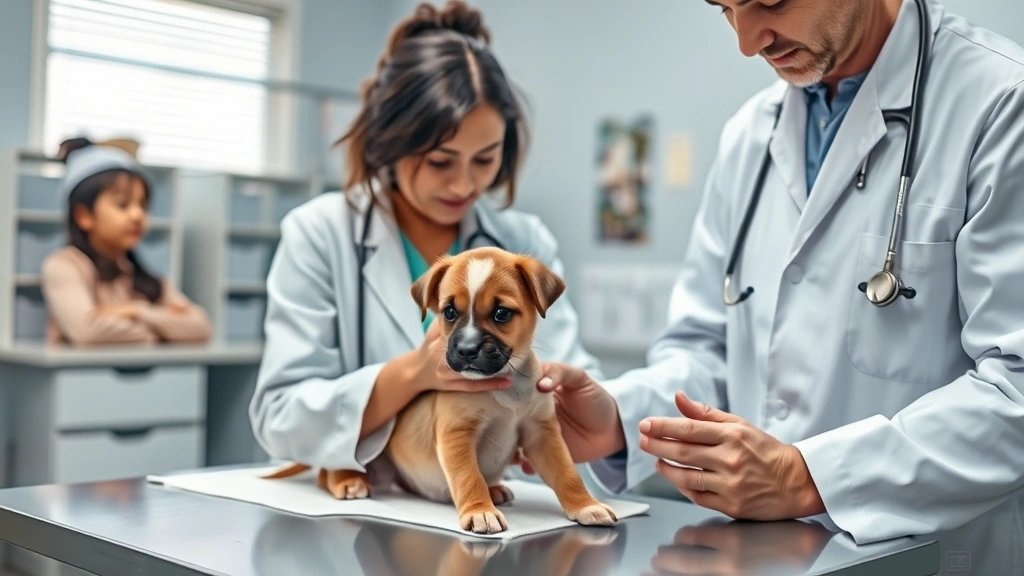
Here’s where it gets interesting: vets sometimes intentionally have dogs fast, and it’s totally fine. Before surgery, your dog might need to fast for 6-12 hours to prevent complications during anesthesia. Some diagnostic tests require fasting. Your vet might recommend fasting for certain GI issues. These are controlled situations with professional oversight, and they’re completely different from accidental food deprivation.
Signs Your Dog Is Actually Hungry (Beyond the Dramatic Performance)
Dogs are Oscar-worthy actors when it comes to convincing you they’re starving. But there’s a difference between “I haven’t eaten in 4 hours and I’m dying” and actual hunger distress. Real signs of problematic hunger include lethargy, weakness, difficulty standing, or behavioral changes. If your dog is just staring at you with sad eyes while you eat dinner, congratulations—you have a normal dog. That’s not a medical emergency; that’s just Tuesday.
Check out our guide on Human Food Portion Sizes for Pets to make sure you’re not accidentally overfeeding or underfeeding your pup during regular meals.
Underlying Health Conditions That Change Everything
Some dogs have medical conditions that make fasting dangerous. Diabetic dogs need consistent meal timing to match their insulin injections. Hypoglycemic dogs (especially small breeds) can crash hard if they miss meals. Dogs with liver disease, kidney disease, or cancer have different nutritional needs and fasting tolerances. If your dog has any health issues, talk to your vet about their specific fasting safety window.
For more information on managing nutrition with specific conditions, see our article on Human Foods for Pets with Liver Disease.
Accidental Food Deprivation: When Life Happens
Let’s be real: sometimes life gets messy. Your dog escapes and you can’t find them for a day. You’re traveling and your dog gets too anxious to eat. You forget to pack their food on a camping trip (whoops). These things happen, and if your dog is otherwise healthy, a missed meal or two isn’t going to cause permanent damage. Your dog might be grumpy, but they’ll survive.
However, if your dog goes more than 48 hours without food, or if they’re refusing food AND water, that’s when you need to involve a veterinarian. Don’t wait around hoping it resolves itself.
Intentional Fasting and Detox Diets: The Controversial Stuff
Some pet owners swear by intermittent fasting or periodic “detox” days for their dogs. The science here is… mixed. Some vets think occasional fasting can be beneficial (mimicking how wild dogs eat sporadically). Others think it’s unnecessary and potentially harmful. If you’re interested in fasting protocols, talk to your vet first. Don’t just decide your dog needs a cleanse based on something you read on a wellness blog.
Also, make sure you’re feeding quality food in the first place. Check out Pet Food Safety to ensure your dog’s regular meals are actually nutritious.
Emergency Situations: When Your Dog Can’t Access Food
If your dog is trapped, lost, or in a disaster situation, knowing they can survive 5-7 days without food is somewhat comforting, but it’s not a reason to relax. Dehydration is still the bigger threat, and stress itself can cause serious health problems. If your dog is missing, search immediately. If they’re trapped, work on rescue. Don’t assume they’ll just “be fine” for a week.
For prevention, make sure you know what foods are dangerous in case your dog accidentally eats something toxic. See What Not to Feed Your Dog for a comprehensive list.

Frequently Asked Questions
Can a dog die from not eating for a week?
Possibly, yes. While some dogs might physically survive 7 days without food, it causes serious organ stress and immune system collapse. By day 5-7, your dog is in real danger. This isn’t a safe situation to test.
What should I do if my dog refuses to eat?
First, stay calm. Try offering different foods, warming up wet food, or hand-feeding. If your dog refuses food for more than 24 hours, contact your vet. Appetite loss can indicate illness, stress, or dental problems—all things that need professional attention.
Is it okay to skip meals for weight loss?
No. Skipping meals is not a healthy weight loss strategy for dogs. Work with your vet on a proper diet plan, portion control, and exercise routine. Fasting can actually slow metabolism and cause muscle loss instead of fat loss.
How long can dogs go without food during surgery?
Pre-surgery fasting is typically 6-12 hours depending on your dog’s age and the type of surgery. Your vet will give you specific instructions. This controlled fasting is safe because it’s brief and medically necessary.
Do dogs need to eat every day?
Yes, healthy adult dogs should eat at least once daily, though twice daily is more common. Puppies need multiple meals. Senior dogs might benefit from smaller, more frequent meals. Skipping days isn’t recommended for regular practice.
The Bottom Line: Feed Your Dog Regularly
So, how long can dog go without food? Technically, 5-7 days for a healthy adult. Realistically? Don’t test it. Your dog’s body needs consistent fuel to maintain muscle, support immune function, and keep their organs happy. Accidental food deprivation for a day or two won’t cause lasting damage, but intentional or prolonged fasting (outside of vet-supervised situations) is unnecessary and potentially harmful.
Keep your dog on a regular feeding schedule, make sure they always have access to fresh water, and if you ever notice they’re not eating, reach out to your vet. Your dog depends on you for their nutrition, and they’re counting on you to keep them fed and healthy. Plus, let’s be honest—a well-fed dog is a happy dog, and a happy dog makes life infinitely better.
Authoritative Sources: This article incorporates information from the American Kennel Club (AKC) guidelines on canine nutrition, PetMD’s veterinary resources on fasting and food deprivation, and veterinary science research from UC Davis School of Veterinary Medicine.





