
As a dog owner, you’ve probably wondered just how long your furry companion can hold their bladder. Whether you’re stuck in traffic, working late, or planning a long trip, understanding your dog’s bathroom needs is crucial for their health and comfort. The answer isn’t as straightforward as you might think – it depends on several factors including age, size, health status, and training.
The ability to control urination is a complex physiological process that varies significantly between individual dogs. While some dogs can hold their pee for impressive lengths of time, others may need more frequent bathroom breaks. Understanding these differences can help you provide better care for your pet and avoid uncomfortable situations or potential health issues.
General Guidelines for Dogs Holding Their Pee
Most healthy adult dogs can hold their urine for 6-8 hours under normal circumstances. However, this is a general guideline and shouldn’t be considered a hard rule. The American Kennel Club recommends that dogs should have the opportunity to relieve themselves every 4-6 hours for optimal comfort and health.
The “one hour per month of age” rule is commonly cited for puppies, meaning a 3-month-old puppy should be able to hold their bladder for approximately 3 hours. This rule applies up to about 8-10 months of age, after which adult guidelines become more relevant. However, even adult dogs benefit from more frequent bathroom breaks than their maximum capacity allows.
It’s important to note that just because a dog can hold their pee for extended periods doesn’t mean they should. Regular bathroom breaks are essential for maintaining proper urinary tract health and preventing behavioral issues. Dogs that are forced to hold their urine for too long may develop anxiety, destructive behaviors, or even medical complications.

How Age Affects Bladder Control
Age plays a crucial role in determining how long dogs can hold their pee. Puppies under 6 months old have very limited bladder control due to their underdeveloped urinary systems and smaller bladder capacity. During the early weeks of life, puppies may need to urinate every 1-2 hours, making house training a constant process.
As puppies grow, their bladder control gradually improves. By 4-6 months of age, most puppies can hold their urine for 4-5 hours during the day, though nighttime control may take longer to develop. The American Veterinary Medical Association emphasizes that patience and consistency are key during this developmental period.
Senior dogs, typically those over 7-10 years old depending on their size, may experience decreased bladder control due to age-related changes. Muscle weakness, cognitive decline, and various health conditions can affect their ability to hold urine for extended periods. Similar to how nutritional needs change with age, bathroom schedules often need adjustment for older dogs.
Senior dogs may need more frequent bathroom breaks, sometimes every 2-4 hours, to maintain comfort and prevent accidents. This isn’t necessarily a sign of illness but rather a natural part of the aging process that requires understanding and accommodation from their owners.
Size and Breed Considerations
The size of your dog significantly impacts their bladder capacity and control abilities. Smaller dogs generally have smaller bladders relative to their body size, which means they need to urinate more frequently than larger dogs. A Chihuahua’s bladder can only hold a fraction of what a Great Dane’s can accommodate.
Toy breeds like Yorkshire Terriers, Pomeranians, and Maltese often need bathroom breaks every 2-4 hours, even as adults. Their fast metabolisms and small bladder capacity make them less suitable for households where they might be left alone for 8+ hours regularly. These breeds may also be more prone to house training challenges due to their physical limitations.
Large breed dogs typically have better bladder control and can hold their urine for longer periods. Breeds like German Shepherds, Labrador Retrievers, and Golden Retrievers can often manage 6-8 hours comfortably. However, giant breeds may actually need more frequent breaks due to their massive size and corresponding bladder pressure.
Certain breeds have specific considerations that affect their bathroom habits. Brachycephalic breeds (those with flat faces) may drink more water due to breathing difficulties, leading to more frequent urination. Working breeds with high energy levels may also have different needs compared to more sedentary companion breeds.
Health Impacts of Holding Urine Too Long
Forcing dogs to hold their urine for extended periods can lead to serious health consequences. The most common issue is urinary tract infections (UTIs), which occur when bacteria multiply in stagnant urine. Research published in veterinary journals shows that prolonged urine retention increases the risk of bacterial growth and infection.
Bladder stones are another potential complication of infrequent urination. When urine sits in the bladder for too long, minerals can crystallize and form stones, which can be extremely painful and may require surgical removal. These stones can also block the urinary tract, creating a life-threatening emergency.
Kidney problems can develop when dogs consistently hold their urine for too long. The kidneys work to filter waste from the blood, and when urine isn’t regularly expelled, toxins can build up in the system. This can lead to kidney damage over time, particularly in older dogs or those with existing health conditions.

Just as understanding reproductive health is important for female dogs, maintaining proper urinary health is crucial for all dogs regardless of gender. Behavioral issues can also arise when dogs are forced to hold their urine too long, including anxiety, destructive behavior, and house training regression.
Warning Signs Your Dog Needs to Go
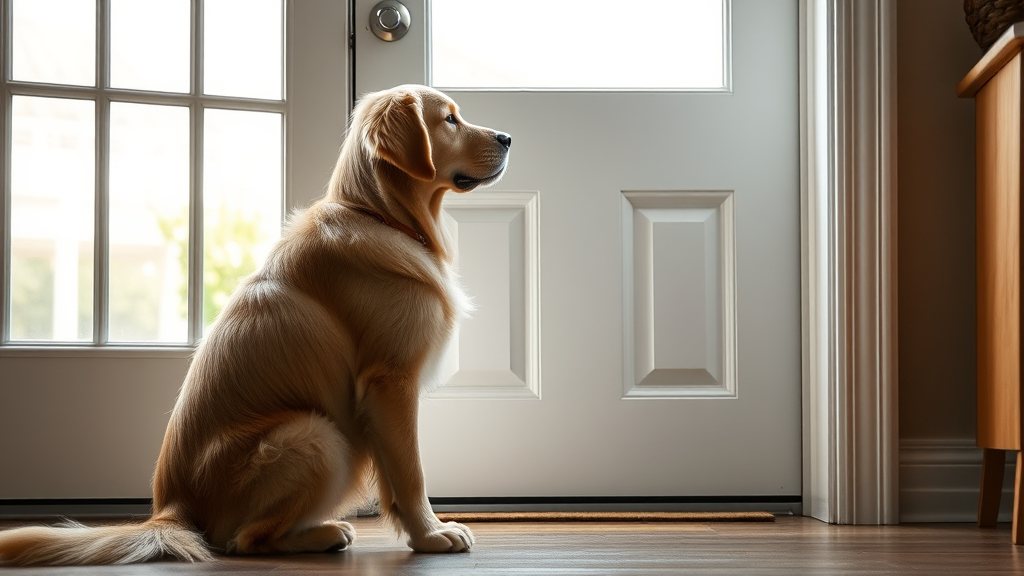
Recognizing the signs that your dog needs to urinate is essential for preventing accidents and maintaining their comfort. Common behavioral indicators include pacing, whining, scratching at doors, or repeatedly looking toward the exit. Some dogs may sit by the door or bring their leash to signal their need to go outside.
Physical signs can be more subtle but equally important to recognize. Frequent sniffing of the ground, circling behavior, or suddenly stopping during play or rest can indicate urgency. Some dogs may also display restlessness, inability to settle down, or frequent position changes when lying down.
More urgent signs that require immediate attention include leg lifting postures, squatting motions, or any actual leaking of urine. If you notice your dog straining to urinate, producing only small amounts of urine, or showing signs of pain during urination, these could indicate a medical emergency requiring veterinary attention.
Understanding your individual dog’s signals is crucial, as each dog may communicate their needs differently. Some dogs are very obvious in their communication, while others may be more subtle. Paying attention to your dog’s normal patterns and behaviors will help you recognize when they need to go out.
Training and Management Strategies
Establishing a consistent bathroom schedule is the foundation of good urinary health management. Most dogs benefit from bathroom breaks first thing in the morning, after meals, after naps, and before bedtime. The Humane Society recommends creating a routine that works with your schedule while meeting your dog’s needs.
For working dog owners, consider hiring a dog walker or pet sitter for midday breaks if you’re away for more than 6-8 hours. Dog daycare can also be an excellent option for social dogs, providing both bathroom breaks and mental stimulation. Some pet owners install dog doors to give their pets access to a secure yard when needed.
Crate training can be helpful for managing bathroom schedules, as dogs naturally avoid soiling their sleeping area. However, the crate should never be used to force a dog to hold their urine beyond their comfortable capacity. The crate should be appropriately sized – large enough for the dog to stand, turn around, and lie down, but not so large that they can eliminate in one corner.
Monitoring water intake can help predict bathroom needs, though water should never be restricted as a management strategy. Dogs need constant access to fresh water for proper health. Instead, pay attention to when your dog drinks large amounts and plan accordingly for bathroom breaks.
Special Circumstances and Exceptions
Certain situations may affect how long dogs can hold their pee beyond normal parameters. Illness, stress, medication, and environmental factors can all impact bladder control. Dogs taking diuretic medications or those with diabetes may need significantly more frequent bathroom breaks.
Female dogs in heat may have different bathroom habits due to hormonal changes. Understanding heat cycles can help you anticipate and accommodate these temporary changes in behavior and physical needs.
Pregnant dogs, especially in later stages of pregnancy, may need more frequent bathroom breaks due to pressure on the bladder from developing puppies. Similarly, dogs recovering from surgery or illness may have altered bathroom needs that require special attention and more frequent opportunities to eliminate.
Weather conditions can also impact bathroom habits. Some dogs may be reluctant to go outside in extreme weather, leading to longer holding periods followed by urgent needs. Having a covered outdoor area or training dogs to use different surfaces during severe weather can help maintain regular bathroom schedules.
Travel and changes in routine can disrupt normal bathroom patterns. Dogs may hold their urine longer in unfamiliar environments or when their normal schedule is disrupted. Planning for extra bathroom breaks during travel or major routine changes can prevent accidents and discomfort.
Frequently Asked Questions
How long can a healthy adult dog hold their pee overnight?
Most healthy adult dogs can hold their urine for 8-10 hours overnight while sleeping. Dogs naturally produce less urine during sleep, and their metabolism slows down, making longer periods between bathroom breaks manageable. However, senior dogs, puppies, or dogs with health issues may need nighttime bathroom breaks.
Is it harmful for dogs to hold their pee for 12+ hours?
Yes, regularly holding urine for 12+ hours can be harmful to dogs. While some dogs might manage this occasionally without immediate problems, consistent extended holding periods increase the risk of urinary tract infections, bladder stones, kidney problems, and behavioral issues. It’s best to provide bathroom breaks every 6-8 hours maximum for adult dogs.
Why can some dogs hold their pee longer than others?
Individual variation in bladder control depends on several factors including age, size, breed, health status, training, and genetics. Larger dogs typically have better control than smaller breeds, younger adult dogs usually have better control than puppies or seniors, and well-trained dogs may have better voluntary control than those with inconsistent training.
What should I do if my dog suddenly can’t hold their pee as long as usual?
Sudden changes in bladder control warrant veterinary attention, especially if accompanied by other symptoms like increased water consumption, straining to urinate, blood in urine, or signs of pain. These changes could indicate urinary tract infections, bladder stones, diabetes, or other medical conditions requiring treatment.
How can I help my puppy develop better bladder control?
Consistent scheduling, frequent bathroom breaks, positive reinforcement for appropriate elimination, and patience are key to developing bladder control in puppies. Take puppies out every 1-2 hours initially, immediately after eating, drinking, sleeping, or playing. Gradually increase intervals as they grow and demonstrate better control, following the “one hour per month of age” guideline.
Can diet affect how long dogs can hold their pee?
Yes, diet can significantly impact urination frequency. Foods high in sodium increase water consumption and urination. Wet foods contribute more fluid intake than dry foods. Proper feeding schedules can help predict bathroom needs. Some medical diets for kidney or bladder health may also affect urination patterns.
Should I wake up my dog for bathroom breaks during the night?
Generally, healthy adult dogs don’t need to be woken for bathroom breaks during the night. However, puppies under 6 months, senior dogs, dogs with medical conditions, or dogs taking certain medications may benefit from nighttime bathroom opportunities. Consult with your veterinarian about your specific dog’s needs.





