
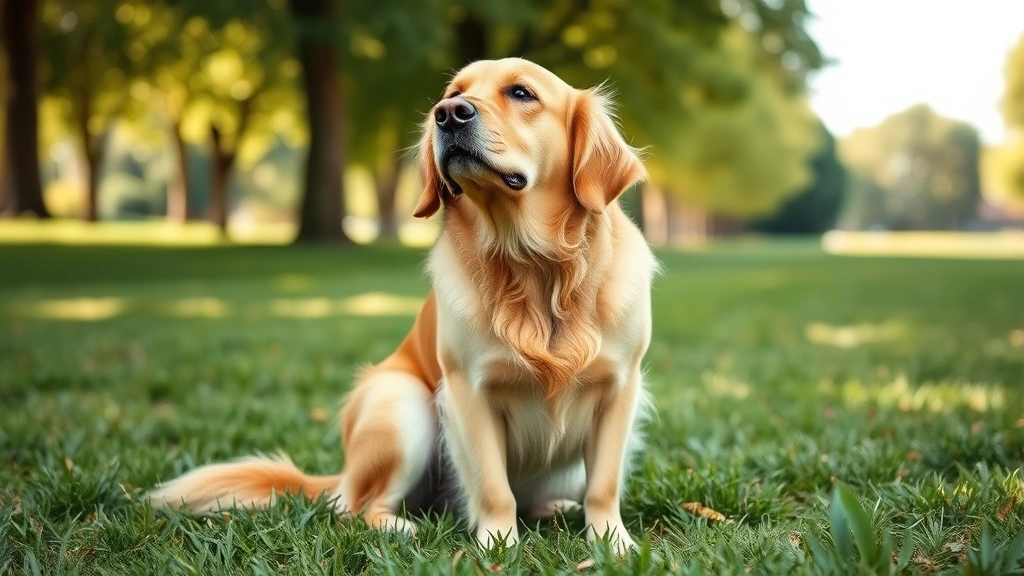
How Long Can Dogs Hold Their Poop? A Vet’s Insight
If you’ve ever wondered why your dog seems to have an iron bladder during that rainy afternoon but suddenly needs an emergency bathroom break during your favorite TV show, you’re not alone. Understanding your dog’s digestive system and bowel control is crucial for being a responsible pet parent. Unlike their bladder capacity, which we’ve covered in our guide to how long dogs can hold their pee, a dog’s ability to hold their poop is a bit more complicated and depends on several interconnected factors.
The truth is, dogs aren’t exactly designed to hold their bowel movements for extended periods the way they can with urination. While a healthy adult dog can technically hold their poop for 24-48 hours in emergency situations, regularly expecting them to do so can lead to serious health complications. Think of it like asking a human to skip the bathroom for two days straight—technically possible, but absolutely not recommended and potentially dangerous.
In this comprehensive guide, we’ll explore the science behind canine digestion, discover what factors influence your pup’s holding capacity, and learn when you should be concerned about changes in their bathroom habits. Whether you’re dealing with a puppy who seems to poop constantly or an adult dog with unpredictable bowel movements, we’ve got the answers you need.
How Long Can Dogs Actually Hold Their Poop?
Let’s get straight to the point: a healthy adult dog can hold their poop for approximately 24 to 48 hours in emergency situations. However, this doesn’t mean you should regularly test this limit. The average healthy adult dog typically poops once or twice daily, and most veterinarians recommend taking your dog out for bathroom breaks at least three to four times per day to maintain optimal digestive health.
According to the American Kennel Club, the frequency of bowel movements depends heavily on individual dogs, their diet, age, and overall health status. Some dogs naturally have faster metabolisms and need more frequent bathroom breaks, while others can go longer between trips. Understanding your own dog’s normal routine is essential for identifying when something might be wrong.
It’s worth noting that just because your dog can hold their poop for that long doesn’t mean they should. Regularly forcing dogs to hold their bowel movements can lead to constipation, impaction, and other serious digestive issues. It’s like any other biological function—your body has limits, and consistently ignoring those limits causes problems.
Understanding Your Dog’s Digestive System
To understand how long dogs can hold their poop, we need to peek inside their digestive tract. A dog’s digestive system is remarkably efficient but also quite different from ours. When your pup eats, food travels down the esophagus into the stomach, where it’s broken down by gastric juices. From there, it moves into the small intestine, where most nutrient absorption happens, and finally into the large intestine (colon).
The colon’s primary job is to absorb water from the stool and store feces until it’s time for elimination. The longer stool sits in the colon, the more water gets absorbed, which can lead to harder, drier stools. This is why constipated dogs often struggle to pass hard, uncomfortable poop. The entire digestive process in dogs typically takes between 6 to 8 hours, though this can vary based on diet, metabolism, and individual factors.
Dogs have a powerful anal sphincter muscle that gives them some voluntary control over bowel movements, especially once they’re past the puppy stage. This muscle is what allows house-trained dogs to hold their poop until they reach an appropriate bathroom spot. However, this control has limits, and the longer stool sits in the colon, the more uncomfortable and potentially harmful it becomes for your furry friend.
Factors That Affect Holding Capacity
Several factors influence how long your individual dog can comfortably hold their poop:
- Diet Composition: High-fiber diets typically result in more frequent bowel movements, while low-fiber diets may lead to less frequent pooping. The quality and digestibility of food matters significantly.
- Hydration Level: Dogs who drink more water tend to have softer stools and need more frequent bathroom breaks. Dehydration can lead to constipation and harder stools.
- Exercise and Activity: Physical activity stimulates the digestive system and bowel movements. A sedentary dog may go longer between poops than an active one.
- Stress and Anxiety: Just like humans, dogs’ digestive systems respond to stress. Anxious dogs may have more frequent or irregular bowel movements.
- Medications: Certain medications can affect digestion speed and bowel regularity.
- Metabolic Rate: Individual dogs have different metabolic rates, affecting how quickly food moves through their system.
- Time of Day: Many dogs develop circadian rhythms for their bathroom habits, often needing to poop at similar times daily.
Understanding these factors helps you recognize your dog’s individual needs and establish appropriate bathroom schedules. What works for your neighbor’s golden retriever might not work for your chihuahua.

Age Matters: Puppies vs. Adult Dogs
Age is one of the most significant factors affecting how long dogs can hold their poop. Puppies have virtually no holding capacity and need frequent bathroom breaks. Young puppies (8 to 12 weeks old) typically need to go out after eating, playing, sleeping, and every 2-3 hours during the day. This isn’t them being difficult—it’s simply their developing digestive and nervous systems not yet having the capacity for control.
By around 12 to 16 weeks, puppies can start holding their poop for slightly longer periods, typically about as many hours as their age in months (so a 4-month-old puppy might hold it for about 4-5 hours). This is why we’ve created a detailed resource on how often dogs poop, which breaks down these developmental stages.
Adult dogs (1-7 years old) have the best control and can hold their poop the longest, typically managing 24-48 hours if absolutely necessary. However, their comfort zone is usually pooping 1-2 times daily with bathroom breaks every 6-8 hours.
Senior dogs (7+ years) often experience changes in bowel control due to weakening muscles and potential health issues. Many senior dogs need more frequent bathroom breaks and may have less control, similar to puppies. If you notice your older dog suddenly needing more frequent trips outside, this is completely normal and nothing to be embarrassed about.
Health Conditions and Digestive Issues
Several health conditions can significantly affect your dog’s ability to hold their poop and their overall bowel habits. Inflammatory bowel disease (IBD), food allergies, and parasites can all cause more frequent bowel movements and urgency. If your dog suddenly starts needing bathroom breaks more frequently than usual, it’s worth investigating potential health issues.
Constipation is another common concern, and understanding how to help a constipated dog is essential knowledge for dog owners. Constipation occurs when stool moves too slowly through the colon or when dogs regularly hold their poop for too long. This can lead to hard, dry stools that are painful to pass and may require veterinary intervention.
On the flip side, diarrhea and loose stools can make it difficult for dogs to hold their poop at all. If your dog is experiencing digestive upset, check out our guides on why your dog might be having diarrhea and how to stop dog diarrhea. These conditions often require dietary adjustments and sometimes veterinary care.
According to the ASPCA, gastrointestinal issues are among the most common reasons dogs visit veterinarians. Dietary changes, stress, infections, and underlying health conditions can all disrupt normal bowel patterns. If you notice persistent changes in your dog’s pooping habits, consulting with your veterinarian is always the right move.
Some dogs benefit from dietary supplements or specific foods. For instance, whether dogs can eat pumpkin is a frequently asked question because pumpkin can help regulate both constipation and diarrhea. The soluble fiber in pumpkin can help normalize bowel movements, making it a popular home remedy that many vets recommend.
Training Your Dog for Better Control
While you can’t dramatically change your dog’s biological capacity to hold their poop, you can train them to have better control and more predictable bathroom habits. Here are some proven strategies:
- Establish a Consistent Schedule: Take your dog out at the same times each day. Most dogs develop circadian rhythms and will naturally need to go at similar times. Typical schedules include first thing in the morning, after meals, after playtime, and before bedtime.
- Use Positive Reinforcement: Praise and reward your dog immediately when they poop in the correct location. This builds positive associations with outdoor bathroom breaks.
- Choose a Designated Spot: Always take your dog to the same area for bathroom breaks. The familiar scent will trigger their natural instincts to eliminate.
- Monitor Feeding Times: Feed your dog at consistent times to create predictable digestion cycles. Most dogs poop within 30 minutes to 2 hours after eating.
- Increase Exercise: Regular physical activity stimulates digestion and helps regulate bowel movements. A tired dog is often a well-regulated dog.
- Watch for Signs: Learn to recognize your dog’s pre-poop signals, such as sniffing, circling, or whining, so you can get them outside in time.
Crate training can also be helpful for developing bowel control. Dogs naturally avoid soiling their sleeping area, so appropriate crate time can encourage better holding capacity. However, never leave a dog in a crate so long that they’re forced to have an accident—this defeats the purpose and damages house training progress.
Warning Signs of Digestive Problems
Knowing when to be concerned about your dog’s bowel habits is crucial for catching health problems early. Here are warning signs that warrant a veterinary visit:
- Sudden Changes in Frequency: If your dog suddenly needs to poop much more or less frequently than usual, something’s off. This could indicate dietary issues, parasites, infections, or other health problems.
- Straining or Difficulty: If your dog appears to be struggling, in pain, or straining excessively during bowel movements, contact your vet. This could indicate constipation, impaction, or other serious issues.
- Blood or Mucus: Any blood or excessive mucus in stool warrants immediate veterinary attention. This can indicate intestinal inflammation, parasites, or other concerns.
- Changes in Stool Consistency: Occasionally soft or hard stools happen, but persistent diarrhea or constipation needs addressing.
- Accidents in the House: If your previously house-trained dog is having accidents, this could indicate they’re losing control (possibly due to age or illness) or that they’re experiencing digestive distress.
- Loss of Appetite: Dogs who aren’t eating normally often have irregular bowel patterns. This can indicate various health issues.
- Excessive Licking of Anal Area: This might indicate anal gland issues, parasites, or other discomfort.
The University of Florida College of Veterinary Medicine emphasizes that changes in bowel habits are one of the first signs that something might be wrong with your dog’s health. When in doubt, it’s always better to have your vet check things out than to assume everything is fine.
Frequently Asked Questions
Can a dog’s ability to hold their poop be trained?
To some extent, yes. Through consistent schedules, positive reinforcement, and crate training, you can help your dog develop better control and more predictable habits. However, you can’t dramatically extend their biological capacity beyond what’s normal for their age and health status. Training is more about managing and predicting when your dog needs to go rather than extending their physical ability to hold it.
Is it normal for my dog to poop multiple times a day?
Absolutely. Most healthy dogs poop 1-3 times daily, and this is completely normal. Some dogs naturally have faster metabolisms or eat larger meals, resulting in more frequent bowel movements. As long as your dog’s stools are formed (not diarrhea) and they seem comfortable, multiple daily poops are nothing to worry about.
What should I do if my dog hasn’t pooped in 24 hours?
If your dog hasn’t had a bowel movement in 24 hours and seems uncomfortable, this could indicate constipation. Encourage drinking water, increase exercise, and consider adding fiber to their diet. If they don’t poop within another 12-24 hours or show signs of distress, contact your veterinarian. Prolonged constipation can become serious.
Why does my dog sometimes poop more frequently?
Increased pooping frequency can result from several factors: dietary changes, increased water intake, stress, exercise levels, or underlying health issues like parasites or food sensitivities. If the increased frequency persists for more than a few days, it’s worth investigating with your vet.
Can diet changes affect how long my dog can hold their poop?
Definitely. Diet significantly impacts bowel movements. High-fiber diets typically increase bowel frequency, while low-fiber diets may reduce it. Sudden diet changes can cause temporary digestive upset. Always transition to new food gradually over 7-10 days to minimize disruption to your dog’s digestive system.
Is it okay to leave my dog alone for 8 hours?
For most adult dogs, 8 hours alone occasionally is manageable, though not ideal for daily routine. However, this depends on your dog’s age, health, and individual needs. Puppies and senior dogs may struggle with this timeframe. If you regularly work long hours, consider hiring a dog walker or using doggy daycare to provide midday bathroom breaks.
How does diet affect my dog’s pooping schedule?
Diet is one of the biggest factors affecting bowel regularity. The type of food (dry kibble vs. wet food), fiber content, fat content, and overall digestibility all influence how quickly food moves through your dog’s system and how often they need to poop. High-quality, easily digestible foods typically result in better bowel control and more predictable schedules.





