
How Long Can You Leave a Dog Alone? Expert Insights
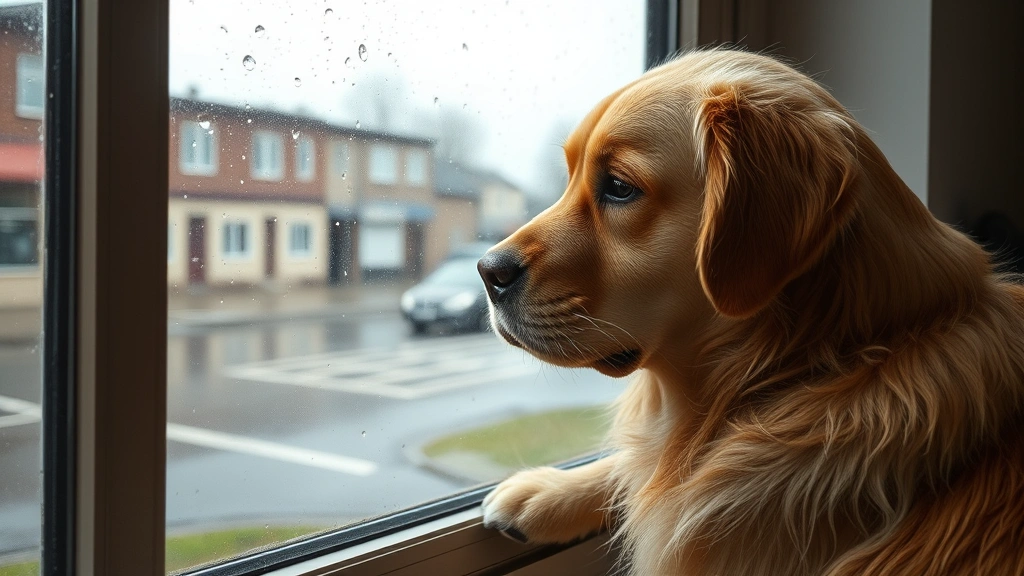
If you’re a dog parent juggling work, errands, and social commitments, you’ve probably wondered: How long can I actually leave my furry friend alone? It’s one of those questions that doesn’t have a one-size-fits-all answer, but don’t worry—we’re here to help you navigate this common pet parent dilemma with expert guidance and practical solutions.
The truth is, leaving your dog alone for extended periods can lead to anxiety, behavioral issues, and even health problems if not managed properly. Your pup depends on you not just for food and water, but for companionship, bathroom breaks, and mental stimulation. Understanding the limits of solo time is crucial for maintaining your dog’s physical and emotional wellbeing.
In this comprehensive guide, we’ll explore how long different dogs can handle alone time, what factors influence this duration, and what strategies you can implement to keep your pooch happy and healthy while you’re away.
Age Matters: Understanding Your Dog’s Life Stage
Your dog’s age is perhaps the most significant factor in determining how long they can safely stay alone. Puppies, adult dogs, and senior dogs all have vastly different needs and capabilities.
Puppies (8 weeks to 6 months): Young puppies have bladders the size of walnuts and absolutely cannot hold it for long periods. A general rule of thumb is that puppies can hold their bladder for one hour per month of age, plus one. So a three-month-old puppy can typically hold it for about four hours. Beyond this, accidents become inevitable. Puppies also require frequent feeding schedules, socialization, and supervision for safety reasons.
Young Adults (1-3 years): Once your dog reaches adulthood, they develop better bladder control and can typically handle 4-6 hours alone comfortably. However, this is the age group most prone to destructive behavior and anxiety-related issues if left alone too frequently. They have tons of energy and need mental stimulation.
Mature Adults (3-7 years): Most healthy adult dogs in this range can handle 6-8 hours alone without significant issues, though this varies by individual temperament and training. This is generally considered the “sweet spot” for canine independence.
Senior Dogs (7+ years): Older dogs often cannot hold their bladder as long as younger adults and may need bathroom breaks every 4-6 hours. They also may experience anxiety more acutely and could have health conditions requiring medication or monitoring.
General Guidelines for Alone Time
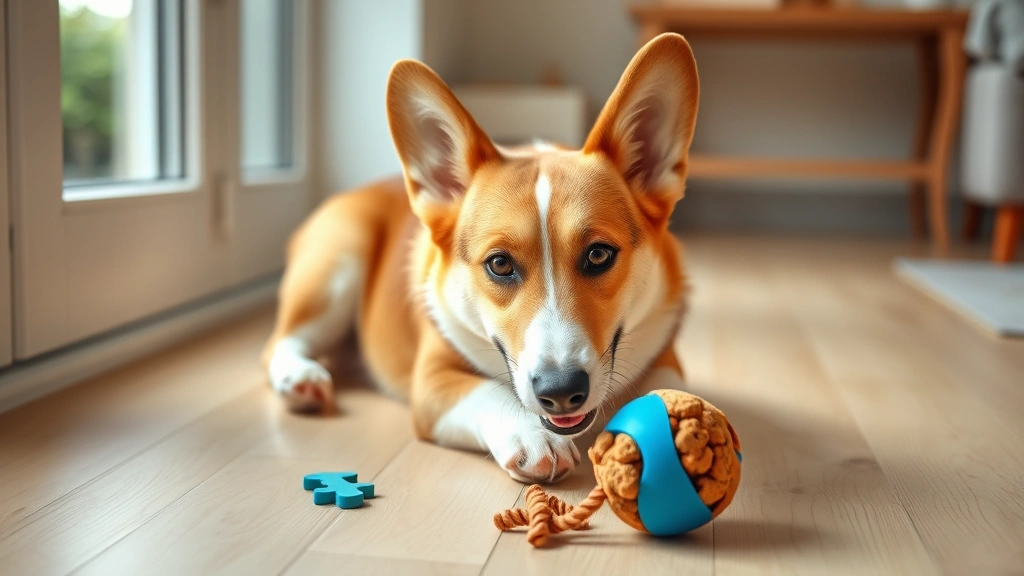
The ASPCA recommends that dogs shouldn’t be left alone for more than 8-10 hours at a time, though many experts suggest shorter periods are ideal. Here’s a practical breakdown:
- Puppies: Maximum 1-2 hours (or one hour per month of age plus one)
- Young dogs: Maximum 4-6 hours
- Adult dogs: Maximum 6-8 hours
- Senior dogs: Maximum 4-6 hours
However, these are maximum recommendations, not targets. Just because your dog can hold it for eight hours doesn’t mean they should be left alone that frequently. Dogs are social creatures who thrive on interaction and routine.
Understanding how long dogs can hold their pee is essential for preventing accidents and urinary tract issues. Regular bathroom breaks aren’t just about preventing accidents—they’re about maintaining your dog’s health and comfort.
Factors That Affect How Long Dogs Can Be Alone
Beyond age, several other factors determine your dog’s ability to handle solo time:
Breed Characteristics: Some breeds are naturally more independent than others. Siberian Huskies and Alaskan Malamutes were bred to work independently, while companion breeds like Cavalier King Charles Spaniels and Bichon Frises are prone to separation anxiety. Breed tendencies matter, though individual personalities vary significantly.
Temperament and Personality: Some dogs are naturally more anxious or clingy than others. A dog with an easygoing temperament might handle alone time better than a neurotic pup, regardless of breed.
Training and Socialization: Dogs trained to be independent from puppyhood typically handle alone time better. Gradual desensitization to your absence makes a huge difference in their confidence.
Health Status: Dogs with medical conditions, incontinence issues, or medications requiring regular administration may need more frequent check-ins. Discuss your specific situation with your veterinarian.
Exercise and Mental Stimulation: A well-exercised dog with adequate mental enrichment is far more likely to rest peacefully while alone. A bored, under-stimulated dog is more likely to develop destructive behaviors or anxiety.
Previous Experiences: Dogs with abandonment trauma or negative past experiences may struggle more with alone time than dogs with secure attachment histories.
Signs Your Dog Is Struggling with Alone Time
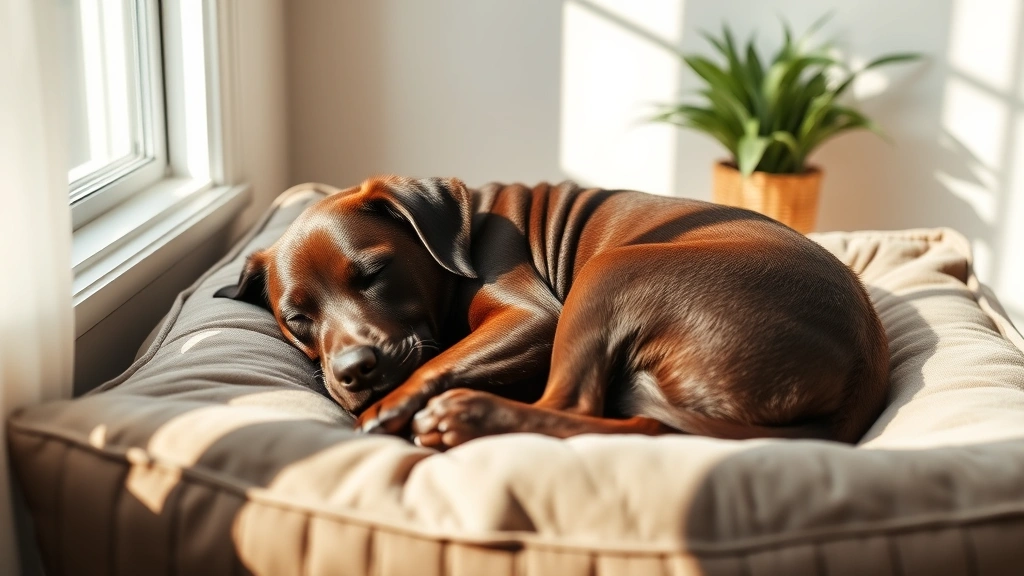
Your dog can’t tell you in words that they’re stressed, but they’ll show you through behavior. Watch for these warning signs:
- Excessive barking or howling when you leave
- Destructive behavior (chewing furniture, digging, destroying items)
- Accidents in the house despite being housetrained
- Pacing or restlessness
- Excessive paw licking or self-grooming
- Loss of appetite
- Vomiting or diarrhea
- Attempts to escape or self-injury
- Excessive salivation or drooling
- Greeting you with extreme excitement or anxiety upon return
These behaviors often indicate separation anxiety, which affects approximately 14% of dogs. If your dog displays these signs, consult with a veterinary behaviorist. The American Kennel Club provides excellent resources on managing separation anxiety.
Strategies to Help Your Dog Stay Home Alone
Gradual Desensitization: Don’t go from never leaving your dog to suddenly disappearing for eight hours. Start with short absences—even just stepping outside for a minute. Gradually increase duration over weeks and months. This builds your dog’s confidence that you always return.
Create a Safe Space: Designate a comfortable area where your dog feels secure. Many dogs appreciate a den-like space. Crate training an adult dog can provide this safe haven, though the crate should never be used as punishment.
Establish a Routine: Dogs thrive on predictability. Consistent schedules for feeding, walks, playtime, and alone time help dogs feel secure and know what to expect.
Exercise Before Departure: A tired dog is a well-behaved dog. A vigorous walk or play session before you leave helps burn energy and promotes restful sleep during your absence.
Provide Mental Enrichment: Leave puzzle toys, treat-dispensing toys, or frozen Kong toys to keep your dog mentally engaged. Rotate toys to maintain novelty and interest.
Use Calming Aids: Consider products like calming supplements, pheromone diffusers (like Adaptil), or anxiety wraps. Some dogs benefit from background music or white noise. Always consult your vet before using supplements.
Practice Departure Routines: Develop a calm departure ritual. Avoid emotional goodbyes or hellos—these can amplify anxiety. Simply leave matter-of-factly and return calmly.
Consider Professional Help: Dog walkers, pet sitters, or doggy daycare can break up long alone periods. Even a midday visit can make a tremendous difference in your dog’s wellbeing and prevent accidents.
Training Tips for Independence
Building independence takes time but pays dividends. Here’s how to train your dog to be comfortable alone:
Teach the “Place” Command: Train your dog to go to a specific spot (bed, crate, mat) on command. This gives them a job and a safe space when you leave.
Practice Separation: Even when home, occasionally close doors between you and your dog. Let them get used to being in different rooms without panic.
Reward Calm Behavior: When your dog remains calm during your departure preparations or brief absences, reward heavily. Ignore anxious behavior—don’t coddle or reassure a panicked dog, as this reinforces the anxiety.
Use Counterconditioning: Associate your departure with positive things. Put the leash on (normally associated with walks) but don’t leave. Put on your shoes but stay home. Eventually, these triggers won’t cause alarm.
Consult a Professional: A certified professional dog trainer or veterinary behaviorist can create a customized training plan for your specific dog. This investment often pays for itself by preventing destructive behavior.
It’s important to remember that leaving a dog alone frequently goes against their nature. Even well-trained dogs benefit from regular companionship and interaction. Understanding the specifics of your dog’s needs ensures you’re making the best decisions for their wellbeing.
If you’re concerned about your dog getting into trouble while alone or developing anxiety-related behaviors, professional intervention is worth considering. Prevention is always easier than correction.
For dogs with persistent behavioral issues during alone time, VCA Animal Hospitals offers comprehensive information on separation anxiety treatment options.
Frequently Asked Questions
Can I leave my dog alone for 12 hours?
Generally, no. Even healthy adult dogs shouldn’t regularly be left alone for 12 hours. This is too long for bathroom breaks and violates most dogs’ social needs. If 12-hour absences are necessary, arrange for a dog walker or pet sitter to provide midday care.
Is it cruel to leave my dog alone during work?
Not necessarily, if managed properly. Most adult dogs can handle 8 hours alone if they’re well-exercised, have bathroom breaks, and receive adequate evening attention. However, regularly exceeding this or doing it daily without breaks can be problematic for some dogs.
Will my dog get separation anxiety if I leave them alone?
Separation anxiety isn’t caused simply by leaving your dog alone. It’s a complex condition influenced by genetics, early experiences, and temperament. However, never leaving your dog alone or leaving them alone excessively without proper training can contribute to anxiety development.
What’s the best age to teach a dog to be alone?
Start young! Puppies as early as 8-12 weeks can begin learning to be alone for short periods. Gradual, positive exposure to alone time during puppyhood sets the foundation for adult independence.
Can I leave two dogs together instead of one?
Two dogs can provide companionship for each other, which some dogs appreciate. However, don’t assume two dogs are fine alone simply because they’re together. Each dog still needs bathroom breaks, and some dogs still develop separation anxiety even with a canine companion present.
Should I use a dog camera to monitor my dog?
Dog cameras can be helpful tools for monitoring your dog’s behavior and ensuring their safety. However, they shouldn’t replace proper training and management. Some dogs become more anxious when they sense you’re watching them.
What if my dog has accidents while alone?
Occasional accidents happen, especially during training. Never punish your dog for accidents when you weren’t home—they can’t make the connection between the punishment and the accident. Instead, focus on prevention: more frequent breaks, crate training, or professional help if needed.
Are there medications for separation anxiety?
Yes. Veterinarians can prescribe anti-anxiety medications in conjunction with behavior modification. Common options include SSRIs like fluoxetine. Medication works best when combined with training and environmental management.





