
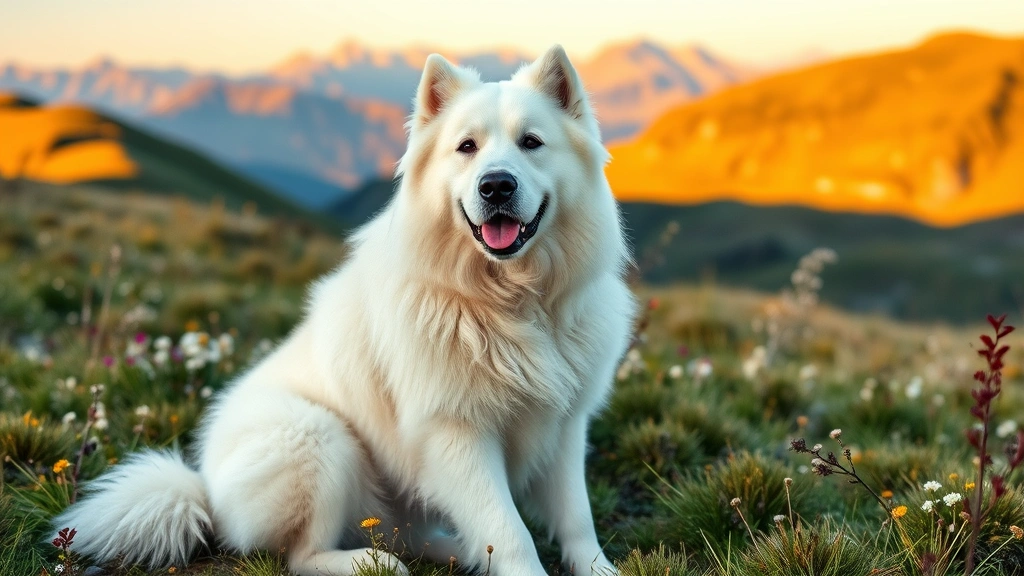
So you’re wondering how long do Pyrenees dogs live? Great Pyrenees typically live between 10 to 12 years, though some lucky pups stretch into their early teens with proper care and a little genetic fortune. If you’re considering bringing one of these majestic mountain dogs into your home, understanding their lifespan is crucial—it’s basically committing to a decade-plus of giant dog shenanigans, unconditional love, and enough shed fur to knit a second dog.
Table of Contents
- Understanding the Great Pyrenees Lifespan Expectancy
- Factors That Impact Great Pyrenees Life Expectancy
- Common Health Issues Affecting Pyrenees Longevity
- Nutrition’s Role in Extending Your Pyrenees’ Years
- Exercise and Activity Levels for Long-Living Pyrenees
- Preventive Healthcare: The Lifespan Multiplier
- Senior Pyrenees Care and Quality of Life
- Breed Comparison: How Pyrenees Stack Up
- Genetic Screening and Responsible Breeding
- Creating a Longevity Plan for Your Pyrenees
- Frequently Asked Questions
- Conclusion: Making the Most of Your Pyrenees’ Years
Understanding the Great Pyrenees Lifespan Expectancy
Great Pyrenees dogs are large breed dogs, and here’s the unfortunate truth: bigger dogs generally don’t live as long as their smaller cousins. A Great Pyrenees lifespan averages 10-12 years, which is pretty standard for dogs of their size. Some exceptional individuals have been known to reach 14 or even 15 years old, but that’s the exception rather than the rule. The breed was originally developed in the Pyrenees Mountains to guard livestock, so they’re built for strength and endurance rather than longevity.
Genetics play a massive role in how long your Pyrenees will stick around. If both parents lived well into their senior years, your pup has a better shot at doing the same. That’s why responsible breeders are worth their weight in gold—they’re actively working to extend the breed’s lifespan through selective breeding practices.
Factors That Impact Great Pyrenees Life Expectancy
Several controllable and uncontrollable factors influence how long your fluffy giant will be around. Diet is absolutely foundational. A high-quality diet rich in appropriate nutrients can add years to your dog’s life. Check out our Pet Nutrition Advice for specific guidance on feeding your Pyrenees properly throughout their life stages.
Exercise and weight management are equally critical. Overweight Pyrenees develop joint problems, heart disease, and diabetes faster than their lean counterparts. These large breed dogs need regular, moderate exercise—not extreme athletic activities that stress their joints. A daily walk around the neighborhood beats weekend marathon hikes for longevity.
Healthcare matters tremendously. Regular veterinary checkups catch problems early when they’re most treatable. Modern preventive medicine has extended the average lifespan of many dog breeds, and your Pyrenees benefits from this advancement. Consider utilizing Telehealth Vet Appointments for convenient routine consultations and health monitoring.
Common Health Issues Affecting Pyrenees Longevity
Great Pyrenees are prone to certain breed-specific health conditions that can impact their lifespan. Hip dysplasia is extremely common in large breed dogs, including Pyrenees. This degenerative joint condition causes pain and mobility issues as dogs age. Responsible breeders screen parents for hip dysplasia before breeding.
Heart disease, particularly dilated cardiomyopathy, affects many large dogs. This condition weakens the heart muscle and can be life-threatening. Bloat (gastric dilatation-volvulus) is another serious concern—it’s a medical emergency that can be fatal if not treated immediately. Feeding smaller meals throughout the day rather than one large meal can help reduce bloat risk.
Bone and joint issues naturally develop as these massive dogs age. Arthritis becomes increasingly common in senior Pyrenees. Elbow dysplasia, osteosarcoma (bone cancer), and other orthopedic problems can shorten lifespan if not managed carefully. Maintaining healthy weight and appropriate exercise throughout life significantly reduces these risks.
Nutrition’s Role in Extending Your Pyrenees’ Years
What you feed your Great Pyrenees directly impacts how long they’ll live. Large breed puppies need specially formulated food with controlled calcium and phosphorus levels to support proper bone development without promoting too-rapid growth. Feeding them adult food too early or regular dog food formulated for all sizes can cause developmental orthopedic disease.
Senior Pyrenees benefit from diets adjusted for their changing metabolism. Lower calories help prevent obesity, while higher fiber aids digestion. Joint-supporting supplements like glucosamine and chondroitin can help manage arthritis pain. Consider exploring Sustainable Dog Food options that provide nutrition without unnecessary fillers or by-products.
Hydration is often overlooked but absolutely essential. Fresh water should always be available. Some senior dogs don’t drink enough, leading to kidney issues and other complications. Wet food or adding water to kibble can help increase fluid intake in older Pyrenees.

Exercise and Activity Levels for Long-Living Pyrenees
Great Pyrenees were bred to work independently, guarding flocks across mountain terrain. They need regular exercise, but not the intense, high-impact activities that smaller, more athletic breeds thrive on. A 30-45 minute daily walk is ideal for most adult Pyrenees.
Swimming is excellent for large breed dogs because it provides cardiovascular benefits without stressing joints. If you have access to a pool or dog-friendly beach, your Pyrenees will likely love it—and their joints will thank you. Mental stimulation matters too. Puzzle toys, scent work, and training sessions keep older dogs mentally sharp and engaged.
Avoid activities that put excessive stress on joints, especially in puppies and senior dogs. No extreme jumping, running on hard surfaces for extended periods, or activities that involve sudden directional changes. Moderate, consistent exercise throughout life is the sweet spot for longevity.
Preventive Healthcare: The Lifespan Multiplier
Regular veterinary care is perhaps the single most important factor in extending your Pyrenees’ lifespan. Annual checkups for younger dogs and twice-yearly visits for seniors catch problems early. Dental care is criminally overlooked—poor dental health leads to systemic infections that can shorten lifespan significantly.
Vaccinations protect against preventable diseases. Parasite prevention (fleas, ticks, heartworms, intestinal parasites) is non-negotiable. Spaying or neutering reduces the risk of certain cancers and eliminates reproductive system diseases. These preventive measures add real years to your dog’s life.
Monitoring tools have evolved dramatically. Remote Pet Health Monitoring devices can track vital signs and alert you to potential issues before they become emergencies. Early detection of heart problems, irregular rhythms, or other conditions can be genuinely lifesaving.
Senior Pyrenees Care and Quality of Life
As your Great Pyrenees enters their senior years (typically around age 7-8 for large breeds), their care needs shift. Orthopedic beds support aging joints. Ramps or steps help them access furniture and vehicles without straining hips and knees. Some seniors benefit from pain management medications that improve mobility and quality of life.
Cognitive dysfunction can affect older dogs, similar to dementia in humans. If your senior Pyrenees seems confused or disoriented, discuss this with your vet. Medications and supplements can sometimes help manage these symptoms. Keep their environment consistent and maintain routines—predictability is comforting for aging dogs.
Quality of life matters more than quantity in the senior years. If your Pyrenees is comfortable, eating well, and enjoying interaction with family, they’re living their best life. Some dogs with serious health conditions can still enjoy years of happy retirement with proper management.
Breed Comparison: How Pyrenees Stack Up
Compared to other large breed dogs, Great Pyrenees have a respectable lifespan. German Shepherds live 9-13 years, Labrador Retrievers 10-12 years, and Golden Retrievers 10-12 years. Smaller breeds typically live 12-18 years, so the Pyrenees’ 10-12 year average is consistent with their size category.
Some giant breeds like Great Danes and Saint Bernards live even shorter lives (7-10 years), so Pyrenees are actually doing relatively well. The breed’s mountain dog heritage means they’re built for function over longevity, but modern care has extended their average lifespan considerably compared to historical data.

Genetic Screening and Responsible Breeding
If you’re acquiring a Pyrenees, work with breeders who conduct health screening. The Orthopedic Foundation for Animals (OFA) and PennHIP test for hip and elbow dysplasia. Cardiac screening through echocardiograms identifies heart problems. Ophthalmologic exams catch eye diseases early.
Reputable breeders maintain health records and can discuss longevity in their lines. They’re transparent about genetic issues and won’t breed dogs with serious hereditary conditions. Yes, puppies from responsible breeders cost more upfront, but you’re investing in years of healthy companionship. Rescue organizations can also provide health history information for adult dogs.
Creating a Longevity Plan for Your Pyrenees
Developing a comprehensive health strategy early maximizes your dog’s lifespan. Start with a quality breeder or health assessment if adopting an adult dog. Establish a relationship with a trusted veterinarian. Follow breed-specific feeding recommendations for each life stage. Maintain consistent, appropriate exercise. Schedule regular health screenings. Keep dental health a priority. Monitor weight vigilantly.
Document your dog’s health history, medications, and any conditions. This information becomes invaluable as they age and helps new veterinarians understand their medical background quickly. Stay educated about breed-specific health issues and emerging treatments.
Frequently Asked Questions
What is the oldest Great Pyrenees ever recorded?
While specific records vary, Great Pyrenees have been documented living into their mid-teens. Some sources mention individuals reaching 15-16 years, though these are exceptional cases. Most reliable data suggests the oldest commonly documented Pyrenees reach around 14-15 years with excellent care and good genetics.
Do male or female Pyrenees live longer?
Research on dog lifespans generally shows females live slightly longer than males, often by 1-2 years on average. However, individual variation is significant, and this isn’t a guarantee. A healthy male Pyrenees can easily outlive an unhealthy female. Genetics, care, and individual health status matter far more than sex.
Can you extend your Pyrenees’ lifespan beyond 12 years?
Absolutely. Exceptional care—premium nutrition, consistent exercise, preventive healthcare, weight management, and early treatment of health issues—can help your Pyrenees reach 13-15 years. Some dogs naturally live longer due to genetics, but your management choices significantly influence outcomes.
What supplements help Great Pyrenees live longer?
Joint supplements (glucosamine, chondroitin, MSM), omega-3 fatty acids, and antioxidants may support longevity in large breed dogs. Probiotics support digestive health. Always consult your veterinarian before starting supplements—some interact with medications or aren’t appropriate for certain health conditions.
How do I know if my senior Pyrenees is suffering?
Signs of suffering include reluctance to move, loss of appetite, excessive panting, inability to control bowel/bladder, or obvious pain behaviors. Difficulty standing, extreme lethargy, and loss of interest in family interaction can indicate serious problems. Discuss quality of life honestly with your vet—sometimes humane euthanasia is the most loving choice.
Conclusion: Making the Most of Your Pyrenees’ Years
Great Pyrenees typically live 10-12 years, with potential to reach their mid-teens with exceptional care. While you can’t control genetics entirely, your choices dramatically impact how long your gentle giant stays by your side. Quality nutrition, consistent exercise, preventive healthcare, and weight management form the foundation of a long, healthy life.
These majestic dogs give their loyalty and love generously. They deserve our commitment to their wellbeing throughout every stage of life. Whether your Pyrenees lives 10 years or 15, make each year count by providing the best care, attention, and love possible. The time you invest in their health today directly translates to additional years of companionship tomorrow.





