
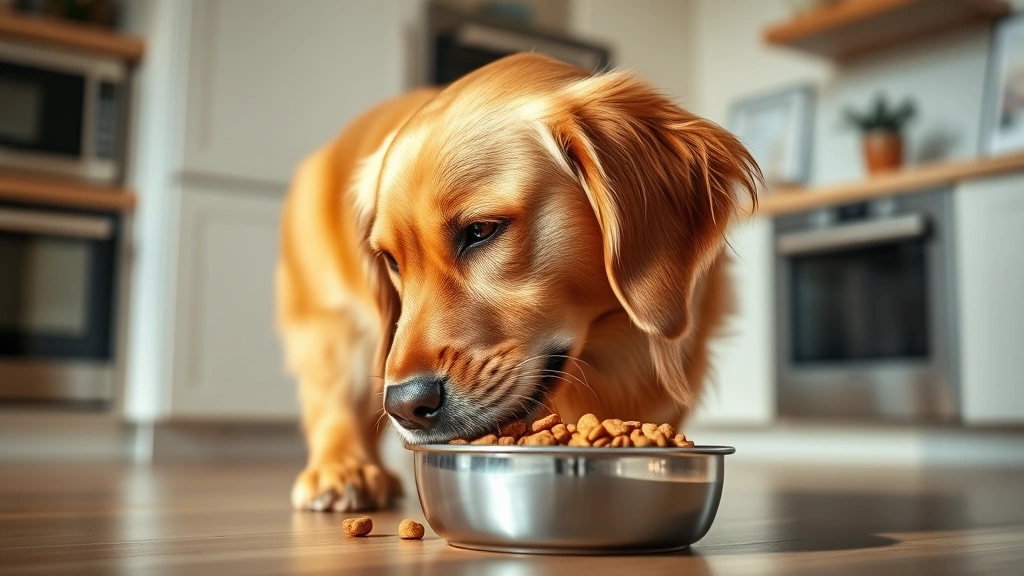
How Long Does a Dog Take to Digest Food? Expert Insight
Ever wonder what happens to your pup’s meal after it disappears into that adorable snout? The digestive journey is far more complex than most dog owners realize, and understanding it can help you make better feeding decisions for your furry best friend. Whether you’re concerned about timing meals, dealing with digestive issues, or simply curious about your dog’s internal workings, knowing how long digestion takes is genuinely helpful information.
The simple answer? Most dogs take between 6 to 8 hours to digest their food, though this can vary significantly based on numerous factors. But the real story is much more interesting than that single number suggests. From the moment your dog gobbles down their kibble to the final elimination, a fascinating series of biological processes unfolds.
Understanding your dog’s digestive timeline isn’t just trivia—it’s practical knowledge that affects feeding schedules, treats, exercise timing, and even how you respond to digestive problems. Let’s dig into what happens inside your pup’s belly and why timing matters.
The Complete Digestion Timeline
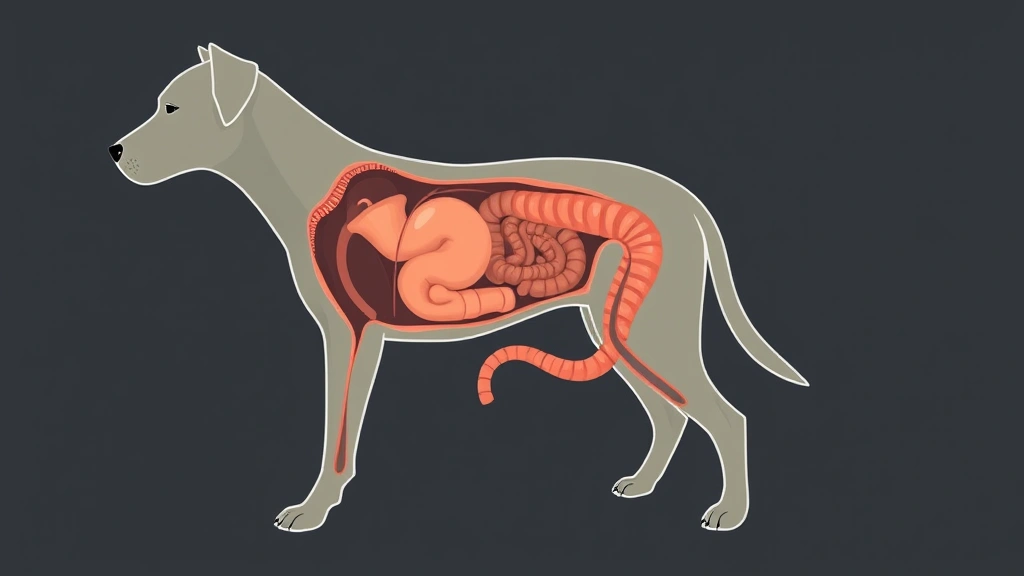
Your dog’s digestive system is a marvel of biological engineering, and it operates on a surprisingly precise schedule. Let’s break down the journey of a meal from start to finish.
The Mouth (seconds to minutes): Digestion actually begins before your dog even swallows. When food enters the mouth, saliva starts breaking down some nutrients. However, unlike humans, dogs don’t chew thoroughly—they’re gulpers by nature. Most dogs swallow their food within seconds, which means minimal breakdown happens at this stage.
The Stomach (2 to 4 hours): Once swallowed, food travels down the esophagus and enters the stomach, where the real work begins. The stomach’s acids and enzymes start breaking down proteins and fats. This is the longest single phase of digestion for most dogs. The stomach churns and mixes the food into a semi-liquid substance called chyme, which is eventually released into the small intestine in controlled amounts.
The Small Intestine (4 to 6 hours): This is where the magic happens. The small intestine is where most nutrient absorption occurs. Bile from the gallbladder and pancreatic enzymes help break down fats and carbohydrates. The intestinal walls absorb vitamins, minerals, amino acids, and fats into the bloodstream. This phase is crucial for your dog’s nutrition.
The Large Intestine and Colon (1 to 2 hours): Any remaining water and electrolytes are absorbed here, which is why stool becomes more solid. Beneficial bacteria in the colon help ferment fiber and produce short-chain fatty acids that support colon health.
Total Transit Time: From entrance to exit, the entire journey typically takes 6 to 8 hours for most healthy adult dogs. However, this is an average—some dogs digest faster, others slower.
Factors Affecting Digestion Speed
Not all dogs digest at the same rate, and several variables influence how quickly your pup processes food.
Age: Puppies and senior dogs often have slower digestion than adult dogs in their prime. Puppies’ digestive systems are still developing, while older dogs may experience decreased digestive efficiency due to reduced enzyme production and slower gut motility.
Activity Level: A dog that gets plenty of exercise typically has better digestive health and more efficient digestion. Exercise stimulates the muscles of the digestive tract and promotes healthy gut movement. However, avoid vigorous activity immediately after eating, as this can cause bloating or other issues.
Stress and Anxiety: Just like in humans, stress can significantly slow digestion in dogs. Anxious dogs may experience slower stomach emptying and reduced nutrient absorption. Creating a calm feeding environment matters more than many owners realize.
Hydration Status: Proper hydration is essential for healthy digestion. Dehydrated dogs may experience constipation and slower overall digestive transit time. Always ensure your dog has access to fresh water throughout the day.
Individual Metabolism: Every dog is unique. Some naturally have faster metabolisms and digest food more quickly, while others are slow digesters. Observing your individual dog’s patterns helps you understand their specific needs.
Breed and Size Considerations
Size matters significantly when it comes to digestion. Larger dogs typically digest food more slowly than smaller breeds, simply because they have proportionally longer digestive tracts. A Great Dane’s food takes longer to traverse their system than a Chihuahua’s meal.
Certain breeds with genetic predispositions to digestive sensitivity may also process food differently. Breeds like German Shepherds and Boxers are sometimes prone to more sensitive stomachs, which can affect digestion speed and efficiency.
Deep-chested breeds require special consideration regarding meal timing. These dogs face higher bloat risk, so feeding them smaller, more frequent meals and avoiding exercise immediately after eating is crucial for their safety.
How Food Type Impacts Digestion
What you feed your dog dramatically affects how long digestion takes. Understanding these differences helps you make better nutritional choices.
Dry Kibble: Commercial dry dog food is formulated to be relatively easy to digest. Most quality kibbles are designed to move through the system in about 6 to 8 hours. The processing involved in kibble production actually pre-breaks down many nutrients, making them more accessible to your dog’s digestive system.
Wet or Canned Food: Because wet food has higher moisture content and is often softer, it typically moves through the digestive tract slightly faster than dry food—usually on the faster end of the 6 to 8-hour range.
Raw Diets: Dogs eating raw food often show different digestion patterns. Some owners report that raw diets move through their dogs’ systems faster, though this varies considerably. If you’re considering a raw diet, consult with a veterinarian to ensure it’s nutritionally complete and safe for your specific dog.
Home-Cooked Meals: Homemade dog food digestion speed depends entirely on ingredients and preparation. determining how much food should I feed my dog becomes especially important with home-cooked diets to ensure proper portions and nutrition.
High-Fat Foods: Fatty foods slow digestion considerably. While some fat is essential for your dog’s health, excessive fat can extend digestion time significantly. This is why understanding which bones dogs can eat matters—fatty bones take longer to process and carry other risks.
High-Fiber Foods: Fiber affects digestion differently depending on the type and amount. Soluble fiber can slow digestion, while insoluble fiber typically speeds it up slightly. learning about foods like pumpkin seeds helps you understand how fiber impacts your dog’s digestive health.
Treats and Table Scraps: These often digest at different rates than your dog’s regular food, which can sometimes cause digestive upset. Consistency in diet is generally easier on the digestive system than frequent changes or additions.
Signs of Digestive Problems
While understanding normal digestion is helpful, recognizing when something’s wrong is even more important. Several signs indicate your dog may have digestive issues that warrant veterinary attention.
Vomiting: If your dog is frequently throwing up, this suggests a potential problem with stomach emptying or other digestive dysfunction. Occasional vomiting might be normal, but regular episodes need professional evaluation.
Diarrhea or Constipation: Either extreme indicates digestion isn’t proceeding normally. Diarrhea suggests food is moving too quickly through the intestines, while constipation indicates it’s moving too slowly. knowing what to feed a dog with diarrhea helps you respond appropriately to this common issue.
Bloating or Abdominal Distension: A visibly swollen belly or signs of discomfort after eating can indicate serious issues like gastric dilatation-volvulus (bloat), a life-threatening emergency.
Excessive Gas: While some gas is normal, excessive flatulence indicates something isn’t digesting properly, often related to diet or dysbiosis (imbalanced gut bacteria).
Changes in Appetite: Sudden loss of interest in food or dramatic changes in eating patterns may signal digestive or other health issues.
Poor Stool Quality: Healthy stools should be firm and well-formed. Consistently loose, mucusy, or bloody stools indicate problems requiring veterinary assessment.
Weight Loss Despite Eating: If your dog eats well but loses weight, malabsorption issues may prevent proper nutrient uptake during digestion.
How to Optimize Your Dog’s Digestion
Now that you understand how digestion works, here are practical strategies to keep your dog’s system running smoothly.
Feed Consistent, Appropriate Portions: Overfeeding strains the digestive system. Work with your veterinarian to determine appropriate portions for your dog’s age, size, and activity level. Consistent portion sizes help establish regular digestion patterns.
Maintain a Stable Diet: Sudden food changes can disrupt digestion. When switching foods, transition gradually over 7 to 10 days, mixing increasing amounts of new food with decreasing amounts of old food.
Choose High-Quality Food: Better-quality dog foods with high digestibility scores put less strain on your dog’s system. Look for named meat sources and minimal fillers. According to the American Kennel Club, quality nutrition supports overall health including digestive function.
Provide Adequate Hydration: Water is essential for healthy digestion. Ensure your dog has constant access to fresh water. Some dogs benefit from slightly moistened kibble or wet food additions.
Avoid Problematic Foods: raw chicken bones and other foods pose digestion and safety risks. Stick to dog-safe foods and avoid table scraps that can disrupt digestion.
Exercise Appropriately: Regular, moderate exercise supports healthy digestion. However, avoid intense activity immediately after meals—wait at least 1 to 2 hours after eating before vigorous play or exercise.
Manage Stress: Create a calm feeding environment. Feed your dog in a quiet space away from household chaos. Stress-free mealtimes support better digestion.
Consider Digestive Supplements: Probiotics and digestive enzymes can support gut health in some dogs, particularly those with sensitive digestion. Consult your veterinarian before adding supplements.
Regular Veterinary Checkups: Regular wellness exams help catch digestive issues early. Your vet can monitor your dog’s weight, body condition, and overall digestive health.
The ASPCA recommends regular veterinary supervision for any dogs experiencing ongoing digestive issues, as some conditions require professional intervention.
Frequently Asked Questions
Can I exercise my dog right after eating?
No, you should wait at least 1 to 2 hours after feeding before vigorous exercise. Exercising immediately after eating can interfere with digestion and increase bloat risk, particularly in deep-chested breeds. Light walking is generally fine, but intense play should wait.
Why does my dog eat so fast?
Dogs are natural gulpers—they evolved to eat quickly to avoid competition for food. This rapid eating means minimal breakdown happens in the mouth. If your dog eats dangerously fast, consider slow-feeder bowls or puzzle feeders to encourage slower consumption.
How often should I feed my dog?
Most adult dogs do well with once or twice daily feeding. Puppies typically need three to four meals daily, while senior dogs may benefit from smaller, more frequent meals. The 6 to 8-hour digestion timeline means your dog’s stomach is largely empty 8 hours after eating, making twice-daily feeding natural for many dogs.
Is it bad if my dog’s digestion seems slow?
Slightly slower digestion isn’t necessarily problematic if your dog shows no other signs of illness. However, if slow digestion accompanies other symptoms like vomiting, weight loss, or poor stool quality, consult your veterinarian.
Does dog food quality affect digestion time?
Yes, significantly. High-quality, highly digestible foods move through the system efficiently, while low-quality foods with fillers and by-products may take longer and produce more waste. Premium foods often result in smaller, firmer stools because more of the food is actually absorbed.
Can probiotics really help my dog’s digestion?
Probiotics can support digestive health by maintaining beneficial gut bacteria balance, particularly in dogs with sensitive digestion or those recovering from antibiotic use. However, they’re not a cure-all. The Veterinary Partner notes that quality and strain selection matter significantly when choosing probiotics for dogs.
What’s the difference between digestion time and stool transit time?
Digestion time refers to the entire process from eating to nutrient absorption, while stool transit time is how long it takes from eating to defecation. Most dogs defecate 4 to 8 hours after eating, though this varies individually.
Should I be concerned if my dog poops multiple times per day?
It depends on your dog’s normal pattern. Some healthy dogs defecate twice daily, while others go once. If your dog’s frequency increases without dietary changes, it may indicate faster digestion or a problem. Consistency in pattern matters more than frequency.
Can stress really slow my dog’s digestion?
Absolutely. Stress triggers the fight-or-flight response, which diverts blood away from the digestive system and slows gastric motility. Anxious dogs often experience slower digestion and may develop digestive sensitivity over time.
What should I do if I suspect my dog has a digestive problem?
Contact your veterinarian, especially if symptoms persist beyond a day or two. Persistent vomiting, diarrhea, constipation, or weight loss warrant professional evaluation. Your vet can determine whether dietary changes, supplements, medications, or other interventions are needed. The American Animal Hospital Association recommends prompt evaluation of any significant digestive changes.





