

If you’re wondering how long does dysphoria last in dogs after surgery, you’re not alone—and honestly, it’s one of the most important questions pet parents ask their vets. That post-surgery funk your pup is experiencing? It’s real, it’s temporary, and we’re going to break down exactly what you’re dealing with.
Table of Contents
- Understanding Canine Dysphoria After Surgery
- The First 24 Hours: Peak Dysphoria Zone
- Days 2-7: The Gradual Improvement Phase
- Weeks 2-4: The Moody Middle Period
- Weeks 4-8: The Turning Point
- Factors That Influence Dysphoria Duration
- Managing Dysphoria: What Actually Works
- When Dysphoria Becomes a Concern
- Recovery Timeline Summary
- Frequently Asked Questions
- Final Thoughts: Your Dog Will Get Better
Understanding Canine Dysphoria After Surgery
Let’s get real for a second: dysphoria in dogs after surgery isn’t some fancy veterinary term meant to confuse you. It’s basically your dog feeling absolutely miserable, disoriented, and grumpy after being put under anesthesia and having their body invaded by surgical instruments. Your normally cheerful golden retriever suddenly looks like they’re contemplating the meaning of life while lying on the couch—and not in a philosophical way.
Post-operative dysphoria encompasses several overlapping issues: the grogginess from anesthesia, pain from the incision, confusion about what happened to their body, and the general malaise that comes with recovery. It’s like when you wake up after dental work and can’t figure out why your mouth feels like cotton candy mixed with regret.
The First 24 Hours: Peak Dysphoria Zone
The immediate post-surgery period is where dysphoria hits hardest. Your dog will likely be disoriented, possibly nauseous, and definitely not themselves. Many dogs experience what vets call “post-anesthetic dysphoria,” where they’re restless, anxious, or unusually aggressive—even the sweetest dogs can act like tiny furry gremlins for the first day.
During this critical window, your vet might recommend keeping your pup in a quiet, dimly lit space. No jumping, no running, no exciting visitors. I know it’s tempting to comfort them constantly, but sometimes dogs just need to sleep it off. When to Call the Vet About Food becomes especially relevant here, as many post-op dogs refuse their normal meals.
Pain is a major player in post-operative dysphoria. Your vet should send your dog home with pain medication—don’t skip it thinking your pup will “tough it out.” Dogs can’t tell us they’re hurting; they just act miserable.
Days 2-7: The Gradual Improvement Phase
By day two, most dogs start showing signs of improvement, though they’re still clearly not party animals. This is when dysphoria typically begins its slow fade. Your dog might start showing interest in toys, wanting to play (which you still need to prevent), or actually eating their meals instead of staring at the bowl like it’s personally offended them.
The post-operative dysphoria during this phase usually manifests as lethargy and mild irritability rather than the acute confusion of day one. Your pup knows something happened, they know they feel weird, and they’re not thrilled about the whole situation. But they’re getting there.
This is also when dietary adjustments matter most. Bland Diet Recipes for Sick Pets can help ease their digestive system back to normal, especially if they’ve been on pain medication that upsets their stomach.
Weeks 2-4: The Moody Middle Period
Here’s where dysphoria gets tricky. Your dog might seem mostly normal—eating, walking, even playing—but they’re still recovering. The dysphoria doesn’t completely disappear; it just becomes more subtle. They might be grumpier than usual, less interested in their favorite activities, or clingy in weird ways.
This is the “fake out” period where owners think their dog is fully recovered and start letting them do normal dog stuff. Then the vet says, “Nope, still restricted activity,” and everyone’s disappointed. The dysphoria is still lurking, reminding your pup that something isn’t quite right yet.
During weeks 2-4, pain medication is usually being reduced or discontinued, which sometimes actually makes dysphoria worse temporarily. Your dog’s body is adjusting to processing pain differently, and that adjustment period can be rough.
Weeks 4-8: The Turning Point
By week four, most dogs are turning a corner. The dysphoria that characterized their immediate recovery should be largely gone. Your dog’s personality starts returning—they’re more playful, more interested in life, less clingy or irritable.
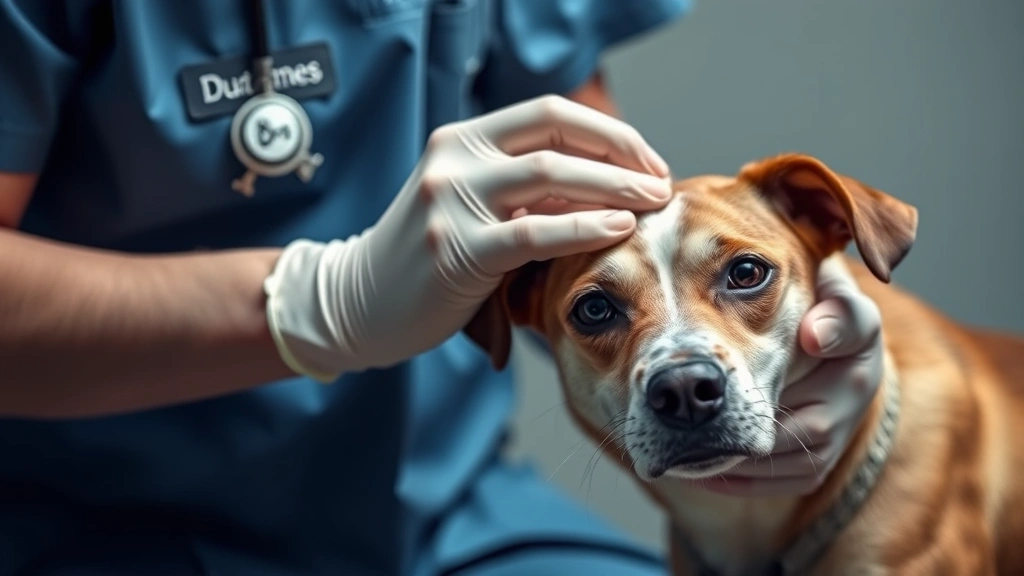
However, some dogs experience lingering dysphoria-like symptoms longer, especially after major surgeries like orthopedic procedures or spays/neuters. The physical healing might be progressing, but the emotional recovery takes longer. Some dogs develop anxiety about their surgical site or become overly cautious about movement.
This is also when Constipation in Dogs might become an issue if pain medication is still being used, which can extend that dysphoric state a bit longer.
Factors That Influence Dysphoria Duration
Not all surgeries are created equal, and neither is post-operative dysphoria. The type of surgery matters massively. A simple dental cleaning? Your dog might bounce back in 24-48 hours. A major orthopedic surgery? We’re talking weeks of dysphoria.
Age plays a huge role too. Puppies and young dogs often recover faster and experience shorter dysphoria periods. Senior dogs take longer to metabolize anesthesia and may experience extended dysphoria, sometimes lasting 3-4 weeks or more.
Individual temperament matters. Anxious dogs tend to experience more intense dysphoria. Laid-back dogs might barely seem bothered. It’s not a reflection of their “toughness”—it’s just how their nervous system processes trauma and recovery.
Pre-existing health conditions, medication interactions, and even your dog’s breed can influence how long dysphoria lasts. Some breeds are more sensitive to anesthesia and experience prolonged dysphoria as a result.
Managing Dysphoria: What Actually Works
Pain management is non-negotiable. Use the prescribed pain medication on schedule, not just when your dog seems to be suffering. Preventative pain management reduces dysphoria significantly.
Environmental management helps too. Keep your dog’s recovery space quiet, comfortable, and boring. No exciting visitors, no other pets wrestling with them, no temptation to run around. Boredom is actually your friend here.
Gentle, controlled movement can actually help some dogs process dysphoria better. Short, leashed walks (as approved by your vet) can help with mental health and prevent muscle atrophy. But “gentle” is key—no zoomies allowed.
Anti-Inflammatory Foods for Pets can support recovery and may help reduce dysphoria by addressing underlying inflammation that contributes to discomfort.
When Dysphoria Becomes a Concern
Most dysphoria is normal and expected. But some signs warrant a vet call. If your dog’s dysphoria is getting worse instead of better after 48 hours, something’s wrong. If they’re showing signs of infection (fever, excessive swelling, discharge), that’s an emergency.
Extreme anxiety or aggression that doesn’t improve with pain management might indicate a complication. Some dogs develop post-operative anxiety that lingers longer than typical dysphoria and might need behavioral support or additional medication.
If your dog isn’t eating for more than 24 hours post-op, isn’t urinating or defecating normally after 48 hours, or seems to be in severe pain despite medication, contact your vet immediately.
Recovery Timeline Summary
Here’s the realistic breakdown: expect acute dysphoria for 24-48 hours, moderate dysphoria for 1-2 weeks, and lingering dysphoria-like symptoms for up to 4-6 weeks depending on surgery type and your dog’s individual factors. Most dogs show significant improvement by week two, with the worst behind them.
The key is understanding that dysphoria is a normal part of recovery, not a sign of permanent damage. Your dog’s personality will return. That grumpy, confused pup staring at you like you betrayed them will eventually forgive you and be their normal self again.
Frequently Asked Questions
How long does dysphoria last after spaying or neutering?
For routine spays and neuters, acute dysphoria typically lasts 24-48 hours, with most dogs returning to normal within 7-10 days. Some dogs show lingering mild dysphoria for 2-3 weeks, but this is less common with these routine procedures than with major surgeries.
Can dysphoria last longer than a month?
In rare cases, yes. Major surgeries, complications, or dogs with anxiety disorders might experience dysphoria-like symptoms for 4-8 weeks. However, if dysphoria is lasting this long, check with your vet to rule out complications or secondary issues like infection or anxiety disorder.
Is dysphoria the same as depression in dogs?
Not exactly. Dysphoria is a temporary state of discomfort and disorientation following surgery. Depression would be a prolonged mood disorder lasting weeks or months. Most post-operative dysphoria resolves with proper care and time.
Should I give my dog extra attention during dysphoria?
Moderate comfort is fine, but excessive attention can actually increase anxiety. Keep interactions calm and low-key. Let your dog rest, stay with them if they seem anxious, but don’t constantly hover or try to “fix” their mood.
What if my dog’s dysphoria seems worse on day 3 than day 1?
This can happen as anesthesia fully wears off and your dog becomes more aware of pain and discomfort. Ensure pain medication is being given on schedule. If it continues worsening, contact your vet to rule out complications.
Can I use CBD or supplements to help dysphoria?
Always check with your vet before adding anything to your dog’s post-op care. Some supplements might interact with pain medication. Your vet might recommend certain supplements, but prescription pain management is usually the most effective approach during acute dysphoria.
Final Thoughts: Your Dog Will Get Better
Post-operative dysphoria is rough to watch, but it’s temporary. That miserable, confused pup will bounce back. By understanding what’s normal and what warrants concern, you can support your dog’s recovery without unnecessary panic. Stay the course, follow your vet’s instructions, manage pain effectively, and give your dog time. In a few weeks, you’ll barely remember this dysphoric phase—and your dog definitely won’t.





