
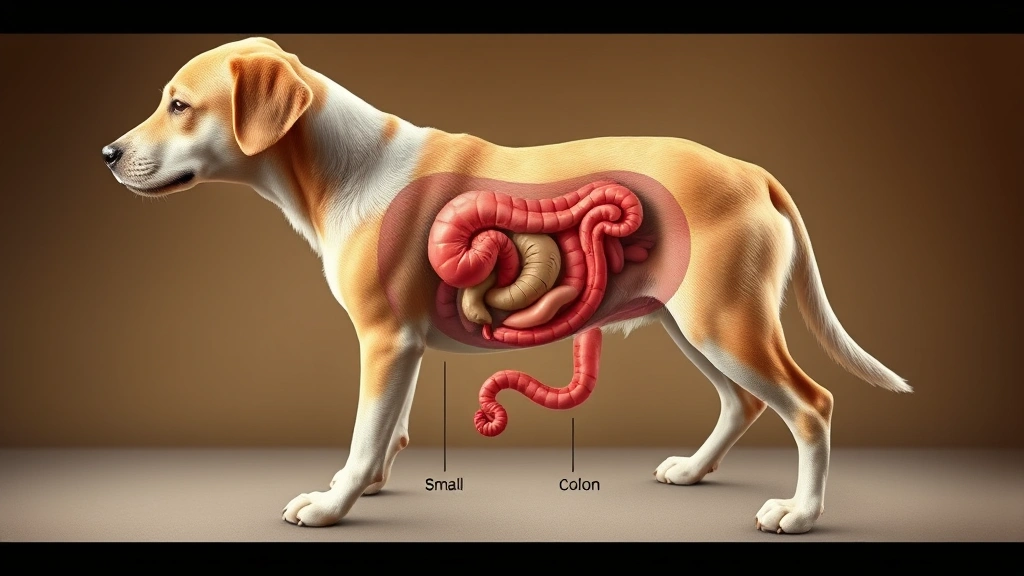
So you’ve just watched Fido wolf down his kibble like it’s his last meal on Earth, and you’re wondering: how long does it take for dogs to digest food? The answer isn’t as simple as “a few hours” because your pup’s digestive system is actually a pretty wild ride from mouth to, well, you know where.
Table of Contents
- The Complete Digestive Timeline: From Kibble to Poop
- The Mouth: Where It All Begins (But Barely)
- The Stomach: The Acid Bath Phase (2-4 Hours)
- The Small Intestine: The Real Absorption Action (6-8 Hours)
- The Colon: The Water Reclamation Center (2-4 Hours)
- Factors That Speed Up or Slow Down Dog Digestion
- Why Some Dogs Get Digestive Issues (And What You Can Do)
- The Poop Timeline: When to Expect Action
- Signs Your Dog’s Digestion Isn’t Working Right
- Feeding Tips to Support Healthy Digestion
- Special Considerations for Different Dog Sizes and Breeds
- Frequently Asked Questions
- The Bottom Line: Understanding Your Dog’s Gut
The truth is, dog digestion is fascinatingly complex. Unlike humans who take their sweet time chewing, dogs are basically tiny furry vacuum cleaners that swallow first and ask questions later. Understanding your dog’s digestive timeline can help you make better feeding decisions, spot health issues early, and avoid those awkward moments when your pup has digestive troubles.
The Complete Digestive Timeline: From Kibble to Poop
Here’s the real deal: most dogs digest food in about 4 to 8 hours. But that’s just the quick version. The full journey from bowl to backyard bathroom break typically takes between 8 to 12 hours, sometimes even up to 24 hours depending on various factors we’ll dive into.
Think of your dog’s digestive system like a factory assembly line. The food enters at one end, gets processed at multiple stations, and exits the other end. Each station takes time, and any hiccup along the way can slow down the entire operation.
The Mouth: Where It All Begins (But Barely)
Unlike us humans who chew our food about 32 times (okay, maybe you chew less when you’re stressed), dogs barely chew at all. Most dogs chew only 5-10 times before swallowing. Their saliva contains some enzymes that start breaking down food, but honestly, it’s not doing much heavy lifting here.
This is why pet food safety matters so much—dogs aren’t breaking down their food mechanically like we do. They’re relying on their stomach acid and enzymes to do the real work.
The Stomach: The Acid Bath Phase (2-4 Hours)
Once your dog swallows, the food drops into the stomach where things get serious. The stomach produces hydrochloric acid and pepsin enzymes that start breaking down proteins. This is where most of the heavy lifting happens in the early stages of dog digestion.
A dog’s stomach is incredibly acidic—much more so than ours—which is why they can handle things that would make us sick. This acidic environment is perfect for breaking down raw meat and bones, which is why dogs evolved as carnivores.
The stomach churns and mixes the food into a soupy consistency called chyme. For most dogs, this process takes about 2-4 hours, though it can vary based on what they ate. Fatty foods? Slower. Protein-rich foods? Faster. Kibble? Somewhere in the middle.
The Small Intestine: The Real Absorption Action (6-8 Hours)
After the stomach does its thing, the partially digested food moves into the small intestine—and this is where the magic happens. The small intestine is where most nutrient absorption occurs. This is also where the pancreas and liver get involved, releasing bile and digestive enzymes to break down fats and carbohydrates.
The small intestine is surprisingly long—about 10-12 feet in medium-sized dogs—and food travels through it slowly so the body has time to absorb all those good nutrients. This phase typically takes 6-8 hours. If your dog has food reactions, it’s often the small intestine throwing a fit.
The Colon: The Water Reclamation Center (2-4 Hours)
By the time food reaches the colon (large intestine), most of the nutrients have been absorbed. The colon’s job is to absorb water and electrolytes, which is why dehydration can really mess with your dog’s digestion. This phase takes about 2-4 hours.
If your dog is pooping more frequently than normal or has loose stools, it often means food is moving through the colon too quickly. Conversely, if your dog is constipated, it’s hanging out here too long.
Factors That Speed Up or Slow Down Dog Digestion
Not all dogs digest at the same rate. Here are the major players that affect how quickly your pup processes food:
Age: Puppies have faster metabolisms and digest food quicker—usually 4-6 hours. Senior dogs? They’re slower, sometimes taking 12+ hours.
Size: Smaller dogs actually have faster metabolic rates than large dogs, so a Chihuahua processes food faster than a Great Dane, even though it seems counterintuitive.
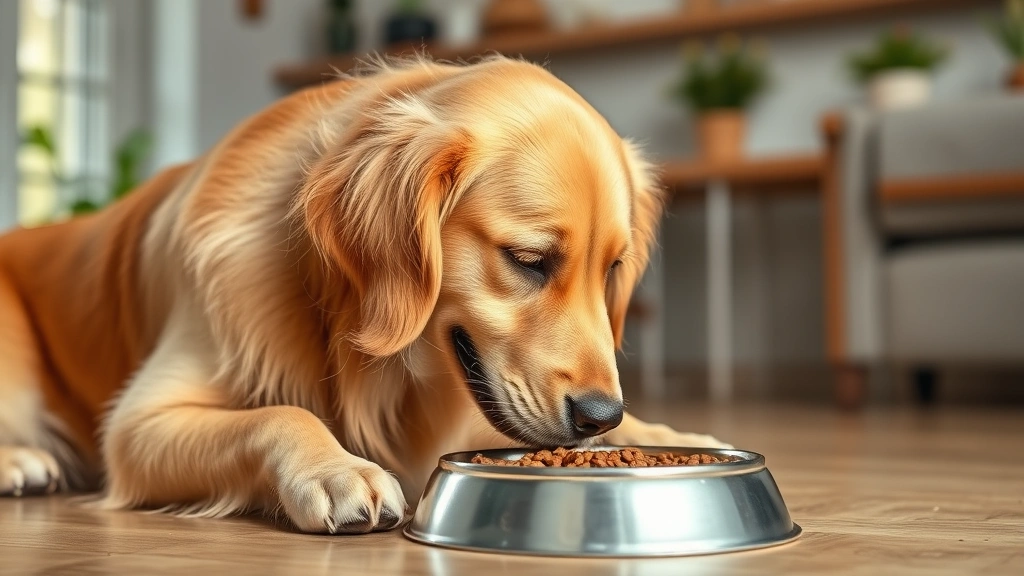
Food Type: Raw diets digest faster (4-6 hours). Kibble takes longer (8-12 hours). Wet food is somewhere in between. High-fat foods slow everything down.
Activity Level: Exercise helps move food through the digestive tract. A couch potato pup will digest slower than an active dog.
Health Status: Digestive issues, food sensitivities, and metabolic problems all affect digestion time.
Stress: Yes, even dogs get stressed, and stress literally slows down their digestion.
Why Some Dogs Get Digestive Issues (And What You Can Do)
If your dog seems to have a perpetually upset stomach, there are usually a few culprits. Food sensitivities are super common—chicken and wheat are frequent offenders. That’s why vets often recommend bland diet recipes for sick pets when digestive issues pop up.
Eating too fast is another biggie. Some dogs inhale their food so quickly that their stomach can’t keep up, leading to vomiting or bloating. If your dog is a speed eater, try a slow feeder bowl or puzzle feeder.
Portion size matters too. Overfeeding puts extra strain on the digestive system. Following the feeding guidelines on your dog’s food is a good start, but every dog is different.
The Poop Timeline: When to Expect Action
Most dogs poop 1-2 times per day, usually within a few hours of eating. If you feed your dog at 7 AM, expect a poop around 10 AM to noon. Some dogs are more predictable than others—some are basically little poop clocks that go off at the same time every day.
If your dog hasn’t pooped within 24-48 hours of eating, that’s a sign something’s off. Similarly, if they’re pooping multiple times an hour, the food is moving through too fast, and they’re not absorbing nutrients properly.
Signs Your Dog’s Digestion Isn’t Working Right
Watch for these red flags:
- Vomiting shortly after eating (could be eating too fast or food sensitivity)
- Chronic diarrhea or constipation (digestive issue or dietary problem)
- Bloating or excessive gas (could be serious—bloat is an emergency)
- Weight loss despite eating normally (malabsorption issue)
- Lethargy or lack of appetite (could indicate digestive distress)
- Visible undigested food in poop (food moving through too fast)
If you notice any of these, it’s worth chatting with your vet. Digestive issues can sometimes point to bigger health problems.
Feeding Tips to Support Healthy Digestion
Want to keep your dog’s digestive system running smoothly? Here are some practical tips:
Feed at consistent times: Dogs’ digestive systems love routine. Feed at the same times each day.
Use appropriate portion sizes: Check the feeding guidelines and adjust based on your dog’s activity level and body condition. Human foods for weight management in pets can help if you’re mixing in whole foods.
Avoid sudden diet changes: If you’re switching foods, do it gradually over 7-10 days. Sudden changes can cause digestive upset.
Consider digestive enzymes: Some dogs benefit from digestive enzyme supplements, especially if they have chronic digestive issues.
Keep them hydrated: Water is crucial for healthy digestion. Make sure your dog always has access to fresh water.
Limit table scraps: Human food can mess with digestion. Stick to dog-appropriate treats.
Special Considerations for Different Dog Sizes and Breeds
Large breed dogs are particularly susceptible to bloat, a serious condition where the stomach fills with gas and can twist. Feed large breeds smaller, more frequent meals rather than one big meal. Some breeds like German Shepherds and Great Danes are especially prone to digestive issues.
Small breeds sometimes have faster metabolisms but can be pickier eaters. Toy breeds might benefit from more frequent, smaller meals since their stomachs are tiny.
Brachycephalic breeds (flat-faced dogs like Bulldogs and Pugs) often have digestive issues because they swallow a lot of air when eating. Slow feeders are especially helpful for these breeds.
Frequently Asked Questions
How long after eating should I walk my dog?
Wait at least 30-60 minutes after eating before vigorous exercise. Exercising immediately after eating can cause bloat or digestive upset. A light walk is fine, but save the intense play for later.
Is it normal for dogs to poop within an hour of eating?
It’s pretty normal, actually. Some dogs have a very responsive digestive system and will poop soon after eating. As long as the poop is solid and healthy-looking, there’s nothing to worry about.
Can I feed my dog once a day?
Most adult dogs do fine with once-a-day feeding, but twice daily is more common and often better for digestion. Puppies and senior dogs typically benefit from more frequent meals. Ask your vet what’s best for your specific dog.
Why does my dog throw up undigested food?
This usually means your dog is eating too fast or the food isn’t being broken down properly in the stomach. Try a slow feeder bowl, or consider if there’s a food sensitivity at play. If it’s chronic, see your vet.
Does wet food digest faster than dry food?
Yes, generally. Wet food is already partially broken down and has higher moisture content, so it moves through the system faster than kibble. Dry food takes longer because it needs to absorb stomach fluids first.
What’s the best food for dogs with slow digestion?
High-quality, easily digestible foods work best. Look for foods with limited ingredients and high-quality protein sources. Digestive enzyme supplements can also help. Your vet might recommend foods for joint health in pets if digestion issues are related to inflammation.
The Bottom Line: Understanding Your Dog’s Gut
So, how long does it take for dogs to digest food? The short answer is 4-8 hours for the main digestive process, with the complete journey taking 8-24 hours depending on individual factors. But the real takeaway is that understanding your dog’s digestive system helps you make better feeding choices and catch problems early.
Every dog is unique. What works perfectly for your neighbor’s Golden Retriever might cause issues for your dog. Pay attention to your pup’s individual patterns—how long after eating they poop, whether their coat is shiny, their energy levels, and the quality of their stool. These are all clues about whether their digestion is working optimally.
If you notice consistent digestive issues, don’t just assume it’s normal. Talk to your vet. Sometimes it’s as simple as switching foods or using a slow feeder, but sometimes it points to something that needs attention. Your dog’s gut health affects everything—their energy, coat quality, mood, and overall health. It’s worth paying attention to.





