

So you’re wondering how long does it take to spay a dog? Whether you’re a first-time dog parent or just curious about the procedure, the answer isn’t as straightforward as “two hours and you’re done.” The actual surgery typically takes 20 to 90 minutes, but the entire process—from pre-op prep to post-op recovery—can span several days to weeks. Let’s break down what really happens during this common veterinary procedure.
Table of Contents
- The Pre-Surgery Timeline: Getting Ready for Spaying
- The Actual Surgery Duration: What Happens in the OR
- Recovery Room Time: The First Few Hours Post-Surgery
- The Post-Operative Recovery Period: Days 1-14
- Full Healing Timeline: When Can Your Dog Return to Normal?
- Age and Size Considerations: Does It Matter?
- Potential Complications That Extend Recovery
- Preparing Your Home for Spay Recovery
- Pain Management During Recovery
- Activity Restrictions: The Hardest Part
- Cost and Insurance Considerations
- The Long-Term Benefits: Why It’s Worth the Wait
- Frequently Asked Questions
- Summary: The Complete Spay Timeline
The Pre-Surgery Timeline: Getting Ready for Spaying
Before your pup even steps into the operating room, there’s prep work involved. Most vets schedule spay surgeries weeks in advance, so you’ll have time to prepare. Your vet will likely ask you to bring your dog in for a pre-operative exam, which includes bloodwork to ensure she’s healthy enough for anesthesia. This appointment usually happens 1-2 weeks before the scheduled surgery.
The night before surgery, you’ll receive strict instructions: no food after midnight and no water a few hours before arrival. This fasting is crucial because it prevents complications during anesthesia. On surgery day, you’ll drop your pup off in the morning, typically between 7-9 AM. The veterinary team will perform final checks, place an IV catheter, and administer pre-anesthetic medications to keep your girl calm and relaxed.
The Actual Surgery Duration: What Happens in the OR
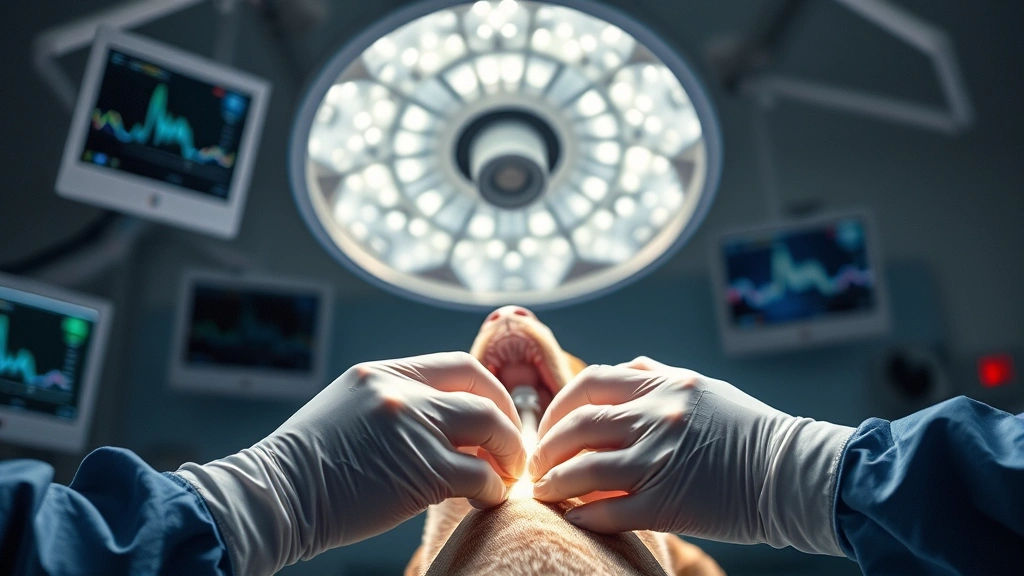
Here’s where the real action happens. Dog spay surgery duration varies depending on several factors. A straightforward ovariohysterectomy (the most common spay procedure) typically takes 20-90 minutes. Smaller dogs often have quicker surgeries—a Chihuahua might be done in 20-30 minutes—while larger breeds like German Shepherds or Labradors might take 45-90 minutes simply because there’s more anatomy to work through.
The vet makes a small incision (usually 1-3 inches) in the abdomen, locates the uterine horn and ovaries, carefully removes them, and closes everything up with surgical sutures or surgical glue. Throughout the procedure, your dog is under general anesthesia with constant monitoring of heart rate, blood pressure, oxygen levels, and temperature. It’s actually pretty high-tech stuff happening in there.
Recovery Room Time: The First Few Hours Post-Surgery
After surgery wraps up, your dog doesn’t just wake up and bounce out the door. She’ll spend 1-3 hours in the recovery room while the anesthesia wears off. During this time, the vet team monitors her closely as she regains consciousness. She might be groggy, disoriented, or even a bit wobbly—totally normal. Some dogs are ready to go home the same day (usually late afternoon), while others might stay overnight for observation, especially if complications arise or if the vet wants to monitor pain management more closely.
When you pick up your girl, you’ll receive discharge instructions that are absolutely critical to follow. The vet will send home pain medication (usually for 7-10 days) and antibiotics if needed. They’ll also give you the rundown on activity restrictions, incision care, and what to watch for during recovery.
The Post-Operative Recovery Period: Days 1-14
This is where patience becomes your superpower. The immediate recovery period is roughly 10-14 days, during which the incision heals and your dog’s body adjusts to the hormonal changes. For the first few days, your pup might seem tired, have reduced appetite, or appear uncomfortable—all expected side effects of surgery and anesthesia.
Days 1-3 are the most critical. Keep activity minimal. That means short, leashed bathroom breaks only—no running, jumping, or playing. No swimming or baths either, as you need to keep that incision dry. If you have a multi-dog household, separate them during this period to prevent rough play. Many vets recommend crate rest to keep your dog calm and prevent her from licking or irritating the incision site.
By days 4-7, you might notice your dog acting more like herself, though she should still have restricted activity. The incision should look clean with minimal swelling. If you see excessive redness, discharge, swelling, or if the incision opens, contact your vet immediately.
Full Healing Timeline: When Can Your Dog Return to Normal?
Complete internal healing takes longer than you’d think—typically 10-14 days for the incision to fully close, but 6-8 weeks for complete internal healing. Yes, weeks. Even though the incision might look healed after two weeks, the internal tissues are still mending. This is why vets emphasize continued activity restriction beyond the visible healing phase.
Around day 10-14, many vets will schedule a post-op check to remove sutures (if they used non-absorbable ones) and verify everything’s healing properly. After this appointment, you can gradually increase activity, but still avoid strenuous exercise for at least 4-6 weeks total. Think of it like human surgery recovery—just because the bandage comes off doesn’t mean you’re ready to run a marathon.
Age and Size Considerations: Does It Matter?
The timeline varies based on your dog’s age and size. Puppies (under 1 year) often recover faster than older dogs, though vets typically recommend waiting until at least 5-6 months old before spaying. Senior dogs (7+ years) might take longer to recover and may need more careful anesthesia monitoring. Large breed dogs sometimes have longer surgery times simply due to anatomy, while toy breeds might be in and out quickly.
Your vet might also recommend different spay procedures based on age. Younger, healthier dogs are good candidates for standard ovariohysterectomy, while some older dogs might benefit from ovariectomy (removing just the ovaries, not the uterus), which is a bit less invasive.
Potential Complications That Extend Recovery
Most spays go smoothly, but occasionally complications arise that extend the recovery timeline. Infection at the incision site might require additional antibiotics or even a second procedure. Seroma (fluid buildup under the incision) usually resolves on its own but can delay full healing. Internal bleeding or ligature slippage (where a tied blood vessel reopens) are rare but serious and might require emergency surgery.
If your dog develops lameness, severe swelling, discharge, fever, or seems to be in significant pain beyond the first few days, contact your vet immediately. These could indicate complications that need prompt attention.
Preparing Your Home for Spay Recovery
Set up a comfortable recovery space before surgery day. Choose a quiet area away from other pets and high-traffic household areas. Stock up on any prescribed medications, have soft bedding ready, and ensure you have a comfortable collar (not a cone if possible—ask your vet about alternatives like soft recovery collars). Keep cleaning supplies handy for any accidents, as some dogs struggle with bladder control immediately post-surgery.
You might also want to consider telehealth vet appointments for post-op questions that don’t require an in-person visit, which can be super convenient when you’re managing a recovering pup.
Pain Management During Recovery
Don’t assume your dog isn’t in pain just because she’s not crying. Dogs hide discomfort well. Your vet will prescribe pain medication—typically NSAIDs like carprofen or opioids like tramadol for the first week. Give these exactly as prescribed. Pain management isn’t just about comfort; it actually helps your dog heal faster because she’ll rest more and move less, protecting that healing incision.
Some vets also recommend supplements like omega-3 fatty acids or joint support formulas to aid healing. Ask your vet about immune boosting foods for pets that might support recovery, though most dogs do fine on their regular diet during this period.
Activity Restrictions: The Hardest Part
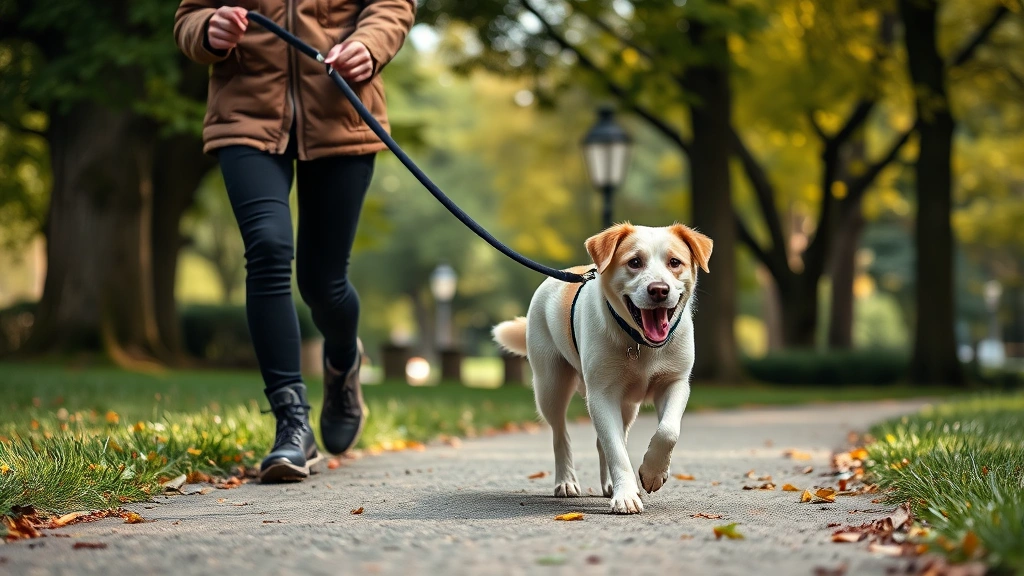
Let’s be real—keeping an energetic dog calm is torture for both of you. But it’s non-negotiable. Those 10-14 days of strict rest and then 4-6 weeks of modified activity prevent incision complications and internal bleeding. No dog park visits, no running after squirrels, no jumping on and off furniture. Leashed walks only, and keep them short and slow.
Mental stimulation becomes your best friend here. Puzzle toys, sniff games, and training sessions (gentle, no jumping) keep her brain engaged without physical exertion. Some owners even use this recovery period to work on basic obedience or trick training—low-impact but mentally stimulating.
Cost and Insurance Considerations
While not directly about timeline, knowing the cost helps with planning. Spay surgery typically costs $200-$500 depending on your location, vet clinic, and your dog’s size and age. Some pet insurance plans cover spays, and many communities offer low-cost spay clinics if cost is a concern. Factor in post-op medications, collar/recovery gear, and potentially a follow-up exam—budget around $300-$700 total.
The Long-Term Benefits: Why It’s Worth the Wait
Yes, the recovery period is annoying, but spaying prevents serious health issues. You’re avoiding heat cycles (no bloody discharge, no attracting male dogs), eliminating the risk of pyometra (life-threatening uterine infection), and significantly reducing breast cancer risk. Behaviorally, many dogs become calmer after spaying, though this varies by individual.
After full recovery (6-8 weeks), your dog can return to normal activity with these long-term health benefits locked in. It’s a short-term inconvenience for years of health benefits.
Frequently Asked Questions
Can I leave my dog alone during recovery?
Ideally, no. Your dog needs supervision during the first few days to prevent licking the incision and to monitor for complications. If you work full-time, consider taking time off or arranging for a pet sitter to check on her. At minimum, she shouldn’t be alone for more than a few hours during the first week.
When can my dog swim after being spayed?
Wait until the incision is completely healed and your vet gives clearance—typically 10-14 days minimum, though many vets recommend waiting the full 6-8 weeks before full water activities. Even then, avoid chlorinated pools immediately; natural water bodies are safer once healed.
Is spaying painful for dogs?
Surgery itself isn’t painful because of anesthesia, but post-operative pain is real. That’s why pain medication is prescribed. Most dogs experience mild to moderate discomfort for 3-5 days, then improve significantly. If your dog seems to be in severe pain beyond the first week, contact your vet.
Can I give my dog treats during recovery?
Yes, but keep them small and soft. Avoid hard treats that require heavy chewing. You might enjoy offering healthy pet treats as a low-key way to keep her entertained during crate rest. Just account for treat calories in her overall intake, as activity is reduced and you don’t want post-spay weight gain.
What’s the difference between spay and neuter recovery?
Neutering (castration) is typically quicker and less invasive than spaying, so recovery is usually faster—often just 7-10 days of strict rest versus 10-14 for spays. The same activity restrictions apply, but some dogs bounce back slightly faster from neutering.
Do all vets recommend spaying?
Most vets recommend spaying for health and population control reasons, but the ideal age is debated. Traditional wisdom says 5-6 months, but some recent research suggests waiting until after the first heat cycle or even longer for large breed dogs to reduce orthopedic issues. Discuss timing with your vet based on your dog’s breed and health.
Can spaying affect my dog’s personality?
Spaying removes ovaries, which produce hormones. Some dogs become calmer and less anxious; others show no personality change. It won’t make your dog “less fun”—it just removes hormonal fluctuations related to heat cycles. Most behavioral changes are positive or unnoticeable.
Summary: The Complete Spay Timeline
So, how long does it take to spay a dog? The surgery itself is 20-90 minutes, but the full recovery process spans 10-14 days for incision healing and 6-8 weeks for complete internal healing. Pre-operative prep takes 1-2 weeks, and you’ll need to maintain activity restrictions throughout the healing period. It’s a manageable process with proper preparation and adherence to your vet’s instructions. Your dog will be back to her normal, healthy self in no time, and you’ll have the peace of mind knowing you’ve prevented serious health issues down the road. For more information on post-recovery nutrition, check out our guide on senior pet friendly human foods (applicable for all ages during recovery). And if you have questions during recovery, don’t hesitate to reach out to your vet—that’s what they’re there for.
External references: American Kennel Club, PetMD, and Cornell University College of Veterinary Medicine all provide excellent resources on spay procedures and recovery.





