
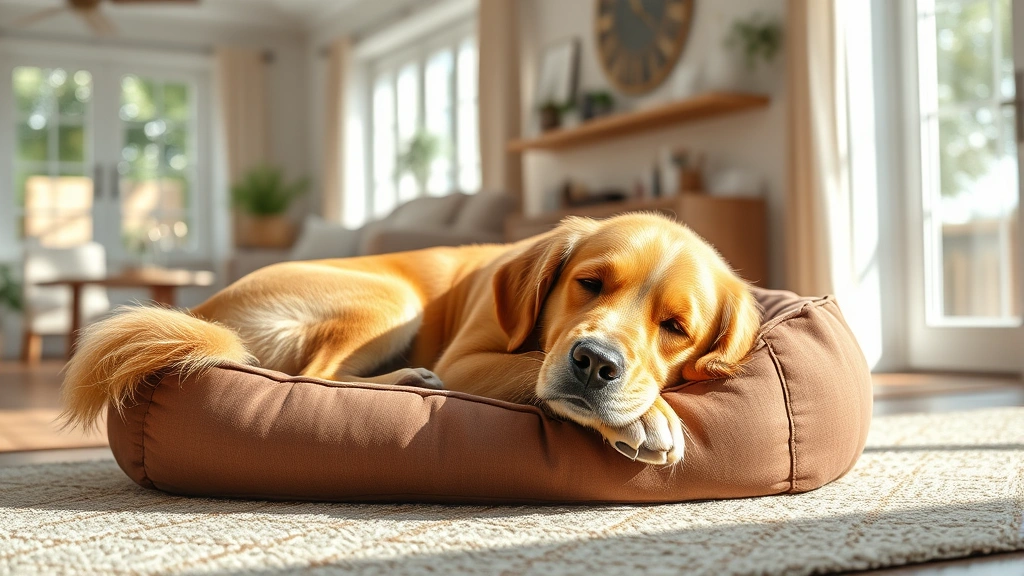
How long should you leave a dog alone? This is the question that keeps pet parents up at night, especially when work calls or life gets messy. The honest answer? It depends on your dog’s age, temperament, and training level. But don’t worry—we’re breaking down everything you need to know to keep your furry friend happy, healthy, and not destroying your couch.
Table of Contents
- Understanding Your Dog’s Alone Time Tolerance
- Puppies: The Tiny Time Bombs of Neediness
- Adult Dogs: The Goldilocks Zone
- Senior Dogs: Comfort Over Independence
- Breed-Specific Considerations for Leaving Dogs Alone
- Signs Your Dog Can’t Handle Alone Time
- Building Your Dog’s Independence: Training Tips
- The Role of Exercise and Mental Stimulation
- Using Technology to Monitor Your Alone Dog
- When to Hire Professional Help
- Real-World Scenarios: How Long Can Your Dog Actually Stay Alone?
- Preparing Your Home for Alone Time
- Frequently Asked Questions
- Final Thoughts: Finding Your Dog’s Sweet Spot
Understanding Your Dog’s Alone Time Tolerance
Dogs are pack animals, which means they’re hardwired to want companionship. Leaving them solo isn’t cruel or unusual—it’s actually a normal part of pet ownership. However, there’s a sweet spot between independence and abandonment anxiety. Some dogs thrive with solo time while others lose their minds after 30 minutes. The key is understanding your individual pup’s needs and gradually building their confidence with alone time.
Puppies: The Tiny Time Bombs of Neediness
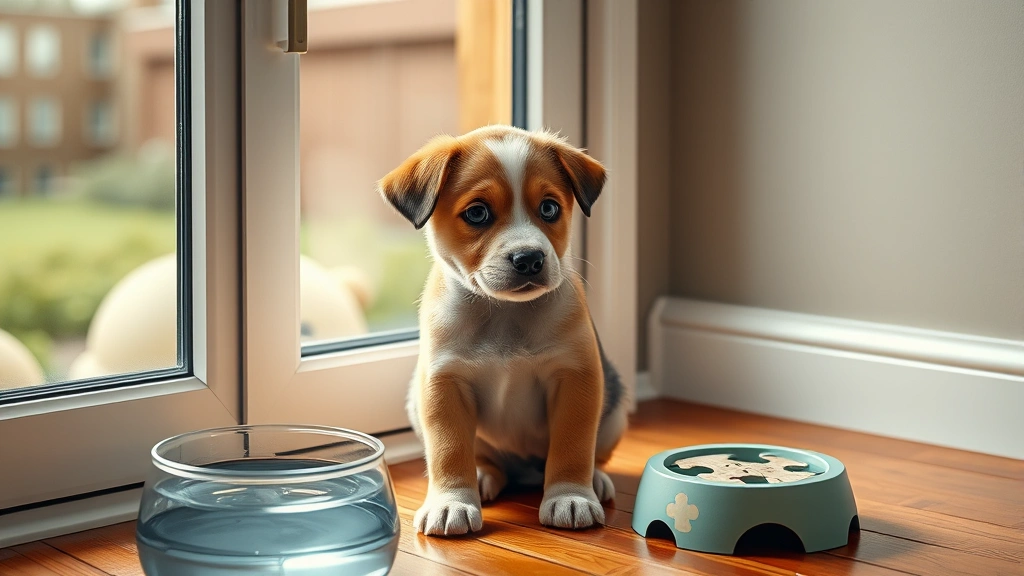
Puppies are basically furry toddlers who can’t hold their bladder or emotions. A general rule of thumb: puppies can hold their urine for about one hour per month of age, plus one. So a three-month-old puppy can manage roughly four hours alone. But here’s the kicker—just because they can doesn’t mean they should be left that long regularly. Puppies need frequent potty breaks, socialization, and training. Leaving a puppy alone for extended periods is a recipe for accidents, anxiety, and destructive behavior. Keep solo sessions under two hours for puppies under six months old.
Adult Dogs: The Goldilocks Zone
Most healthy adult dogs can handle 4-6 hours alone without issues, assuming they’ve had proper training and exercise. This is the sweet spot where your pup can nap, chill out, and wait for you without spiraling into separation anxiety. However, some dogs are cool with 8 hours if they’re well-exercised and mentally stimulated beforehand. The magic formula? A tired dog is a well-behaved dog. Before leaving, take your adult dog for a solid walk or play session. A worn-out pooch is more likely to nap than redecorate your apartment.
Senior Dogs: Comfort Over Independence
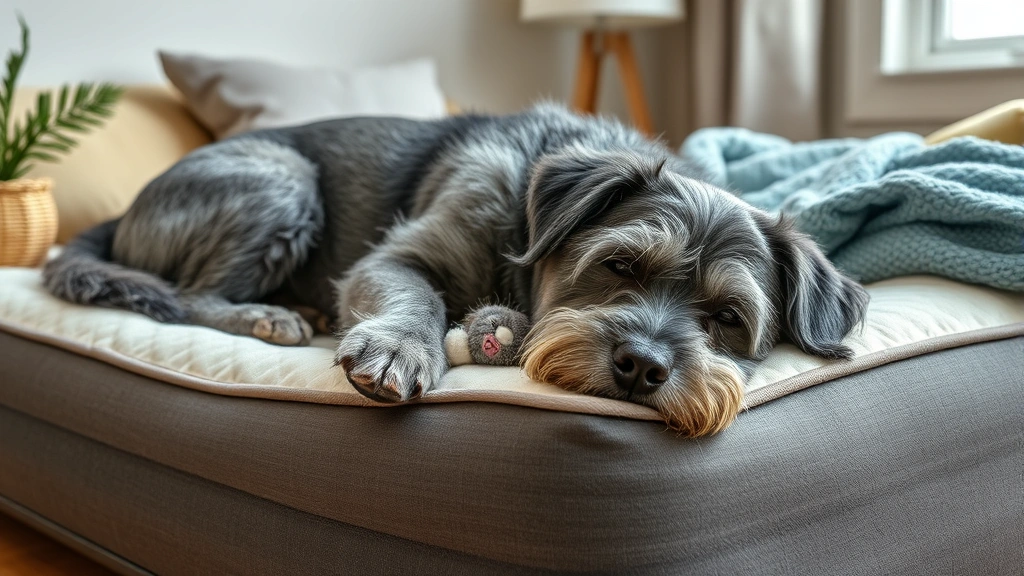
Older dogs often need more frequent bathroom breaks due to age-related incontinence and health issues. Most senior dogs shouldn’t be left alone for more than 4-6 hours, and many do better with shorter intervals. Additionally, senior dogs may develop cognitive dysfunction, making solo time stressful. If your aging buddy has health issues, consider hiring a dog walker or pet sitter to check in midday. Your vet can provide specific guidance based on your senior’s medical needs. Learn more about specialized care by consulting telehealth vet appointments for personalized senior dog advice.
Breed-Specific Considerations for Leaving Dogs Alone
Some breeds are naturally more independent, while others are velcro dogs who follow you to the bathroom. High-energy breeds like Border Collies, Australian Shepherds, and Labrador Retrievers need mental stimulation and physical exercise to handle alone time. Companion breeds like Cavalier King Charles Spaniels or French Bulldogs often struggle with separation anxiety more intensely. Brachycephalic breeds (flat-faced dogs) may have breathing issues exacerbated by stress, making alone time particularly challenging. Research your breed’s tendencies and adjust expectations accordingly.
Signs Your Dog Can’t Handle Alone Time
If your dog is showing destructive behavior, excessive barking, or accidents in the house despite being housetrained, they might be struggling with alone time. Separation anxiety is a real condition that goes beyond normal dog sadness. Signs include pacing, drooling excessively, attempting escape, or self-injury. If your pup exhibits these behaviors, gradually increase alone time in small increments, use crate training positively, and consider consulting a certified animal behaviorist. In some cases, telehealth vet appointments can help rule out medical causes and discuss anti-anxiety options.
Building Your Dog’s Independence: Training Tips
Start small and build gradually. Leave your dog alone for just 5-10 minutes initially, then return before they get anxious. Reward calm behavior with treats and praise. Slowly extend the duration over weeks and months. Use positive associations—give them a special toy or treat only when you leave. Consider puzzle toys, frozen Kong toys, or sniff mats to keep them mentally engaged. Never make a big fuss about leaving or returning; keep departures and arrivals low-key to avoid reinforcing anxiety. Crate training, when done properly, can be a game-changer for dogs who need a safe space.
The Role of Exercise and Mental Stimulation
A dog with pent-up energy is a dog who’ll destroy your home. Before leaving, ensure your pup gets adequate physical exercise appropriate for their age and health status. A 30-minute walk might suffice for a senior Chihuahua, but a young Border Collie needs 60+ minutes of vigorous activity. Mental stimulation is equally important—puzzle toys, sniff games, and training sessions tire dogs out mentally, making them calmer during alone time. Rotate toys to keep things fresh and interesting. Check out our guide on pet nutrition advice to ensure your dog’s diet supports healthy energy levels.
Using Technology to Monitor Your Alone Dog
Pet cameras with two-way audio let you check in on your dog and even talk to them remotely. Some cameras include treat dispensers, allowing you to reward good behavior even when you’re gone. Apps that monitor barking or movement can alert you if your dog is distressed. While technology isn’t a substitute for actual companionship, it’s a helpful tool for peace of mind and training purposes. Many pet parents find that checking in occasionally actually increases anxiety, so use sparingly and intentionally.
When to Hire Professional Help
If your work schedule keeps you away 8+ hours daily, consider hiring a dog walker or pet sitter to break up the day. A midday visit for potty breaks, exercise, and companionship can dramatically improve your dog’s well-being. For dogs with severe separation anxiety or behavioral issues, a professional dog trainer or certified animal behaviorist is worth the investment. Some pet parents also explore doggy daycare options, though quality varies widely. If you’re concerned about your dog’s health during alone time, pet food safety during travel covers important logistics for extended absences.
Real-World Scenarios: How Long Can Your Dog Actually Stay Alone?
Scenario 1: You have a healthy 3-year-old Golden Retriever. With morning exercise and mental stimulation, they can comfortably handle 6-8 hours alone. Scenario 2: You have a 10-week-old puppy. Maximum 3-4 hours, and ideally with midday potty breaks. Scenario 3: You have a 12-year-old dog with arthritis and incontinence. Stick to 4 hours maximum, with midday check-ins. Scenario 4: You have a rescue dog with unknown history and potential separation anxiety. Start with 1-2 hours and gradually build up over weeks. Every dog is unique, so adjust based on your individual pup’s responses.
Preparing Your Home for Alone Time
Create a safe, comfortable space for your dog. Use baby gates or crate training to limit access to areas where they might get into trouble. Remove hazards like electrical cords, toxic plants, or medications. Leave the TV or calming music on to mask outside noises. Ensure fresh water is always available. Some dogs do better with a consistent routine—same departure time, same location, same setup. Others need variety to stay mentally engaged. Experiment to see what works for your pup. Consider leaving out healthy pet treats in puzzle toys for positive reinforcement.
Frequently Asked Questions
Can I leave my dog alone for 12 hours?
Regularly leaving your dog alone for 12 hours is not recommended for most dogs. Even adult dogs need bathroom breaks, exercise, and social interaction. If you must be gone that long, arrange for a dog walker or pet sitter to check in midday. Senior dogs, puppies, and dogs with health issues definitely shouldn’t be left 12 hours regularly.
Is it okay to leave my dog alone overnight?
Overnight alone time (8-10 hours) is generally acceptable for healthy adult dogs who’ve been properly trained and exercised. However, puppies, seniors, and dogs with medical conditions need more frequent check-ins. Always ensure water is available and the environment is safe and comfortable.
What’s the maximum time to leave a dog alone?
The absolute maximum for most dogs is 8-10 hours, though this should be occasional, not routine. Many veterinarians recommend no more than 6-8 hours for regular occurrences. Dogs need bathroom breaks, exercise, and social interaction daily.
How do I know if my dog has separation anxiety?
Signs include destructive behavior, excessive barking or howling, house soiling despite being housetrained, pacing, drooling, or self-injury. If you suspect separation anxiety, consult a veterinarian or certified animal behaviorist. They can rule out medical causes and develop a treatment plan. Some dogs benefit from anti-anxiety medication combined with behavioral training.
Can I leave my dog alone while at work?
This depends on your work schedule and your dog’s age/temperament. If you work 8+ hours daily, arrange midday care through a dog walker, pet sitter, or doggy daycare. For shorter workdays (4-6 hours), most adult dogs can manage with proper training and exercise. Puppies and senior dogs need more frequent breaks.
What should I do if my dog panics when left alone?
Start with very short absences (5-10 minutes) and gradually increase duration. Use positive reinforcement, crate training, and calming aids like puzzle toys or anxiety wraps. Consult a certified animal behaviorist or veterinarian. In some cases, anti-anxiety medication may help while you work on behavioral training. Never punish panic behavior—it only increases anxiety.
Is crate training cruel for leaving dogs alone?
When done correctly, crate training isn’t cruel—it provides a safe den-like space where dogs feel secure. Introduce the crate gradually with positive associations. Never use it as punishment. A properly crate-trained dog often prefers their crate during alone time. However, puppies shouldn’t be crated longer than they can hold their bladder.
Should I feel guilty leaving my dog alone?
Not necessarily! Dogs can handle alone time, and it’s a normal part of responsible pet ownership. What matters is that your dog gets adequate exercise, mental stimulation, and social interaction overall. As long as you’re meeting their needs, occasional alone time is healthy and helps build independence.
Final Thoughts: Finding Your Dog’s Sweet Spot
So, how long should you leave a dog alone? There’s no one-size-fits-all answer, but now you have the framework to figure out what works for your pup. Start by considering your dog’s age, health, temperament, and training level. Begin with shorter absences and gradually build up. Watch for signs of stress or anxiety, and adjust accordingly. Remember that most healthy adult dogs can handle 4-6 hours comfortably, while puppies and seniors need shorter intervals. If your work schedule demands longer absences, invest in professional help like dog walkers or daycare. The goal is a happy, confident dog who can handle alone time without spiraling into anxiety. With patience, training, and the right setup, your furry friend will become an independent, well-adjusted companion. And hey, a dog who’s cool with alone time means you can actually enjoy your coffee break without guilt!





