
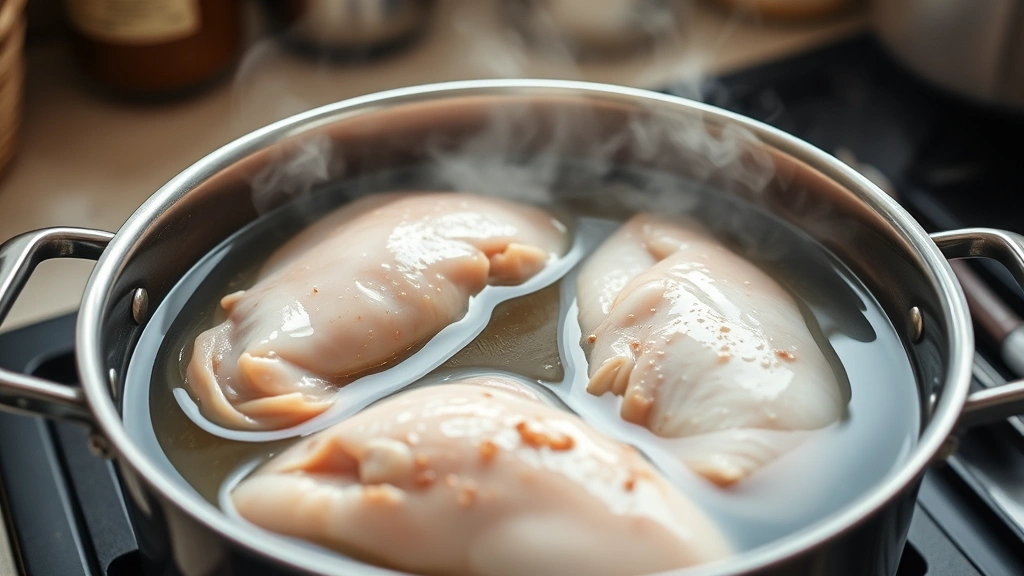
So you want to know how long to boil chicken for dog? Great question! Boiling chicken is one of the easiest, safest ways to prepare a protein-packed treat or meal topper for your furry best friend. Unlike the mystery meat in some commercial dog foods, you’ll know exactly what’s going into your pup’s bowl. But here’s the thing—timing matters, and so does technique. Get it right, and your dog gets a delicious, digestible protein source. Mess it up, and you might end up with rubbery chicken or (worse) a food safety nightmare.
Table of Contents
- The Basic Answer: Boiling Time for Chicken
- Why Boiling Is Perfect for Dog Nutrition
- Step-by-Step Guide to Boiling Chicken for Dogs
- Frozen Chicken: Does It Change Cooking Time?
- Chicken Size and Thickness Matter
- Seasoning: What NOT to Do
- How to Store Boiled Chicken for Dogs
- Portion Sizes: How Much Chicken Can Dogs Eat?
- When to Call Your Vet: Food Reactions and Sensitivities
- Creative Uses for Boiled Chicken Beyond Treats
- Comparing Boiled Chicken to Other Cooking Methods
- Temperature Check: Why 165°F Matters
- Frequently Asked Questions
- Final Thoughts: Boiling Chicken for Your Dog
Let me break down everything you need to know about boiling chicken for dogs, from the exact timing to storage tips that’ll keep your pup happy and healthy.
The Basic Answer: Boiling Time for Chicken
The short answer? Boil boneless, skinless chicken breasts for 12-15 minutes in water. For thighs or drumsticks, add 5-10 extra minutes. The chicken is done when it reaches an internal temperature of 165°F (74°C)—this kills any harmful bacteria while keeping the meat tender and nutritious.
But wait—before you toss that chicken in a pot and walk away, there’s more to the story. The size of your chicken pieces matters. A whole chicken breast takes longer than diced pieces. Same goes for frozen versus thawed chicken. And here’s a pro tip: letting the water come to a rolling boil before adding chicken actually reduces cooking time and helps lock in nutrients.
Why Boiling Is Perfect for Dog Nutrition
Boiled chicken is basically the gold standard for dog treats. It’s lean, it’s protein-rich, and it’s easy to digest—which matters if your pup has a sensitive stomach. Unlike fried or seasoned chicken, boiled chicken won’t upset their digestive system or add unnecessary calories.
This is why vets often recommend boiled chicken as a safe food for dogs, especially during times of digestive upset. It’s bland enough to be gentle but flavorful enough that most dogs go absolutely bonkers for it. Your dog doesn’t care that it’s not seasoned with garlic and salt—to them, it’s basically filet mignon.
Step-by-Step Guide to Boiling Chicken for Dogs
What You’ll Need:
- Boneless, skinless chicken breasts or thighs
- A pot with a lid
- Water
- A meat thermometer (optional but recommended)
The Process:
- Place chicken in a pot and cover with water (about 2 inches above the meat)
- Bring water to a rolling boil over high heat
- Once boiling, reduce heat to medium and maintain a gentle boil
- Cook for 12-15 minutes for breasts, 18-20 minutes for thighs
- Check internal temperature with a thermometer—aim for 165°F
- Remove chicken and let it cool completely before handling
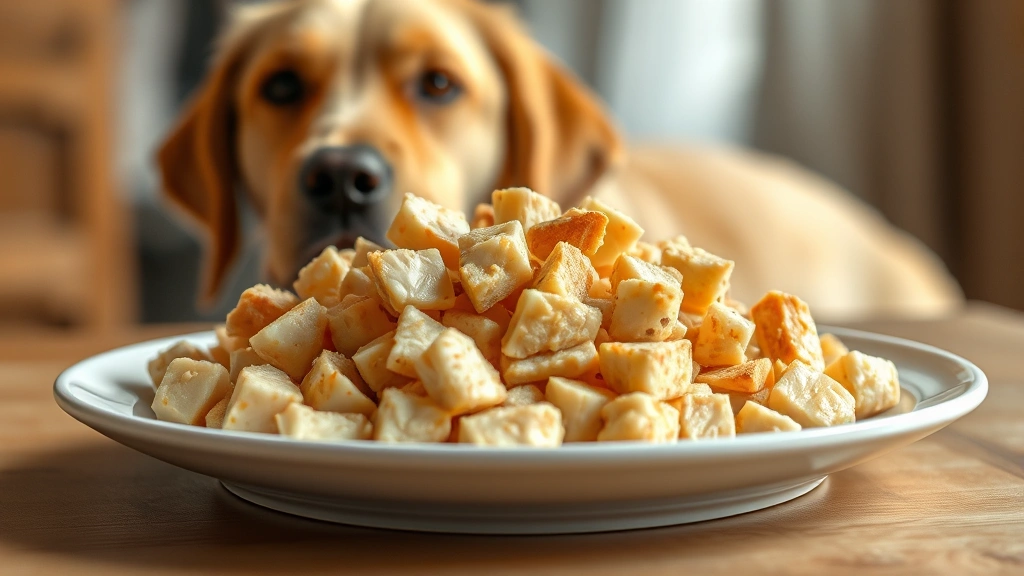
- Dice, shred, or leave whole depending on your dog’s size and preference
Pro tip: Save that cooking water! It’s basically chicken broth and makes an excellent bone broth for pets or meal topper. Just let it cool and refrigerate.
Frozen Chicken: Does It Change Cooking Time?
Yes and no. You can boil frozen chicken directly without thawing, but it’ll take about 50% longer—roughly 18-22 minutes for breasts. The internal temperature still needs to hit 165°F, so use that thermometer to be sure.
Honestly? Thawing first is easier and more reliable. Just pop it in the fridge overnight, and you’ll get more consistent results. Plus, thawed chicken cooks more evenly, meaning you won’t accidentally end up with a cold center and overcooked edges.
Chicken Size and Thickness Matter
Here’s where things get finicky. A thin, pounded-out chicken breast cooks faster than a thick one. If you’re boiling whole breasts, expect the longer end of that 12-15 minute range. Diced chicken? Cut it down to 8-10 minutes.
The golden rule: thinner pieces cook faster. If you want consistency, pound your chicken to an even thickness before boiling. This ensures everything cooks at the same rate and nobody ends up with a rubbery surprise.
Seasoning: What NOT to Do
Listen, I know boiled chicken sounds boring to us humans. But your dog doesn’t need—and shouldn’t have—salt, garlic, onions, or spices. These can actually harm dogs or upset their stomachs. Skip the seasoning entirely. The plain, bland chicken is exactly what your pup needs.
If you’re preparing chicken for both yourself and your dog, cook the dog’s portion plain first, then season yours separately. This prevents accidental cross-contamination with harmful ingredients.
How to Store Boiled Chicken for Dogs
Proper storage keeps your chicken safe and your dog healthier:
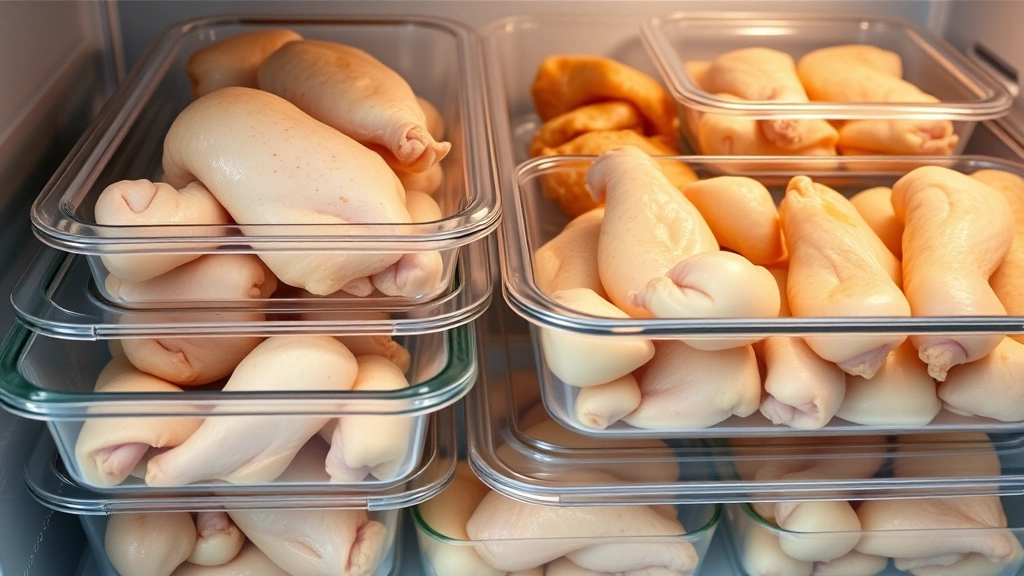
- Refrigerator: Store in an airtight container for up to 3-4 days
- Freezer: Freeze in ice cube trays or freezer bags for up to 3 months. This is perfect for portion control!
- The Smell Test: If it smells off, toss it. Trust your nose.
Frozen chicken cubes are actually genius—you can thaw one or two as needed, perfect for training treats or meal toppers. No waste, no guessing about freshness.
Portion Sizes: How Much Chicken Can Dogs Eat?
This depends on your dog’s size and diet. As a general rule, treats (including boiled chicken) should make up no more than 10% of your dog’s daily caloric intake. For a 50-pound dog eating 1,000 calories a day, that’s about 100 calories from treats—roughly 3-4 ounces of boiled chicken.
If you’re using boiled chicken as a meal topper, check with your vet about proper portions based on your dog’s age, weight, and activity level. Every dog is different, and your vet knows your pup best.
When to Call Your Vet: Food Reactions and Sensitivities
Most dogs do great with boiled chicken. But some have sensitivities or allergies. Watch for signs like itching, vomiting, diarrhea, or excessive gas within 24-48 hours of eating chicken. If you notice anything weird, contact your vet for advice on food reactions.
Chicken allergies are less common than beef or wheat allergies, but they happen. If your dog is prone to digestive issues, introduce boiled chicken slowly and in small amounts first.
Creative Uses for Boiled Chicken Beyond Treats
Boiled chicken isn’t just for snacking. You can use it for:
- Training rewards—cut into tiny pieces for high-value motivation
- Meal toppers—mix with kibble to make regular food more exciting
- Homemade treats from kitchen ingredients—shred and mix with other dog-safe foods
- Puzzle toy stuffing—freeze pieces inside toys for mental stimulation
- Recovery food—after surgery or illness when your pup needs bland protein
The versatility is seriously underrated. One batch of boiled chicken can keep your dog entertained and well-fed for days.
Comparing Boiled Chicken to Other Cooking Methods
You might wonder if there are better ways to prepare chicken for dogs. Let’s compare:
- Boiling: Safest, easiest, retains most nutrients, no added fats
- Baking: Also safe, but can dry out the meat; requires monitoring
- Grilling: Fine if unseasoned, but higher risk of charring (which dogs shouldn’t eat)
- Frying: Adds unnecessary fat and calories—skip it
- Raw: Controversial and carries food safety risks; not recommended
Boiling wins for safety, simplicity, and digestibility. It’s the vet-approved method for good reason.
Temperature Check: Why 165°F Matters
That 165°F internal temperature isn’t arbitrary. It’s the USDA-recommended temperature that kills harmful bacteria like salmonella and campylobacter. For your dog, this means a safe, healthy meal with zero foodborne illness risk.
Use a meat thermometer—they’re cheap and take the guesswork out of cooking. Stick it into the thickest part of the chicken without touching bone. If it reads 165°F or higher, you’re golden.
Frequently Asked Questions
Can I boil chicken with bones for my dog?
Technically yes, but proceed with caution. Boiling softens bones, making them safer than raw bones, but small fragments can still splinter. If you use bones, remove every single piece before serving. Many vets recommend sticking with boneless chicken for maximum safety.
How do I know when boiled chicken is done?
Use a meat thermometer to check for 165°F internal temperature. Alternatively, cut into the thickest part—the meat should be white all the way through with no pink. The juices should run clear, not pink.
Can I use the boiling water as broth?
Absolutely! That cooking liquid is nutrient-rich and makes an excellent meal topper or base for homemade dog food. Just let it cool and refrigerate. Use within 3-4 days or freeze for later.
Is boiled chicken good for dogs with upset stomachs?
Yes! Vets often recommend plain boiled chicken mixed with plain rice for dogs with diarrhea or vomiting. It’s bland, easy to digest, and provides essential protein during recovery.
How long does boiled chicken last in the freezer?
Properly stored boiled chicken lasts up to 3 months in the freezer. Use airtight containers or freezer bags to prevent freezer burn. Thaw in the refrigerator before serving.
Can I add vegetables to the boiling water?
You can, but keep it simple. Carrots and green beans are dog-safe and add minimal flavor. Avoid onions, garlic, and anything seasoned. For your dog’s portion, it’s honestly better to keep it plain.
Final Thoughts: Boiling Chicken for Your Dog
So, how long to boil chicken for dog? Twelve to fifteen minutes for boneless breasts, checking for that magical 165°F internal temperature. It’s simple, it’s safe, and it’s one of the best things you can do for your dog’s nutrition.
Your dog doesn’t need fancy, complicated meals. They need whole, recognizable ingredients prepared safely. Boiled chicken checks every box. Whether you’re using it as a training reward, a meal topper, or recovery food, you’re giving your pup something genuinely good.
Start with small portions if your dog hasn’t had boiled chicken before. Watch for any reactions. Store it properly. And remember—when in doubt, ask your vet. They know your dog’s health history and can give personalized advice.
Your dog’s wagging tail when they see that bowl of chicken? That’s all the confirmation you need that you’re doing something right.





