
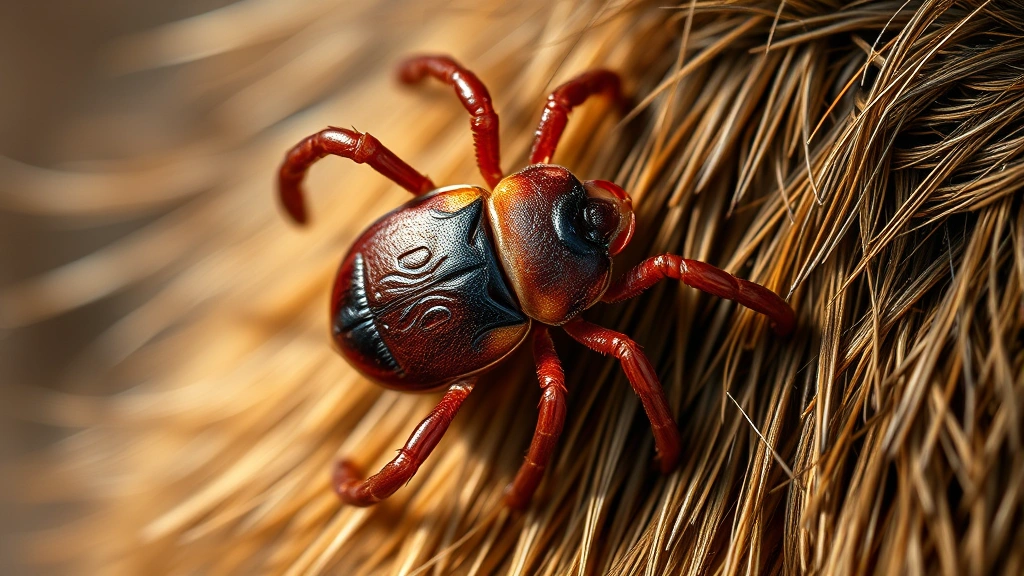
So, how long will a tick stay on a dog? The answer might surprise you—and honestly, it’s kind of gross. Ticks are persistent little vampires that can hang around on your pup for days, weeks, or even months if you’re not paying attention. But don’t panic! Understanding tick behavior is your first line of defense against these bloodsuckers.
Table of Contents
- The Tick Timeline: How Long Do They Actually Stay?
- Why Ticks Are Such Clingy Parasites
- Tick Feeding Stages and Duration
- Signs Your Dog Has a Tick Infestation
- How to Properly Remove a Tick From Your Dog
- Prevention: The Best Medicine Against Ticks
- Environmental Tick Control Matters Too
- Tick-Borne Diseases: Why Duration Matters
- Seasonal Tick Patterns and Peak Times
- When to Call Your Veterinarian
- Special Considerations for Puppies and Senior Dogs
- The Bottom Line on Tick Duration
- Frequently Asked Questions
The Tick Timeline: How Long Do They Actually Stay?
Here’s the deal: most ticks will stay attached to your dog anywhere from 3 to 10 days during their feeding phase. But some species? They’re in it for the long haul. Certain tick varieties can camp out on your furry friend for up to 21 days or more. That’s basically a three-week vacation at your dog’s expense. The duration depends on the tick species, your dog’s immune response, and whether you’re actively removing them. Female ticks tend to stay longer than males because they’re gorging themselves to lay eggs—lovely visual, right?
Why Ticks Are Such Clingy Parasites
Ticks aren’t just hanging around for fun. They’re on a mission: find a host, feed, mate, and reproduce. This entire lifecycle depends on staying attached long enough to get a full blood meal. When a tick embeds its mouthparts into your dog’s skin, it secretes a special cement-like substance that basically glues it in place. It’s like they’re using biological super-glue—nature’s way of being annoying.
The longer a tick feeds, the more dangerous it becomes. That’s because the risk of disease transmission increases with feeding duration. Ticks can transmit Lyme disease, Rocky Mountain spotted fever, and other nasty infections. So every day that tick stays on your dog is another day of potential health risk.
Tick Feeding Stages and Duration
Ticks go through different life stages, and each one feeds differently. Larvae might only stay on for a few days, nymphs (the middle stage) typically feed for 3-4 days, and adults? Adults are the commitment-phobic ones—they’ll stay on for 8-12 days on average. Female adult ticks are the worst offenders, sometimes staying attached for up to three weeks while they engorge with blood. A fully engorged female tick can become 100 to 150 times her original body weight. Yes, you read that right.
Signs Your Dog Has a Tick Infestation
You don’t always see ticks immediately, but there are telltale signs. Look for small bumps on your dog’s skin, especially around the ears, neck, armpits, and between the toes. Your dog might scratch excessively or seem uncomfortable in certain areas. Some dogs develop allergic reactions to tick saliva, causing red, inflamed bumps. Check your pup thoroughly after outdoor adventures, particularly if you’ve been in wooded or grassy areas. Make sustainable pet grooming part of your routine to catch ticks early.
How to Properly Remove a Tick From Your Dog
If you find a tick, resist the urge to panic or use folk remedies like nail polish or petroleum jelly—those don’t work and might stress your dog out. Instead, use fine-tipped tweezers to grasp the tick as close to the skin as possible. Pull straight out with steady, even pressure. Don’t twist or jerk, as this can break off the mouthparts and leave them embedded in your dog’s skin.
After removal, clean the area with soap and water or an antiseptic solution like chlorhexidine for dogs. Place the tick in a sealed container or plastic bag—don’t crush it with your bare hands. If your dog shows signs of infection or illness, contact your vet immediately. Some veterinarians recommend bringing the tick in for identification, which can help determine disease risk.
Prevention: The Best Medicine Against Ticks
Why deal with ticks at all? Prevention is infinitely easier than removal. Use tick prevention products recommended by your veterinarian. Options include topical treatments, oral medications, tick collars, and medicated shampoos. Most modern preventatives are highly effective and safe when used as directed.
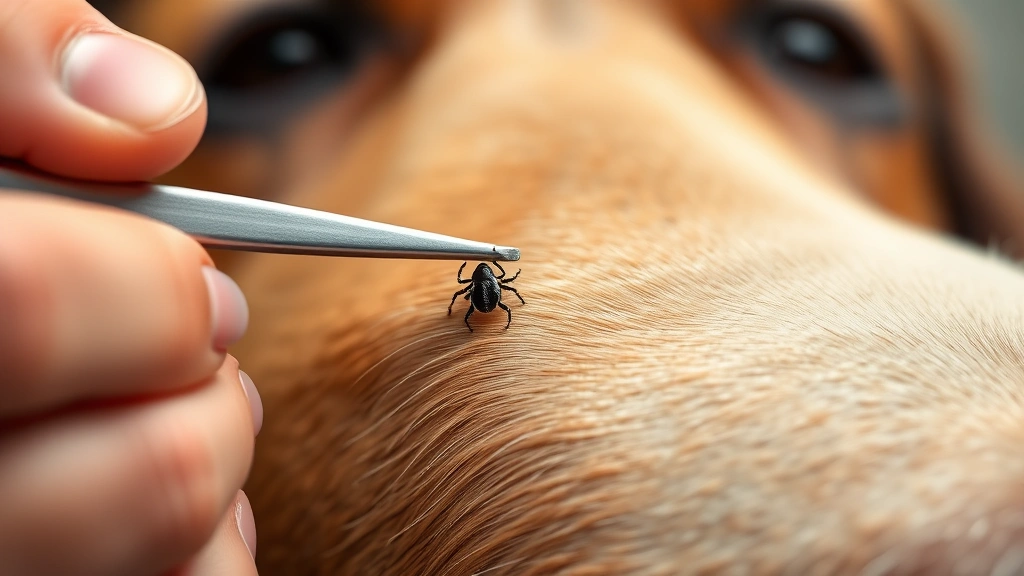
Regular grooming and earth-friendly flea control methods can also help. Bathe your dog regularly, brush their coat thoroughly, and check them daily during tick season. If you prefer natural approaches, certain essential oils and neem-based products show promise, though they’re typically less effective than prescription preventatives.
Environmental Tick Control Matters Too
Ticks don’t just appear on dogs out of nowhere—they live in your yard and environment. Keep your grass trimmed short, remove leaf litter, and create a tick-unfriendly habitat. Consider treating your yard with tick control products, especially if you live in a high-risk area. Some people use diatomaceous earth or other natural yard treatments, though effectiveness varies.
If you’re dealing with a serious tick problem, professional pest control might be necessary. Don’t let ticks establish a permanent residence in your outdoor spaces.
Tick-Borne Diseases: Why Duration Matters
The longer a tick feeds, the higher the disease transmission risk. According to the CDC, most tick-borne disease transmission occurs after the tick has been attached for 24-48 hours or longer. Lyme disease, for example, requires the tick to be attached for at least 24 hours before the bacteria can transmit. This is why daily tick checks are crucial during peak season.
Not all ticks carry diseases, but you won’t know which ones do just by looking. Better safe than sorry—remove any tick you find promptly.
Seasonal Tick Patterns and Peak Times
Tick season varies by location, but generally peaks in spring and fall. In warmer climates, ticks can be active year-round. Understanding your local tick season helps you plan prevention strategies. During peak season, check your dog daily and consider more aggressive prevention measures. Winter might offer a break in some regions, but don’t let your guard down completely.
Ask your veterinarian about the best prevention timeline for your specific area. They’ll know which tick species are prevalent and when they’re most active.
When to Call Your Veterinarian
If your dog has multiple ticks, shows signs of illness after tick exposure, or if you’re unsure about tick removal, contact your vet. If you accidentally left tick mouthparts embedded in the skin, your vet can remove them properly. Some dogs develop secondary infections from tick bites, especially if they’ve been scratching excessively.

If your dog develops fever, lethargy, joint pain, or other symptoms after tick exposure, seek veterinary care immediately. These could indicate tick-borne illness. Keep your vet’s number handy and don’t hesitate to use it—better to be cautious with your pup’s health. For urgent concerns, consider a virtual pet checkup for quick guidance.
Special Considerations for Puppies and Senior Dogs
Puppies and senior dogs may be more vulnerable to tick-related complications. Puppies have developing immune systems, while seniors might have compromised health. Always consult your vet before using tick prevention on puppies—some products aren’t suitable for very young dogs. Senior dogs might need gentler removal techniques or additional monitoring after tick exposure.
The Bottom Line on Tick Duration
So here’s your takeaway: how long will a tick stay on a dog depends on species and circumstances, but expect anywhere from 3 days to 3 weeks. The key is prevention and early detection. Check your dog daily during tick season, use veterinarian-recommended prevention products, and maintain your yard. When you do find a tick, remove it properly and promptly. If you’re concerned about disease exposure or infection, contact your veterinarian. Your dog’s health depends on your vigilance against these persistent parasites.
Frequently Asked Questions
Can a tick kill a dog?
While a single tick rarely kills a dog, severe infestations or tick-borne diseases can be fatal, especially in puppies, seniors, or dogs with compromised immune systems. Diseases like Lyme disease and Rocky Mountain spotted fever can cause serious complications if untreated.
Do ticks fall off on their own?
Yes, but only after they’ve fully engorged with blood. This can take weeks, during which disease transmission risk increases. Don’t wait for ticks to fall off naturally—remove them promptly.
What’s the best way to prevent ticks on dogs?
Use veterinarian-recommended prevention products, maintain regular grooming, check your dog daily during tick season, and keep your yard tick-free. Prevention is always more effective than treatment.
Can you get ticks from your dog?
Ticks don’t transfer directly from dogs to humans, but if a tick falls off your dog, it can attach to you. Use proper removal techniques and handle ticks carefully to minimize your own exposure.
How do I know if a tick has been on my dog long?
An engorged, bloated tick indicates longer feeding duration. Smaller, flatter ticks haven’t fed as long. Size isn’t always reliable though—some tick species remain relatively small even when fully engorged.





