
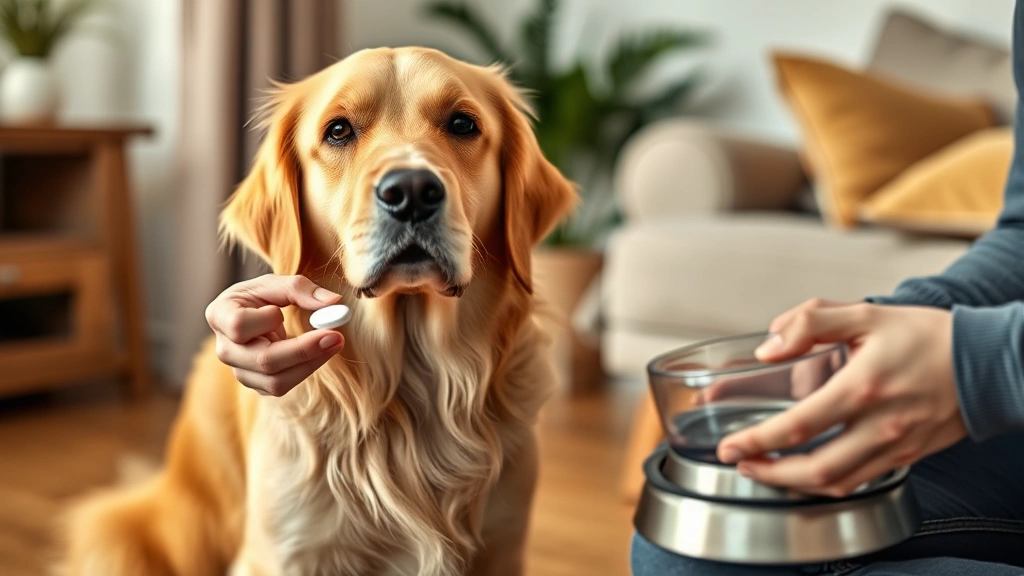
So you’re wondering how many Benadryl can I give to my dog—and honestly, that’s a question that deserves a solid answer because getting it wrong could actually hurt your furry friend. Let’s cut through the confusion and talk about what you actually need to know about giving your pup antihistamines safely.
Table of Contents
- Understanding Benadryl for Dogs: The Basics
- The Weight-Based Dosing Formula Explained
- Maximum Daily Limits: Don’t Overdo It
- Breed and Age Considerations Matter
- Common Reasons Vets Recommend Benadryl for Dogs
- Potential Side Effects You Should Know About
- Drug Interactions and Health Conditions to Watch
- Overdose: Signs and What to Do
- Non-Drowsy Formulations: Are They Safe?
- Alternatives to Benadryl Worth Considering
- When to Call Your Vet Instead of Self-Medicating
- Frequently Asked Questions
- Final Thoughts: Dosing Your Dog Safely
Understanding Benadryl for Dogs: The Basics
Benadryl (diphenhydramine) isn’t just for humans sneezing through spring. Vets actually prescribe it to dogs all the time for allergies, itching, and anxiety. But here’s the thing—just because it’s available at your local pharmacy doesn’t mean you should eyeball a dose and hope for the best. Dogs metabolize medications differently than we do, and what works for a 200-pound human might knock out a 20-pound Chihuahua for three days.
The standard veterinary dosage for diphenhydramine in dogs is 1 mg per pound of body weight, given every 8-12 hours. So a 50-pound dog would typically get 50 mg per dose. But—and this is a big but—that’s the general guideline, not a one-size-fits-all prescription. Your specific dog might need adjustments based on their health, age, and what you’re treating.
The Weight-Based Dosing Formula Explained
Let’s break down the math because understanding the calculation helps you feel more confident. If Benadryl dosing for canine antihistamine use is 1 mg per pound, you’ll multiply your dog’s weight by one. Simple, right? A 30-pound Golden Retriever gets 30 mg. A 75-pound German Shepherd gets 75 mg. Most standard Benadryl tablets come in 25 mg doses, so you’re looking at giving your medium-sized dog one to three tablets depending on their size.
However, liquid formulations exist too, and they’re actually easier to dose precisely—especially for smaller breeds. The concentration varies by product, so always check the label. Never assume all liquid Benadryl is the same strength. Some contain 12.5 mg per 5 mL, others might be different. Read. The. Label.
Maximum Daily Limits: Don’t Overdo It
Even though you can give Benadryl every 8 hours, that doesn’t mean you should push it to the maximum every single day. The general recommendation is not to exceed 3-4 doses within a 24-hour period without veterinary supervision. That means your 50-pound dog shouldn’t get more than 150-200 mg total in one day unless a vet specifically directs otherwise.
Why the caution? Chronic use of antihistamines can lead to tolerance (your dog’s body gets used to it and it stops working), and it can also mask symptoms of more serious underlying conditions. If your dog needs Benadryl every single day for weeks on end, that’s a conversation to have with your vet. There might be better treatment options, or there might be something else going on that needs addressing.
Breed and Age Considerations Matter
Here’s where it gets tricky: not all dogs are created equal when it comes to medication sensitivity. Senior dogs, puppies, and certain breeds metabolize drugs differently. Brachycephalic breeds (think Bulldogs, Pugs, Boston Terriers) can be particularly sensitive to antihistamines because these medications can have a drying effect that makes their already-compromised breathing worse.
Puppies under 6 months old should really only get Benadryl under direct veterinary guidance. Their livers aren’t fully developed, and they’re more prone to overdose complications. Similarly, senior dogs (7+ years) might need dose adjustments, especially if they have kidney or liver issues. Pregnant or nursing dogs? Skip the Benadryl unless explicitly approved by your vet.
Common Reasons Vets Recommend Benadryl for Dogs
Understanding why you might need Benadryl helps you know when it’s actually appropriate. The most common reasons include allergic reactions (food, environmental, or contact allergies), itching and hives, anxiety during storms or fireworks, and motion sickness. Some vets use it as a mild sedative before grooming or vet visits, though it’s not a replacement for proper calming techniques or prescription anxiety medications.
For allergies specifically, many vets now prefer other antihistamines like Apoquel or Cerenia because they’re more targeted and have fewer side effects. But Benadryl remains popular because it’s cheap, widely available, and generally safe when dosed correctly. If your dog has seasonal allergies, you might also want to explore calming foods for anxious pets as a complementary approach.

Potential Side Effects You Should Know About
Benadryl is relatively safe, but it’s not side-effect-free. The most common side effect is drowsiness—which is sometimes the goal, but sometimes isn’t. Some dogs get hyperactive instead (yes, the opposite happens). Other potential side effects include dry mouth, urinary retention, and in rare cases, allergic reactions to the medication itself.
More serious but uncommon side effects include rapid heart rate, tremors, or seizures—usually only seen in overdose situations. If your dog seems unusually lethargic, has difficulty urinating, or shows any neurological symptoms after taking Benadryl, contact your vet immediately. This is also why Pet Poison Hotline information should be saved in your phone.
Drug Interactions and Health Conditions to Watch
Before giving your dog any Benadryl, tell your vet about other medications your pup is taking. Antihistamines can interact with certain drugs, including some pain relievers, sedatives, and other allergy medications. If your dog is on multiple medications, you need professional guidance—not internet advice.
Certain health conditions make Benadryl risky too. Dogs with glaucoma, hyperthyroidism, heart disease, or high blood pressure shouldn’t take Benadryl without vet approval. Same goes for dogs with urinary retention issues or severe liver/kidney disease. Your dog might have a condition you’re not even aware of, which is another reason why telehealth vet appointments are so valuable—you can quickly ask a professional before administering anything.
Overdose: Signs and What to Do
If you accidentally give your dog too much Benadryl, what happens? Mild overdoses cause excessive drowsiness, dry mouth, and urinary retention. More serious overdoses can cause rapid heart rate, tremors, seizures, or even coma. The lethal dose in dogs is estimated around 20-40 mg per kilogram of body weight, so you’d have to really mess up to cause fatal toxicity, but it’s still possible.
If you suspect an overdose, don’t panic but do act fast. Call your vet or emergency vet clinic immediately. If you can’t reach anyone, contact Pet Poison Hotline. Have your dog’s weight and the exact amount of Benadryl (including the concentration) ready to tell them. Activated charcoal or gastric lavage might be recommended if caught early enough.
Non-Drowsy Formulations: Are They Safe?
You might see “non-drowsy” Benadryl at the store and think it’s perfect for your dog. Wrong move. Non-drowsy formulations often contain pseudoephedrine or phenylephrine, which are NOT safe for dogs. These can cause serious cardiovascular issues. Stick to regular diphenhydramine formulations only. Check every label because some combination products contain multiple active ingredients, and you don’t want your dog getting something you didn’t intend.
Alternatives to Benadryl Worth Considering
Before you default to Benadryl, know that other options exist. For allergies, your vet might recommend Apoquel, Cytopoint, or prescription antihistamines that work better with fewer side effects. For anxiety, there’s Trazodone, Alprazolam, or behavioral modification techniques. For itching, medicated shampoos, omega-3 supplements, and topical treatments might do the trick.
If your dog has chronic issues requiring regular medication, a telehealth pet nutrition consultation might reveal dietary changes that could help. Sometimes the best medicine is prevention through proper nutrition and environmental management.
When to Call Your Vet Instead of Self-Medicating
Here’s the honest truth: if you’re asking “how many Benadryl can I give my dog,” you should probably just call your vet first. I get it—vets are expensive and sometimes seem dismissive of simple questions. But they have your dog’s complete medical history, they can examine your pup, and they can give personalized advice. A quick phone call might save you from a serious mistake.
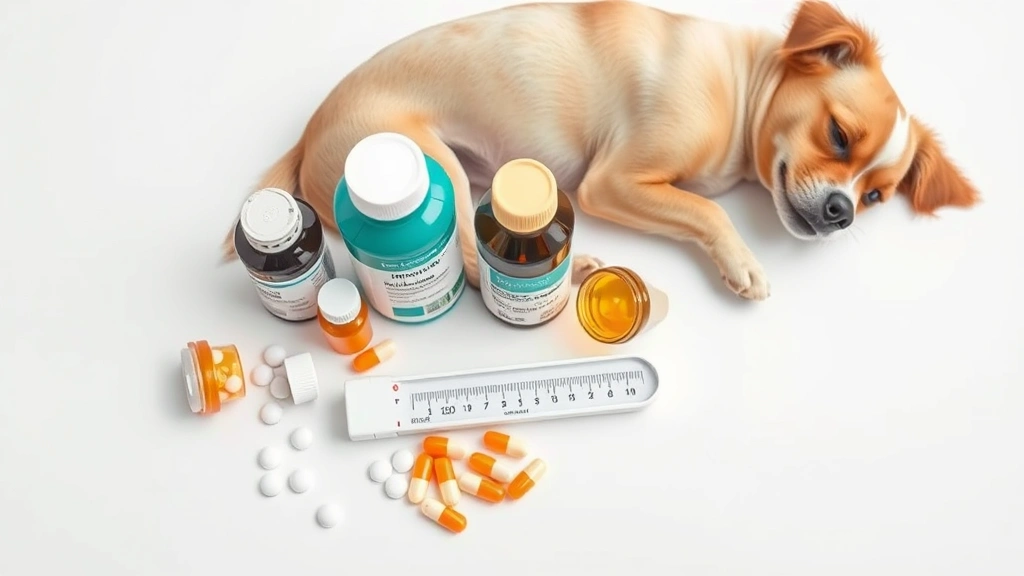
Definitely call your vet if your dog has never had Benadryl before, if they’re on other medications, if they’re very young or very old, if they have any health conditions, or if the problem persists after one or two doses. Chronic itching, repeated allergic reactions, or ongoing anxiety are signs something bigger might be happening.
Frequently Asked Questions
Can I give my dog Benadryl every day?
Short-term use (a few days) is generally fine, but daily long-term use should be under vet supervision. Chronic use can lead to tolerance and might mask underlying conditions. If your dog needs daily allergy management, talk to your vet about better options like Apoquel or prescription alternatives.
Is Benadryl safe for puppies?
Puppies under 6 months should only get Benadryl under direct veterinary guidance. Their livers are still developing, making them more susceptible to side effects. For puppies, always consult your vet first.
What if my dog ate a whole bottle of Benadryl?
Call your vet or emergency vet clinic immediately. Have the bottle handy to tell them the concentration and total amount. You might need to induce vomiting or provide other emergency care. Don’t wait to see if symptoms develop.
Can I give my dog liquid Benadryl?
Yes, but check the label for the concentration and make sure it doesn’t contain alcohol or other additives. Liquid is actually easier to dose precisely for small dogs. Follow the same 1 mg per pound guideline.
Does Benadryl make dogs sleepy?
Usually yes—drowsiness is the most common side effect. Some dogs get hyperactive instead. This varies by individual dog, so observe your pup’s reaction the first time you give it.
What’s the difference between Benadryl and other antihistamines?
Benadryl (diphenhydramine) is a first-generation antihistamine that crosses the blood-brain barrier, causing drowsiness. Newer options like Apoquel target specific itch pathways more effectively with fewer side effects. Your vet can recommend what’s best for your dog’s specific situation.
Final Thoughts: Dosing Your Dog Safely
So, how many Benadryl can you give your dog? The answer is 1 mg per pound of body weight, up to every 8 hours, but not exceeding 3-4 doses daily without vet supervision. But honestly, the real answer is: ask your vet first. They know your dog, they know the risks, and they can give you personalized guidance that actually accounts for your pup’s individual health situation.
Benadryl is generally safe when dosed correctly, but it’s not a cure-all. If your dog has chronic issues, recurring allergies, or ongoing anxiety, there are probably better treatment options worth exploring. And if you’re ever unsure—even a little bit—pick up the phone and call your vet. That’s what they’re there for, and a quick conversation beats an emergency vet visit every single time.





