
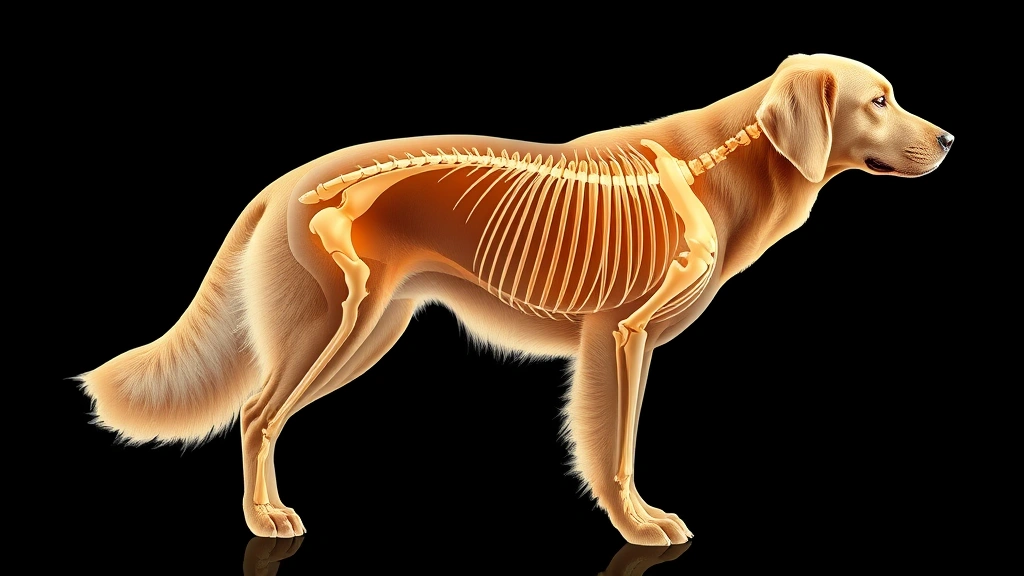
How Many Bones Does a Dog Have? A Quick Guide
Have you ever wondered what’s underneath all that fur and wagging tail? Dogs are remarkable creatures with complex skeletal systems that enable them to run, jump, play, and cuddle with us. Understanding your dog’s anatomy, including their skeletal structure, can help you better care for them and recognize potential health issues before they become serious problems. Whether you’re a curious pet parent or someone considering bringing a dog into your home, learning about canine anatomy is both fascinating and practical.
One of the most common questions pet owners ask is: how many bones does a dog have? The answer might surprise you! Unlike humans who have 206 bones, dogs have significantly more—approximately 320 bones in their bodies. This greater number of bones gives dogs their incredible flexibility, agility, and range of motion. These bones vary in size, shape, and function, creating an intricate framework that supports everything from their powerful leg muscles to their flexible spines.
The skeletal system is far more than just a rigid frame. It’s a living, dynamic structure that protects vital organs, produces blood cells, stores minerals, and works in harmony with muscles and joints to create movement. By understanding your dog’s skeletal anatomy, you’ll gain insight into why they move the way they do and how to keep them healthy throughout their lives.
How Many Bones Do Dogs Have?
Dogs have approximately 320 bones in their adult bodies, though this number can vary slightly depending on the breed, size, and individual dog. This is significantly more than the 206 bones found in adult humans. The reason for this difference lies in the evolutionary adaptations dogs have undergone to become swift, agile hunters and companions.
The exact number can fluctuate because some bones fuse together as a dog matures. Puppies are actually born with even more bones than adult dogs—around 350 bones—many of which are made of cartilage rather than fully ossified bone. As your puppy grows, some of these bones fuse together, reducing the total count to the adult number. This process typically completes by the time your dog reaches full skeletal maturity, which varies by breed but generally occurs between 12 and 18 months of age.
The additional bones in dogs compared to humans are primarily located in the tail, spine, and limbs. These extra bones provide dogs with the flexibility and range of motion that allows them to twist, turn, and move in ways that seem almost impossible to us. If you’re interested in learning more about your dog’s physical features, you might also want to explore how many teeth do dogs have, which is another fascinating aspect of canine anatomy.
Understanding the Canine Skeleton
The canine skeleton is divided into two main parts: the axial skeleton and the appendicular skeleton. The axial skeleton includes the skull, vertebral column (spine), and rib cage. The appendicular skeleton comprises the limbs and the bones that attach them to the body, including the shoulder and hip girdles.
Each component plays a crucial role in your dog’s overall function and health. The bones work together with muscles, ligaments, and tendons to create a sophisticated system of movement and support. Understanding these different components helps explain why dogs are such athletic animals and why certain health conditions affect them the way they do.
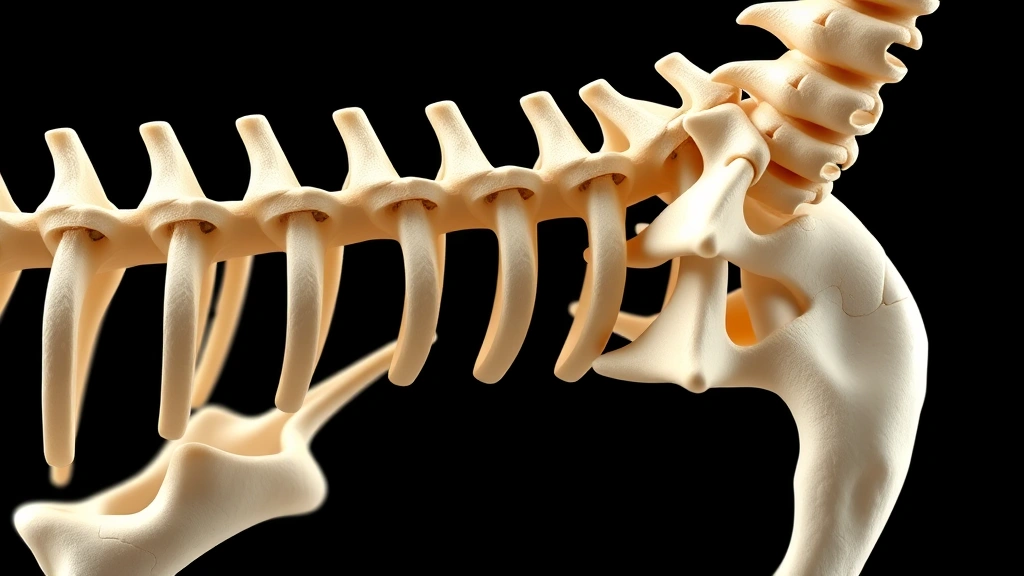
The skeleton also serves protective functions. The skull protects the brain, the rib cage shields the heart and lungs, and the vertebral column safeguards the spinal cord. Additionally, bones are living tissue that constantly remodels itself, stores essential minerals like calcium and phosphorus, and produces red and white blood cells in the bone marrow. This is why proper nutrition and exercise are so important for maintaining healthy bones throughout your dog’s life.
The Spine and Vertebrae
The canine spine is one of the most important parts of the skeletal system, and it contains a remarkable number of bones. Dogs have 53 vertebrae compared to the 33 in humans, distributed across five regions: cervical (neck), thoracic (chest), lumbar (lower back), sacral (pelvis), and caudal (tail) vertebrae.
The cervical region contains 7 vertebrae, the same number as humans. The thoracic region has 13 vertebrae, each connected to a pair of ribs. The lumbar region contains 7 vertebrae, the sacral region has 3 fused vertebrae, and the caudal region contains 20-23 vertebrae that form the tail. This abundance of vertebrae, particularly in the tail and lower back, gives dogs exceptional spinal flexibility.
The extra vertebrae in the lumbar and caudal regions are what allow dogs to bend, twist, and curl their bodies in ways that seem almost serpentine. This flexibility is essential for their natural behaviors like scratching their backs, reaching their tails, and navigating tight spaces. However, this same flexibility can make the spine vulnerable to certain conditions. If you want to learn more about spinal health issues, our guide on what is IVDD in dogs provides detailed information about intervertebral disc disease, a common spinal condition affecting dogs.
Limb Bones and Structure
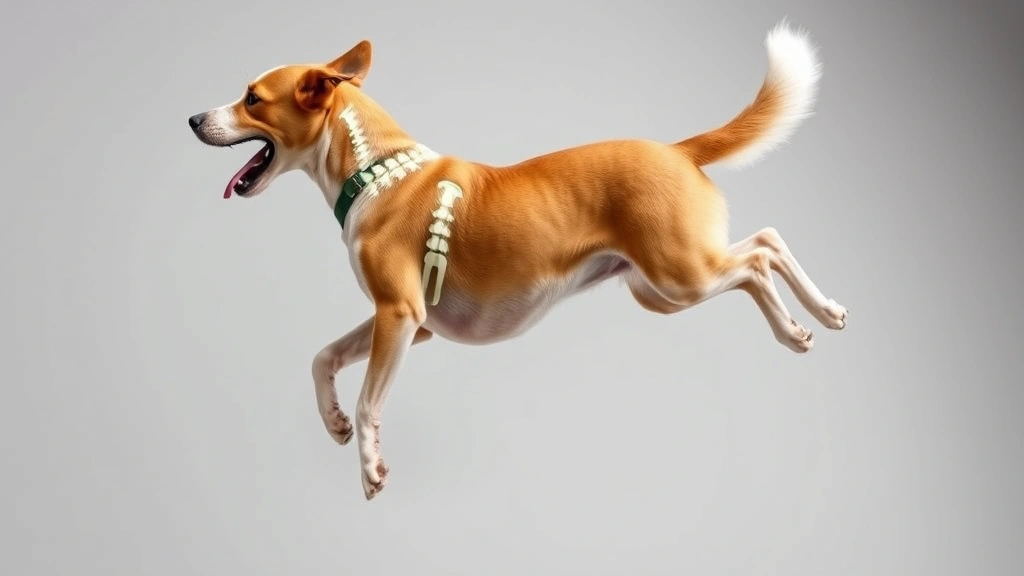
Dog limbs are marvels of evolutionary engineering, composed of multiple bones that work together to create powerful movement. Each front leg contains the humerus (upper arm bone), radius and ulna (forearm bones), carpals (wrist bones), metacarpals (hand bones), and phalanges (finger bones). The back legs have the femur (thighbone), tibia and fibula (shin bones), tarsals (ankle bones), metatarsals (foot bones), and phalanges.
The structure of these limb bones, combined with powerful muscles and flexible joints, enables dogs to run at high speeds, jump impressive heights, and navigate various terrains with ease. The angle of the bones in the hind legs, for example, creates the powerful thrust needed for running and jumping. The front legs are designed more for stability and directional control.
Dogs also have a specialized bone structure in their shoulders that differs from humans. Their shoulders are not connected to the spine by a collarbone; instead, they’re attached primarily through muscle and soft tissue. This allows for greater forward and backward movement of the front legs, which is crucial for running and climbing. Understanding this structure helps explain why dogs can reach forward so far when playing or stretching.
The Skull and Jaw
The canine skull is a complex structure composed of many individual bones that protect the brain and support the sensory organs. Dogs have more skull bones than humans, with approximately 50 different bones making up the skull alone. The shape and structure of the skull vary significantly between breeds, which is why some dogs have long, narrow snouts while others have broad, flat faces.
The jaw is particularly interesting from an anatomical perspective. Dogs have a powerful bite force thanks to their specialized jaw structure and strong muscles. The lower jaw (mandible) connects to the skull through a hinge joint that allows for vertical movement but limited side-to-side motion, unlike human jaws. This structure is optimized for gripping and holding rather than the grinding motion humans use for chewing.
The teeth are firmly embedded in the bone of the jaw, and their health is directly connected to the underlying bone structure. Just as understanding your dog’s skeletal anatomy is important, so too is knowing about their dental health. You might want to read more about how many teeth does a dog have to get a complete picture of your dog’s oral anatomy and health needs.
Bone Health and Care
Maintaining healthy bones is crucial for your dog’s quality of life, mobility, and longevity. Several factors contribute to bone health, and as a responsible pet owner, you can influence most of them. Here are the key elements of bone health care:
- Proper Nutrition: Calcium and phosphorus are essential minerals for bone development and maintenance. Your dog’s diet should contain appropriate levels of these minerals in the correct ratio. Vitamin D is also crucial as it helps with calcium absorption. High-quality commercial dog foods are formulated to meet these nutritional requirements, but if you feed a homemade diet, consult with a veterinary nutritionist.
- Regular Exercise: Weight-bearing exercise strengthens bones and maintains muscle mass that supports the skeletal system. Daily walks, playtime, and age-appropriate activities help keep bones strong. However, avoid excessive jumping or high-impact activities in puppies, as their bones are still developing.
- Healthy Weight: Excess weight puts additional stress on bones and joints. Maintaining your dog at a healthy weight reduces the risk of skeletal problems and other health issues.
- Preventive Care: Regular veterinary check-ups can identify potential bone or joint problems early. Your vet can assess your dog’s skeletal health and recommend preventive measures.
- Appropriate Supplements: In some cases, joint supplements containing glucosamine and chondroitin may be beneficial, particularly for older dogs or breeds prone to joint issues. Always consult your veterinarian before starting any supplement regimen.
It’s important to note that while many people wonder about can dogs eat bones, there’s a distinction between understanding skeletal anatomy and giving your dog bones to eat. The bones in your dog’s skeleton are living tissue, while bones given as food are dead material that requires careful consideration.
Common Skeletal Issues in Dogs
Despite their remarkable skeletal structure, dogs can experience various bone and joint problems. Understanding these issues can help you recognize symptoms early and seek appropriate veterinary care. Some common skeletal issues include:
Hip Dysplasia: This is a genetic condition where the hip joint doesn’t fit together properly, leading to arthritis and pain. It’s particularly common in large breeds. The American Kennel Club provides excellent resources about breed-specific health concerns including hip dysplasia.
Arthritis: Osteoarthritis is a degenerative joint disease that becomes more common as dogs age. It causes inflammation, pain, and reduced mobility. Early intervention with weight management, exercise, and sometimes medication can slow progression.
Intervertebral Disc Disease (IVDD): This condition affects the discs between vertebrae and is particularly common in dogs with long backs like Dachshunds. If you want detailed information about this condition, our comprehensive guide on what is IVDD in dogs covers symptoms, diagnosis, and treatment options.
Patellar Luxation: The kneecap (patella) dislocates or shifts out of place, causing lameness and pain. This is common in small breeds.
Fractures and Breaks: Dogs can break bones from trauma, accidents, or falls. Proper care of minor injuries is important; learn more about how to heal a dog wound fast at home to understand basic care principles, though fractures require immediate veterinary attention.
Bone Cancer: While less common, bone cancer can affect dogs, particularly larger breeds. Early detection is important for treatment options.
If you notice your dog limping, showing reluctance to move, having difficulty climbing stairs, or displaying signs of pain, contact your veterinarian promptly. Many skeletal conditions are manageable when caught early, but can become serious if left untreated. The ASPCA offers additional resources on recognizing signs of pain and orthopedic problems in dogs.
One important consideration for dog owners is understanding what’s safe for their pets to consume. While we’ve discussed the skeletal system, it’s worth noting that can dogs eat chicken bones is a frequently asked question that relates to bone safety for consumption rather than skeletal anatomy.
Frequently Asked Questions
How many bones does a puppy have?
Puppies are born with approximately 350 bones, many of which are made of cartilage rather than fully ossified bone. As your puppy grows and matures, some of these bones fuse together. By the time your dog reaches adulthood (between 12-18 months depending on breed), the number reduces to approximately 320 bones. Large breed dogs may take longer to reach skeletal maturity than small breeds.
Why do dogs have more bones than humans?
Dogs have more bones than humans because they’ve evolved for different physical capabilities. The additional bones, particularly in the spine and tail, provide dogs with greater flexibility and range of motion. This evolutionary adaptation makes dogs excellent runners, jumpers, and climbers. The extra vertebrae in particular allow for the spinal flexibility that enables dogs to twist, turn, and curl their bodies in ways humans cannot.
Do all dog breeds have the same number of bones?
While all adult dogs have approximately 320 bones, the exact number can vary slightly between individual dogs and breeds. The primary variation is in the tail vertebrae—dogs with longer tails have more caudal vertebrae than dogs with shorter or docked tails. Additionally, the shape, size, and structure of bones vary significantly between breeds due to selective breeding for different physical characteristics.
At what age do dog bones stop growing?
The timing of skeletal maturity varies by breed size. Small breed dogs typically reach skeletal maturity between 9-12 months of age, while large breed dogs may not be fully mature until 18-24 months. Giant breed dogs can take even longer. During this growth period, it’s important to avoid excessive high-impact exercise that could damage developing bones and joints.
How can I tell if my dog has a bone problem?
Signs of potential bone or skeletal problems include limping, favoring a leg, difficulty rising or climbing stairs, reluctance to jump or play, swelling around joints, stiffness (especially after rest), whimpering or signs of pain, and changes in gait or posture. If you notice any of these signs, contact your veterinarian for an evaluation. Early diagnosis and treatment can prevent many skeletal conditions from worsening.
What’s the best diet for bone health in dogs?
A balanced diet with appropriate levels of calcium, phosphorus, and vitamin D is essential for bone health. High-quality commercial dog foods are formulated to meet these nutritional requirements. For puppies, it’s particularly important to avoid excessive calcium, as too much can actually interfere with proper bone development. If you feed a homemade diet, consult with a veterinary nutritionist to ensure proper mineral balance.
Can broken bones in dogs heal on their own?
While some minor bone injuries might heal with rest, most fractures require professional veterinary care. A veterinarian can determine the severity of the fracture and recommend appropriate treatment, which might include splinting, casting, or surgery. Attempting to treat a fracture at home without proper diagnosis can result in improper healing, chronic pain, and long-term mobility issues.





